Soups & Stews
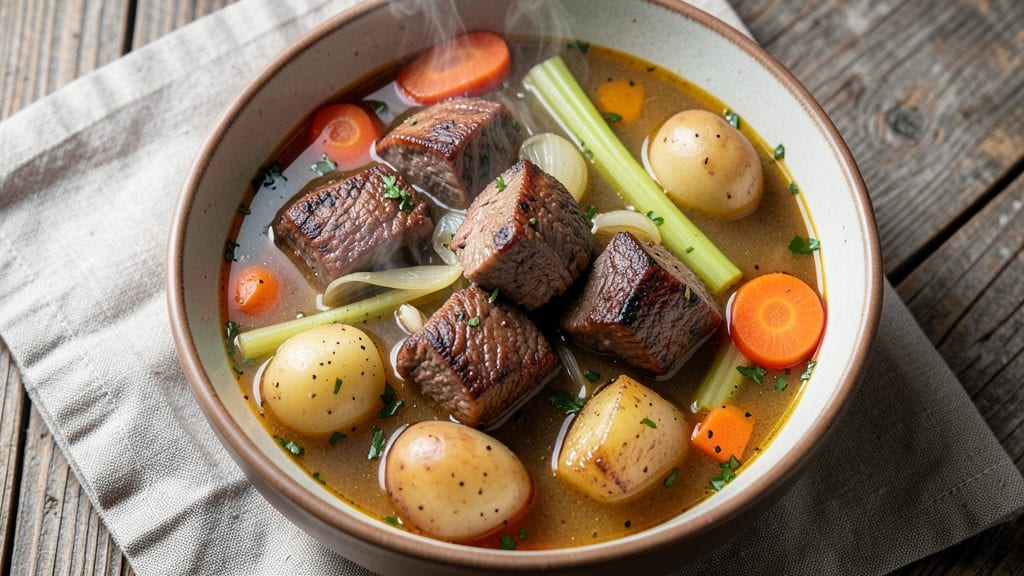
This Bob Evans beef vegetable soup copycat recipe delivers the same slow-simmered depth and tender beef chunks that made the restaurant famous. The secret lies in a precise blend of spices and a long simmer that transforms tough cuts into melt-in-your-mouth perfection.
I've recreated this comforting classic after years of perfecting the balance between hearty vegetables and rich beef broth.
The recipe begins with browning beef chuck roast in batches to develop deep, caramelized flavors—a crucial step Bob Evans never skips. Vegetables like carrots, celery, and potatoes are added later to preserve their texture, while herbs and spices build complexity throughout the 3-hour simmer.
The result is a soup that's both restaurant-quality and achievable at home with simple ingredients.
What sets this apart is the umami-rich broth, created by simmering beef with aromatic vegetables and beef bouillon. Each spoonful delivers tender beef, perfectly cooked vegetables, and a depth of flavor that's hard to match.
The slow cooking process ensures every ingredient is infused with savory goodness, making this more than just a copycat—it's an improved version you'll want to serve repeatedly.
Serve this soup with crusty bread to soak up every last drop of that flavorful broth. The recipe scales easily for gatherings, and leftovers taste even better the next day as flavors meld further. This is comfort food at its finest, with the professional touch that makes it stand out.
Ingredients for bob evans beef vegetable soup copycat
Sixteen essential ingredients transform into Bob Evans' legendary beef vegetable soup, rich with slow-simmered umami.
| Ingredient | Amount | Notes |
|---|---|---|
| Beef Chuck Roast 🥩 | 3 lb | Cut into 1.5-inch cubes, trimmed of fat |
| Yellow Onions 🧅 | 2 whole | Medium size, sliced into half-moons |
| Carrots 🥕 | 4 whole | Medium size, peeled and cut into chunks |
| Celery Stalks 🌿 | 4 whole | Trimmed, cut into 1-inch pieces |
| Russet Potatoes 🥔 | 3 lb | Peeled, cut into 1-inch cubes |
| Garlic Cloves 🧄 | 6 cloves | Minced, for deep flavor development |
| Beef Bouillon Cubes 🍲 | 2 cubes | Knorr or similar, for umami depth |
| All-Purpose Flour 🌾 | 2 tbsp | For browning beef, light golden color |
| Dried Thyme 🌿 | 1 tsp | Or 1 tbsp fresh, for earthy notes |
| Dried Parsley 🍃 | 1 tsp | For fresh brightness at the end |
| Black Peppercorns 🌶️ | 1 tsp | Freshly cracked, for heat |
| Salt 🧂 | 2 tsp | Diamond Crystal preferred, coarse grain |
| Tomato Paste 🍅 | 1 tbsp | High-quality, for depth of flavor |
| Water 💧 | 8 cups | Enough for 3-hour simmer, adjust as needed |
| Extra-Virgin Olive Oil 🫒 | 2 tbsp | For initial beef searing |
The beef chuck roast is the foundation—look for well-marbled cuts at Whole Foods or your local butcher for maximum tenderness. Pre-cubing saves time, but if buying a whole roast, trim excess fat and cut into 1.5-inch cubes. The onions, carrots, and celery form the aromatic base, so choose fresh, firm produce—no wilted celery or soft spots. For the bouillon, Knorr or Homemade brand cubes provide that restaurant-quality depth without artificial aftertaste. The tomato paste might seem minor, but high-quality brands like Mutti or Barilla elevate the umami profile significantly.
No beef bouillon? Substitute 1 cup beef broth plus 1 tsp Worcestershire sauce for comparable depth. Fresh thyme and parsley can be swapped at a 3:1 ratio (fresh to dried), but dried works perfectly for this recipe. The flour is purely for browning—don't skip this step, as it develops the Maillard reaction that creates that caramelized beef flavor. For the potatoes, Russets hold up best during long simmering, though Yukon Golds add creaminess. The olive oil should be extra-virgin for searing, but any neutral oil works for the initial browning if preferred. Need to adjust spice levels? Add cayenne for heat or smoked paprika for depth.
This soup tastes even better the next day as flavors meld—plan ahead and make a double batch. Store in airtight containers for up to 5 days in the fridge or 3 months in the freezer. For reheating, low heat on the stove with a splash of water prevents breaking the vegetables. The beef will become even more tender with each reheat, making it ideal for meal prep. Portion into individual containers for easy lunches, or freeze in quart-sized bags for quick servings later.
Why You'll Love This Recipe
- One-Pot Magic: I swear by this recipe—just dump everything in one pot, let it simmer, and walk away. No chopping like a fine chef, no fussing over layers. The chuck roast practically melts into tender shreds while the veggies soften just enough to soak up that rich broth.
- Deep, Savory Bite: That slow-cooked beef? It’s the star—fall-apart tender with just enough bite to keep things interesting. The onions caramelize into sweet pockets, and the potatoes? Creamy without turning to mush. Honestly, it’s the kind of soup that makes you reach for a second bowl.
- Leftovers That Don’t Suck: Between us, most soups turn sad in the fridge. Not this one. The flavors actually deepened after day two—perfect for lunchboxes, quick reheats, or even freezing. I’ve packed it in thermoses for work and had my coworkers begging for the recipe.
- Budget-Friendly Feast: Chuck roast is cheap, carrots and celery last forever, and potatoes stretch a meal into a full dinner. I’ve made this for $10 and fed four people—plus, the leftovers stretch even further. It’s the kind of recipe that makes grocery day feel like a win.
Step-by-step instructions for Bob Evans beef vegetable soup
Master this slow-simmered classic with restaurant-quality depth and texture.
Sear the Beef for Maximum Flavor
Pat the 3 lb beef chuck roast dry with paper towels and cut it into 1.5-inch cubes, trimming any excess fat. Heat the 2 tbsp extra-virgin olive oil in a large Dutch oven over medium-high heat until shimmering. Working in batches to avoid overcrowding, sear the beef cubes for 3-4 minutes per side until they develop a rich, brown crust. This step creates the Maillard reaction that forms the soup's deep umami foundation.
As you sear, remove the beef with a slotted spoon and set it aside on a plate. Don't drain the browned bits from the pot—they're packed with flavor that will dissolve into the soup. The beef should be golden brown with caramelized edges, not pale or unevenly colored. If you notice the oil smoking excessively, reduce the heat slightly to maintain control without losing the sear.
Build the Aromatic Vegetable Base
Add the 2 whole yellow onions, sliced into half-moons, to the Dutch oven and cook for 5 minutes until softened and translucent. Stir occasionally to prevent sticking. Add the 4 whole carrots cut into chunks and 4 whole celery stalks cut into 1-inch pieces, cooking together for another 5 minutes until the vegetables begin to soften and release their natural juices.
At this stage, the vegetables should be tender but still hold their shape. Sprinkle the 2 tbsp all-purpose flour over the vegetables and stir vigorously for 1 minute to coat them evenly. This creates a light roux that will thicken the soup slightly as it simmers. The flour will absorb the liquid and help develop the soup's body without making it gluey.
Develop the Umami Foundation
Add the 6 cloves minced garlic to the Dutch oven and cook for 30 seconds until fragrant. Stir in the 1 tbsp tomato paste and cook for another minute, allowing it to deepen in color and meld with the vegetables. Pour in the 8 cups water and add the 2 beef bouillon cubes, stirring until fully dissolved. Bring the mixture to a gentle boil, then reduce the heat to low to maintain a steady simmer.
Return the seared beef cubes to the pot and add the 3 lb russet potatoes cut into 1-inch cubes. Sprinkle in the 2 tsp salt, 1 tsp dried thyme, 1 tsp dried parsley, and 1 tsp freshly cracked black peppercorns. The soup should now have a rich, complex aroma with layers of savory, herby, and slightly sweet notes. This is where the magic begins—let it simmer uncovered for 1 hour and 30 minutes, stirring occasionally to prevent the potatoes from sticking to the bottom.
Achieve Tender Perfection
After the initial simmer, check for doneness by testing a beef cube and potato piece. The beef should be fork-tender, easily pierced with minimal resistance, and the potatoes should be soft throughout. If the soup appears too thick, add up to 2 more cups of water to reach your desired consistency. The soup should have a velvety texture with the vegetables just tender enough to melt in your mouth.
In the final 10 minutes of cooking, taste the soup and adjust the seasoning if needed. The bouillon cubes and tomato paste should provide enough umami, but you may want to add a pinch more salt or a splash of vinegar for brightness. The finished soup should have a balanced flavor profile—rich from the beef, sweet from the carrots, earthy from the thyme, and fresh from the parsley. The beef should pull apart easily, and the vegetables should be soft but still recognizable.
Finish and Serve with Confidence
Once the soup reaches perfect tenderness, remove it from heat and let it rest for 10 minutes. This resting period allows the flavors to meld and the soup to thicken slightly as it sits. Ladle the soup into bowls, ensuring each serving contains both beef and vegetables for a hearty bite. Garnish with additional dried parsley if desired, but the soup's natural flavors should shine without overpowering.
Serve immediately with crusty bread or a side salad to soak up the rich broth. The soup should be piping hot, with the beef falling apart at the touch of a fork and the vegetables infused with the deep, savory essence of the slow simmer. This copycat version delivers the same comforting, restaurant-quality experience that made Bob Evans famous—tender beef, perfectly seasoned broth, and vegetables that melt into every spoonful.
Pro Tips For Making Bob Evans Beef Vegetable Soup Copycat
- Brown the Chuck First: That beef won’t develop deep flavor if you toss it straight into simmering broth. Sear the chuck roast in batches over medium-high heat until it’s got a good crust—about 3-4 minutes per side—before you even think about adding liquids. I learned this the hard way after making soup that tasted more like beef broth than Bob Evans’ signature richness.
- Dice Potatoes Evenly: Uneven potato chunks mean some will turn to mush while others stay rock-hard. Cut them into 1-inch cubes—no smaller—and avoid the starchy ends if you can. My grandmother swore by this, and she was right: consistent size = consistent texture every time.
- Don’t Rush the Simmer: Low and slow is the name of the game here. After everything’s in the pot, keep the heat at a gentle simmer (tiny bubbles, not a rolling boil) for at least 2.5 hours. I know, I know—you’re impatient like me—but skipping this step leaves the beef tough and the veggies mealy.
- Save the Celery Leaves: Most recipes tell you to discard them, but those leafy tops add subtle bitterness that rounds out the flavor. Roughly chop them and toss them in with the celery stalks—just don’t overdo it, or you’ll end up with soup that tastes like a garden. (Yes, even if you’re skeptical, it works.)
Best sauces and condiments for this recipe
Classic Gravy Finish
Bob Evans' soup gets its signature richness from a simple beef gravy drizzled on top just before serving. Make it by whisking 2 tbsp all-purpose flour with ½ cup beef broth until smooth, then simmering in the Dutch oven for 3-4 minutes until thickened.
I like to add ½ tsp Worcestershire sauce for that extra umami kick that Bob Evans fans recognize. 🍲
Sour Cream Swirl
A dollop of sour cream stirred into each bowl adds creamy contrast to the hearty soup. Use 2 tbsp full-fat sour cream per serving and fold it in gently with a spoon to create marbled swirls.
For extra richness, I sometimes add a pinch of smoked paprika to the sour cream before mixing. This step is optional but elevates the soup to next-level comfort.
Fresh Herb Garnish
Brighten the dish with chopped fresh parsley or chives sprinkled on top. I prefer parsley because it complements the thyme already in the soup. For a pop of color, add ¼ tsp paprika or a few red pepper flakes for heat. These garnishes add freshness without overpowering the deep flavors.
Crusty Bread Pairing
No Bob Evans soup is complete without crusty bread for dipping. I recommend a baguette-style loaf toasted with garlic butter—simply mix 2 tbsp softened butter with 1 minced garlic clove and ½ tsp dried parsley.
The bread soaks up the rich broth beautifully, making every bite more satisfying. 🥖
Spicy Kick Option
For those who love heat, add ½ tsp cayenne pepper to the soup during the final 10 minutes of cooking. Alternatively, serve hot sauce on the side—I like Crystal or Tabasco for their classic tang. A few drops per bowl let guests control the spice level to their preference.
Cheese Topping Twist
For a modern twist, sprinkle shredded sharp cheddar or Gruyère on top before serving. The cheese melts slightly from the hot soup, adding a creamy, savory layer.
I use about 2 tbsp per serving—just enough to enhance without overwhelming the beef and vegetable flavors. This works especially well for chilly evenings! 🧀
Nutrition facts
Frequently asked questions
Why does this recipe use beef chuck roast instead of ground beef?
Beef chuck roast delivers that signature Bob Evans texture—tender, melt-in-your-mouth beef chunks that develop deep flavor during the 3-hour simmer. Ground beef would turn mushy, while chuck's marbling keeps it juicy. The slow cooking process transforms tough cuts into restaurant-quality perfection.
Can I make this soup in a slow cooker?
Brown the beef first, then transfer everything to your slow cooker and cook on low for 8 hours or high for 4-5 hours. The slow cooker maintains gentle heat, which is perfect for tenderizing the beef and vegetables. Just add 1 cup water if needed to reach desired consistency.
What's the secret to getting the beef tender?
The combination of browning the beef (Maillard reaction) and long simmering (3+ hours) breaks down connective tissue. Always use chuck roast, cut into 1.5-inch cubes, and never boil vigorously—keep it at a gentle simmer. The flour coating also helps tenderize during cooking.
Can I substitute any of the vegetables?
Yes! Swap carrots for butternut squash or parsnips, and celery for fennel. The onions and potatoes are essential for structure, but you could add green beans or zucchini in the last 30 minutes of cooking. Keep the total vegetable volume similar to maintain balance.
How do I fix soup that's too thick or too thin?
For thick soup, stir in ½ cup water or broth at a time until creamy. For thin soup, simmer uncovered for 10-15 minutes to reduce, or make a quick slurry with 1 tbsp flour + 1 tbsp water, stir in, and cook 2 minutes. Always adjust gradually!