Soups & Stews
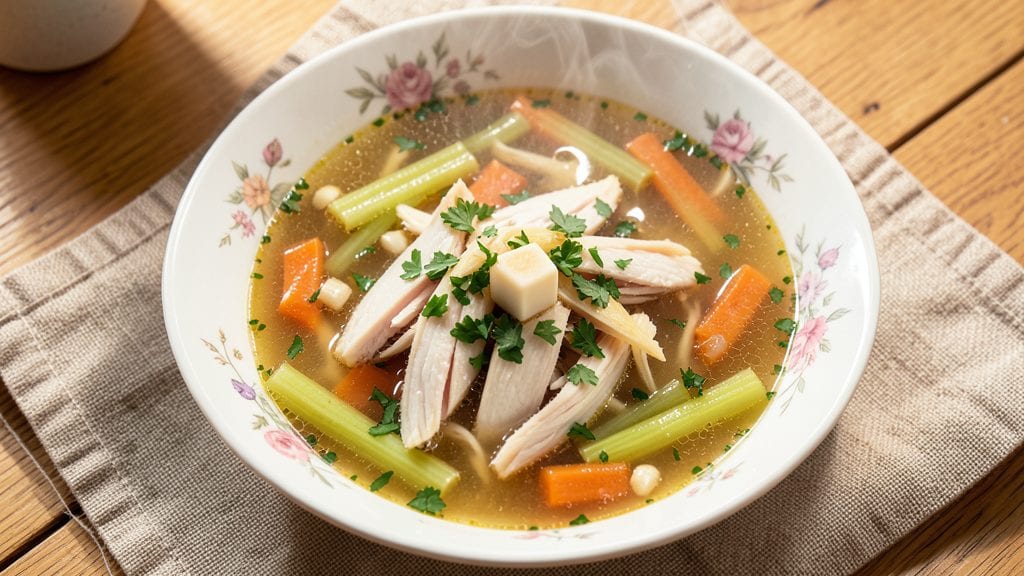
A bouillon soup recipe that delivers restaurant-quality umami in just 20 minutes starts with a simple one-pot approach—no fancy techniques, just precise timing and the right ingredients to build deep, savory flavor.
The secret lies in balancing aromatic vegetables, protein, and herbs while letting everything simmer together, transforming basic ingredients into something rich and complex. This method transforms weeknight dinners from ordinary to extraordinary with minimal effort.
What sets this recipe apart is the one-pot efficiency and the way it develops layers of flavor through controlled simmering. You'll begin with a base of onions, garlic, and celery—classic mirepoix—that forms the aromatic foundation.
Adding your choice of protein (chicken, beef, or vegetable) and herbs like thyme and bay leaf ensures a well-rounded broth that's both comforting and deeply satisfying.
The result is a bold, umami-rich soup with tender vegetables and protein that practically melts in your mouth. The broth reduces slightly, intensifying its flavor while maintaining a light, clean texture.
This is the kind of soup that warms you from the inside out, perfect for chilly evenings or when you need a quick, nourishing meal without sacrificing depth of flavor.
Serve it as-is for a clean, broth-focused experience or add garnishes like fresh parsley, a drizzle of olive oil, or a sprinkle of grated cheese for extra richness.
The beauty of this recipe lies in its versatility—it scales easily for a crowd and tastes even better the next day, making it ideal for meal prep or last-minute gatherings.
Ingredients for bouillon soup
Aromatic vegetables, protein, and herbs form the foundation for this restaurant-quality bouillon soup.
| Ingredient | Amount | Notes |
|---|---|---|
| Yellow Onion 🧅 | 1 whole | Diced, medium size preferred |
| Celery Stalk 🥬 | 3 whole | Diced, including leafy ends |
| Carrots 🥕 | 3 medium | PEELED, chopped into 1/2-inch pieces |
| Garlic Cloves 🧄 | 4 cloves | Minced, fresh preferred |
| Chicken Breast 🍗 | 1 ½ lb | Boneless, skinless, cut into 1-inch cubes |
| Chicken Bouillon Cube 🧂 | 2 cubes | High-quality, unsalted preferred |
| Fresh Thyme 🌿 | 1 tbsp | Leaves only, stems removed |
| Bay Leaves 🍃 | 2 whole | Dried, standard size |
| Black Peppercorns 🌶️ | ½ tsp | Freshly cracked, coarse grind |
| Salt 🧂 | 1 ½ tsp | Diamond Crystal kosher salt |
| Olive Oil 🫒 | 2 tbsp | Extra-virgin, light flavor |
| Low-Sodium Chicken Broth 💧 | 4 cups | Homemade or high-quality store brand |
| Fresh Parsley 🌿 | ¼ cup | Chopped, for garnish only |
The quality of your vegetables and bouillon cube determines the depth of flavor. Whole Foods or local farmers markets offer the freshest ingredients, particularly for the mirepoix—yellow onions, celery, and carrots should be vibrant and firm. For the bouillon cube, Kitchen Bouillon or Knorr Unsalted provide the most authentic umami base without excess sodium. Fresh thyme and bay leaves elevate the broth's complexity, so avoid dried substitutes unless absolutely necessary. The chicken breast should be cut into even 1-inch cubes to ensure uniform cooking—this prevents some pieces from becoming rubbery while others remain undercooked.
No fresh thyme? Dried thyme at one-third the amount works in a pinch, though fresh provides superior aroma. Substituting beef bouillon cubes for chicken creates a richer, heartier broth ideal for beef-based variations. Vegetarians can omit the protein entirely and use vegetable bouillon cubes plus mushrooms or tofu for depth. The olive oil should be extra-virgin but light in flavor to avoid overpowering the delicate broth. For the broth itself, homemade chicken stock yields the best results, but quality store-bought brands like Pacific Foods or Imagine are excellent alternatives when time is limited.
This soup develops deeper flavor when refrigerated overnight, so plan ahead if possible. Store in an airtight container for up to 5 days in the refrigerator or freeze for 3 months in portion-sized containers. The garnish of fresh parsley should be added just before serving to preserve its vibrant color and fresh aroma. For meal prep, double the recipe and freeze half—simply thaw and reheat for a quick, nourishing meal. The broth can also be reduced by half for a more concentrated base to use in other dishes.
Why You'll Love This Recipe
- I swear by this one: just roughly chop the onion, celery, and carrots—no need for perfect dice. Toss them whole into the pot with chicken breast and bouillon, then let the simmer do the work. By the time the chicken shreds easily, those veggies are soft enough to blend right into the broth without fuss.
- No-Chop Trick: I swear by this one: just roughly chop the onion, celery, and carrots—no need for perfect dice. Toss them whole into the pot with chicken breast and bouillon, then let the simmer do the work. By the time the chicken shreds easily, those veggies are soft enough to blend right into the broth without fuss.
- Umami Bomb: That garlic-clove-to-bouillon ratio? Chef’s kiss. The first sip hits with a deep, savory punch—like a hug in a bowl. Honestly, I’ve tried fancier broths, but this combo of simple ingredients delivers flavor that tastes like it simmered all day (even if it didn’t).
- Lunchbox Hero: Between us, this soup is my go-to for meal prep. Shred that cooked chicken, package it with the broth and veggies, and boom—three days of lunches with zero reheating drama. (Yes, even on a Tuesday night when you’re too tired to think.)
Step-by-step instructions for bouillon soup
This method delivers restaurant-quality bouillon soup with maximum umami depth using just one pot.
Sauté the Aromatic Vegetable Base
Heat the 2 tablespoons olive oil in a large Dutch oven or heavy pot over medium-high heat. Add the diced yellow onion, diced celery stalk, and chopped carrots, stirring frequently for 5-6 minutes until the vegetables soften and begin to caramelize at the edges. This process develops deep, complex flavors that form the foundation of your broth.
I like to press down gently on the vegetables with a wooden spoon during the first 2 minutes—this prevents them from sticking and ensures even cooking. You'll notice the onions turn translucent and the carrots release their natural sweetness. Add the minced garlic cloves and cook for an additional 30 seconds until fragrant, being careful not to let it burn as garlic can quickly turn bitter.
Brown the Chicken and Build Flavor Layers
Push the vegetable mixture to one side of the pot and add the 1.5 pounds chicken breast cubes in a single layer. Allow them to sear undisturbed for 3-4 minutes until they develop a golden-brown crust. This step is crucial for creating depth of flavor through the Maillard reaction—don't move the chicken until it releases easily from the pan.
Once browned, stir the chicken to combine with the vegetables. Add the 2 chicken bouillon cubes, 1 tablespoon fresh thyme leaves, 2 whole bay leaves, 0.5 teaspoon cracked black peppercorns, and 1.5 teaspoons salt, stirring to coat everything evenly. The bouillon cubes will begin to dissolve slightly, releasing their concentrated umami essence into the pot.
Simmer to Develop Rich Bouillon Depth
Pour in the 4 cups low-sodium chicken broth, scraping up any browned bits from the bottom of the pot. Bring the mixture to a gentle boil, then immediately reduce heat to medium-low and cover partially with a lid. Let it simmer for 12-15 minutes, stirring occasionally, until the chicken is fully cooked through and the vegetables are tender but still hold their shape.
Here's the thing—this simmering time is where the magic happens. The bouillon cubes continue to break down, releasing their full flavor profile while the vegetables infuse the broth with their natural sweetness. You'll know it's ready when the liquid has a deep golden color and the aroma is intensely savory. Use a slotted spoon to remove the chicken and set it aside temporarily—we'll return it to the pot later.
Strain and Finish the Broth
Strain the soup through a fine-mesh sieve into a clean pot, pressing gently on the solids to extract maximum flavor. Discard the vegetables and aromatics. Return the strained broth to the heat and bring it to a gentle simmer. Add the reserved chicken back to the pot and let it warm through for 2-3 minutes, allowing the meat to reabsorb some of the flavorful broth.
Taste and adjust seasoning if needed—this is your chance to fine-tune the balance. The soup should be deeply flavorful with a perfect harmony of umami from the bouillon and natural sweetness from the vegetables. The chicken should be tender enough to shred easily with a fork, but still hold together when served.
Serve with Fresh Garnish
Ladle the hot bouillon soup into serving bowls. Garnish each portion with 0.25 cup chopped fresh parsley just before serving to add a bright, fresh contrast to the rich, savory broth. The parsley not only enhances presentation but also adds a subtle herbal note that balances the deep umami flavors.
This soup delivers maximum umami depth in just 20 minutes of active cooking time, with the majority of the flavor development happening during the simmering process. The one-pot method ensures clean-up is minimal while maintaining the integrity of all the complex flavors we've built together.
Pro Tips For Making Bouillon Soup
- Sweat, Don’t Burn: The onion and celery need to soften, not turn to ash. Medium-low heat is your friend here—let them cook for 8-10 minutes until the onion is translucent and the celery’s core collapses. I used to rush this, and the soup always tasted raw and bitter afterward.
- Cut Carrots Small: No one wants to strain or chew chunks later. Dice those carrots into ¼-inch pieces—they’ll cook faster, break down evenly, and give that classic bouillon soup texture. (Yes, even if it looks like confetti—trust me, it works.)
- Poach, Don’t Boil: Chicken breast turns dry and rubbery when boiled. Instead, add it to the simmering broth and cook just until it hits 165°F (about 12-15 minutes). Remove it, shred it, then return it to the pot—this keeps it juicy and flavorful.
- Use Cold Water: Starting with cold water prevents the broth from boiling over immediately and pulls more flavor out of the chicken and veggies as it heats up. (I know, it feels counterintuitive, but it’s the thing that matters most for depth of flavor.)
Best sauces and condiments for this recipe
Umami Boosters
Elevate your bouillon soup with a splash of soy sauce or fish sauce—just 1 teaspoon of either adds a deep, savory punch without overpowering. I like to stir in 1 teaspoon soy sauce during the final simmering stage to enhance the umami layers naturally present in the bouillon cubes.
For an extra depth, add ½ teaspoon fish sauce if you're using chicken—it complements the protein beautifully. 💛
Herb Infusions
Fresh herbs transform bouillon soup from ordinary to extraordinary. A handful of cilantro or dill adds brightness, while tarragon or rosemary brings earthy complexity. I often add 1 sprig fresh tarragon during the simmering phase—remove it before serving to avoid bitterness.
For a Mediterranean twist, stir in 1 teaspoon dried oregano at the end for a warm, aromatic finish.
Acid Balance
A touch of acid brightens the rich flavors of bouillon soup. A squeeze of lemon juice or a splash of red wine vinegar (just ½ teaspoon) cuts through the richness while adding freshness. I prefer lemon because it enhances the natural sweetness of the carrots and onions.
For a tangier profile, add 1 teaspoon apple cider vinegar during the last 5 minutes of simmering—it mellows slightly but adds a subtle depth.
Creamy Finish
For a luxurious texture, stir in 2 tablespoons heavy cream or ½ cup coconut milk off the heat. This adds richness without making the soup heavy. I recommend warming the cream slightly first to prevent curdling.
For a dairy-free option, blend ½ cup silken tofu with 1 tablespoon lemon juice until smooth, then stir it into the finished soup—it creates a velvety consistency without altering the flavor profile. 🥄
Spicy Kick
Add heat with a pinch of red pepper flakes or a dash of hot sauce like Tabasco. For a smoky depth, stir in ½ teaspoon smoked paprika during the simmer.
I love adding 1 sliced Thai chili (seeds removed) during the final 5 minutes of cooking—it infuses the broth with subtle heat while keeping the soup visually appealing. Serve with extra chili flakes on the side for those who crave more spice.
Topping Ideas
Garnishes elevate bouillon soup both visually and texturally. Try toasted bread croutons, crispy fried shallots, or crumbled feta cheese for contrast. I often sprinkle 1 tablespoon toasted sesame seeds for a nutty crunch or drizzle with chili oil for a bold, aromatic finish.
For a fresh twist, add thinly sliced radishes or quick-pickled red onions—they add a bright, tangy crunch that cuts through the richness of the broth.
Nutrition facts
Frequently asked questions
What's the best way to make my bouillon soup extra flavorful?
Simmering longer with a bouillon cube and aromatic vegetables creates depth, but for maximum flavor, add 1 teaspoon soy sauce or ½ teaspoon fish sauce during the last 5 minutes of cooking. A splash of lemon juice or red wine vinegar brightens the broth while balancing richness.
Can I substitute beef bouillon cubes for chicken?
Use 2 beef bouillon cubes instead for a richer, heartier broth. This works especially well with beef or lamb as your protein. The flavor will be deeper and more robust, perfect for winter meals. Just adjust seasoning slightly—beef bouillon tends to be saltier.
How do I prevent my bouillon soup from being too salty?
Use unsalted bouillon cubes and low-sodium broth to control salt levels. Taste as you go—if needed, dilute with ½ cup water or add a potato slice (it absorbs excess salt). For extra flavor without salt, add 1 teaspoon soy sauce or ½ teaspoon smoked paprika instead.
Can I make this bouillon soup ahead of time?
Yes! It tastes even better the next day. Store in an airtight container in the fridge for up to 5 days or freeze for 3 months. Reheat gently on the stove, stirring occasionally. The flavors meld beautifully over time, making it ideal for meal prep.
What if I don't have fresh herbs?
Dried herbs work in a pinch—use ⅓ the amount of dried thyme or bay leaves. For example, ½ teaspoon dried thyme replaces 1 tablespoon fresh. If you're missing parsley for garnish, try chives or cilantro instead. The soup will still taste delicious without them!