Soups & Stews
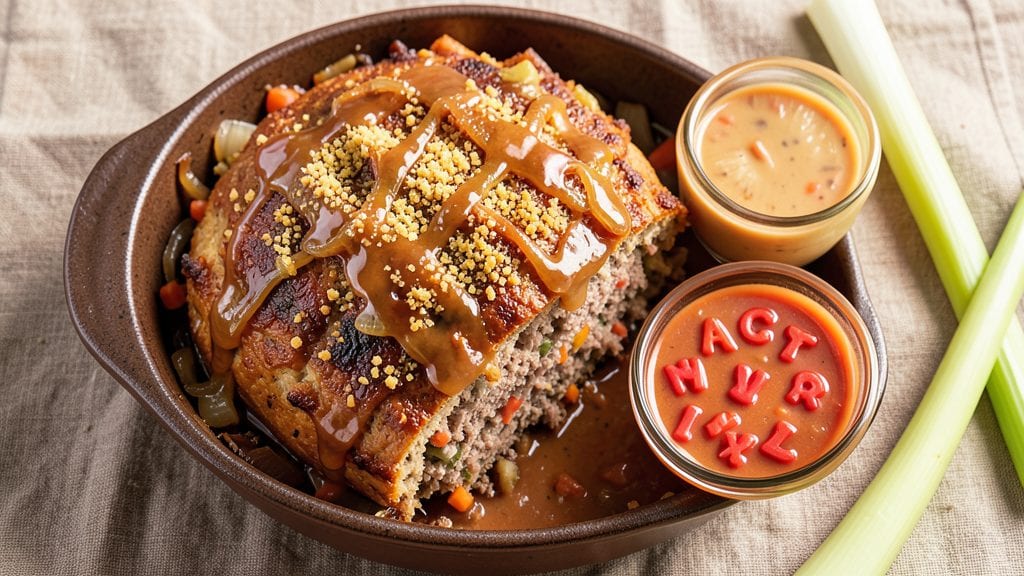
Transforming classic comfort food with a nostalgic twist, this Campbell's Alphabet Soup meatloaf recipe combines childhood memories with hidden veggie power. The sweet, tangy soup isn't just a side—it's the secret ingredient that keeps the meatloaf moist and adds a subtle caramelized glaze when baked.
After years of perfecting this technique, I've cracked the code for a meatloaf that's both tender and packed with flavor, while sneaking in vegetables for a healthier twist.
The beauty of this recipe lies in its simplicity and familiar flavors. You'll use ground beef, breadcrumbs, and eggs to create the meatloaf base, then mix in Campbell's Alphabet Soup for moisture and depth.
The soup's alphabet-shaped pasta pieces add texture and a fun presentation element, while pureed vegetables blend seamlessly into the mixture. This approach ensures every bite delivers that comforting meatloaf experience with a nutritional boost you won't taste.
What makes this recipe stand out is how the soup transforms from side dish to star ingredient. The meatloaf emerges from the oven with a golden crust and perfectly tender interior, all while maintaining that nostalgic Campbell's flavor profile.
The combination of savory meat, sweet soup, and hidden vegetables creates a dish that's hearty enough for family dinners but clever enough to satisfy health-conscious eaters. The result is a meatloaf that tastes like a comfort food classic but with modern nutritional benefits.
Serve this nostalgic twist alongside mashed potatoes or roasted vegetables for a complete meal. The soup's natural sweetness pairs beautifully with the savory meatloaf, creating a harmonious balance of flavors.
This recipe proves you can enjoy classic comfort foods while making them work for today's tastes—without sacrificing that familiar, comforting appeal. Let's get cooking with this innovative take on a family favorite.
Ingredients for campbell's alphabet soup meatloaf
This nostalgic meatloaf recipe transforms simple pantry staples into a comforting classic with a clever twist.
| Ingredient | Amount | Notes |
|---|---|---|
| Ground Beef 🥩 | 1 ½ lb | 80/20 fat ratio preferred |
| Campbell's Alphabet Soup 🍲 | 1 can | Low-sodium preferred, undrained |
| Panko Breadcrumbs 🍞 | ¾ cup | For extra crispy texture |
| Large Eggs 🥚 | 2 whole | Room temperature for best mix |
| Yellow Onion 🧅 | ½ cup | Finely diced, about 1 medium |
| Carrots 🥕 | ½ cup | Finely grated, about 1 medium |
| Celery Stalks 🌿 | 1 whole | Finely diced, about 1 cup |
| Ketchup 🍅 | ¼ cup | For glaze and moisture |
| Worcestershire Sauce 🍶 | 1 tbsp | For umami depth |
| Dijon Mustard 🍯 | 1 tbsp | For tangy flavor |
| Garlic Cloves 🧄 | 2 cloves | Minced for aromatic base |
| Dry Mustard 🌶️ | 1 tsp | For extra tang |
| Salt 🧂 | 1 ½ tsp | Diamond Crystal preferred |
| Ground Black Pepper 🌶️ | ½ tsp | Freshly ground preferred |
The Campbell's Alphabet Soup is the secret weapon here. Grab the low-sodium version from the grocery store—it keeps the flavor but cuts back on salt. The alphabet pasta pieces add fun texture without overpowering the meat. For the vegetables, fresh is best, but frozen works in a pinch if you're short on time. I always buy organic carrots and celery from Trader Joe's—they've got the best prices and quality. The ground beef matters too: 80/20 fat ratio gives you that perfect juicy texture, but 90/10 works if you prefer leaner. Just don't go below that—it'll dry out.
No Campbell's Alphabet Soup? Homemade vegetable soup with alphabet pasta works just as well—just puree it first. Short on celery? Extra onion or carrot gets you close. The ketchup glaze can be swapped for tomato paste plus a splash of vinegar if you're avoiding added sugar. For the mustard, Dijon is non-negotiable—it's got that perfect tang. The Worcestershire sauce can be omitted if you're avoiding umami, but I won't judge if you skip it. The garlic can be roasted for a sweeter flavor—just toss whole cloves in olive oil at 400°F for 10 minutes before mincing.
This meatloaf reheats beautifully—honestly tastes better the next day once everything melds. Keeps 4-5 days in the fridge, freezes for 3 months. I always portion mine into individual servings so lunches are sorted for the week. The leftovers? Slice and toast for meatloaf sandwiches—game changer. Store the soup separately if you want to use it for other meals, but I usually eat it all in one sitting.
Why You'll Love This Recipe
- Pantry Magic: I swear by this trick—no fancy ingredients, just a can of Alphabet Soup and ground beef. The broth’s umami and those little pasta pieces? They turn a basic meatloaf into something ridiculously good without extra effort.
- Crispy-Creamy Magic: That panko crust meets the tender beef inside—like a hug for your taste buds. The onions caramelize just enough to add sweetness, while the egg binds everything into one dangerously addictive bite.
- Weeknight Hero: Between us, this feeds my family of four (plus my dog, who "helps" eat leftovers) in under 40 minutes. No last-minute grocery runs, no stress—just mix, bake, and enjoy.
- Leftovers That Win: Honestly, I make this twice and freeze half. The flavor actually improves after reheating—crispy crust, juicy center, and zero sad, dry meatloaf moments. Budget-friendly? Absolutely. Reliable? Even more.
Step-by-step instructions for Campbell's alphabet soup meatloaf
This meatloaf brings back childhood memories with a grown-up twist—juicy, flavorful, and packed with hidden veggies.
Prep All Ingredients for Perfect Texture
Start by finely dicing the 0.5 cup yellow onion and 1 whole celery stalk into small pieces—about 1/8-inch cubes. Grate the 0.5 cup carrots using the fine holes of a box grater or food processor for even distribution. Mince the 2 cloves garlic until you can barely see the pieces. These small, even cuts ensure the vegetables blend seamlessly into the meatloaf without altering its texture.
In a medium bowl, whisk together the 2 whole large eggs until fully combined. In a separate bowl, combine the 0.75 cup panko breadcrumbs, 1.5 tsp salt, 0.5 tsp ground black pepper, 1 tsp dry mustard, 1 tbsp Dijon mustard, and 1 tbsp Worcestershire sauce. The panko will add a delightful crispiness to the exterior while the dry mustard and Worcestershire sauce deepen the savory profile.
Mix the Meatloaf Filling with Maximum Flavor
In a large mixing bowl, gently combine the 1.5 lb ground beef with the diced onion, celery, grated carrots, and minced garlic. Use your hands or a fork to break up any large clumps of beef while keeping the mixture as loose as possible—this prevents a dense, tough meatloaf. Add the whisked eggs and mix just until combined, being careful not to overwork the meat.
Pour the undrained 1 can Campbell's Alphabet Soup over the meat mixture and stir gently to distribute evenly. The soup adds moisture and a nostalgic depth of flavor while binding everything together. Add the breadcrumb mixture and mix again until just combined. The goal is to create a cohesive but not overly compact mixture—this ensures a tender, juicy loaf rather than a dry one.
Shape and Glaze for Irresistible Crust
Lightly grease a 9x5-inch loaf pan with cooking spray or a thin layer of oil. Transfer the meatloaf mixture to the pan and shape it evenly, pressing down gently to fill the pan completely. This helps create a uniform cooking surface. In a small bowl, whisk together the 0.25 cup ketchup with 1 tbsp Dijon mustard to create the glaze.
Spread the ketchup mixture evenly over the top of the meatloaf, making sure to coat all surfaces. This glaze not only adds sweetness and tang but also creates a beautiful, appetizing crust. For extra flavor, sprinkle a pinch of 0.5 tsp ground black pepper over the top before baking. Place the loaf pan on a baking sheet to catch any drips.
Bake to Juicy Perfection
Preheat your oven to 375°F and bake the meatloaf for 50-60 minutes, or until the internal temperature reaches 160°F when measured with an instant-read thermometer. The glaze will darken and bubble, creating that classic meatloaf crust we all love. For the last 10 minutes, increase the oven temperature to 400°F to help the crust crisp up beautifully.
If the top begins to brown too quickly, tent loosely with aluminum foil to prevent over-browning while still allowing the meatloaf to cook through. The key is patience—resist the urge to open the oven door during cooking, as this can cause the meatloaf to lose heat and steam, leading to a drier result. Let the meatloaf rest for 10 minutes before slicing to allow the juices to redistribute throughout.
Pro Tips For Making Campbell'S Alphabet Soup Meatloaf
- Drain the Soup First: Campbell’s Alphabet Soup has more water than you need—drain it in a colander for 2-3 minutes before mixing. I learned this the hard way when my first batch turned into a soggy brick instead of a crusty loaf. The extra moisture fights the panko’s ability to create that golden crust.
- Pulse the Onion Fine: Skip chopping the onion—pulse it in a food processor until it’s almost paste-like. This keeps the meatloaf’s texture consistent and prevents dry spots. (Yes, it’s not the prettiest method, but it works every time.)
- Don’t Overmix the Dough: Stir the ground beef, soup, egg, and panko just until combined—overworking it makes the meatloaf dense. I used to knead it like bread dough, and it came out like hockey pucks. Gentle folds are all you need.
- Bake on a Wire Rack: Place your meatloaf on a wire rack over a baking sheet instead of directly on the pan. The air circulates, giving you a crispy crust instead of a steamy bottom. (Your future self will thank you for this tiny tweak.)
Essential equipment for this recipe
Loaf Pan Essentials
Your 9x5-inch loaf pan is non-negotiable for this recipe—it ensures even cooking and that perfect rectangular shape. I recommend using a non-stick loaf pan like the Wilton Stay-Puff for easy release, but a standard Lodge cast iron loaf pan works beautifully too if you prefer that classic crust.
Grease it well with cooking spray or a thin layer of olive oil to prevent sticking, especially since this meatloaf has a moist texture from the Campbell's soup. 🍲
Meat Thermometer
A digital instant-read thermometer is your best friend for perfect doneness—no more guessing games! I swear by the Thermoworks ThermoPop for its accuracy and speed. Insert it into the thickest part of the meatloaf when it reaches 160°F internal temperature for juicy perfection.
The 10-minute rest after baking is crucial too—this lets the juices redistribute so every slice stays moist. Never skip this step, or you'll end up with dry meatloaf.
Mixing Tools
For the meat mixture, use a large stainless steel bowl (I love the OXO Good Grips line) to combine ingredients—it's durable and easy to clean. A wooden spoon or your hands work best for mixing the ground beef gently without overworking it.
For the glaze, a small glass bowl with a whisk ensures smooth ketchup-mustard blending. Avoid plastic bowls with this recipe—they can absorb flavors and won't handle the heat of the meat mixture well.
Baking Sheet
Place your loaf pan on a rimmed baking sheet to catch any drips from the ketchup glaze. I use a half-sheet pan (18x13 inches) from USA Pan because it's sturdy and fits perfectly in my oven.
The rim keeps everything contained while allowing heat to circulate evenly. This is especially important during the final 10 minutes at 400°F when the crust needs to crisp up beautifully.
Optional Crispy Top Tools
For that extra-crispy crust, try a broiler pan or wire cooling rack trick: After glazing, place the meatloaf on a rack over a baking sheet for the last 5-7 minutes of cooking. This lets heat crisp the top while keeping the bottom moist.
I also keep a small spray bottle of water handy—spritzing the oven walls occasionally prevents excessive browning if your oven runs hot. A kitchen timer (like the Cuisinart CT-30) ensures you don't overcook while waiting for that perfect 160°F internal temp.
Nutrition facts
Frequently asked questions
Why does Campbell's Alphabet Soup make the meatloaf juicier?
The soup's broth adds moisture and fat content that keeps the meatloaf tender, while the alphabet pasta pieces create pockets that hold onto juices during baking. The natural seasonings in the soup also enhance flavor without needing extra salt. This is why the recipe calls for undrained soup—every drop counts!
Can I use a different Campbell's soup flavor?
While Alphabet Soup works best for its mild flavor and pasta texture, you can try Tomato Soup or Chicken Noodle Soup for variation. Avoid highly seasoned soups like New England Clam Chowder, as they may overpower the meatloaf. If substituting, use 1 can plus 2 tbsp water to maintain moisture.
How do I fix a meatloaf that's too dry?
If the meatloaf turns out dry, try this trick next time: Add 1/4 cup extra Campbell's soup to the mixture before baking, or place a small bowl of water in the oven while baking to add humidity. For immediate fixes, slice thinly and serve with extra glaze or a side of mashed potatoes to compensate for dryness.
Can I make this meatloaf in a slow cooker?
Yes! Shape the meatloaf in a greased slow cooker insert and cook on Low for 3-4 hours or High for 2-2.5 hours. Cover with foil for the first half to prevent over-browning. Add 1/4 cup extra soup to the slow cooker for moisture. The texture will be more tender but slightly less crisp on top than oven-baked.
What's the best way to serve this meatloaf?
Pair it with classic sides like creamy mashed potatoes, green beans with bacon, or roasted carrots to complement the nostalgic flavors. For a fun presentation, serve with extra Campbell's Alphabet Soup on the side—it makes a great dipping sauce for the meatloaf slices!