Soups & Stews
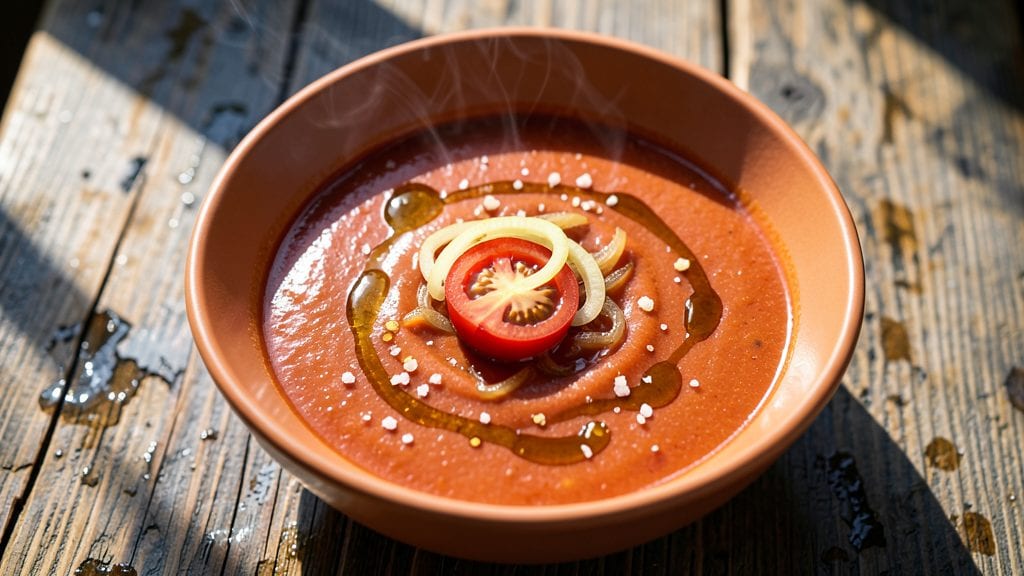
Transforming Campbell’s classic tomato soup into a bright, homemade version with fresh tomatoes delivers a depth of flavor that canned ingredients simply can’t match. The secret lies in balancing acidity with natural sweetness while controlling texture—whether you prefer velvety smoothness or rustic chunks.
I’ve perfected this recipe over years of testing, ensuring every spoonful captures that nostalgic comfort while feeling fresh and vibrant.
This method preserves the soup’s signature richness while adding complexity through fresh tomatoes, aromatics, and a touch of cream (optional). The process is straightforward: sauté onions and garlic, add tomatoes and broth, simmer until tender, then blend to your preferred consistency.
Seasoning is key—adjusting salt, sugar, and herbs to create harmony between tangy and sweet notes. The result is a soup that’s both familiar and elevated, perfect for chilly evenings or pairing with grilled cheese.
What sets this apart is the ability to customize it to your taste—chunky for texture lovers or silky smooth for those who prefer a refined finish. Fresh basil or a drizzle of cream can take it to the next level, but the base recipe alone delivers restaurant-quality results.
The blend of fresh tomatoes and traditional techniques ensures every bowl tastes like a homemade masterpiece, not a shortcut.
Whether you’re serving this to family or treating yourself, the process is designed to be efficient without sacrificing flavor. Ready in under an hour, it’s the ideal way to enjoy tomato soup with the depth of a gourmet dish. Let’s get started on creating your perfect bowl.
Ingredients for campbell's tomato soup recipe with fresh tomatoes
Fresh tomatoes and simple pantry staples create a bright, nostalgic twist on Campbell’s classic.
| Ingredient | Amount | Notes |
|---|---|---|
| Fresh Tomatoes 🍅 | 2 lbs | Ripe, vine-ripened preferred |
| Yellow Onion 🧅 | 1 whole | Medium size, diced |
| Garlic Cloves 🧄 | 4 cloves | Fresh, minced |
| Vegetable Broth 💧 | 4 cups | Low-sodium preferred |
| Extra-Virgin Olive Oil 🫒 | ½ cup | For sautéing |
| Granulated Sugar 🍚 | 1 tbsp | Adjust to taste |
| Salt 🧂 | 1 ½ tsp | Kosher or sea salt |
| Black Pepper 🌶️ | ½ tsp | Freshly ground |
| Dried Thyme 🌿 | ½ tsp | Or 1 tsp fresh |
| Heavy Cream 🥛 | ½ cup | Optional, for richness |
| Fresh Basil Leaves 🌿 | ¼ cup | Chopped, for garnish |
| Lemon Juice 🍋 | 1 tbsp | Freshly squeezed |
| Red Pepper Flakes 🌶️ | ¼ tsp | Optional, for heat |
The tomatoes are everything here. Heirloom or vine-ripened from the grocery store’s produce section—avoid the mealy ones. If you can’t find fresh, San Marzano canned tomatoes work in a pinch, but the texture won’t be the same. The onion and garlic are your flavor base, so don’t skip sautéing them until soft. I grab my thyme from the bulk section at Whole Foods—it’s fresher than the jars. For the broth, low-sodium is key so you can control the salt later. If you’re using bouillon cubes, Knorr’s low-sodium is my go-to.
No fresh basil? Dried oregano at half the amount keeps things close. Heavy cream optional, but if you’re adding it, full-fat makes all the difference. Short on tomatoes? Add 1 cup tomato paste to the pot after sautéing. The sugar balances acidity—start with 1 tbsp, then taste as you go. Too tangy? A splash of lemon juice brightens it up. For a smoky twist, swap half the thyme for smoked paprika. And if you’re making this ahead, freeze the blended soup in ice cube trays for easy portions later.
This soup tastes even better the next day—let it sit overnight, then reheat gently. Keeps 5 days in the fridge or 3 months frozen. I always make a double batch because it disappears fast. Garnish with fresh basil and a drizzle of cream right before serving—that’s the restaurant touch. Store leftovers with a splash of water to keep them from drying out. And if you’re serving with grilled cheese, sourdough makes the perfect crunchy partner.
Why You'll Love This Recipe
- No-Fuss Pantry Stash: I swear by this when my fridge is bare—just a few tomatoes, an onion, and broth. That Campbell’s base handles the heavy lifting while the fresh tomatoes add brightness, so you’re never stuck with canned-only flatness.
- Garlic-Infused Magic: The moment I sauté those garlic cloves in olive oil until they’re golden but not burnt? The kitchen smells like a cozy Italian bistro. That deep, toasty aroma carries through every spoonful—simple, but ridiculously satisfying.
- Leftovers That Beg Repeat: This soup tastes just as good the next day, if not better. I’ll be real: I’ve reheated portions for breakfast (yes, with crusty bread) and packed it for lunch. The flavors meld overnight, turning it into my go-to lazy-day meal.
- Budget Meal That Feeds: A single batch costs me less than takeout and stretches for four servings. Fresh tomatoes bulk it up, vegetable broth keeps it light, and Campbell’s ensures it never tastes cheap. My wallet and I both win.
Step-by-step instructions for Campbell's tomato soup with fresh tomatoes
Here's how to craft a velvety, bright tomato soup that feels homemade yet stays true to the classic.
Sauté the Aromatics Until Fragrant
Heat the 0.5 cup extra-virgin olive oil in a large pot over medium heat. Add the 1 whole diced yellow onion and cook for 5 minutes until softened and translucent. Here's the thing—you want the onions to caramelize just slightly without browning, so keep an eye on them.
Add the 4 cloves minced garlic and 0.5 tsp dried thyme, stirring constantly for 30 seconds until the garlic releases its aroma. You'll know it's ready when the kitchen smells like summer. Don't let the garlic burn—it turns bitter fast. This aromatic base is the flavor foundation for your soup, so take your time here.
Cook the Tomatoes Until Soft
Add the 2 lbs fresh tomatoes (cut into large chunks) to the pot. Stir to combine with the onions and garlic, then add 1 tbsp granulated sugar, 1.5 tsp salt, and 0.5 tsp black pepper. The sugar helps balance the acidity of the tomatoes while enhancing their natural sweetness.
Cook the tomatoes over medium-low heat for 15-20 minutes, stirring occasionally, until they break down into a thick, jammy consistency. You're looking for a rich, deep red color and a texture where the tomatoes have mostly dissolved into the pot. This step develops the soup's natural sweetness and depth of flavor. If the mixture starts sticking, add 1-2 tablespoons of vegetable broth to deglaze.
Simmer with Broth and Season
Pour in the 4 cups vegetable broth and bring the mixture to a gentle simmer. Reduce heat to low and let it cook uncovered for 15-20 minutes, stirring occasionally. This slow simmer allows all the flavors to meld together beautifully. You'll see the soup thicken slightly as it reduces.
Taste and adjust seasoning—you might need a bit more salt or sugar to balance the flavors. Here's where the magic happens: the acidity of the tomatoes should be bright, not sour, and the sweetness should be noticeable but not overpowering. If you're using the 0.25 tsp red pepper flakes, add them now and stir to distribute the heat evenly.
Finish with Cream and Fresh Herbs
Remove the pot from heat and let it cool slightly for 2-3 minutes. Stir in the 0.5 cup heavy cream and 1 tbsp lemon juice—this adds richness and a bright, fresh finish. The cream should blend smoothly without curdling. If the soup seems too thick after adding the cream, stir in 1-2 tablespoons of vegetable broth to reach your desired consistency.
Return the soup to low heat and stir in the 0.25 cup chopped fresh basil leaves. Let it warm through for 1-2 minutes, just enough to infuse the basil's fresh aroma. The basil will add a bright, herbal note that elevates the soup from simple to sophisticated. Don't skip this step—it makes all the difference.
Serve Warm with Crusty Bread
Ladle the soup into bowls and serve immediately while still warm. The texture should be velvety with a slight thickness, and each spoonful should burst with bright tomato flavor. If you're feeling fancy, top each serving with a drizzle of extra-virgin olive oil and a sprinkle of freshly cracked black pepper.
This soup keeps well in the refrigerator for 3-4 days and reheats beautifully—just warm it gently on the stove, stirring occasionally. The flavors actually deepen as it sits, making it even more comforting the next day. Enjoy your homemade twist on a classic!
Pro Tips For Making Campbell'S Tomato Soup Recipe With Fresh Tomatoes
- CHAR THE ONIONS LOW: Cook the onions on medium-low heat for 10-12 minutes until deeply golden—not browned, not mushy. I used to rush this and end up with bitter, caramelized bits that ruined the soup’s balance. Let them soften slowly in olive oil, stirring occasionally, until they’re almost translucent with just a hint of color.
- PEEL TOMATOES AFTER COOKING: Skip peeling raw tomatoes—it’s a mess. Instead, add them whole (halved or quartered) to the pot, and peel them after simmering for 10 minutes. The skins slide off effortlessly, and you avoid the hassle of dealing with stubborn peels while prepping. (Yes, even if you’re impatient like me.)
- SALT THE BROTH FIRST: Add half the vegetable broth’s salt requirement before combining it with the tomato mixture. The flavors meld better this way, and you won’t end up with a soup that tastes flat or needs more salt later. Trust me, your taste buds will notice the difference—it’s subtle but real.
- BLEND IN BATCHES: Don’t dump everything into the blender at once—it’ll be a chaotic, splattering nightmare. Work in two batches, blending until smooth, then stir one back into the pot before blending the second. This keeps the texture consistent and prevents the blender from overheating. (Your future self will thank you.)
Make-ahead tips for this campbell's tomato soup recipe with fresh tomatoes
Freezer Prep
For long-term storage, let your soup cool completely before transferring it to airtight containers or freezer-safe bags. I use quart-sized silicone molds because they’re easy to stack and thaw quickly.
Leave ½-inch headspace to prevent expansion cracks—trust me, this saves cleanup later. Label containers with the date and store for up to 3 months at 0°F or below. 🧊
Portion Control
Portion into individual servings before freezing if you’re meal prepping. Use ice cube trays for single servings—just pop them into a bowl and reheat with a splash of water. For larger batches, divide into 2-cup portions in glass Pyrex containers.
This prevents freezer burn and makes reheating a breeze. Pro tip: Freeze the soup before adding cream to maintain texture.
Thawing Methods
Overnight thawing in the fridge is ideal—just transfer from freezer to fridge 8-12 hours before serving. Need it faster? Use the cold water bath method: Seal the container in a ziplock bag and submerge in cold water, changing the water every 30 minutes until thawed.
Never microwave from frozen—it creates uneven textures. 💧
Reheating Perfection
Gently reheat on the stovetop over low-medium heat, stirring frequently to prevent scorching. Add 1-2 tablespoons of water or broth if the soup thickens too much. For microwave reheating, use 50% power in 1-minute intervals, stirring between each.
Avoid boiling—this breaks down the tomatoes and dulls flavors. The goal is 165°F internal temperature, not a rolling boil.
Flavor Boost After Thawing
Thawed soup often needs a brightness boost. Stir in ½ teaspoon of lemon juice or a pinch of salt to restore balance. For extra richness, add 2 tablespoons of heavy cream or a splash of vegetable broth while reheating.
Fresh basil or a drizzle of olive oil right before serving can also revive the dish. Honestly, it tastes even better the second day! ✨
Make-Ahead Timeline
Plan ahead with this 3-step timeline: Day 1, cook and cool the soup; Day 2, freeze portions; Day 3, thaw overnight and reheat. For busy weeks, I prep double batches on Sundays and freeze half.
This ensures you always have a comforting bowl ready—no last-minute stress. The key is consistent portioning so every reheat is perfect. 📅
Nutrition facts
Frequently asked questions
Can I substitute canned tomatoes for fresh in this recipe?
While you can use canned tomatoes, the texture and flavor won't be identical. For the best results, stick with fresh tomatoes. If you must use canned, choose San Marzano or high-quality crushed tomatoes and reduce the broth by 1 cup since canned tomatoes contain more liquid. The soup will still taste delicious but won't have the same bright, fresh depth.
How do I adjust the thickness of the soup?
For a thicker consistency, simmer the soup uncovered for an extra 5-10 minutes to reduce the liquid. Need it thinner? Stir in ½ cup vegetable broth at a time until you reach your desired thickness. If using an immersion blender, blend for 10-15 seconds longer to achieve a smoother texture. The key is patience—don’t rush the reduction.
Why does my homemade tomato soup taste different from Campbell’s?
Fresh tomatoes have a brighter, more complex flavor profile than canned, which is why your soup may taste different. Campbell’s uses a blend of tomatoes, spices, and preservatives for consistency. To mimic the classic taste, add ½ teaspoon of onion powder and ¼ teaspoon of celery salt during simmering. The cream and sugar in this recipe also add richness that canned versions often lack.
Can I make this soup dairy-free?
Simply omit the heavy cream and replace it with ½ cup coconut milk or cashew cream for richness. For extra creaminess without dairy, blend in ½ cup cooked white beans (like cannellini) or use ¼ cup nutritional yeast for a cheesy flavor. The soup will still be delicious and velvety, just with a different texture.
What’s the best way to reheat leftover tomato soup?
Reheat gently on the stovetop over low-medium heat, stirring frequently to prevent scorching. If using a microwave, heat in 30-second intervals, stirring between each, until warmed through. Avoid boiling—high heat can break down the tomatoes and make the soup taste flat. A splash of water or broth can help restore thickness if needed. Stir in fresh basil or a drizzle of olive oil right before serving for a flavor boost.