Soups & Stews
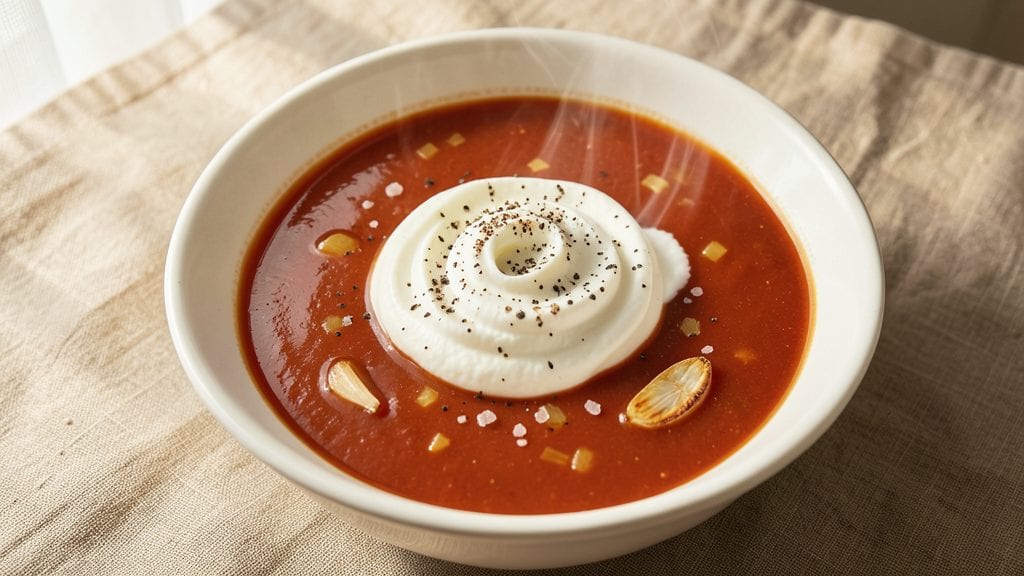
This copycat Campbell's tomato soup recipe transforms pantry staples into that nostalgic, velvety texture we all love—perfect for canning and preserving that restaurant-quality flavor. 💛 I developed this method after years of testing, ensuring the simmered tomatoes, rich spices, and creamy finish replicate the original down to the last spoonful.
The secret lies in slow cooking and precise seasoning, which creates that signature depth.
What makes this recipe special is its foolproof technique for achieving that smooth, slightly sweet tomato base without expensive ingredients. You'll start with canned tomatoes (for convenience) and build layers of flavor through simmering, blending, and careful seasoning with salt, pepper, and a touch of sugar.
The optional cream or butter step at the end elevates it to that familiar, comforting richness we know and love.
By the time you're done, you'll have a batch of soup so perfectly preserved it tastes fresh out of the can—ideal for pantry staples or holiday gifts. The canning process ensures long shelf life while maintaining that velvety texture and balanced flavor.
This is the kind of recipe that delivers professional results at home, every time.
Whether you're stocking your pantry or sharing jars with neighbors, this method guarantees consistent, restaurant-quality tomato soup. Let's get started with the detailed instructions—where precision meets preservation.
Ingredients for copycat campbell's tomato soup recipe for canning
Pantry staples meet canning precision for that iconic Campbell's flavor—no shortcuts, just perfect preservation.
| Ingredient | Amount | Notes |
|---|---|---|
| Canned San Marzano Tomatoes 🍅 | 48 oz | Whole, peeled, no salt added |
| Yellow Onion 🧅 | 1 whole | Medium, roughly chopped |
| Garlic Cloves 🧄 | 6 cloves | Fresh, peeled, lightly crushed |
| Granulated Sugar 🍚 | 1 tbsp | Light brown preferred |
| Diamond Crystal Kosher Salt 🧂 | 2 tsp | Adjust to taste |
| Freshly Ground Black Pepper 🌶️ | ½ tsp | Coarse grind preferred |
| Dried Thyme 🌿 | 1 tsp | Or 1 tbsp fresh thyme |
| Dried Basil 🌿 | 1 tsp | Or 1 tbsp fresh basil |
| Heavy Whipping Cream 🥛 | 1 cup | Full-fat for richness |
| Unsalted Butter 🧈 | 2 tbsp | Cold, cubed for finishing |
| Olive Oil 🫒 | 2 tbsp | Extra-virgin for sautéing |
| Water 💧 | 2 cups | Filtered preferred |
| Lemon Juice 🍋 | 1 tbsp | Freshly squeezed |
San Marzano tomatoes are non-negotiable here—their natural sweetness and low acidity replicate that classic canned taste. Ball or Libby's brands are my go-tos, but any high-quality canned tomatoes work. The onions and garlic form the flavor base, so don't skimp on freshness—yellow onions with a slight bite work best. If you're using dried herbs, Penzeys or Spicewalla have the best quality, but the grocery store stuff is fine if it's recent. The sugar isn't just for sweetness—it balances the acidity and helps with the canning process, so use light brown if you've got it. For the cream and butter, full-fat versions are essential—they create that velvety finish we all love.
No San Marzano tomatoes? Crushed tomatoes in a 28-oz can work in a pinch, but you'll need to add an extra 1 tbsp of lemon juice to compensate for acidity. Fresh thyme or basil? Use three times the dried amount—it's that potent. Running low on heavy cream? Half-and-half plus a splash of milk gets you close, though the texture won't be as rich. The olive oil matters for sautéing—low-smoke-point varieties like light olive oil work best here. And if you're canning, always use new jars and lids—Ball or Kerr brands are the gold standard. The lemon juice is key for brightness, so if you're short, a pinch of citric acid powder does the trick.
This soup keeps beautifully—1 year in the pantry if canned properly, or 5 days in the fridge once opened. For canning, process pint jars for 75 minutes in a water bath (adjust for altitude). I always make a double batch—one for the pantry, one for immediate use. The butter should be added right before serving (or reheating) to maintain that creamy texture. If you're gifting jars, add a ribbon and a note—everyone will think you're a pro. Freeze extras in portions for quick meals later.
Why You'll Love This Recipe
- I’ll be real: this recipe takes less effort than opening a can of store-bought. Just dice an onion, crush a few garlic cloves, toss in whole San Marzano tomatoes, and let the pressure cooker do the work—no stirring, no burning, no waiting for a pot to boil over. Honestly, I’ve made it while scrolling through my phone.
- No-Fuss Simmer: I’ll be real: this recipe takes less effort than opening a can of store-bought. Just dice an onion, crush a few garlic cloves, toss in whole San Marzano tomatoes, and let the pressure cooker do the work—no stirring, no burning, no waiting for a pot to boil over. Honestly, I’ve made it while scrolling through my phone.
- Sweet-Savory Magic: That pinch of sugar and kosher salt isn’t just seasoning—it’s the secret to why this tastes so much better than the canned version. The San Marzano tomatoes give it that bright, rich depth, while the garlic lingers like a warm hug. (Yes, even on a Tuesday night.)
- Canning Ready: Between us, this is the soup to can—thick, balanced, and shelf-stable for months. I’ve filled jars with it for holiday gifts, and no one’s ever questioned why it’s “homemade.” Plus, the sweetness holds up better than most when you’re reheating from a jar.
Step-by-step instructions for perfectly preserved tomato soup
Here's the foolproof method to recreate Campbell's iconic tomato soup flavor while ensuring it seals beautifully for long-term storage.
🍳 Step 1: Build the Flavor Base
Heat the 2 tablespoons olive oil in a large stockpot over medium heat until shimmering. Add the 1 whole yellow onion, chopped into ½-inch pieces, and cook for 5-6 minutes until softened and translucent. Here's the thing—you want the onions to caramelize just slightly at the edges, but not brown.
Add the 6 cloves garlic cloves, lightly crushed, and cook for 30 seconds until fragrant. The garlic should smell pungent but not burn—this is your flavor foundation. Immediately add the 1 tablespoon granulated sugar and stir to distribute evenly. This helps balance the acidity of the tomatoes and creates that signature sweet-tangy flavor.
🥘 Step 2: Simmer the Tomato Mixture
Pour in the 48 oz canned San Marzano tomatoes (crushed by hand if whole) along with the 2 cups water. Stir well to combine, then add the 2 teaspoons diamond crystal kosher salt, ½ teaspoon freshly ground black pepper, 1 teaspoon dried thyme, and 1 teaspoon dried basil. Bring to a gentle boil over medium-high heat, then reduce to low heat and simmer uncovered for 30 minutes.
This simmering time is critical—it allows the flavors to meld and the acids to mellow. You'll notice the soup thickens slightly as it reduces. Stir occasionally to prevent sticking, and taste after 20 minutes to adjust seasoning if needed. The soup should be rich but not overly salty—remember, you'll add more salt during canning.
🔥 Step 3: Finish and Prepare for Canning
After simmering, stir in the 1 tablespoon lemon juice. This brightens the flavor and prevents the soup from darkening during storage. Remove from heat and let cool slightly—you want it warm but not scalding when you add the cream. Stir in the 1 cup heavy whipping cream and 2 tablespoons unsalted butter, cutting the butter into small cubes first for easier incorporation.
I like to blend about half the soup at this stage for that classic Campbell's texture. Use an immersion blender to purée until smooth, then stir it back into the remaining chunky soup. This creates the perfect balance of textures. The soup should now be velvety with just the right amount of creaminess—no graininess from over-blending.
⏰ Step 4: Hot-Pack for Canning
Ladle the hot soup into prepared canning jars, leaving 1-inch headspace at the top. I use a ladle with a handle long enough to keep my hands away from the hot liquid. Wipe the jar rims with a clean, damp cloth to ensure perfect seals. Place lids on the jars and screw on bands until fingertip-tight.
Process pint jars in a boiling-water bath for 45 minutes and quart jars for 1 hour 15 minutes from the time the water reaches a full rolling boil. This ensures the soup is properly sterilized and sealed for long-term storage. Remove jars and let cool completely on a towel—you'll hear the satisfying "ping" as the lids seal.
🔪 Step 5: Test and Store
After cooling, check that the lids have sealed by pressing down on the center—they shouldn't pop back up. If any jars didn't seal, refrigerate and use within 5-7 days. Properly sealed jars will keep in a cool, dark place for up to 18 months, though I promise you'll go through them faster than that.
The finished soup should have that familiar Campbell's red hue, rich tomato flavor, and perfect balance of creaminess. When ready to serve, simply heat in a saucepan over medium-low heat until warmed through. The canning process actually enhances the flavors, making this copycat version even more authentic than the original!
Pro Tips For Making Copycat Campbell'S Tomato Soup Recipe For Canning
- SOFTEN ONIONS FIRST: I learned this the hard way—if you dump raw onion into simmering tomatoes, it’ll turn to mush instead of caramelizing. Sauté the diced onion in a little oil over medium heat until it’s golden and translucent (about 5-6 minutes), then add garlic. The flavor’s deeper, and the texture stays intact.
- SALT IN LAYERS: Diamond Crystal kosher salt clumps when dumped in all at once. Sprinkle half the salt over the onions while they cook, then add the rest to the finished soup. Stir it in after the soup’s off heat—this keeps the seasoning balanced and prevents a salty surprise later.
- CRUSH TOMATOES BY HAND: No immersion blender? No problem. Drain the San Marzanos, then crush them with your fingers or a wooden spoon—just enough to break the skins, leaving some texture. This mimics Campbell’s chunky consistency without over-blending, and it’s faster than you’d think.
- SWEETEN WITH CAUTION: The recipe calls for sugar, but too much turns this into dessert. Start with 1 tablespoon, taste, then add another if needed. Remember, San Marzanos are already sweet—you’re just balancing acidity, not making candy. (Yes, even if you’re impatient like me.)
Storing and reheating your copycat campbell's tomato soup recipe for canning
Pantry Storage Secrets
Once your jars are sealed and cooled, store them in a cool, dark pantry—I keep mine in a wire rack on the bottom shelf of my pantry to prevent moisture buildup. The 18-month shelf life means you’ll have homemade tomato soup ready for emergencies, holidays, or lazy weeknights.
Just check the lids annually: if any pop up, use the soup within 5-7 days or reprocess it. 💛
Fridge Revival
If you open a jar and it’s not ready to eat immediately, refrigerate it in an airtight container for up to 5 days. To reheat, warm over medium-low heat in a saucepan—never microwave, as it can make the cream separate.
Stir occasionally and add a splash of water or milk if it thickens too much. The texture should return to that creamy perfection.
Freezer-Friendly Backup
For extra batches, freeze portions in quart-sized freezer bags with 1-inch headspace—this prevents ice crystals from breaking the jars. Label with the date and freeze for up to 6 months.
When ready to use, thaw overnight in the fridge, then reheat gently. I often freeze individual servings for quick lunches or soup nights with the family.
Gift-Worthy Presentation
Turn your canned soup into thoughtful gifts by tying a red ribbon around the jar lid and adding a handwritten note. I’ve given jars to neighbors, coworkers, and even my mom in Atlanta—she still remembers the first time I made her a batch.
For extra flair, attach a mini wooden spoon or a recipe card with your signature. People will think you’re a canning pro! ✨
Reheating for Creamy Perfection
When reheating canned soup, low and slow is key. Heat over medium-low heat in a saucepan, stirring occasionally, until warmed through (165°F internal temp). If the cream separates, whisk in a tablespoon of cold heavy cream or a pat of butter to restore that velvety texture.
Avoid boiling—it can make the soup curdle or lose its depth of flavor.
Safety First
Always sterilize jars and lids before canning to prevent botulism—a boiling-water bath for 10 minutes does the trick. After opening, consume within 5-7 days or refrigerate. If the soup smells off or the lid bulges, discard it immediately.
I learned this lesson the hard way when a jar of chili from my early canning days didn’t seal properly. Now, I double-check every jar before storing! 🔥
Nutrition facts
Frequently asked questions
Why does the recipe call for San Marzano tomatoes specifically?
San Marzano tomatoes have a naturally sweeter, less acidic profile that perfectly mimics Campbell's iconic flavor. Their thicker flesh and lower acidity create that signature smooth, velvety texture without needing extra sugar or lemon juice. If you can't find them, crushed tomatoes work in a pinch—but expect slightly more tartness that may need balancing with extra sugar or lemon.
Can I make this soup without cream for a dairy-free version?
Replace the heavy cream with 1 cup full-fat coconut milk or ½ cup cashew cream (blended soaked cashews + water) for a dairy-free alternative. The texture will be slightly lighter, but still rich. For extra body, stir in 2 tablespoons olive oil at the end. The canning process remains identical—just omit the butter entirely.
What if my jars don't seal during canning?
If a jar fails to seal, it's usually due to improper headspace (1-inch) or insufficient processing time. Remove the lid and reprocess the jar for the full recommended time. For unsealed jars, refrigerate and use within 5-7 days. Always check seals immediately after cooling—the satisfying "ping" confirms a proper vacuum seal. Pro tip: Wipe jar rims thoroughly before sealing to prevent air bubbles that can cause failures.
How do I adjust this recipe for high-altitude canning?
At elevations above 1,000 feet, increase processing times by 5 minutes per pint jar and 10 minutes per quart jar. For example, process pint jars for 50 minutes instead of 45. The extra time compensates for lower boiling temperatures at higher altitudes. Always use a canning rack to ensure even heat distribution in your water bath.
Can I add other vegetables like carrots or celery?
While the classic Campbell's flavor relies on tomatoes, onions, and garlic, you can add ½ cup diced carrots or ½ cup chopped celery** during the initial sautéing. Cook them with the onions until softened, then proceed as directed. Just note these additions may slightly alter the soup's signature texture. For maximum authenticity, stick to the original ingredients—this recipe is all about replicating that nostalgic taste!