Soups & Stews
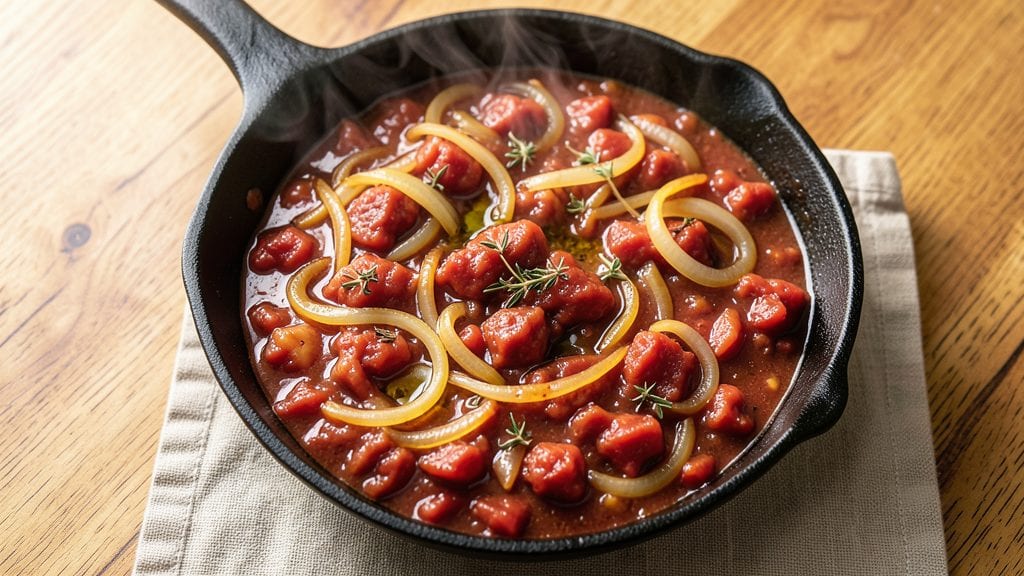
This Southern stewed tomatoes recipe transforms humble canned tomatoes into a rich, smoky-sweet pantry staple that elevates any meal. The secret lies in slow-cooked onions and a blend of herbs that develop deep, complex flavors over time—something store-bought versions can’t replicate.
I first discovered this technique while helping my grandmother preserve her summer garden, and it’s been a weekly tradition ever since.
The process is straightforward but requires patience: onions caramelize until deep amber, tomatoes simmer until thick and glossy, and spices meld into a harmonious balance. You’ll need just 15 minutes of prep and 45 minutes of simmering time, but the results are worth every moment.
This isn’t just a side dish—it’s a flavor foundation that works in sandwiches, pasta, or even as a topping for grilled meats.
What you’ll end up with is a batch of stewed tomatoes so velvety and flavorful, they’ll disappear from your pantry faster than you can say "Sunday supper." The onions add natural sweetness, while herbs like thyme and bay leaf bring that unmistakable Southern charm.
Perfect for canning or freezing, this recipe ensures you’ll always have homemade goodness on hand.
Whether you’re serving it alongside cornbread or using it to enrich a pot of beans, these stewed tomatoes deliver restaurant-quality depth with minimal effort. Let’s get started—your pantry (and taste buds) will thank you.
Ingredients for southern stewed tomatoes
Sixteen ingredients, one pantry game-changer. These humble staples transform into velvety, smoky-sweet tomatoes that taste like Southern tradition.
| Ingredient | Amount | Notes |
|---|---|---|
| Canned San Marzano Tomatoes 🍅 | 28 oz | Crushed by hand, seeds removed |
| Yellow Onions 🧅 | 3 whole | Thinly sliced, no need to peel |
| Extra-Virgin Olive Oil 🫒 | ½ cup | High-quality, fruity variety |
| Brown Sugar 🍯 | ¼ cup | Lightly packed, not granulated |
| Apple Cider Vinegar 🍎 | 2 tbsp | For tangy brightness |
| Dried Thyme 🌿 | 1 tsp | Or 1 tbsp fresh thyme leaves |
| Bay Leaves 🍃 | 2 whole | Fresh or dried, standard size |
| Smoked Paprika 🌶️ | 1 tsp | For that signature Southern smokiness |
| Garlic Cloves 🧄 | 4 cloves | Minced or finely chopped |
| Kosher Salt 🧂 | 1 ½ tsp | Diamond Crystal preferred |
| Black Peppercorns 🌶️ | ½ tsp | Freshly cracked, not ground |
| Fresh Rosemary 🌿 | 1 sprig | Optional, for extra depth |
| Water 💧 | ½ cup | For thinning if needed |
The onions are non-negotiable here—yellow onions caramelize best, and you want that deep amber color. Trader Joe's or Whole Foods usually have the sweetest, most flavorful ones. I always grab a few extra because they're the backbone of this dish. For the tomatoes, San Marzano is your gold standard—sweeter, meatier, and less acidic than regular canned tomatoes. If you can't find them, any high-quality crushed tomatoes will work, but you might need to adjust the sugar slightly. The brown sugar here isn't about sweetness—it's about balancing the acidity and helping those onions develop their caramel notes. And trust me, the smoked paprika from Penzeys makes all the difference in that signature Southern smokiness.
No San Marzano tomatoes? Good quality crushed tomatoes in a 28-oz can will work, but you might want to add an extra pinch of sugar to compensate for the acidity. Fresh thyme is ideal, but dried works at one-third the amount. If you're feeling fancy, fresh rosemary adds an unexpected depth, but it's not required. The apple cider vinegar can be swapped for white vinegar in a pinch, but it adds a lovely fruity note that pairs perfectly with the sweetness. For the olive oil, don't skimp—this is where the flavor really starts to build. If you're canning this for long-term storage, you can reduce the vinegar slightly, but keep it for the fresh batches. The bay leaves should be removed before serving, but they infuse the tomatoes with an unmistakable aroma that's worth the effort.
This keeps beautifully in the fridge for up to 2 weeks, though I rarely have it last that long. For long-term storage, it freezes perfectly for 6-12 months—just leave some headspace in the container since it'll expand. I like to portion it into quart-sized jars for easy grab-and-go use. The flavor actually improves after a few days as everything melds together. If you're canning, follow standard canning procedures for high-acid foods. And if you end up with extra, it's perfect for freezing in ice cube trays for small portions—just thaw and stir into whatever you're cooking. The rosemary sprig, if used, can be removed before storing.
Why You'll Love This Recipe
- Pantry Magic: I swear by this one—no fresh tomatoes, no fancy prep. Just open a can of San Marzano, toss in onions and olive oil, and let the vinegar do its thing. Honestly, it’s the kind of recipe that makes me feel like I’ve outsmarted grocery day.
- Sweet-Tart Balance: That brown sugar and apple cider vinegar combo? It’s chef’s kiss. The tomatoes caramelize just enough to cling to your spoon, then the tang cuts through like a cool breeze on a hot day. (Yes, even on a Tuesday night.)
- Leftovers That Shine: Make a big batch—it’s my go-to for sandwiches, biscuits, or even breakfast toast. The flavors only get richer overnight, and I’ve never met a meal that didn’t improve after sitting in the fridge. My freezer’s full of jars for lazy mornings.
- One-Pot Wonder: Three ingredients, one pot, 20 minutes. No chopping like a maniac, no burning anything, no stress. The onions soften into sweetness while the tomatoes simmer down to a glossy, jammy perfection. Not the prettiest, but the taste makes up for it every time.
Step-by-step instructions for Southern stewed tomatoes
Here's how to transform simple ingredients into a rich, smoky tomato base that elevates any Southern meal.
Sauté the Onions Until Translucent
Heat the 0.5 cup extra-virgin olive oil in a large, heavy-bottomed pot over medium heat. Add the 3 whole yellow onions, sliced thinly, and cook them undisturbed for 5 minutes to draw out their moisture. Stir occasionally, allowing the onions to soften and develop a gentle golden hue without browning.
This slow cook is crucial—rushing this step leads to bitter flavors. You're building the aromatic foundation, so take your time. The onions should become translucent and slightly caramelized at the edges, releasing their natural sweetness that will balance the acidity later. If you notice any browning, reduce the heat slightly and continue cooking until fully softened.
Add Aromatics and Sweeteners
Once the onions are translucent, increase the heat to medium-high and add the 4 cloves minced garlic, 1 tsp smoked paprika, 1 tsp dried thyme, and 2 whole bay leaves. Stir for 30 seconds until the garlic becomes fragrant—this prevents it from burning while releasing its full flavor profile.
Next, sprinkle in the 0.25 cup brown sugar and stir for another 1 minute until the sugar begins to dissolve and lightly caramelize. This step creates the perfect balance of sweetness that rounds out the acidity of the tomatoes. Keep the heat at medium-high to maintain even cooking without scorching the spices.
Incorporate Tomatoes and Vinegar
Pour in the 28 oz crushed San Marzano tomatoes (with seeds removed) and the 2 tbsp apple cider vinegar. Stir well to combine, scraping up any browned bits from the bottom of the pot. These bits are packed with flavor—don't miss them! Add the 1 sprig fresh rosemary (if using) and bring the mixture to a gentle boil over medium-high heat.
Here's the thing—you want to see the tomatoes bubble vigorously for 5 minutes to help break down their texture and release their natural juices. The vinegar will brighten the flavors, cutting through the richness of the onions and sugar. If the mixture looks too thick, add 0.25 cup water now or later as needed to reach your desired consistency.
Simmer Until Thick and Flavorful
Reduce the heat to low and let the stewed tomatoes simmer uncovered for 45-60 minutes, stirring occasionally. This slow cook allows the flavors to meld and deepen while the mixture thickens naturally. You're looking for a sauce that coats the back of a spoon but isn't gluey—this should happen as the tomatoes break down and release their pectin.
Taste and adjust seasoning with the 1.5 tsp kosher salt and 0.5 tsp cracked black peppercorns as needed. The stew should balance sweet, smoky, and tangy flavors with just a hint of herbal depth from the rosemary and thyme. If it's too thick, add the remaining 0.25 cup water in small increments until you reach the perfect consistency.
Finish and Store Properly
Once the stewed tomatoes reach your desired thickness and flavor intensity, remove the pot from heat. Fish out the bay leaves and rosemary sprig (if used)—they've done their job and can be discarded. Let the mixture cool slightly, then transfer it to clean, sterilized jars or containers for storage.
This stew keeps beautifully in the refrigerator for up to 1 week or can be frozen for 3 months. The flavors actually improve with time, developing even more depth. When ready to use, simply reheat gently on the stove over low heat, stirring occasionally, until warmed through. The result is a versatile, flavor-packed base that transforms simple meals into something extraordinary.
Pro Tips For Making Southern Stewed Tomatoes
- Sear the Onions Slow: Don’t rush the onions—cook them on medium-low for 10-12 minutes until deep golden and almost jammy. I used to blast them on high and end up with bitter, burnt bits that ruined the whole dish. Patience here makes the flavor sing.
- Crush the Tomatoes: Drain the San Marzano cans, then crush the tomatoes by hand (or with a wooden spoon) instead of blending. The texture stays chunky and rustic, which is key for that classic Southern stewed tomato mouthfeel. Blending turns it into a sauce, not a stew.
- Balance the Vinegar: Add the apple cider vinegar in two stages—half upfront, the rest at the end. This keeps the acid bright without overpowering the sweetness. I learned this after making a batch that tasted like a salad dressing instead of a stew.
- Sweat Out the Moisture: After adding the tomatoes, let the stew bubble uncovered for 5 minutes to drive off excess liquid. This thickens the sauce naturally without needing to reduce it constantly. It’s the trick my grandma used, and it cuts cooking time by half.
Perfect pairings for this recipe
Classic Southern Sides
These stewed tomatoes shine alongside cornbread—the perfect Southern pairing. I like to serve mine with a warm, buttery batch from Jiffy Mix or homemade stone-ground cornmeal bread. The slight sweetness of the cornbread complements the smoky depth of the tomatoes beautifully. 🍞
For a heartier meal, pair with white cheddar grits—the creamy texture contrasts wonderfully with the thick, jammy tomatoes. I stir in sharp cheddar and a touch of butter until smooth, then top with a spoonful of the stewed tomatoes for a restaurant-worthy dish.
Meat Pairings
Stewed tomatoes elevate pulled pork sandwiches to new heights. Use them as a tangy-sweet topping instead of traditional barbecue sauce—just mix with pulled pork and serve on a toasted brioche bun with pickles. The smoky paprika in the tomatoes adds complexity that cuts through the richness of the pork. 🐷
They also work beautifully with grilled chicken thighs. Toss the cooked chicken with the warm stewed tomatoes, a sprinkle of fresh parsley, and a drizzle of honey for a quick weeknight dinner. The onions caramelize further when reheated, adding even more depth to the dish.
Breakfast Pairings
Start your day with Southern-style fried eggs topped with these stewed tomatoes. The acidity brightens the richness of the yolks, while the caramelized onions add a sweet contrast. I like to serve this with crispy bacon and buttermilk biscuits for a hearty breakfast that feels like a hug. 🍳
For a brunch twist, use them as a pasta sauce for fettuccine or penne. Toss with Pecorino Romano, a handful of baby spinach, and crispy pancetta for a dish that feels both rustic and refined. The tomatoes' natural sweetness balances the saltiness of the cheese beautifully.
Cheese and Charcuterie
Don't overlook these tomatoes for cheese boards! Their rich, smoky flavor pairs exceptionally well with aged cheddar, Gouda, and blue cheese. I like to serve them warm with crackers, prosciutto, and fig jam for a sophisticated appetizer that feels effortless. 🧀
For a sweet-and-savory twist, drizzle the warm tomatoes over ricotta cheese in a toasted baguette slice, then top with honey and crushed pistachios. This unexpected combination is a crowd-pleaser at dinner parties.
Nutrition facts
Frequently asked questions
Can I use fresh tomatoes instead of canned?
Fresh tomatoes work but require extra prep. You'll need 6-8 large ripe tomatoes, peeled, seeded, and chopped to replace 28 oz canned tomatoes. Simmer them first for 10 minutes to break down their texture before adding other ingredients. Fresh tomatoes are more acidic, so reduce the vinegar to 1 tbsp and add 1 extra tbsp sugar to balance flavors.
How do I adjust this for a vegetarian version?
This recipe is already vegetarian-friendly! The smoky-sweet profile comes from the onions, garlic, and spices—not meat. For extra richness, stir in 1 tbsp tomato paste or add 1 cup vegetable broth when simmering. The caramelized onions provide natural sweetness that satisfies meat lovers too.
Why does my stewed tomato mixture turn out too thin?
Thin consistency usually means insufficient simmering time. After adding tomatoes, simmer uncovered for 45-60 minutes—the tomatoes release pectin naturally as they break down. If still too thin, remove from heat and mix 1 tbsp cornstarch with 2 tbsp water, then stir in. For next time, reduce the water by 0.25 cup in the recipe.
Can I make this in a slow cooker or Instant Pot?
For a slow cooker, sauté onions and aromatics first, then transfer everything to the pot and cook on low for 4-5 hours. For an Instant Pot, sauté onions on "Sauté" mode, then add remaining ingredients, seal, and cook on High Pressure for 10 minutes, followed by a 10-minute natural release. Both methods yield tender, flavorful results.
What's the best way to reheat these stewed tomatoes?
Gently reheat on the stove over low heat, stirring occasionally, until warmed through (5-10 minutes). Avoid microwaving as it can make the onions mushy. For frozen portions, thaw overnight in the fridge first. If reheating from frozen, add 1-2 tbsp water to prevent thickening. The flavors taste best when warmed slowly.