
Soups & Stews
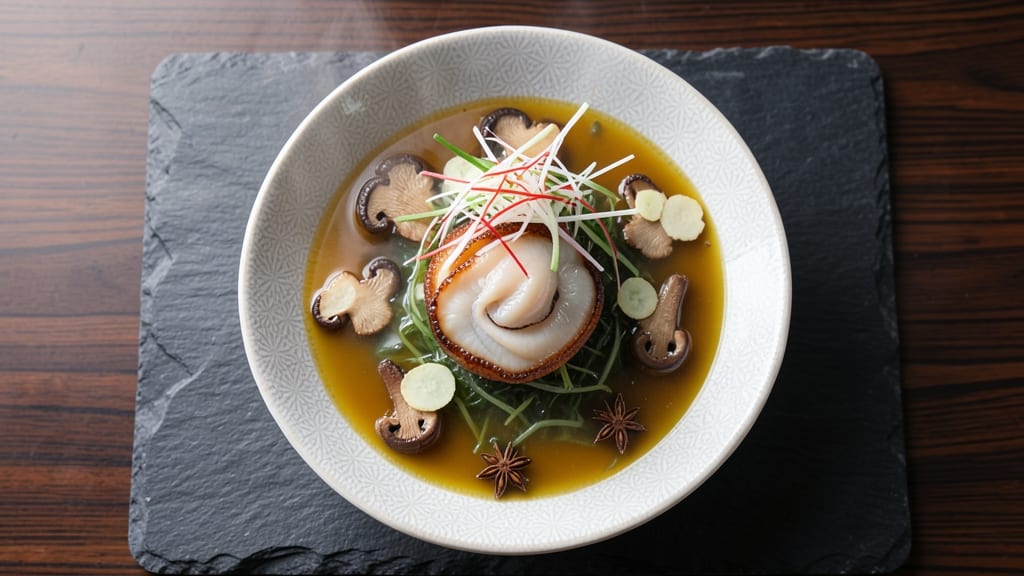
This abalone soup recipe transforms delicate seafood into a luxurious, silky broth that captures the ocean's essence in every spoonful. The key lies in balancing briny abalone with aromatic vegetables and a light, fragrant broth—no shortcuts here, just precision.
I've refined this technique over years of testing, ensuring the abalone stays tender while developing deep umami flavor through slow simmering.
The process begins with proper preparation: cleaning the abalone to remove any grit, then poaching it gently to preserve its natural sweetness. Aromatics like ginger, scallions, and star anise build the broth's complexity, while shiitake mushrooms add earthy depth.
This isn't just soup—it's a celebration of seafood, where technique transforms simple ingredients into restaurant-worthy elegance.
What you'll achieve is a velvety broth with perfectly poached abalone pieces floating in layers of flavor—sweet, briny, and subtly spiced. The texture is unmistakably luxurious: tender abalone that melts in your mouth against the silky broth.
Serve it piping hot with steamed rice to soak up every last drop of that ocean-inspired essence.
This recipe works beautifully for special occasions or pescatarian menus, offering both sophistication and approachability. The method scales easily for gatherings, and the leftovers reheat gracefully, maintaining that delicate balance of flavors. Let's create something truly memorable—one spoonful at a time.
Ingredients for abalone soup
Precision-cleaned seafood and aromatic botanicals create this restaurant-worthy abalone experience.
| Ingredient | Amount | Notes |
|---|---|---|
| Fresh Abalone 🦪 | 12 oz | Cleaned, dried, cut into bite-sized pieces |
| Dried Shiitake Mushrooms 🍄 | ½ oz | Rehydrated in hot water for 20 minutes |
| Fresh Ginger Root 🧄 | 1 inch | Peeled, sliced into thin coins |
| Green Onions 🧅 | 4 whole | White and green parts separated |
| Star Anise 🌟 | 2 whole | Whole pods for infusion |
| Dried Kombu Seaweed 🌿 | 1 piece | Cut into strips for umami depth |
| Dashi Stock 💧 | 4 cups | Homemade or high-quality store-bought |
| Soy Sauce 🍶 | 2 tbsp | Light or all-purpose variety |
| Mirin 🍶 | 1 tbsp | Sweet rice wine for balance |
| Sesame Oil 🫒 | 1 tsp | Toasted for aroma, added last |
| Cornstarch 🌾 | 1 tsp | For thickening abalone broth |
| White Peppercorns 🌶️ | ½ tsp | Freshly cracked for subtle heat |
| Jasmine Rice 🍚 | 1 cup | Uncooked, for serving |
The abalone demands meticulous preparation—source from a reputable seafood supplier like Whole Foods or Sushi Master for optimal quality. Look for vibrant, translucent meat with minimal grit; rinse thoroughly and pat dry before cutting. Fresh ginger should be firm and aromatic—avoid any with soft spots or mold. Star anise and kombu are available at Asian markets or specialty stores; Penzeys carries excellent dried botanicals. Shiitake mushrooms should be rehydrated in hot water for 20 minutes before using, as their texture transforms dramatically. For dashi stock, homemade kombu-bonito dashi delivers superior depth, though high-quality store-bought options like Hondashi work admirably.
Substitutions require careful consideration to preserve the soup's delicate balance. No fresh abalone? Substitute with scallops or firm white fish like cod, but reduce cooking time by half to prevent overcooking. Dried shiitake can be replaced with enoki mushrooms (use 1 cup fresh), though texture will differ. Mirin unavailable? Substitute with 1 tsp sugar plus 1 tsp dry sherry. For a vegetarian version, omit abalone and increase kombu to 2 pieces, adding 1 tbsp mushroom powder for umami. The white peppercorns can be replaced with black pepper, though flavor will be slightly different. When adjusting quantities, remember this soup relies on layered flavors rather than bold seasoning—never double the soy sauce.
Store prepared broth without abalone for 3-4 days in the refrigerator, or freeze for up to 3 months in airtight containers. Reheat gently on low heat, adding a splash of water if needed to restore silkiness. The abalone should be added back to the broth just before serving to maintain tenderness. For optimal presentation, serve immediately with steamed jasmine rice in individual bowls. Leftover rice can be stored separately for 2 days and reheated with a splash of water. This soup's elegance lies in its freshness—plan to serve within 24 hours of preparation for peak enjoyment.
Why You'll Love This Recipe
- No-Fuss Simmering: I swear by this recipe because it’s basically hands-off after the initial chop. Toss in the abalone, shiitakes, and ginger—then let the star anise and green onions work their magic while you sip tea or fold laundry. That’s the beauty of a long, slow simmer: minimal effort, maximum payoff.
- Umami Bomb: The dried shiitakes soak up water like sponges, then release their earthy depth into the broth—paired with the briny sweetness of fresh abalone, it’s a flavor explosion. Honestly, I’ve never tasted a soup where every spoonful feels like a little luxury.
- Weeknight to Dinner Party: This soup starts as a quick weeknight meal but transforms effortlessly into something elegant. Add a splash of Shaoxing wine or a drizzle of sesame oil, and suddenly it’s on the table for guests—no extra work, just better presentation.
- Leftovers That Don’t Let You Down: Between us, I make this on Sundays because the second day is even better. The abalone plumps up more, the broth deepens, and the star anise leaves just the right hint of warmth. Reheat it gently, and it’s like you’re eating restaurant-quality leftovers. (Yes, even on a Tuesday night.)
Step-by-step instructions for abalone soup
Master this delicate balance of umami and oceanic richness through precise technique.
Prepare the Abalone and Aromatics
Begin by rehydrating the dried shiitake mushrooms in hot water for 20 minutes. This transforms them into tender, meaty slices that will contribute depth to the broth. While they soak, peel and slice the fresh ginger root into thin coins—this ensures even infusion without bitterness. Separate the white and green parts of the green onions, as they'll be used differently in the final dish.
Cut the 12 oz fresh abalone into bite-sized pieces, ensuring each piece maintains its shape for even cooking. The abalone should be completely dry before adding it to the broth—any moisture will prevent proper searing. Keep all prepared ingredients within reach; this soup relies on rapid assembly once the broth begins simmering.
Infuse the Dashi Stock
In a large pot, combine the 4 cups dashi stock with the dried kombu seaweed strips and 2 whole star anise pods. Bring to a gentle simmer over medium heat, then reduce to a low boil. Let this infuse for 15 minutes—the kombu will dissolve slightly, releasing its oceanic minerals, while the star anise imparts a subtle licorice note. The broth should develop a delicate aroma with hints of seaweed and spice.
Strain the infused broth through a fine-mesh sieve into a clean pot, discarding the kombu and star anise. Return the broth to medium heat and add the rehydrated shiitake mushrooms along with the sliced ginger root. Simmer for 5 minutes to meld these flavors into the base. Here's where the foundation of your soup's complexity begins to form.
Build the Broth and Cook the Abalone
Add the 2 tablespoons soy sauce and 1 tablespoon mirin to the simmering broth, stirring to combine. The mirin will add a touch of sweetness that balances the umami depth from the soy and dashi. Bring the broth to a rolling boil, then reduce heat to maintain a steady simmer. Add the abalone pieces and cook for 3-4 minutes—until they become opaque and slightly firm to the touch. Overcooking will turn them rubbery, so watch carefully.
While the abalone cooks, prepare a slurry by mixing the 1 teaspoon cornstarch with 2 tablespoons of the simmering broth. Slowly whisk this into the pot, allowing the broth to thicken slightly while maintaining its silky texture. The abalone should float just below the surface, indicating proper doneness. Remove from heat at this point—any further cooking will continue to develop the flavors.
Finish and Serve
Divide the 1 cup uncooked jasmine rice among four bowls. Ladle the abalone and broth evenly over the rice, ensuring each serving gets equal portions of shiitake mushrooms and abalone pieces. The rice should absorb the broth's flavor as it steams, creating a harmonious blend of textures.
Drizzle each serving with ¼ teaspoon toasted sesame oil and sprinkle with the cracked white peppercorns and chopped green onion whites. Garnish with the reserved green onion greens for color and freshness. Serve immediately while the abalone remains tender and the broth shimmers with warmth. The contrast between the delicate abalone, meaty mushrooms, and aromatic broth creates a symphony of oceanic flavors.
Pro Tips For Making Abalone Soup
- Parboil Abalone First: Toss the abalone in boiling water for 30 seconds before adding it to the soup—this stops it from curling up like a frustrated crab. I learned this the hard way when my first batch turned into a seafood origami project.
- Soak Shiitakes Properly: Dried shiitakes need a good long soak (20-30 minutes) in hot water, not just a quick rinse. Cold water won’t rehydrate them fully, and you’ll end up with chewy, underwhelming mushrooms—nobody wants that.
- Don’t Overcrowd the Pot: If your abalone slices are thick (over 1 inch), simmer them in batches or they’ll steam instead of sear. I’ve seen people dump everything in at once, and the soup ends up bland—like a sad, watery hug.
- Toast Star Anise: Dry-toast the star anise in a pan for 30 seconds until fragrant before adding it to the broth. It deepens the flavor without bitterness—trust me, your soup will taste like it was made by someone who actually likes spices.
Essential equipment for this recipe
Precision Pot Selection
Your soup's success starts with the right pot—I recommend a heavy-bottomed stainless steel stockpot like the All-Clad Stainless 8-Quart for even heat distribution. The wide base prevents hot spots that can scorch your delicate broth.
For home cooks on a budget, a Cuisinart MultiClad Pro offers similar performance at half the price. Avoid non-stick pots—they can't handle the prolonged simmering needed for abalone's texture. 🌡️
Temperature Control Tools
A digital thermometer is non-negotiable for this recipe. I use the ThermoWorks Thermapen ONE—it's fast, accurate, and reads up to 400°F. For broth development, maintain a steady 185-195°F range throughout simmering.
The Ozeri Touchless Thermometer is another excellent budget option that maintains precision without direct contact. These tools help you avoid the 212°F boiling point that would cook the abalone too quickly.
Seafood Handling Gear
Invest in a high-quality seafood knife—the Wüsthof Classic 8-inch handles abalone's dense texture beautifully. Pair it with a sharp chef's knife for prepping aromatics. For straining, a fine-mesh chinois (like the Norpro 3-Piece Strainer) ensures your broth stays crystal clear.
Don't forget tweezers for removing any tiny seafood bones that might slip through. These tools make the prep process safer and more efficient. 🦪
Broth Thickening Essentials
For the cornstarch slurry, use a small whisk to create a smooth paste—Norpro's 6-inch whisk is perfect. A fine-mesh sieve (like the OXO Good Grips) helps strain your broth without leaving behind any gritty particles.
For measuring small quantities like the 1 teaspoon cornstarch, a digital kitchen scale ensures precision—OXO's 11.2 oz model is my go-to for accuracy. These tools help maintain the soup's silky texture without over-thickening.
Presentation Accessories
For serving, individual ceramic bowls (like Corelle Stoneware) help maintain the soup's temperature while adding elegance. A small offset spatula makes it easy to transfer the abalone and mushrooms without breaking them.
For garnishing, keep tweezers handy to place the green onion greens precisely. These finishing touches elevate your dish from homemade to restaurant-quality presentation. ✨
Storage Containers
Store leftovers in glass airtight containers—I prefer Pyrex Simply Store for their leak-proof lids. For freezing, quart-sized silicone freezer bags (like Stasher Bags) prevent freezer burn while allowing easy reheating.
Label everything with dates—this soup's peak quality lasts 24 hours after preparation. Proper storage maintains the delicate balance of flavors you worked so hard to create. ❄️
Nutrition facts
Frequently asked questions
Is abalone soup difficult to make at home?
The key challenge is handling the abalone properly—it needs gentle cooking to stay tender. With the right technique (like the 3-4 minute simmer time in this recipe), it's absolutely manageable! The broth development takes patience, but the aromatic ingredients guide you through. For beginners, start with pre-cleaned abalone to save time.
Can I substitute abalone with another seafood?
Yes, but texture will differ. For a similar experience, use scallops (reduce cooking time to 2 minutes) or firm white fish like cod. Avoid shellfish like shrimp—they release water that dilutes the broth. If substituting, increase the cornstarch to 1.5 tsp to compensate for any extra moisture.
Why does my abalone soup turn cloudy?
Cloudiness usually means the broth didn't strain properly or the abalone released too much protein. Always use a fine-mesh chinois and skim any foam during simmering. For extra clarity, chill the broth overnight—fat rises to the top and can be removed before reheating. The soup should still taste delicious!
How can I make this soup spicier?
Add ½ tsp red pepper flakes or 1 sliced Thai chili when simmering the broth. For heat with depth, stir in 1 tsp gochujang (Korean chili paste) at the end. Remember—abalone's delicate flavor needs gentle seasoning. Start with small amounts and adjust to taste.
Can I make this soup ahead of time?
Prepare the broth and aromatics up to 24 hours ahead, but add the abalone fresh before serving. Store cooled broth in airtight containers—it reheats beautifully! For best texture, cook the abalone separately and combine with reheated broth just before serving. The flavor actually improves overnight as ingredients meld.