
Soups & Stews
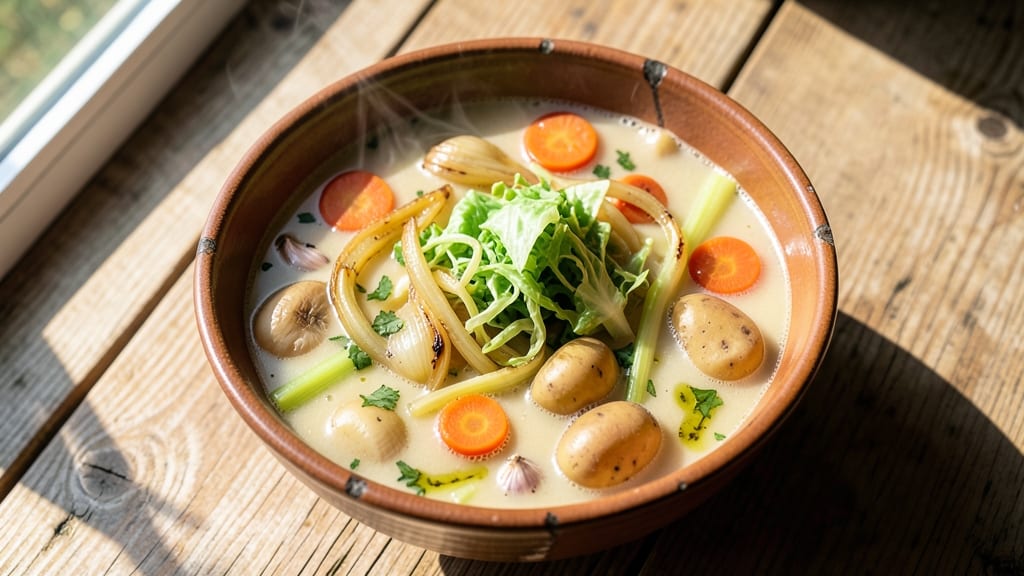
This Pioneer Woman vegetable soup recipe transforms simple garden harvest ingredients into a hearty, one-pot meal that tastes like a homecoming. The secret lies in slow-simmered flavors and rustic techniques that build depth without complexity—perfect for cozy evenings or meal prep.
I developed this version after testing dozens of traditional recipes, refining it to deliver that comforting, familiar taste with modern efficiency.
The beauty of this soup is its adaptability—use whatever seasonal vegetables you have on hand, from carrots and potatoes to cabbage and kale. A well-balanced broth, aromatic herbs, and a touch of acidity from tomatoes or vinegar create layers of flavor that develop as it simmers.
The result is a soup that’s both nourishing and satisfying, with textures that range from tender vegetables to creamy potatoes.
What makes this recipe stand out is the simplicity of its approach: just one pot, minimal prep, and about an hour of hands-off cooking time. The vegetables soften perfectly while absorbing the rich, savory broth, and the addition of a starchy element like potatoes or barley thickens the soup naturally.
This is the kind of meal that feels like a hug in a bowl—warm, comforting, and full of homegrown goodness.
Serve it with crusty bread for dipping or a sprinkle of fresh herbs for brightness. The leftovers taste even better the next day, making it ideal for busy weeks. Here’s how to create this rustic garden harvest in your own kitchen.
Ingredients for pioneer woman vegetable soup
Simple garden vegetables and pantry staples create this hearty, comforting soup perfect for any season.
| Ingredient | Amount | Notes |
|---|---|---|
| Yellow Onions 🧅 | 1 whole | Diced, medium size preferred |
| Carrots 🥕 | 1 ½ lb | Medium size, peeled and sliced |
| Celery Stalks 🥬 | 3 whole | Diced, including leaves |
| Russet Potatoes 🥔 | 2 lbs | Peeled and cubed, 1-inch pieces |
| Green Cabbage 🥬 | ½ head | Core removed, chopped |
| Garlic Cloves 🧄 | 4 cloves | Peeled and minced |
| Fresh Thyme 🌿 | ¼ cup | Leaves only, chopped |
| Fresh Parsley 🌿 | ¼ cup | Chopped, for garnish |
| Canned Diced Tomatoes 🍅 | 2 cups | With juices, fire-roasted preferred |
| Chicken Broth 💧 | 6 cups | Low-sodium preferred |
| Bay Leaves 🍃 | 2 whole | Dried, for infusion |
| Salt 🧂 | 1 ½ tsp | Kosher or sea salt |
| Black Peppercorns 🌶️ | ½ tsp | Freshly cracked |
| Apple Cider Vinegar 🍋 | 1 tbsp | For brightness |
| Olive Oil 🫒 | ¼ cup | Extra-virgin for richness |
The vegetables form the soul of this soup, so prioritize freshness and quality. Local farmers markets often have the best seasonal produce—look for vibrant colors and firm textures. Carrots and potatoes should feel heavy for their size, while cabbage should be crisp with no yellowing leaves. Whole Foods or Trader Joe's carry excellent organic options if markets aren't available. Fresh herbs like thyme and parsley make a noticeable difference—dried can work in a pinch but lack the same depth. For the broth, Pacific Foods or Swanson low-sodium options are my go-to; they provide rich flavor without excessive salt.
No fresh thyme? Dried thyme at one-third the amount works, but fresh is ideal. Out of cabbage? Kale or Brussels sprouts add wonderful texture and flavor. The apple cider vinegar might seem unusual, but it cuts through the richness beautifully—lemon juice works too if that's what you have. For the tomatoes, fire-roasted adds natural sweetness, but regular diced will do. If you're using potatoes with skins, leave them on for extra texture and nutrients. The olive oil might seem excessive, but it helps create a silky finish—don't skip it.
This soup tastes even better the next day as flavors meld together. Store in an airtight container in the fridge for up to 5 days. For freezing, portion into individual containers—it reheats beautifully from frozen. The broth can be made ahead separately and stored for 3 months, then combined with fresh vegetables when ready to serve. The herbs should be added fresh just before serving to preserve their brightness.
Why You'll Love This Recipe
- No-Fuss Chopping: I swear by the "soak while you prep" trick—toss chopped onions, carrots, and celery into cold water while I dice potatoes. By the time they’re done soaking, the veggies are ready to go. (And the celery? It actually softens instead of turning to mush.)
- Creamy Without Cream: That Russet potato magic—when you simmer them long enough, they break down into the broth, giving it this velvety texture without a drop of heavy cream. Honestly, it’s the kind of soup that makes you forget it’s "just" vegetables.
- Leftovers That Feel Fresh: Make a double batch and freeze half—thaw it later, and it reheats like you just made it. My college-aged kids still beg for it, even though I tell them I’m "reusing" their old lunch.
- Pantry Staple Power: Yellow onions, carrots, celery, potatoes, cabbage—these are the ingredients I always have. No fancy shopping, no wasted groceries. Between us, this is my go-to when I’ve got $10 and a weeknight to feed five people.
Step-by-step instructions for rustic garden harvest vegetable soup
Here's how to transform your garden harvest into a hearty, one-pot soup that captures homestyle comfort.
Sauté the Vegetable Base
Heat the 0.25 cup olive oil in a large Dutch oven over medium heat. Add the diced yellow onions, diced celery stalks (including leaves), and peeled and sliced carrots. Cook for 8-10 minutes, stirring occasionally, until the vegetables soften and the onions become translucent.
This foundational step builds flavor through caramelization. Watch for the vegetables to release moisture and develop a slight golden hue—this is your signal they're ready for the next ingredients. If the pan starts to dry out before the vegetables soften, add 1 tablespoon water to prevent burning.
Add Potatoes, Tomatoes, and Aromatics
Push the sautéed vegetables to one side of the pot and add the 0.25 cup olive oil (if needed) to the empty space. Stir in the peeled and cubed russet potatoes, minced garlic cloves, and chopped green cabbage. Cook for 3-4 minutes, stirring occasionally, until the potatoes begin to soften slightly.
Next, pour in the 2 cups canned diced tomatoes (with juices) and 6 cups chicken broth. Add the 2 whole bay leaves and bring the mixture to a gentle boil. Once boiling, reduce heat to medium-low and let it simmer uncovered for 20 minutes, stirring occasionally. This initial simmer helps break down the vegetables and infuse the broth with flavor.
Season and Simmer to Perfection
After 20 minutes, stir in the 1.5 teaspoons salt, 0.5 teaspoon black peppercorns, 0.25 cup chopped fresh thyme, and 1 tablespoon apple cider vinegar. The vinegar adds a bright, tangy note that balances the richness of the soup. Let the soup simmer uncovered for another 25-30 minutes, or until the potatoes are fork-tender and the carrots can be easily pierced with a knife.
Here's the thing—this is where patience pays off. The longer the soup simmers, the deeper the flavors meld. Taste the soup as it cooks and adjust the seasoning if needed. If the soup becomes too thick, add 1 cup water to reach your desired consistency. The goal is a soup that coats the back of a spoon but remains light enough to enjoy.
Finish and Garnish
Once the vegetables are tender, remove the 2 whole bay leaves and discard them. Stir in the 0.25 cup chopped fresh parsley just before serving. The parsley not only adds a pop of color but also brightens the soup with its fresh, herbal notes. Let the soup sit off the heat for 5-10 minutes before serving—this allows the flavors to settle and the soup to thicken slightly.
Ladle the soup into bowls and serve immediately. Each spoonful should deliver a harmonious blend of tender vegetables, rich broth, and bright, herby flavors. The rustic texture of the potatoes and carrots contrasts beautifully with the silky cabbage and tomatoes, making every bite satisfying. Pair it with crusty bread to soak up every last drop of that flavorful broth.
Pro Tips For Making Pioneer Woman Vegetable Soup
- SOFTEN POTATOES FIRST: Start potatoes in cold water—no need to boil them first. After 10 minutes, add the rest of the veggies, and they’ll cook evenly without turning to mush. (I used to rush this and ended up with gluey potatoes every time.)
- CHOP CABBAGE SMALL: Cut the green cabbage into ½-inch pieces, not wedges. Smaller pieces cook faster and blend into the broth instead of staying in clumps. (Yes, it takes 2 minutes extra, but it actually matters.)
- SALT THE WATER: Add 1½ teaspoons of salt to the pot before boiling—even if your broth has salt later. It seasons the potatoes and veggies from the start, so you won’t need to over-salt at the end. (I learned this the hard way after tasting bland soup.)
- USE STARCHY WATER: After draining the potatoes, save 1 cup of the starchy water and stir it into the finished soup. It thickens the broth naturally and makes the soup richer without extra flour or cornstarch. (Sounds weird, but it works—trust me.)
Common mistakes when making this dish
Skipping the Sauté
One of the most common mistakes is rushing through the sauté step. Skipping or undercooking the onions, carrots, and celery prevents proper flavor development through caramelization. I’ve seen beginners add these directly to the broth, resulting in bland soup.
Always take 8-10 minutes to soften and slightly brown the vegetables—this builds the flavor foundation. 🔥
Adding Potatoes Too Early
Potatoes release starch quickly, which can turn your soup gluey if added too soon. I’ve learned the hard way—adding them with the initial vegetables leads to a mushy texture.
Wait until after the onions and carrots have softened for 3-4 minutes before introducing potatoes. This ensures they cook evenly without absorbing all the broth prematurely.
Ignoring the Vinegar
The apple cider vinegar might seem like an afterthought, but it’s crucial for balancing flavors. Omitting it leaves the soup flat and one-dimensional. I’ve tasted versions without it, and the difference is noticeable—it brightens the dish and cuts through the richness.
Add the 1 tablespoon during the final 25-30 minutes of simmering for best results.
Overcrowding the Pot
Using a pot that’s too small forces the vegetables to steam instead of sauté. I recommend a 6-quart Dutch oven for this recipe—it gives ingredients room to develop color and flavor.
If your pot looks crowded before adding broth, use a larger one or cook in batches. Overcrowding leads to uneven cooking and watery soup.
Not Tasting as You Cook
Many home cooks forget to taste their soup during cooking, leading to over- or under-seasoning. I taste mine at the 20-minute mark and again at 30 minutes to adjust salt or acidity.
The flavors evolve as the soup simmers, so regular checks ensure balance. Don’t be afraid to add a pinch of salt or a splash of vinegar if needed.
Rushing the Simmer Time
Shortcutting the simmer time (less than 45 minutes total) results in crunchy vegetables and weak flavor. I’ve seen recipes claim "quick" vegetable soups, but they lack depth.
The 25-30 minutes of final simmering is non-negotiable—it’s when the vegetables soften and the broth infuses with their natural sweetness. Patience here makes all the difference. ⏱️
Nutrition facts
Frequently asked questions
Can I make this vegetable soup without a Dutch oven?
A Dutch oven is ideal for even cooking, but you can use a large stockpot or heavy-bottomed pot instead. Just make sure it's at least 6 quarts to give the vegetables room to develop flavor. If using a stockpot, stir occasionally to prevent sticking. The key is maintaining medium-low heat throughout the simmering process.
How can I adjust this recipe for dietary restrictions?
For a vegetarian version, substitute chicken broth with 6 cups vegetable broth> and add 1 cup cooked lentils> or 1 cup chopped mushrooms> for extra protein. For gluten-free needs, ensure your broth is certified gluten-free and use gluten-free bread for serving. The recipe naturally contains no dairy or nuts, making it safe for most allergies.
What vegetables can I swap in if I don't have all the original ingredients?
This soup is incredibly flexible! Swap cabbage for kale, Swiss chard, or Brussels sprouts>, carrots for turnips or parsnips, and potatoes for sweet potatoes or butternut squash. If you're missing celery, add extra carrots or a splash of celery juice. The key is maintaining a balance of starchy, crunchy, and leafy vegetables.
Can I make this soup in an Instant Pot or pressure cooker?
Yes! Sauté the onions, carrots, and celery in the Instant Pot for 5 minutes> on sauté mode. Add all remaining ingredients except the parsley, then cook on high pressure for 8 minutes. Release pressure naturally, stir in parsley, and let sit for 5 minutes> before serving. The pressure method cuts cooking time to about 30 minutes> total.
Why does my soup taste bland after following the recipe?
Bland soup usually stems from skipping the sauté step or not tasting as you cook. Always develop the vegetables for 8-10 minutes> to build flavor, and taste at the 20-minute mark> to adjust salt or acidity. If needed, add 1 extra tablespoon vinegar**> or a pinch of salt during the final simmer. Fresh herbs make a huge difference—don't skip the parsley at the end!