
Soups & Stews
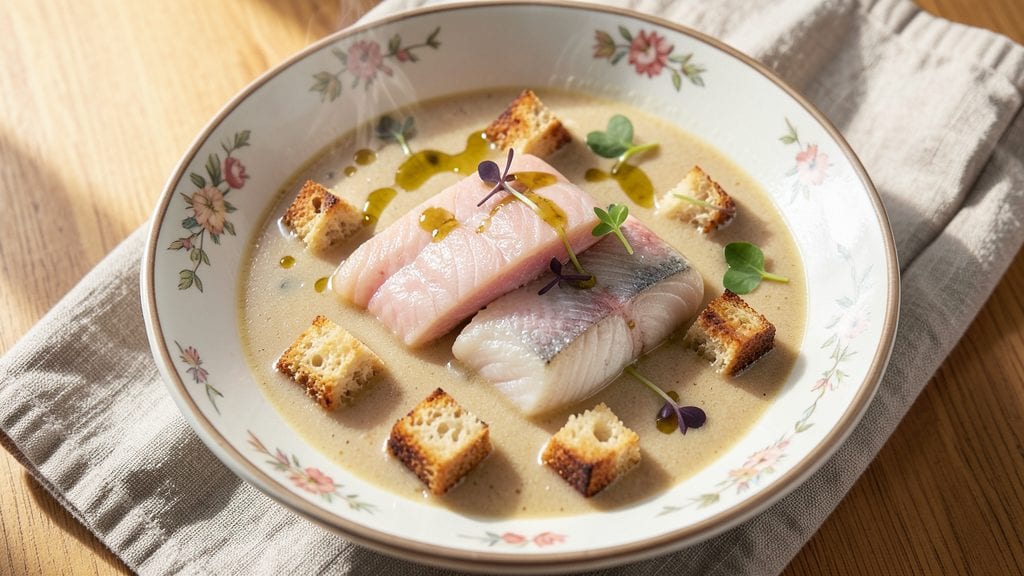
This Tuscan acquacotta soup recipe transforms humble ingredients into a dish that feels like a warm embrace from the Italian countryside. The secret lies in its layered approach—stale bread soaks up rich fish broth while fresh seafood and herbs melt into creamy perfection.
I first made this during a chilly evening in Tuscany, and the contrast of crispy bread with velvety broth became my go-to comfort meal.
The beauty of acquacotta is its simplicity: no fancy techniques, just good ingredients and patience. Stale bread forms the base, absorbing the flavorful broth while fish like cod or halibut adds protein and depth.
The result is a soup that's both rustic and refined, with each spoonful offering a balance of textures and flavors that feels authentically Tuscan.
What makes this recipe special is how it elevates humble ingredients into something extraordinary. The bread toasts just enough to add crunch, while the broth remains rich and creamy, perfectly complementing the fresh seafood.
It's a dish that feels indulgent yet remains light enough for any meal, making it a versatile addition to your repertoire.
For those looking to modernize the classic, you can swap seafood for mushrooms or use a vegetable broth for a vegetarian version. The method remains the same, proving that tradition and innovation can coexist beautifully in this comforting bowl of warmth.
Ingredients for acquacotta soup
Humble ingredients transform into Tuscan comfort with this creamy, crispy acquacotta soup.
| Ingredient | Amount | Notes |
|---|---|---|
| Stale Bread 🍞 | 1 ½ cups | Day-old Italian or sourdough preferred |
| White Wine 🍷 | ½ cup | Dry variety like Pinot Grigio |
| Fish Stock 🐟 | 4 cups | Homemade or high-quality store-bought |
| Heavy Cream 🥛 | ½ cup | Full-fat for optimal creaminess |
| Fresh Cod Fillets 🐟 | 1 lb | Skinless, cut into bite-sized pieces |
| Fresh Halibut Fillets 🐟 | ½ lb | Skinless, cut into bite-sized pieces |
| Fresh Parsley 🌿 | ¼ cup | Chopped, for garnish |
| Fresh Basil 🌿 | ¼ cup | Chopped, for garnish |
| Garlic Cloves 🧄 | 4 cloves | Minced, for flavor base |
| Shallots 🧅 | 2 whole | Minced, for aromatic depth |
| Extra-Virgin Olive Oil 🫒 | ¼ cup | For toasting bread and finishing |
| Lemon Juice 🍋 | 2 tbsp | Freshly squeezed |
| Salt 🧂 | 1 ½ tsp | Kosher or sea salt |
| Black Pepper 🌶️ | ½ tsp | Freshly ground |
| Parmesan Cheese 🧀 | ½ cup | Freshly grated, for finishing |
The bread is the soul of this dish—day-old Italian or sourdough works best, but any stale loaf will do. Toast it lightly in extra-virgin olive oil until golden, then tear into rough chunks. For the fish, fresh cod and halibut are ideal, but frozen works in a pinch—just thaw and pat dry. Whole Foods or specialty markets often carry the freshest cuts, but even your local seafood counter will have suitable options. If you can't find halibut, snapper or monkfish are excellent substitutes. The key is using fish that's firm and smells clean, never fishy.
No white wine on hand? Dry vermouth or even fish stock with a splash of lemon juice will bridge the flavor gap. Fresh herbs can be swapped—cilantro or dill add brightness, though parsley and basil are traditional. For a vegetarian twist, replace the seafood with mushrooms or artichokes and use vegetable broth. The creaminess comes from the broth and heavy cream, but if you're avoiding dairy, coconut milk adds richness. The shallots and garlic should be finely minced—a food processor does the trick—for even distribution of flavor throughout the broth.
This soup tastes even better the next day as flavors meld. Store leftovers in an airtight container in the fridge for up to 3 days, or freeze for 2 months. Reheat gently on the stove, adding a splash of water or broth if it thickens too much. For serving, toast extra bread and sprinkle with freshly grated Parmesan—the contrast of crispy bread with creamy broth is what makes this dish special. Portion into bowls with a generous spoonful of broth, then let everyone assemble their own crispy base.
Why You'll Love This Recipe
- No-Waste Magic: Toss in that day-old bread? It’s not trash—it’s the secret to that irresistible, toothsome texture. I swear, the moment the crust soaks up the wine and stock, the whole kitchen smells like a seaside bistro.
- White Wine Lift: That splash of dry white wine isn’t just for show—it brightens the broth and cuts through the richness of the cream like a whisper. Honestly, skip it and you’re missing the soul of the dish.
- Weeknight to Dinner Party: Same recipe, different vibes. Serve it steaming in bowls for a lazy Tuesday, or plate it with crusty bread and parsley for guests. Between us, the cod fillets look fancy enough to impress without trying.
- Leftovers That Lie: This soup actually improves the next day—creamy, flavors melded, and the bread softens into the perfect consistency. I’ll be real: I’ve reheated mine three times and still crave it. (Yes, even on a Tuesday night.)
Step-by-step instructions for acquacotta soup
Here's how to craft this Tuscan classic with perfect crispy bread topping and silky broth.
Toast the Bread for Crispy Topping
Preheat your oven to 375°F. Cut the 1.5 cups stale bread into ½-inch cubes, removing any crusts. This texture is essential for that signature crunch in acquacotta.
Spread the bread cubes on a baking sheet in a single layer. Drizzle with 2 tablespoons of the 0.25 cup extra-virgin olive oil and toss gently to coat. Bake for 10-12 minutes until golden brown and crisp around the edges. Watch carefully—they'll crisp faster than you expect. Remove and set aside.
Build the Flavor Base
Heat 1 tablespoon of the remaining 0.25 cup extra-virgin olive oil in a large pot over medium heat. Add the 2 minced shallots and 4 minced garlic cloves, cooking for 3-4 minutes until softened and fragrant—you should smell their aromas deeply in the kitchen.
Deglaze with the 0.5 cup white wine, scraping up any browned bits from the bottom. Let it simmer for 2-3 minutes until reduced by half. This step develops the soup's foundational flavor before adding the fish stock.
Simmer the Fish and Broth
Add the 4 cups fish stock and bring to a gentle simmer. Carefully add the 1 lb fresh cod fillets and 0.5 lb fresh halibut fillets, cut into bite-sized pieces. Simmer for 4-5 minutes until the fish is just cooked through—it should flake easily with a fork but remain tender.
Stir in the 0.5 cup heavy cream and 2 tablespoons lemon juice. Taste and adjust seasoning with the 1.5 teaspoons salt and 0.5 teaspoon black pepper. The broth should be rich, creamy, and perfectly balanced in acidity.
Assemble and Finish
Ladle the hot broth and fish into individual bowls. Top each serving with a generous layer of the toasted bread cubes. Sprinkle with the 0.5 cup freshly grated parmesan cheese and 0.25 cup chopped fresh parsley and 0.25 cup chopped fresh basil.
Serve immediately while the bread is still crisp. The contrast between the warm, creamy broth and the cool, crunchy bread is what makes this dish so special. Each bite should deliver that perfect harmony of textures and flavors.
Pro Tips For Making Acquacotta Soup
- SOAK BREAD IN COLD STOCK: Tossing stale bread straight into hot liquid makes it turn to mush—trust me, I’ve done it. Instead, soak the bread cubes in cold fish stock for 10 minutes first. The bread absorbs just enough moisture to soften slightly but still holds shape when the soup simmers.
- DEGLAZE WITH WINE IMMEDIATELY: As soon as you remove the cod from the pan, pour in that white wine and let it sizzle for 30 seconds—don’t skip this. The wine’s acidity cuts through the richness of the cream later, and the quick deglaze pulls out all the fishy flavor stuck to the bottom.
- DON’T OVERCOOK THE COD: Three minutes max in the simmering broth, or the fillets turn to rubber. Use a timer, and if you’re nervous, poach them separately in the stock for 2 minutes before adding to the soup. Flaky, not falling-apart flaky.
- STIR IN CREAM OFF HEAT: Temper that cream like your life depends on it—simmer the soup until the bread is tender, then remove it from heat before adding the cream. Otherwise, you’ll end up with scrambled eggs in your soup. Stir gently and return to low heat just to warm through.
Regional styles of acquacotta soup
Tuscan Coastal Tradition
This classic version hails from the coastal towns of Tuscany, where fishermen would use stale bread to soak up the rich flavors of their catch. The original recipe relies on fresh local fish like anchovies or small sardines, but modern adaptations use larger fillets like cod or halibut.
In Livorno, I’ve seen versions where the bread is lightly fried in olive oil before being layered, adding an extra crunch that makes the dish unforgettable. 🍽️
Roman Simplicity
The Roman take on acquacotta strips away the creaminess, focusing instead on a light, broth-based version with just fish, stale bread, and a splash of white wine. They often use small white fish like smelt or whiting and finish with a sprinkle of Pecorino Romano instead of Parmesan.
This version is lighter but equally satisfying, perfect for those who prefer a cleaner flavor profile.
Sicilian Spice Twist
Sicilian acquacotta incorporates bold flavors like chili flakes and sautéed fennel into the broth, giving it a warm, slightly spicy kick. They also use fresh seafood like shrimp or clams alongside traditional fish.
The bread is often toasted with a touch of garlic-infused olive oil before being layered, adding depth to every bite. This version is perfect for those who love a little heat in their soup. 🌶️
Vegetarian Adaptation
For a vegetarian version, swap the fish for mushrooms, artichokes, or zucchini and use a rich vegetable broth. The bread toasting and assembly method remain the same, but the broth gains earthy notes from porcini mushrooms or sun-dried tomatoes.
A splash of white wine still adds brightness, while a sprinkle of nutritional yeast replaces the Parmesan for a cheesy flavor without dairy. This version proves the dish’s versatility while keeping its comforting essence.
Modern Fusion Twist
Chefs today are reimagining acquacotta with global influences. A Japanese-inspired version might include dashi broth instead of fish stock, topped with toasted nori strips and a drizzle of yuzu kosho.
Another fusion idea is a Mexican-inspired acquacotta with cilantro-lime broth, black beans, and a sprinkle of cotija cheese. These adaptations keep the soul of the dish—crispy bread and creamy broth—while adding exciting new flavors. 🌎
Nutrition facts
Frequently asked questions
Why does acquacotta use stale bread instead of fresh?
Stale bread absorbs the rich broth better, creating that signature crispy contrast when toasted. Fresh bread would turn mushy in the liquid, while day-old bread holds its shape and texture perfectly after toasting. The bread also acts as a natural thickener, helping the soup achieve its creamy consistency.
Can I make acquacotta without wine?
Use fish stock with extra lemon juice or a splash of dry vermouth for depth. The wine adds acidity that balances the richness, but these substitutes work well. Just ensure you're using enough acidity—about 1 tablespoon extra lemon juice per 0.5 cup omitted wine.
How do I keep the bread crispy when serving?
Toast the bread cubes just before serving and store them in a 200°F oven while you prepare the broth. When ready to serve, return them to the oven for 2-3 minutes to restore crispness. Never toast too much ahead—bread loses crispness quickly once out of the oven.
What's the best way to store leftovers?
Store in an airtight container in the fridge for up to 3 days, but keep the bread separate. Reheat the broth gently, then toast fresh bread and assemble bowls to maintain texture. For longer storage, freeze the broth and fish separately (without bread) for up to 2 months.
Can I make this vegetarian?
Yes! Replace the fish with mushrooms, artichokes, or zucchini and use vegetable broth. Keep the wine and heavy cream for richness, or use cashew cream for a dairy-free option. The bread toasting method remains the same—this version still delivers that comforting texture contrast.