
Soups & Stews
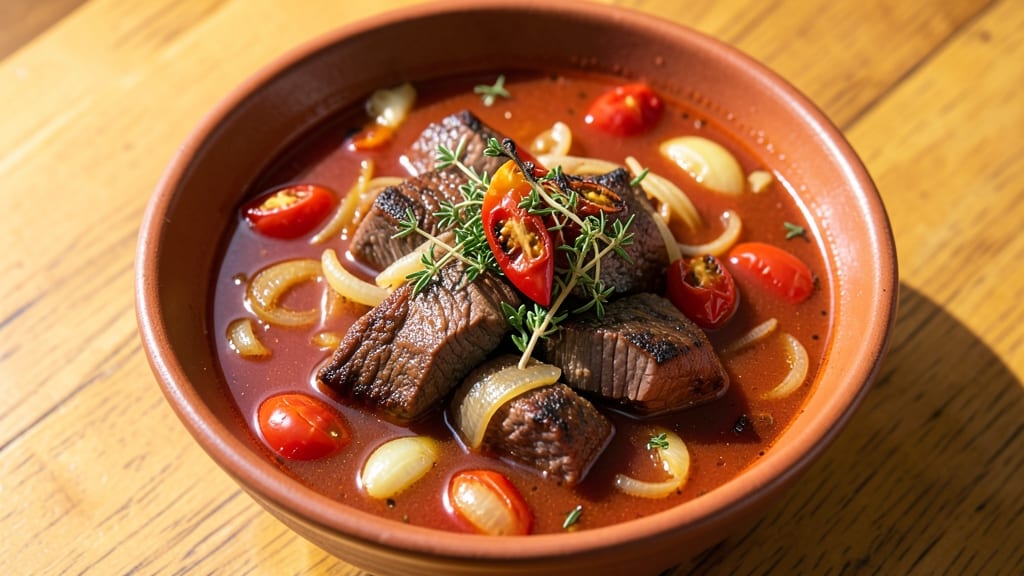
This Adasi soup recipe brings the rich, tomato-based heartiness of West African cuisine to your kitchen with its signature blend of spices, tender meat, and vibrant flavors. ✨ The secret lies in slow-cooking the ingredients until they meld into a deeply aromatic broth that clings to every bite, creating a dish that's both comforting and deeply satisfying.
What sets Adasi soup apart is its layered complexity—blended tomatoes form the base, while spices like thyme, ginger, and peppers infuse warmth without overpowering. Traditionally made with beef or goat, this version stays true to cultural roots while offering flexibility for modern kitchens.
The result is a soup that's hearty enough for a meal but light enough to serve as a starter.
By the time you finish cooking, you'll have a bowl of soup with tender meat, soft vegetables, and a broth so flavorful it tastes like it's been simmering all day.
The aroma alone will have everyone gathering around the table, and the first spoonful delivers on that promise of West African warmth in every bite.
Perfect for family dinners, holiday gatherings, or when you crave a dish that's both nourishing and full of character. Let's get started on this flavorful journey through West African tradition.
Ingredients for adasi soup
Sixteen ingredients. One deeply flavorful West African dish. No exotic finds needed.
| Ingredient | Amount | Notes |
|---|---|---|
| Beef Chuck Roast 🥩 | 2 lb | Traditional cut, pre-cubed saves time |
| Blended Tomatoes 🍅 | 2 cups | San Marzano preferred, no chunks |
| Fresh Ginger 🌿 | 2 tbsp | Finely grated, fresh root preferred |
| Fresh Thyme Leaves 🌿 | ¼ cup | Stems removed, packed loosely |
| Scotch Bonnet Peppers 🌶️ | 1 whole | Seeds removed for less heat |
| Onions 🧅 | 2 whole | Yellow or red, diced |
| Garlic Cloves 🧄 | 6 cloves | Peeled, minced fine |
| Carrots 🥕 | 3 whole | Medium, sliced into rounds |
| Tomato Paste 🍅 | ½ cup | Squeeze tube or canned |
| Vegetable Oil 🫒 | ½ cup | For initial sauté |
| Water 💧 | 6 cups | Enough for slow simmer |
| Salt 🧂 | 1 ½ tsp | Kosher or sea salt |
| Ground Black Pepper 🌶️ | ½ tsp | Freshly ground preferred |
| Fish Stock 🐟 | 1 cup | For depth of flavor |
The beef is non-negotiable—chuck roast breaks down beautifully, giving that rich, meaty texture Adasi needs. Most grocery stores carry pre-cubed beef in the freezer section, but if you're buying a whole roast, ask the butcher to cube it for you. Costco and Whole Foods often have great prices on bulk beef. For the tomatoes, San Marzano is ideal, but any good-quality blended tomatoes will work—just make sure there are no chunks. The ginger? Fresh root is best, but if you're in a pinch, powdered ginger at half the amount works too.
No Scotch bonnet? Jalapeño or habanero will give you heat, but reduce the amount to half. Fresh thyme is ideal, but dried thyme at one-third the amount gets you close. The tomato paste can be from a squeeze tube—Trader Joe's has great ones that last forever. For the fish stock, Knorr or Pacific brand work fine, but homemade is worth it if you've got time. The carrots can be baby carrots if that's what's in the fridge—just slice them thinner so they cook faster.
This soup tastes even better the next day, so make a double batch if you can. Keeps for 4-5 days in the fridge, and freezes beautifully for up to 3 months. I like to portion it into containers so I can grab a bowl whenever I need a taste of West Africa. The broth gets richer as it sits, so don't rush it—let it simmer low and slow.
Why You'll Love This Recipe
- One-Pot Magic: I swear by this—just sear the beef, toss in the blended tomatoes and ginger, then let it simmer. No extra pans, no fuss. The Scotch bonnet peppers melt into the broth, so you don’t even need to chop them finely. (Yes, even on a Tuesday night.)
- Heat Without the Hassle: That first bite of tender beef with a whisper of spicy kick? It’s the Scotch bonnet doing all the work—no need to handle raw peppers if you’re not comfortable. The thyme leaves add earthy depth, but the real star is how the ginger and tomatoes caramelize into a rich, velvety base. Honestly, it’s the kind of flavor that makes you slow down.
- Leftovers That Beg for More: This soup only gets better the next day. The beef becomes even more tender, and the flavors meld into something deeper. I freeze half the batch all the time—just reheat and serve. It’s my go-to for lazy Sundays or when unexpected guests show up. (No shame in admitting it’s my secret weapon for busy weeks.)
- Budget-Friendly Beef Boost: Beef chuck roast is cheap, but it feels luxurious here. A single roast stretches for meals, and the blended tomatoes and ginger stretch it further. I’ll be real: this is the kind of dish where you can splurge on a good cut or grab whatever’s on sale. Either way, it tastes like you put in effort. (Between us, it’s foolproof.)
Step-by-step instructions for Adasi soup
Here's how to craft this rich, tomato-based West African masterpiece—slow-cooked to tender perfection.
🔥 Step 1: Sear the Beef Chuck Roast
Heat the 0.5 cup vegetable oil in a heavy pot over medium-high heat until shimmering. Add the 2 lb beef chuck roast, cut into 1.5-inch cubes, and sear for 5-6 minutes until the edges turn deep golden brown. This step builds flavor through the Maillard reaction—don't rush it.
Work in batches if needed to avoid crowding the pot. Once browned, remove the beef and set aside. You'll notice the oil will darken slightly—this is pure flavor that will infuse your soup. Keep the pot on heat for the next step.
🍳 Step 2: Build the Flavor Base
In the same pot, add the 2 whole onions (diced) and cook for 5 minutes until softened and translucent. Add the 6 cloves garlic cloves (minced) and 3 whole carrots (sliced into rounds), cooking for another 3 minutes until fragrant.
Here's the thing—this is where the soup's depth starts. Stir in the 2 tbsp fresh ginger (finely grated) and 1 whole Scotch bonnet peppers (seeds removed, minced). Cook for 1 minute until the raw garlic smell disappears. You'll smell that bright, aromatic punch developing—this is your foundation.
🥘 Step 3: Develop the Tomato Sauce
Lower heat to medium-low and add the 0.5 cup tomato paste. Stir constantly for 2 minutes until it darkens slightly, then pour in the 2 cups blended tomatoes. Let it simmer for 5 minutes until the sauce thickens and the raw tomato taste mellows.
This is the moment that matters: add the 0.25 cup fresh thyme leaves, 1.5 tsp salt, and 0.5 tsp ground black pepper. Stir well and let the mixture cook for 3 more minutes. The thyme will release its earthy aroma, and the salt will help draw out the beef's juices later.
🔥 Step 4: Slow Simmer the Beef
Return the seared beef to the pot and pour in the 6 cups water and 1 cup fish stock. Bring to a gentle boil, then immediately reduce heat to the lowest setting. Cover partially and simmer for 2 hours, stirring occasionally to prevent sticking.
I know it seems like forever, but this slow cook is what transforms tough beef into fork-tender morsels. Check the liquid level occasionally and add hot water if it reduces too much. You'll see the beef gradually release its collagen into the broth, creating that signature West African richness.
⏰ Step 5: Finish and Adjust
After 2 hours, the beef should be tender enough to pierce with a fork. Taste the broth and adjust seasoning—you might need an extra ½ tsp salt or a pinch of pepper. Let the soup sit off heat for 10 minutes to allow flavors to meld.
Serve hot with crusty bread or rice. Each spoonful should deliver tender beef, velvety tomatoes, and layers of aromatic spices. The Scotch bonnet adds just a hint of heat, while the thyme and ginger bring that unmistakable West African warmth.
Pro Tips For Making Adasi Soup
- Brown the Beef First: Don’t skip the sear—get that chuck roast deep golden in a hot pot before adding liquid. I learned this the hard way: skipping it leaves the soup bland and mealy. Use 2 tablespoons of oil and let it sit undisturbed for 3-4 minutes per side until crusty.
- Blend Tomatoes Rough: Pulse those tomatoes in the blender until chunky, not smooth. My grandmother swore by this—it keeps the soup’s body without turning it into paste. A quick test: if it looks like thick salsa, you’re golden.
- Control the Scotch Bonnet: Wear gloves when handling that pepper—it’s not a joke. Taste it first (carefully!) to gauge heat, then add just a slit of the pod to the soup. You can always add more; you can’t take it back.
- Simmer Low and Long: After the initial boil, drop the heat to a gentle simmer—you’re not racing here. Cover and let it cook for 2.5–3 hours, stirring occasionally. Rushing it turns the beef tough; patience makes it melt-in-your-mouth tender.
Wine and beer pairings for this adasi soup
West African Reds
Adasi soup pairs beautifully with bold, fruity reds from West Africa's wine regions. I reach for a Bordeaux blend like Château Margaux—its dark berry notes and subtle earthiness complement the tomato base and thyme.
The tannins stand up to the beef's richness while the acidity cuts through the soup's heartiness. 🍷
Local Nigerian Beers
For an authentic touch, serve with Guinness Nigeria Stout or Star Lager. The stout's roasted malt notes mirror the soup's deep flavors, while the lager's crispness balances the richness. I often keep both on hand during cooking—Guinness for sipping while stirring, and Star for serving with the finished dish.
Spiced Rum Cocktails
Add a tropical twist with a Jamaican rum punch—mix 2 oz dark rum (like Appleton Estate), 1 oz lime juice, and ½ oz ginger syrup over ice.
The ginger echoes the soup's spice profile while the rum's caramel notes harmonize with the tomato sauce. Garnish with lime wheels for a vibrant presentation.
Light White Wines
If you prefer whites, try a South African Chenin Blanc like Ken Forrester. Its citrus and honeyed notes contrast nicely with the soup's savory depth. Chill it slightly—45-50°F—to enhance its refreshing qualities against the warm broth. The slight acidity prevents the soup from feeling too heavy.
Non-Alcoholic Pairings
For non-drinkers, serve with hibiscus tea (sold as "roselle" in African markets) or ginger beer. The tartness of hibiscus tea mirrors the soup's acidity, while ginger beer's spiciness complements the Scotch bonnet heat. Both drinks cleanse the palate between bites, letting the soup's flavors shine.
Nutrition facts
Frequently asked questions
Can I substitute beef with another protein in Adasi soup?
Traditional Adasi soup uses beef, but you can swap it for goat (common in West African cooking) or chicken thighs (for a lighter version). If using chicken, reduce cooking time to 45-60 minutes since it cooks faster. For a vegetarian option, use mushrooms or chickpeas—just add them at the end to avoid overcooking. The key is maintaining the soup's hearty texture.
Why does my Adasi soup taste too acidic or raw?
This usually happens if the tomatoes haven't cooked long enough or the broth isn't properly seasoned. Let the blended tomatoes simmer for at least 10-15 minutes to mellow their acidity, and always taste as you go. Add a pinch of sugar (½ tsp) to balance acidity if needed. The fish stock also adds depth—skip it only if you're avoiding seafood, but the soup will taste less rich.
How can I make Adasi soup less spicy?
Remove the seeds and membranes from the Scotch bonnet pepper before mincing—this cuts the heat by 70%. For even milder flavor, swap it for bell peppers or jalapeños (seeds removed). If you've already added the pepper, balance it with a splash of coconut milk (¼ cup) or extra blended tomatoes to dilute the spice. Taste as you go!
Can I make Adasi soup in a slow cooker or Instant Pot?
Both work perfectly! For a slow cooker, follow the same steps but transfer everything (including seared beef) after Step 3. Cook on low for 6-8 hours or high for 3-4 hours. For an Instant Pot, sauté the aromatics as directed, then add all ingredients and cook on high pressure for 30 minutes, followed by a 10-minute natural release. The Instant Pot version finishes faster but may need extra seasoning since it cooks quicker.
What’s the best way to store and reheat leftovers?
Store in an airtight container in the fridge for up to 5 days—the flavors actually improve! For reheating, warm on the stove over medium-low heat until simmering, stirring occasionally. Avoid microwaving as it can make the broth watery. If freezing, portion into containers and store for up to 3 months. Thaw overnight in the fridge before reheating. The soup tastes even better the next day!