
Soups & Stews
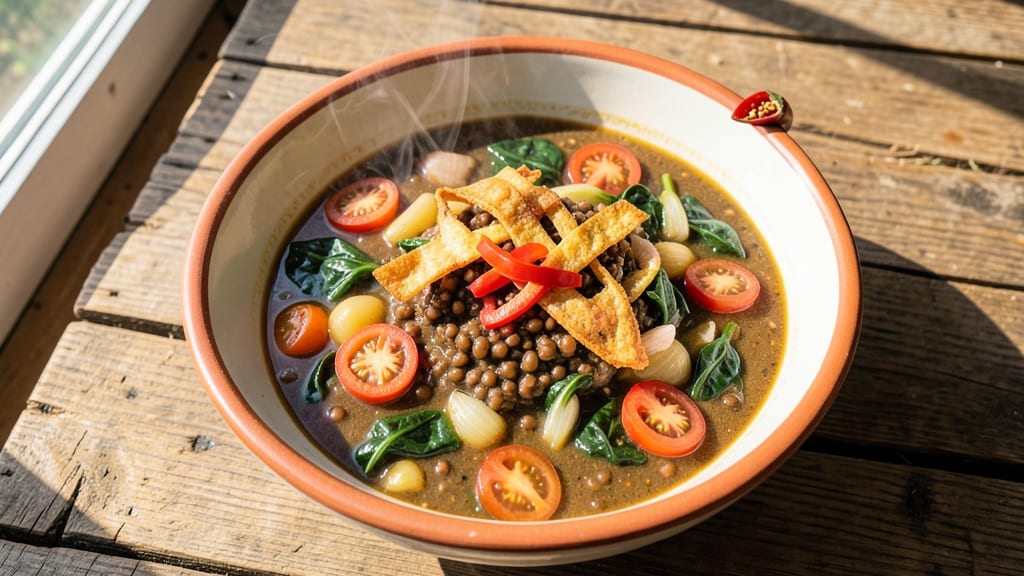
This African Egusi Soup recipe captures the heart of West African cuisine in every spoonful, where earthy egusi seeds transform into a rich, nutty thickener that binds the soup's vibrant flavors.
The secret lies in toasting the seeds until fragrant, then grinding them into a fine powder that releases their natural oils when simmered with tomatoes, peppers, and aromatic spices.
I developed this version after years of refining the balance between traditional techniques and modern convenience—keeping the soul of the dish while making it accessible for home cooks.
What sets this recipe apart is its versatility—whether you're preparing a meat-based version with chicken or fish, or a vegetarian adaptation with mushrooms and spinach, the egusi base remains the star.
The soup's depth comes from slow simmering, allowing flavors to meld into a harmonious broth that's both comforting and complex. With just 45 minutes of active time (plus 30 minutes simmering), you'll have a restaurant-quality dish that pairs beautifully with pounded yam, fufu, or even steamed rice.
The result is a soup that's thick yet velvety, with a nutty undertone from the egusi that complements the tangy tomatoes and smoky peppers. Each bite delivers layers of flavor—savory, slightly sweet, and deeply aromatic—that transport you to West African markets.
This isn't just a recipe; it's a celebration of tradition and adaptability, designed to become a staple in your cooking repertoire.
For those new to egusi, don't worry—this method simplifies the process without sacrificing authenticity. The key steps (toasting, grinding, and slow cooking) ensure the soup achieves that signature texture and flavor, while the included variations let you customize it to your taste.
Ready to make this dish your own? Let's get started.
Ingredients for african egusi soup
Toasted egusi seeds and fresh vegetables form the heart of this West African classic.
| Ingredient | Amount | Notes |
|---|---|---|
| Egusi Seeds 🌰 | ½ cup | Toasted until fragrant, ground fine |
| Fresh Tomatoes 🍅 | 2 cups | Ripe, chopped, or canned diced |
| Red Bell Pepper 🌶️ | 1 whole | Seeds removed, chopped |
| Yellow Onion 🧅 | 1 whole | Chopped, medium size |
| Fresh Ginger 🌿 | 1 inch | Peeled, grated |
| Scotch Bonnet Pepper 🌶️ | 1 whole | Seeds removed, chopped |
| Vegetable Oil 🫒 | ¼ cup | For toasting seeds |
| Dried Thyme 🌿 | 1 tsp | Or 1 tbsp fresh thyme |
| Ground White Pepper 🌶️ | ½ tsp | Freshly ground preferred |
| Salt 🧂 | 1 ½ tsp | Diamond Crystal preferred |
| Vegetable Stock 💧 | 4 cups | Low-sodium preferred |
| Mushrooms 🍄 | 8 oz | Cream or oyster preferred |
| Spinach 🌱 | 2 cups | Fresh, chopped |
| Lemon Juice 🍋 | 1 tbsp | Freshly squeezed |
| Coconut Milk 🥥 | ¼ cup | Full-fat for creaminess |
The egusi seeds are non-negotiable—look for them in African markets or specialty stores like Kaladi or African & Caribbean Foods. They should be light brown and smell nutty, not stale. Toast them in a dry pan until fragrant (about 3-4 minutes) before grinding. Costco sometimes carries them, but if not, online retailers like Amazon or African food websites deliver reliably. For the tomatoes, San Marzano canned tomatoes work perfectly if fresh aren't available—they're sweeter and less watery. The scotch bonnet is key for that signature heat, but jalapeño at half the amount will work if you can't find it.
No fresh thyme? Dried works at one-third the amount, but toast it first in the same pan as the egusi seeds to wake up the flavor. The mushrooms can be swapped for chickpeas or tofu cubes if you prefer—just increase to 1 cup for texture. For the spinach, kale or Swiss chard are great alternatives, but chop them finely so they blend into the soup. The coconut milk adds richness, but Greek yogurt or cashew cream gives a tangier profile. If you're avoiding dairy, the cashew version is perfect.
This soup tastes even better the next day—the flavors meld beautifully after resting. Store in an airtight container for 4-5 days in the fridge, or freeze portions for 3 months. I always make a double batch because it disappears fast. For reheating, add a splash of water or stock to prevent thickening. Serve with steamed rice or fufu—the contrast makes every bite more satisfying.
Why You'll Love This Recipe
- No-Chop Nightmare: I swear, this is the only soup where I can skip chopping onions like it’s my job. Toast the egusi seeds first—they release their nutty aroma in minutes—and then just blend the tomatoes, pepper, and ginger. My lazy Sundays just got a whole lot richer.
- Umami Bomb: That moment when the egusi melts into the broth? Pure magic. The seeds bring this deep, earthy richness that balances the bright tomatoes and ginger’s kick—like a hug for your taste buds. (Yes, even on a Tuesday night.)
- Leftovers That Lie: I make a double batch on Sundays, and by Wednesday, it’s still the star of my lunch. The soup thickens beautifully overnight, and reheating it just makes the flavors sing louder. My freezer’s full of these jars, saving me from takeout.
- Budget Powerhouse: Egusi seeds are cheap, and they stretch into a meal that feeds four for under $10. No fancy ingredients—just tomatoes, onions, and a little ginger to make it sing. Honestly, this is how I feed my family without breaking the bank.
Step-by-step instructions for African egusi soup
Here's how to transform simple ingredients into a rich, nutty West African masterpiece.
Toast and Grind the Egusi Seeds
Heat a dry skillet over medium heat and add the 0.5 cup egusi seeds. Toast them for 4-5 minutes, stirring constantly, until they turn a rich golden brown and release their nutty aroma. This step is crucial—it deepens the flavor and prevents bitterness in your soup.
Transfer the toasted seeds to a clean bowl and let them cool for 2 minutes. Then, grind them into a fine powder using a spice grinder or mortar and pestle. The texture should resemble coarse flour—this will create that signature thick, velvety consistency in your soup. Set aside the ground seeds for the next step.
Sauté the Aromatic Base
In a large pot, heat the 0.25 cup vegetable oil over medium heat. Add the chopped 1 whole yellow onion and cook for 3-4 minutes until softened and translucent. Stir in the chopped 1 whole red bell pepper and cook for another 2 minutes until slightly tender.
Add the grated 1 inch fresh ginger and chopped 1 whole scotch bonnet pepper (remove seeds if you prefer less heat). Cook for 1 minute until fragrant—this is where the soup builds its complex flavor profile. Real talk: Don't rush this step. The longer you cook these aromatics, the deeper the flavor develops.
Build the Soup Foundation
Add the chopped 2 cups fresh tomatoes to the pot and cook for 5-6 minutes, stirring occasionally, until they break down into a thick paste. This creates the base for your soup's rich color and acidity balance.
Sprinkle in the 1 tsp dried thyme, 0.5 tsp ground white pepper, and 1.5 tsp salt, stirring to distribute evenly. Pour in the 4 cups vegetable stock and bring the mixture to a gentle boil. Once boiling, reduce heat to medium-low and let it simmer for 10 minutes, allowing all the flavors to meld together.
Incorporate the Thickener and Vegetables
Gradually whisk in the ground 0.5 cup egusi seeds while stirring continuously to prevent clumping. The soup will thicken noticeably—this is the moment that matters: you're creating that signature West African texture. Add the 8 oz mushrooms and simmer for 5 minutes until they're tender.
Stir in the 2 cups spinach and cook for 2-3 minutes until wilted. The spinach will blend into the soup, adding vibrant color and a subtle earthiness. Remove from heat and stir in the 1 tbsp lemon juice and 0.25 cup coconut milk. This final touch brightens the flavors and adds a luxurious creaminess without overpowering the nutty egusi.
Adjust and Serve
Taste and adjust seasoning if needed—you might want to add a pinch more salt or a splash of lemon juice for brightness. The soup should be thick but still spoonable, with a balance of nutty, spicy, and tangy flavors.
Serve immediately with steamed rice or crusty bread. The soup will continue to thicken as it sits, so don't wait too long before serving. Each spoonful should deliver that perfect combination of earthy mushrooms, vibrant spinach, and the signature nutty depth from the toasted egusi seeds.
Pro Tips For Making African Egusi Soup
- Toast the Egusi: Spread the seeds in a dry pan over medium heat for 3-4 minutes until they smell nutty and fragrant. I learned this the hard way—raw egusi tastes bitter and never blends smoothly, no matter how long you cook it later.
- Blend Pepper Like a Pro: Remove the white pith from the red bell pepper before blending—it’s bitter and ruins the soup’s balance. Also, pulse it separately first, then mix with tomatoes; this keeps the texture smoother than pureeing everything at once.
- Simmer, Don’t Boil: Once the soup thickens, drop the heat to the lowest setting and let it bubble gently for at least 20 minutes. I used to rush this, and the egusi would split open, making the soup grainy and unappetizing.
- Ginger Hack: Grate the ginger thickly—no need for a fine paste. Toss it into the pot with the onions and let it cook for 5 minutes before adding tomatoes; this softens the raw edge and deepens the flavor without overpowering the dish.
Dietary considerations for these flavors
Vegetarian Adaptations
This recipe shines as a vegetarian powerhouse, thanks to the earthy mushrooms and leafy greens that mimic meaty textures. The 8 oz mushrooms (cremini or oyster work best) absorb the soup's flavors beautifully, while the 2 cups spinach adds vibrant color and nutrients.
For extra protein, swap in 1 cup cooked chickpeas or tofu cubes—they hold up well during simmering and add satisfying texture. 🌱
Gluten-Free Assurance
Egusi soup is naturally gluten-free, making it perfect for those avoiding gluten. Just ensure your vegetable stock is certified gluten-free (brands like Imagine or Pacific Foods are reliable).
The toasted egusi seeds themselves contain no gluten, and all other ingredients—tomatoes, peppers, and coconut milk—are inherently safe. Always double-check spice blends if using pre-mixed seasonings. ✨
Nut-Free Considerations
While the recipe includes coconut milk for creaminess, it can easily be omitted or replaced with Greek yogurt (for tang) or cashew cream (blended soaked cashews). The egusi seeds themselves are nut-free, though they're often sold in stores with mixed bulk bins—check for cross-contamination warnings if concerned.
For extra richness, a splash of olive oil works beautifully. 💛
Allergen-Friendly Swaps
For dairy-free needs, skip the coconut milk entirely and use silken tofu blended with water for creaminess. If you're avoiding nightshades (tomatoes/peppers), replace them with blanched okra and sautéed zucchini—they add texture without the same allergenic concerns. The soup remains hearty and flavorful while accommodating multiple dietary restrictions. 💡
Protein Boost Options
To make this a complete protein meal, stir in 1 cup cooked lentils or black-eyed peas during the final 5 minutes of simmering. For seafood lovers, add 12 oz smoked fish (like mackerel) or shrimp in the last 3 minutes—they cook quickly and infuse the broth with briny depth.
These additions keep the dish authentically West African while enhancing nutrition. 🍤
Nutrition facts
Frequently asked questions
What makes egusi seeds special in West African cooking?
Egusi seeds are the heart of this soup—their toasted, ground form creates a unique nutty depth that thickens the broth while adding protein and fiber. Unlike other thickeners, they develop a rich, earthy flavor when properly toasted and simmered. The seeds also contain healthy fats that make the soup satisfyingly hearty.
Can I substitute canned tomatoes for fresh in this recipe?
Yes! Use 1 (28 oz) can crushed tomatoes instead of fresh—just drain excess liquid first. For best results, choose San Marzano or Roma tomatoes as they have less water and more concentrated flavor. The canned version works especially well when you need to make this soup quickly or during off-seasons.
Why does my egusi soup turn out too thin or too thick?
Too thin? You likely didn't toast the seeds enough or added them too late. For thickness, whisk in 1 tbsp cornstarch mixed with water while simmering. Too thick? Thin with hot vegetable stock a little at a time. The key is adding ground egusi when the soup is at a gentle boil for proper incorporation.
How do I store and reheat leftovers?
Store in an airtight container for 4-5 days in the fridge or freeze for 3 months. To reheat, add 2-3 tbsp water per cup of soup and simmer gently—never microwave directly as it can make the egusi separate. Stir well before serving for that creamy texture.
What's the best way to serve this soup traditionally?
Pair it with pounded yam, fufu, or eba (made from fermented cassava) for the classic West African experience. For a modern twist, serve with steamed jasmine rice or crusty whole-grain bread. The starchy accompaniment balances the soup's richness perfectly.