
Soups & Stews
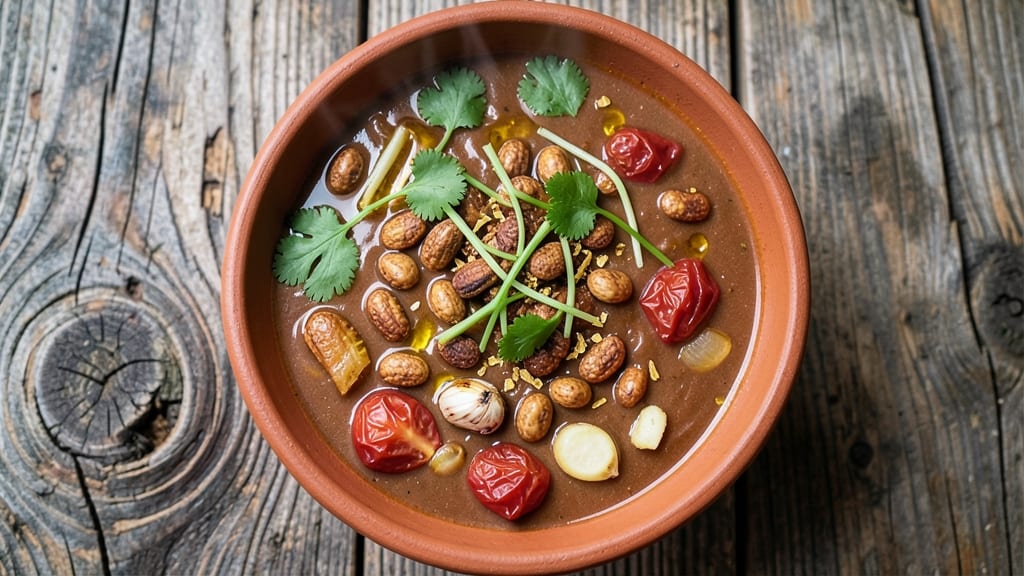
This African groundnut soup recipe delivers the deep, nutty richness of West African cuisine in a single pot—where earthy peanuts, aromatic spices, and slow-simmered tomatoes create a dish that’s both comforting and complex.
The secret lies in toasting the groundnuts until fragrant, then blending them into a velvety base that thickens the broth without losing its rustic charm. I first made this during a winter evening when I craved something hearty yet subtly sweet, and it became an instant staple in my rotation.
The beauty of this soup is its versatility—it works as a vegetarian main with tofu or chickpeas, or as a meaty feast with tender chicken or beef. Traditional techniques like slow simmering develop layers of flavor, while thyme, bay leaves, and chili add warmth and depth.
The groundnuts not only thicken the soup but also infuse it with a satisfying nuttiness that balances the acidity of tomatoes and the heat of spices. Ready in about 1 hour, it’s the kind of dish that tastes even better the next day.
What you’ll end up with is a rich, aromatic soup with a glossy sheen from the groundnut paste, tender vegetables, and a broth so flavorful it’ll have everyone asking for seconds. The texture is silky yet hearty, with just the right amount of bite from the peanuts.
Serve it with steamed rice, fufu, or crusty bread to soak up every last drop of that nutty, earthy goodness. This is the kind of recipe that transforms a simple meal into a celebration.
For those adapting it vegetarian-style, swap meat for firm tofu or white beans—they absorb the flavors beautifully while keeping the dish satisfying. The soup also reheats wonderfully, making it perfect for meal prep. Let’s get cooking—this one’s a game-changer for weeknight dinners or special gatherings alike.
Ingredients for african groundnut soup
Toasted peanuts, slow-simmered tomatoes, and aromatic spices—this soup is all about nutty depth and comforting warmth.
| Ingredient | Amount | Notes |
|---|---|---|
| Dried Peanuts 🥜 | ½ cup | Raw, unsalted for best flavor |
| Fresh Tomatoes 🍅 | 2 medium | Ripe, chopped for blending |
| Yellow Onion 🧅 | 1 whole | Chopped, medium size |
| Garlic Cloves 🧄 | 4 cloves | Peeled, minced for depth |
| Fresh Ginger 🌿 | 1 inch | Peeled, grated for zing |
| Vegetable Oil 🫒 | ¼ cup | Light, for toasting peanuts |
| Dried Thyme 🌿 | 1 tsp | Or 1 tbsp fresh thyme |
| Bay Leaves 🍃 | 2 whole | Dried, for aromatic base |
| Groundnut Paste 🥜 | ½ cup | Store-bought or homemade |
| Vegetable Broth 💧 | 4 cups | Low-sodium preferred |
| Firm Tofu 🍲 | 1 block | Cubed, for protein |
| Red Bell Pepper 🌶️ | 1 whole | Diced, for sweetness |
| Carrots 🥕 | 2 medium | Chopped, for earthiness |
| Scotch Bonnet Pepper 🌶️ | 1 whole | Seeds removed for mild heat |
| Salt 🧂 | 1 tsp | Kosher or sea salt |
The peanuts are the star here. Raw, unsalted peanuts toast best—skip the pre-salted kind. Costco or bulk bins at Whole Foods have the best prices. Toast them until fragrant (about 5-7 minutes), then blend into a paste. No blender? Trader Joe's sells pre-made groundnut paste in the international aisle. The tomatoes should be ripe but firm—heirloom varieties add extra sweetness. Fresh ginger is a must for that bright kick, but if you're in a pinch, ground ginger at half the amount works.
No firm tofu? Chickpeas or white beans work perfectly—they soak up all the nutty flavors. Running low on scotch bonnet? Jalapeño or serrano peppers add heat without overpowering. The groundnut paste can be swapped for peanut butter (no sugar added), but toast the peanuts first for better texture. Vegetable broth is key—low-sodium versions let you control the saltiness. Fresh thyme is ideal, but dried works at one-third the amount. Just make sure it's not the dusty kind—check the expiration date.
This soup tastes even better the next day—3-4 days in the fridge, no problem. Freezes beautifully for up to 3 months. I like to portion it into containers with a side of rice for easy lunches. The groundnut paste can be made ahead and stored in the fridge for 1 week or frozen for 6 months. Double the batch—you'll want leftovers.
Why You'll Love This Recipe
- Pantry to Plate Fast: I swear by this one—just soak those dried peanuts overnight (or even 4 hours in a pinch), then toss everything into a pot. No fancy prep, no stress, just warm, rich flavors by lunchtime.
- Peanut Butter’s Sophisticated Cousin: That deep, nutty base from the peanuts? It’s like peanut butter’s worldly older sibling—earthy, slightly sweet, and balanced by the bright tomatoes and zesty ginger. Honestly, it’s the kind of soup that makes you sound like a chef.
- Double-Duty Magic: Make a big batch on Sunday and it’ll feed you all week—over rice, with crusty bread, or even as a stew base for leftovers. My kids ask for it cold in lunchboxes, and my husband sneaks seconds "by accident."
- Budget-Friendly Powerhouse: Dried peanuts and tomatoes stretch this soup into a meal that won’t break the bank. Between us, I’ve made this for $3 a serving—rich, filling, and still tastes like you splurged. The ginger and garlic? Tiny cost, huge flavor payoff.
Step-by-step instructions for African groundnut soup
Here's how to create this hearty, nutty soup with rich layers of flavor in one pot.
Toast the Peanuts and Build the Base
Heat the 0.25 cup vegetable oil in a large pot over medium heat. Add the 0.5 cup dried peanuts and toast for 3-4 minutes, stirring constantly, until they turn a rich golden brown and release their nutty aroma. This step is crucial—it enhances their flavor and prevents them from turning bitter.
Remove the peanuts with a slotted spoon and set aside. In the same pot, add the 1 whole yellow onion, 2 medium chopped fresh tomatoes, 1 whole red bell pepper, and 2 medium chopped carrots. Cook for 5-6 minutes, stirring occasionally, until the vegetables begin to soften and the onion becomes translucent. You'll see the colors meld together, creating a beautiful base for your soup.
Add Aromatics and Simmer the Vegetables
Stir in the 4 cloves minced garlic cloves, 1 inch grated fresh ginger, 1 tsp dried thyme, 2 whole bay leaves, and 1 tsp salt. Cook for 2-3 minutes until the garlic turns golden and the ginger releases its bright, zesty scent. This aromatic blend forms the soul of your soup—don't rush this step, as it develops the deep, earthy flavors.
Pour in the 4 cups vegetable broth and bring the mixture to a gentle boil. Once boiling, reduce heat to medium-low and let it simmer uncovered for 15-20 minutes, stirring occasionally. You'll notice the vegetables soften further and the soup thickens slightly as the flavors meld together. This is where the magic happens—the broth absorbs all those beautiful aromatics.
Incorporate the Groundnut Paste and Tofu
While the soup simmers, cut the 1 block firm tofu into ½-inch cubes and set aside. Once the vegetables are tender, reduce the heat to low and gradually whisk in the 0.5 cup groundnut paste in a slow, steady stream. This paste is the secret ingredient—it adds that signature nutty richness and velvety texture. Continue whisking for 1-2 minutes until fully incorporated and smooth.
Add the tofu cubes and the toasted peanuts back to the pot. Stir gently to combine, then simmer for an additional 10 minutes on low heat. The tofu will absorb the flavors while the peanuts rehydrate slightly, creating a perfect balance of protein and texture. Taste and adjust seasoning if needed—you might want to add a pinch more salt or a splash of broth to reach your desired consistency.
Finish with Heat and Freshness
Remove the 2 whole bay leaves and carefully stir in the 1 whole diced red bell pepper and 1 whole scotch bonnet pepper (seeds removed for mild heat). Simmer for another 5 minutes to let the heat from the scotch bonnet pepper infuse the soup gently. The scotch bonnet adds a subtle kick without overpowering the nutty flavors—this is the perfect finishing touch.
Taste again and adjust the seasoning one final time. The soup should be rich, hearty, and balanced—nutty from the peanuts and groundnut paste, sweet from the bell pepper and carrots, and with just a hint of spice from the scotch bonnet. Serve immediately with crusty bread or over steamed rice to soak up every delicious spoonful.
Pro Tips For Making African Groundnut Soup
- TOAST PEANUTS FIRST: Skip the raw peanuts—they’ll turn to glue. Dry-toast them in a pan for 5-7 minutes until they smell nutty and darken slightly. This step makes the soup richer and prevents a slimy texture later.
- CHAR TOMATO SKINS: I used to peel tomatoes, but now I just blister them whole in a hot pan for 2 minutes per side. The char deepens the flavor and saves you from peeling seeds and pulp. Toss them in the pot raw after—no need to cook them separately.
- GINGER GRATE FINE: Skip the chopping—grate ginger so finely it’s almost invisible. A heaping teaspoon of this will add more heat and aroma than a chunky slice. If you’re lazy, freeze the ginger first; it grates like butter and sticks together less.
- LOW-SIMMER THE PEANUTS: After blending the peanuts into the soup, resist the urge to boil hard. A gentle simmer for 20-30 minutes lets the flavors meld without turning the peanuts bitter. If it looks too thick, add water—this soup should coat the back of a spoon, not cling like syrup.
Dietary considerations for this dish
Vegetarian Adaptations
This soup thrives as a vegetarian powerhouse when you swap the tofu for 1 can (15 oz) white beans or chickpeas. They soak up the nutty flavors beautifully while adding protein and heartiness.
For extra richness, stir in 2 tbsp tahini at the end—it complements the peanut notes perfectly. 🥜
If you want to keep it meat-free but add depth, consider smoked paprika (1 tsp) or liquid smoke (½ tsp) to mimic the smokiness of traditional versions. The groundnut paste already provides enough body, but adding 1 tbsp tomato paste before simmering enhances the umami profile.
Always taste as you go—vegetarian versions often need a little more salt to balance the natural sweetness of the peanuts.
Gluten-Free Assurance
This recipe is naturally gluten-free as long as you use certified gluten-free ingredients. Double-check your vegetable broth (many brands contain wheat), groundnut paste (some commercial versions may have additives), and tofu or beans (ensure they're processed in gluten-free facilities).
I recommend Annie's Homegrown vegetable broth and Trader Joe's organic tofu—both are consistently safe choices. 🌾
For extra caution, toast your peanuts in a dedicated gluten-free pan or on a baking sheet. Cross-contamination is the biggest risk, so if you're highly sensitive, prepare the soup in a completely clean pot.
The natural ingredients here make it easy to keep gluten-free without sacrificing flavor—just stay vigilant with your broth and protein choices.
Nut-Free Alternatives
If peanuts aren't an option, you can still achieve that creamy, nutty texture using sunflower seed butter (½ cup) or cashew butter (½ cup). Both work well when blended with a splash of broth to thin them out.
For a seed-based version, toast ½ cup pumpkin seeds instead of peanuts and blend them into a paste—this adds a different but equally satisfying earthiness. 🌻
Adjust the seasoning slightly when using seed butters, as they have a milder flavor than peanuts. Add an extra pinch of salt and consider boosting the garlic or ginger to compensate.
The soup will still be rich and comforting, just with a different nutty profile. This adaptation works especially well for those with peanut allergies or preferences for seed-based diets.
Protein Swaps
For a meaty version, replace the tofu with 1 lb shredded chicken or beef. Brown the meat first in the pot before adding vegetables—this creates a deeper, meatier flavor. If using beef, opt for chuck roast and cook it until tender before proceeding with the recipe.
For seafood lovers, firm white fish like cod or halibut (1 lb) works beautifully—add it in the final 10 minutes of cooking to avoid overcooking. 🐟
For a plant-based protein boost, try lentils (1 cup dry) or quinoa (½ cup cooked). Lentils add a satisfying heartiness, while quinoa contributes a subtle nutty flavor that pairs perfectly with the groundnuts.
Always adjust cooking times—lentils should simmer until tender (about 20 minutes after adding to the pot), while quinoa can be cooked separately and stirred in at the end.
Nutrition facts
Frequently asked questions
What makes this African groundnut soup different from other peanut soups?
The key lies in the toasting technique and groundnut paste method. Unlike creamy peanut soups that use peanut butter, this recipe toasts raw peanuts until fragrant, then blends them into a paste for a deeper, earthier flavor. The slow simmer with tomatoes and aromatic spices creates a complex broth that's richer than typical peanut-based dishes. Plus, the scotch bonnet pepper adds a subtle heat that balances the nuttiness perfectly.
Can I make this soup without a blender for the groundnut paste?
If you don't have a blender, you can use store-bought groundnut paste (available in African markets or international aisles) or make a quick substitute. Toast the peanuts as directed, then crush them in a food processor or even with a rolling pin until they form a coarse paste. The texture will be slightly chunkier, but the flavor will still be delicious. For extra creaminess, stir in 2 tablespoons of tahini at the end.
How can I adjust the thickness of the soup?
Start with 4 cups of broth for a balanced consistency. If it's too thick after simmering, whisk in ½ cup warm water or broth gradually until smooth. For extra richness, reduce the broth to 3 cups initially. The groundnut paste naturally thickens the soup, so if you're using a stronger peanut butter substitute, start with slightly more liquid. Always taste as you go—this soup should coat the back of a spoon but still be easy to ladle.
What's the best way to reheat leftovers without making them watery?
Reheat gently on the stove over low heat, stirring frequently, until warmed through. If it seems too thick, add 1-2 tablespoons of water or broth at a time. Microwaving works too—cover with a damp paper towel and heat in 30-second intervals, stirring between each. The soup actually improves overnight, so leftovers are even more flavorful! Store in an airtight container for up to 4 days in the fridge or freeze for 3 months.
Is this soup spicy? Can I make it milder?
The scotch bonnet pepper provides a subtle heat—not overwhelming, but noticeable. For a milder version, remove all seeds and membranes, or use ½ a pepper. If you prefer no heat at all, omit it completely and add an extra pinch of salt to balance the flavors. The natural sweetness of the peanuts and tomatoes will still shine through beautifully.