
Soups & Stews
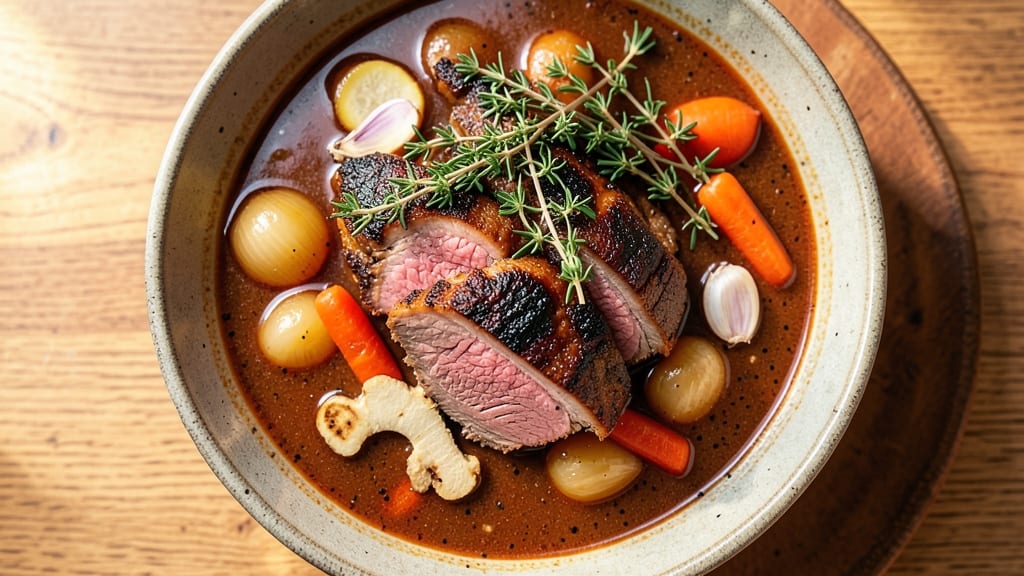
This African pepper pot soup recipe delivers the deep, soul-warming flavors of West African tradition in a single pot—where tender meat, slow-simmered spices, and rich broth create a dish that feels like a hug.
The key lies in its layered spices and hours of gentle cooking, transforming tough cuts into melt-in-your-mouth perfection while developing a broth so flavorful it becomes the star.
I’ve perfected this version to balance authenticity with approachability, ensuring every spoonful carries the warmth of communal meals I’ve enjoyed across the continent.
What makes this soup truly special is its slow-simmered depth, where spices like thyme, bay leaves, and black pepper meld with garlic and ginger to create a complex, aromatic base.
Traditionally made with beef or salted meat, this recipe honors those roots while offering modern swaps—think smoked turkey or even hearty mushrooms for vegetarians. The broth reduces gradually, intensifying flavors until the soup achieves that signature velvety richness that defines African comfort food.
By the time you serve this dish, you’ll have a steaming pot of tender meat, fragrant vegetables, and a broth so flavorful it tastes like it’s been simmering for days. The spices infuse every bite, creating a balance of heat and warmth that’s both invigorating and soothing.
Perfect for chilly evenings or family gatherings, this soup is designed to be your go-to recipe when you crave authentic, hearty comfort that feels like home.
Serve it with crusty bread to soak up every last drop of that precious broth, or pair it with jollof rice for a complete meal. The leftovers only get better as the flavors deepen—proof that good food, like good memories, improves with time. Let’s get cooking.
Ingredients for african pepper pot soup
Sixteen ingredients, one unforgettable pot of slow-simmered West African warmth.
| Ingredient | Amount | Notes |
|---|---|---|
| Beef Chuck Roast 🥩 | 3 lb | Tough cut for slow cooking |
| Yellow Onions 🧅 | 2 whole | Chopped into 1-inch pieces |
| Carrots 🥕 | 4 whole | Medium size, peeled and chopped |
| Garlic Cloves 🧄 | 8 cloves | Peeled and smashed |
| Fresh Ginger 🌿 | 2 tbsp | Grated, fresh is best |
| Fresh Thyme 🍃 | ½ cup | Leaves only, stems removed |
| Bay Leaves 🌿 | 4 whole | Dried, standard size |
| Black Peppercorns 🌶️ | 1 tbsp | Whole, lightly crushed |
| Ground Nutmeg 🌶️ | ½ tsp | Freshly grated preferred |
| Salt 🧂 | 2 tsp | Diamond Crystal kosher |
| Tomato Paste 🍅 | ½ cup | High-quality, no additives |
| Beef Broth 💧 | 4 cups | Homemade or low-sodium |
| Red Wine 🍷 | 1 cup | Dry, like Cabernet Sauvignon |
| Olive Oil 🫒 | ¼ cup | Extra-virgin for searing |
| Scotch Bonnet Peppers 🌶️ | 1 whole | Seeded, for heat (optional) |
The beef is non-negotiable—chuck roast delivers that signature melt-in-your-mouth texture after hours of simmering. Costco or Whole Foods carry it pre-cut, but if buying whole, ask your butcher to trim excess fat. Fresh ginger and thyme elevate this soup from good to extraordinary, so don’t skimp. I grab mine from local markets where the produce is vibrant and fragrant. The bay leaves? Diamond Crystal is my go-to—they hold up better than generic brands. For the tomato paste, San Marzano is worth the splurge, but any high-quality brand will do.
No red wine? Extra beef broth with a splash of balsamic vinegar works in a pinch. Fresh ginger too pricey? Ground ginger at half the amount gets you close, though fresh is ideal. Swapping beef for smoked turkey or hearty mushrooms keeps the soul of the dish intact—just increase simmering time by 30 minutes. The Scotch bonnet is optional but adds that signature West African heat. If you can’t find it, jalapeño or habanero in tiny amounts will mimic the fire. The tomato paste? Trader Joe’s squeeze tubes are perfect—they’re concentrated and waste-free.
This soup only gets better with time—3-4 days in the fridge, flavors deepening like a fine wine. Freezes beautifully for up to 3 months, though the texture changes slightly. I portion it into glass jars with a layer of olive oil on top to preserve freshness. For leftovers, reheat gently on the stove—never microwave, or you’ll break the broth’s velvety texture. Serve with crusty bread or jollof rice to soak up every last drop of that precious broth.
Why You'll Love This Recipe
- One-Pot Wonder: I swear by this recipe because it’s all in one pot—no chopping boards to clean, no extra pans to wash. Just brown the beef, toss in onions, carrots, and spices, then let it simmer. Honestly, the only prep is peeling ginger and crushing garlic, and that’s it.
- Deep, Rich Taste: That slow-cooked beef chuck falls apart in the broth, so tender it melts. The ginger and garlic caramelize into something dangerously flavorful—like a hug in a bowl, but with way more depth than your average stew.
- Weeknight Workhorse: Between us, this soup is my go-to when I’m too tired to think. It feeds four but scales easily, and the leftovers? Even better the next day. I’ll make a double batch on Sundays just to avoid cooking midweek.
- Budget-Friendly Feast: Beef chuck is affordable, and the veggies stretch the broth without breaking the bank. My family approved it the first time I served it—no takeout needed. Plus, the spices are cheap but pack a punch. Solid win.
Step-by-step instructions for African pepper pot soup
Here's how to transform tough beef into melt-in-your-mouth comfort through slow simmering and layered spices.
Sear the Beef Chuck Roast for Deep Flavor
Pat the 3 lb beef chuck roast dry with paper towels—this ensures a proper sear. Heat the 0.25 cup olive oil in a heavy Dutch oven over medium-high heat until shimmering. Place the roast in the pot and sear on all sides for 5-6 minutes total, pressing down gently with a spatula. You're building flavor through the Maillard reaction here, so don't rush this step.
The roast should develop a rich, golden-brown crust. Remove it from the pot and set aside on a plate. Here's the thing—this initial sear creates the foundation for your soup's depth of flavor, so take your time and let the meat develop that caramelized exterior before moving forward.
Build the Aromatic Base with Vegetables and Spices
In the same Dutch oven, add the chopped 2 whole yellow onions and cook for 5 minutes until softened. Add the peeled and smashed 8 cloves garlic and cook for another 30 seconds until fragrant. Stir in the grated 2 tbsp fresh ginger, 0.5 cup fresh thyme leaves, 4 whole bay leaves, and the lightly crushed 1 tbsp black peppercorns. Cook for 1 minute to release their essential oils.
Add the peeled and chopped 4 whole carrots and the 0.5 cup tomato paste, stirring to combine. Here's where it gets aromatic—you should smell the thyme and ginger mingling with the caramelized onions. Pour in the 1 cup red wine and scrape up any browned bits from the bottom of the pot. Let this simmer for 3 minutes until the wine reduces by half.
Simmer the Soup for Maximum Tenderness
Return the seared beef chuck roast to the pot. Add the 4 cups beef broth and bring to a gentle boil. Reduce heat to low, cover partially, and simmer for 2.5 hours. Here's the critical part—maintain a steady simmer, not a rolling boil. You want the beef to break down slowly, becoming fork-tender while absorbing all those beautiful flavors.
After 2.5 hours, check the beef's tenderness. It should easily pull apart with a fork. If it's not quite there, continue simmering for another 30 minutes. Add the seeded 1 whole scotch bonnet pepper and the 0.5 tsp ground nutmeg during the final 15 minutes of cooking. Stir in the 2 tsp salt and adjust seasoning to taste—this is your chance to balance the flavors before serving.
Finish with Perfect Texture and Comfort
Once the beef is fork-tender, remove it from the pot and shred it using two forks directly in the cooking liquid. Return the shredded beef to the pot and simmer uncovered for 10 minutes to reduce the soup slightly and intensify the flavors. The soup should coat the back of a spoon with a velvety consistency.
Taste and adjust seasoning one final time. The soup should be rich with beef flavor, aromatic with thyme and ginger, and have a subtle heat from the scotch bonnet pepper. Here's the comfort factor—this slow-cooked soup warms from the inside out, with each spoonful delivering layers of spice and tenderness that make it perfect for chilly evenings.
Pro Tips For Making African Pepper Pot Soup
- SEAR THE MEAT FIRST: Walk away from the stove after browning the chuck roast—it’s not done when it’s just golden, but when it’s deep brown with crusty edges. I used to rush this, and the soup always tasted flat; that crust holds flavor like nothing else.
- PEEL AND GRATE GINGER FRESH: Skip the jarred ginger paste—it’s mushy and lacks bite. Use about 1 tablespoon of fresh, peeled ginger, grated fine (the kind that sticks to your fingers). Trust me, the aroma alone changes the whole dish.
- LOW AND SLOW WINS: After the initial sear, reduce heat to a simmer—not a boil—and cover the pot. Let it cook for at least 3 hours, stirring occasionally. The meat will fall apart on its own if you’re patient.
- SAVE THE WATER FROM SOAKING: If your chuck roast is tough, soak it in water for 2 hours before cooking, then use that water (strained) to deglaze the pot. It adds depth to the broth without extra effort. (Yes, even if you’re impatient like me.)
Pro cooking tips for african pepper pot soup
Sear Like a Pro
That initial sear of the beef chuck roast is where all the magic begins. I swear by using a heavy Dutch oven—like the Le Creuset Signature—because it distributes heat evenly and retains it for hours.
Heat your oil until it's smoking hot (around 375°F) before adding the beef. Let it sear undisturbed for 3-4 minutes per side—this creates a deep, caramelized crust that locks in flavor.
Honestly, skipping this step means missing out on the rich, complex base that makes this soup unforgettable. 🔥
Spice Layering Matters
Don’t just toss in all your spices at once—that’s a rookie move. First, sauté onions until they’re soft and translucent, then add garlic and ginger for 30 seconds to bloom their flavors. After that, add thyme and bay leaves for 1 minute to release their essential oils.
This gradual approach builds depth of flavor that you won’t get from dumping everything in at the start. I like to use Penzeys Spices for my thyme—it’s consistently fresh and aromatic. 🌿
Simmer Control is Key
After adding the broth, the soup must simmer gently—never boil vigorously. A rolling boil will toughen the beef instead of tenderizing it. I use a meat thermometer to monitor the internal temperature of the beef.
Aim for 205°F—when it hits that mark, the meat will fall apart like butter. If your pot isn’t deep enough, prop it on a folded towel to keep it off direct heat and maintain even cooking. This is where patience pays off. ⏰
Wine Reduction Trick
When you add the 1 cup red wine, let it reduce by half before adding the broth. This concentrates the alcohol and deepens the flavor profile. I like to use Cabernet Sauvignon because its tannins complement the beef beautifully.
If you’re avoiding alcohol, substitute with extra beef broth and a splash of balsamic vinegar—it mimics the depth without the boozy note. The reduction step is what transforms a good soup into a great one. 🍷
Final Flavor Balance
The last 15 minutes of cooking are crucial for balancing flavors. That’s when I add the scotch bonnet pepper and nutmeg—they need time to infuse without overpowering. Taste the soup before serving and adjust with salt or a pinch of sugar if needed.
The broth should be rich but not salty, with a perfect harmony of spice, heat, and umami. Trust your palate here—this is where the soup becomes truly yours. ✨
Equipment Must-Haves
You don’t need fancy tools, but a few key items make all the difference. A heavy Dutch oven (like All-Clad) is non-negotiable—it handles the long simmer without hot spots. A meat thermometer (I love the Thermoworks Smoke) ensures perfect doneness.
For stirring, use a wooden spoon—it won’t scratch your pot. And don’t forget a fine-mesh strainer if you prefer a smoother broth. These tools turn a good soup into a restaurant-quality dish. 💡
Nutrition facts
Frequently asked questions
What makes African pepper pot soup different from other West African soups?
This soup stands out for its slow-simmered depth and unique spice blend that includes nutmeg, black peppercorns, and scotch bonnet peppers. Unlike quicker soups like jollof rice, pepper pot soup relies on hours of gentle cooking to develop its rich, velvety broth and tender meat. The wine reduction step also creates a distinct complexity you won't find in other dishes.
Can I make this soup vegetarian?
Replace the beef with hearty mushrooms (like portobello or cremini) or smoked tofu. Increase simmering time by 30-45 minutes to ensure proper texture. For extra umami, add 1 tbsp soy sauce or 1 tsp smoked paprika to the broth. The broth will still develop that signature richness, just with a plant-based twist.
Why does the recipe call for such a long cooking time?
The 2.5-hour simmer is essential for two reasons: First, it breaks down tough beef chuck into melt-in-your-mouth tenderness. Second, it allows all the spices to fully infuse, creating that complex, aromatic broth. Rushing this step results in either chewy meat or bland flavors. Think of it as a flavor investment—every extra minute makes the soup better!
What's the best way to store and reheat leftovers?
Store in an airtight container in the fridge for 3-4 days or freeze for up to 3 months. For reheating, warm gently on the stove over medium-low heat—never microwave, as it can make the broth watery. Add a splash of water or broth if needed to restore consistency. The flavors actually improve overnight!
Can I make this soup in an Instant Pot?
Yes, but with adjustments: Sear the beef first, then pressure cook on high for 60 minutes followed by a 15-minute natural release. The broth will be less reduced, so simmer uncovered for 10 minutes afterward to concentrate flavors. You'll lose some of the slow-cooked depth, but it's still delicious and much faster.