
Soups & Stews
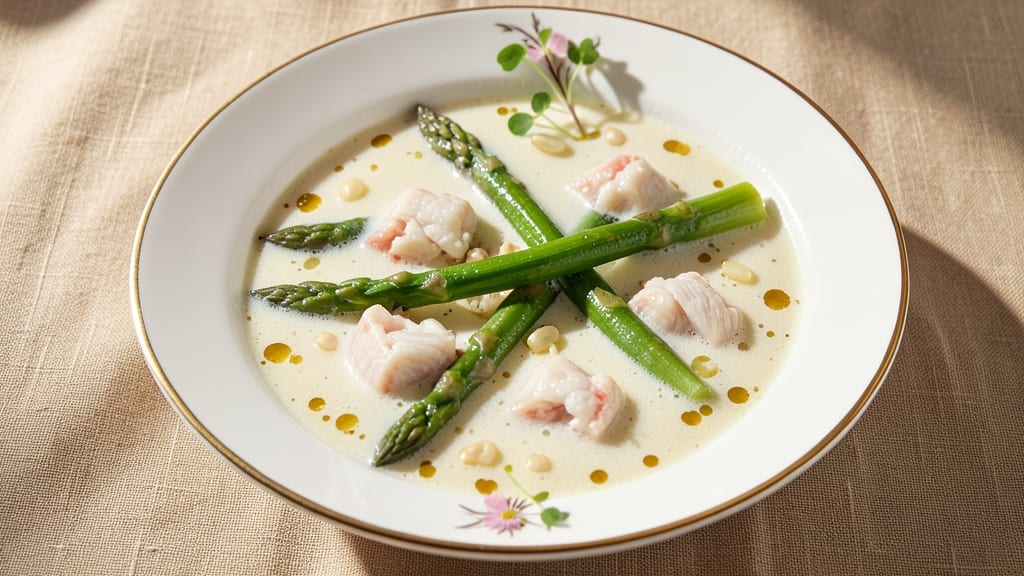
This asparagus crab soup recipe transforms a simple seafood dish into a luxurious experience that balances delicate flavors and rich textures. The secret lies in perfectly seared crab meat and crisp-tender asparagus, simmered in a velvety broth that feels indulgent yet remains light enough for spring dining.
I developed this recipe after years of refining restaurant-style soups at home, ensuring every spoonful delivers that restaurant-quality depth.
The foundation starts with a flavorful base of shallots, garlic, and white wine, which builds into a creamy yet elegant broth using heavy cream and a touch of Dijon mustard for brightness.
What sets this apart is the technique of searing the crab meat first—this creates a subtle crust that contrasts beautifully with the silky soup. The asparagus adds a fresh, slightly sweet crunch that cuts through the richness, making each bite feel balanced and sophisticated.
By the time you finish this recipe, you'll have a soup that's rich enough for a special occasion but simple enough for a weeknight dinner. The crab stays tender yet flavorful, the asparagus retains its crisp texture, and the broth achieves that perfect velvety consistency without being heavy.
This is the kind of dish that makes guests ask for the recipe—and makes you want to make it again and again.
Pair it with crusty bread for dipping or a simple arugula salad to balance the meal. The recipe scales easily, so you can serve it as an appetizer or a light main course.
Ready to create a soup that feels like a gourmet experience? Here's everything you need to bring it to life.
Ingredients for asparagus crab soup
Luxurious seafood soup with perfectly balanced textures—crisp asparagus, tender crab, and velvety broth.
| Ingredient | Amount | Notes |
|---|---|---|
| Fresh Asparagus Spears 🌱 | 1 lb | Trim woody ends, cut into 1-inch pieces |
| Lump Crab Meat 🦀 | 1 ½ lbs | Backfin or claw meat preferred |
| Shallots 🧅 | 4 whole | Minced, about 0.5 cup |
| Garlic Cloves 🧄 | 4 cloves | Minced, fresh preferred |
| Dry White Wine 🍷 | 1 cup | Sauvignon Blanc or Pinot Grigio |
| Heavy Cream 🥛 | 1 cup | Full-fat for best texture |
| Dijon Mustard 🍯 | 1 tbsp | For brightness and depth |
| Chicken Stock 🍲 | 4 cups | Homemade or high-quality low-sodium |
| Unsalted Butter 🧈 | 2 tbsp | European-style preferred |
| Lemon Juice 🍋 | 1 ½ tbsp | Freshly squeezed |
| Sea Salt 🧂 | 1 ½ tsp | Adjust to taste |
| White Pepper 🌶️ | ½ tsp | Freshly cracked for subtle heat |
| Fresh Chives 🌿 | 2 tbsp | Chopped, for garnish |
| Extra-Virgin Olive Oil 🫒 | 2 tbsp | For searing crab |
The crab meat is the star here, so prioritize quality. Look for backfin or claw meat from reputable seafood markets—Whole Foods or Trader Joe's carry excellent options. If using frozen, thaw overnight in the fridge. For the asparagus, bright green stalks with tight tips are key—avoid woody ends. The shallots should be fresh, not dried out, and the white wine should be dry, not sweet. I always use Sauvignon Blanc for its crisp acidity, but Pinot Grigio works equally well. The heavy cream must be full-fat; light or whipping cream won't give the same luxurious texture.
No lump crab? Chopped crab meat works too, but the texture will differ slightly. Running short on asparagus? Substitute with green beans or sugar snap peas, though they won't have the same delicate sweetness. If you don't have white wine, substitute with additional chicken stock and a splash of apple cider vinegar for acidity. For the Dijon mustard, whole-grain varieties add more texture. The butter? European-style (like Plugrá) melts more smoothly than American butter. Fresh herbs are ideal, but dried chives at half the amount will suffice in a pinch. The olive oil should be high-quality extra-virgin—don't skimp here.
This soup tastes even better the next day as flavors meld. Store in an airtight container in the fridge for up to 3 days, though the asparagus may soften slightly. For longer storage, freeze the broth separately from the crab and asparagus—reheat the broth first, then gently warm the seafood. Garnish with fresh chives just before serving to keep the presentation elegant. The crab meat should be seared just until opaque—overcooking turns it rubbery. If making ahead, hold the lemon juice until serving to preserve brightness.
Why You'll Love This Recipe
- Minimal Chopping Required: I swear by this—just trim those asparagus ends and slice the shallots once. The garlic cloves? Smash them with the flat side of your knife instead of mincing. Five minutes saved right there, and the flavor? Still chef’s kiss.
- Wine-Infused Luxury: That splash of dry white wine isn’t just for show—it cuts through the richness of the crab while letting the asparagus shine. Honestly, it’s the kind of depth you’d pay $50 for at a restaurant, but here? You’re the one holding the bottle.
- Weeknight or Weekend Star: Serve it steaming in bowls with crusty bread for a fancy-but-easy dinner, or let it cool slightly and pack it for lunch the next day. The crab stays tender, the asparagus holds its snap, and honestly? No one will guess it took less than 45 minutes.
- Leftovers That Don’t Let You Down: This soup actually improves the second day—flavors meld, the wine mellows into something richer. I’ll be real: I make it on Sundays just so I can reheat portions all week. (Yes, even on a Tuesday night.)
Step-by-step instructions for asparagus crab soup
Here's the method for a velvety seafood soup where fresh asparagus and sweet crab shine.
Sear the Crab Meat for Depth of Flavor
Heat the 2 tablespoons extra-virgin olive oil in a large pot over medium-high heat. Add the 1.5 lbs lump crab meat in a single layer, being careful not to overcrowd the pan. Let it sear undisturbed for 2-3 minutes per side until it develops a golden crust—this builds flavor that infuses the entire soup.
Once golden, transfer the crab to a plate and set aside. Immediately reduce the heat to medium and add the 4 whole shallots and 4 cloves garlic cloves. Sauté for 3-4 minutes until the shallots soften and become translucent. Here's the thing—don't walk away. Shallots burn quickly, and you want them sweet, not bitter.
Build the Asparagus and Wine Base
Add the 1 lb fresh asparagus spears (cut into 1-inch pieces) to the pot and stir to combine with the shallots and garlic. Cook for 4-5 minutes until the asparagus begins to soften but still retains a slight crispness. This ensures it contributes texture rather than turning mushy.
Pour in the 1 cup dry white wine and scrape up any browned bits from the bottom of the pot. Let it simmer for 3-4 minutes until the wine reduces by about half. This step concentrates the flavors and forms the aromatic foundation of the soup. If you taste it now, you'll notice the bright, vegetal notes from the asparagus and the subtle sweetness of the shallots.
Simmer with Stock and Seasonings
Add the 4 cups chicken stock and bring the mixture to a gentle boil. Once boiling, reduce the heat to low and stir in the 1 tbsp Dijon mustard, 1.5 tsp sea salt, and 0.5 tsp white pepper. Let the soup simmer uncovered for 15 minutes, stirring occasionally. This allows the flavors to meld and the asparagus to fully tenderize without losing its color.
After 15 minutes, taste and adjust the seasoning if needed. The soup should be well-seasoned but not overly salty. The mustard adds a subtle tang that balances the richness of the crab and cream. If the soup looks too thick, you can thin it with a splash of water or more stock, but it should remain luscious and velvety.
Finish with Cream and Acid
Return the seared crab meat to the pot and stir gently to warm through. Add the 1 cup heavy cream and 2 tbsp unsalted butter, stirring constantly over low heat for 3-4 minutes until the cream is fully incorporated and the soup is smooth. The butter adds a silky mouthfeel, while the cream rounds out the flavors.
Finally, stir in the 1.5 tbsp lemon juice and 2 tbsp fresh chives. The acidity brightens the soup, cutting through the richness of the cream and crab. The chives add a fresh, herbal note that elevates the dish. Let the soup rest for 5 minutes off the heat to allow the flavors to fully meld. This is the moment that matters—patience ensures a cohesive, restaurant-quality result.
Serve Warm with Garnish
Ladle the soup into bowls, ensuring each serving gets an even distribution of crab and asparagus. Garnish with an additional sprinkle of fresh chives and a drizzle of extra-virgin olive oil for added richness. Serve immediately while the soup is steaming hot, as the flavors continue to develop with each spoonful.
This soup delivers a perfect balance of textures—creamy yet bright, sweet yet savory, with the delicate crunch of asparagus and the luxurious bite of crab. Don't skip the lemon juice; it's what transforms a good soup into a great one. Enjoy with crusty bread to soak up every last drop.
Pro Tips For Making Asparagus Crab Soup
- Trim Asparagus Right: Cut the tough bottoms off asparagus spears at a 45-degree angle—this hides the ugly ends and makes the soup look polished. I used to snap them like I do for roasting, but angled cuts keep the dish looking intentional.
- Sear Shallots First: Cook the shallots in butter over medium-low heat until they’re golden, not brown—this prevents bitterness and builds flavor. I learned this the hard way after burning them twice and ending up with a weird, ashy taste in the soup.
- Add Wine Last: Pour the white wine in just before the crab meat goes in—this keeps its bright acidity from cooking off. I used to add it earlier, and the soup would taste flat and one-dimensional.
- Use Cold Crab Meat: Pat the lump crab meat dry with paper towels and let it sit in the fridge for 10 minutes before adding it to the hot soup—this prevents it from turning rubbery. Sounds weird, but it works every time.
Common mistakes when making this recipe
Overcooking Crab
The biggest mistake I see is overcooking the crab meat, which turns it rubbery instead of tender. The searing step should only take 2-3 minutes per side—any longer, and the delicate texture breaks down.
I recommend working in batches if needed to avoid crowding the pan. Once seared, keep the crab warm in a 200°F oven while you finish the soup to maintain its perfect texture. 🦀
Skipping the Sear
Some recipes call for adding crab directly to the simmering broth, but this misses the golden crust that adds depth of flavor. That sear creates a Maillard reaction that infuses the entire soup with nutty, caramelized notes.
If you're short on time, at least pat the crab dry thoroughly before adding it back to the pot—this helps it brown better. 🔥
Ignoring Wine Reduction
Rushing the wine reduction step means losing the aromatic foundation of the soup. The wine should reduce by about half (3-4 minutes of simmering) to concentrate its flavors.
If you're impatient, reduce it first in a separate saucepan before adding to the pot. This step is what transforms a simple seafood soup into something truly sophisticated. 🍷
Using Low-Quality Stock
Cheap or salty store-bought stock can ruin the delicate balance of flavors. Always use homemade stock or a high-quality low-sodium brand like Pacific Foods or Imagine.
If you must use canned, dilute it with water and taste before adding to the soup. The stock carries the soup's soul—don't compromise here. 🥄
Adding Cream Too Early
Stirring in the heavy cream while the soup is still simmering at high heat can cause it to curdle or separate. Always add the cream and butter together over low heat after the soup has simmered and the crab has been returned.
This ensures a silky, velvety texture rather than a broken sauce. 🥛
Neglecting the Rest Time
Serving the soup immediately after cooking means missing out on flavor development. Let it rest for 5 minutes off the heat before serving—this allows the flavors to meld and the cream to fully emulsify.
I've learned this the hard way: impatiently serving too soon always leaves the soup feeling disjointed. ✨
Nutrition facts
Frequently asked questions
Can I make this asparagus crab soup with frozen crab?
Fresh lump crab delivers the best texture, but frozen works in a pinch. Thaw overnight in the fridge and pat completely dry before searing—this helps achieve that golden crust. If using pre-cooked frozen crab, skip the searing step and add it directly to the simmering broth after the wine reduction. The flavor will still be excellent, though the texture won't be quite as luxurious.
What's the best way to store leftovers?
Store in an airtight container in the fridge for up to 3 days, though the asparagus may soften slightly. For longer storage, freeze the broth separately from the crab and vegetables—reheat the broth first, then gently warm the seafood. Always hold the lemon juice until serving to preserve brightness. The soup actually tastes better the next day as flavors meld!
Can I make this soup vegetarian?
Swap the crab for 1 lb king oyster mushrooms or hearts of palm (drained and chopped). For a seafood alternative, use firm white fish like cod or halibut (cut into chunks and poached instead of seared). Boost umami with 1 tsp fish sauce or soy sauce in the broth. The asparagus and wine base will still shine as the star.
How do I adjust the spice level?
The recipe uses white pepper for subtle heat, but you can customize it. For more kick, add ½ tsp cayenne or red pepper flakes with the seasonings. For smoky depth, stir in ½ tsp smoked paprika when sautéing the shallots. Always taste as you go—this soup balances delicate flavors, so keep adjustments minimal.
What's the ideal serving temperature?
Serve steaming hot at 180-190°F for the perfect mouthfeel. The cream and butter should be fully incorporated but not boiling. If reheating from the fridge, warm gently on low heat or in a microwave at 50% power, stirring halfway. Never let it boil after adding cream to avoid curdling.