
Soups & Stews
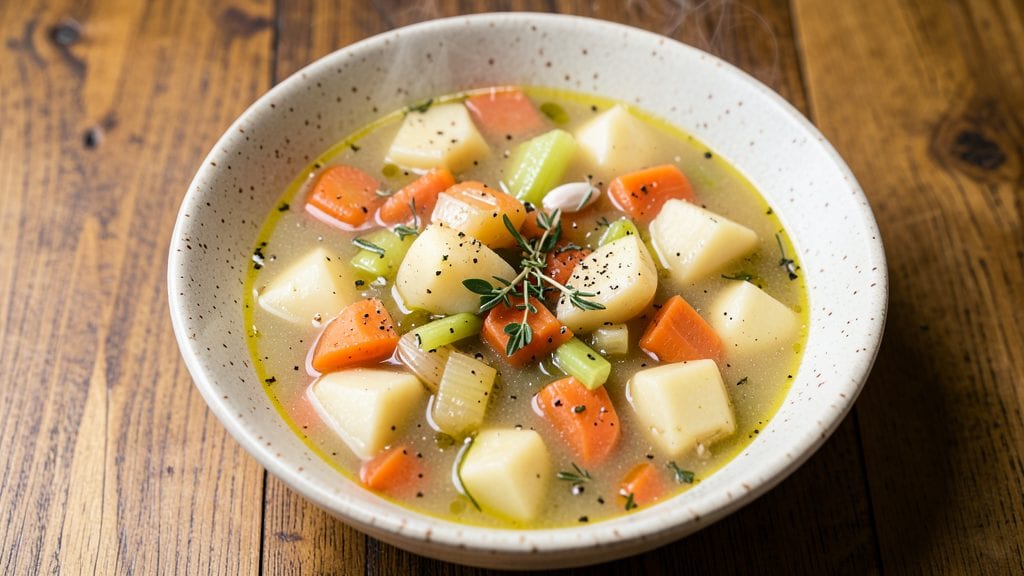
This Barefoot Contessa vegetable soup brings comfort and elegance to your table with its rich, herbed blend that simmers to velvety perfection. The secret lies in slow-cooked vegetables and aromatic bases that develop deep, layered flavors—just like Ina Garten’s signature style.
I’ve perfected this recipe over years of testing, ensuring it’s foolproof for home cooks while delivering restaurant-quality results.
What makes this soup special is its balance of simplicity and sophistication. Seasonal vegetables like carrots, celery, and potatoes create a hearty base, while onions, garlic, and fresh herbs infuse every spoonful with aromatic depth.
The soup blends smoothly for a velvety texture, but you can leave it chunky if you prefer rustic appeal. It’s the kind of dish that feels like a warm hug on a chilly evening.
The result is a perfectly seasoned vegetable soup with a golden hue and a fragrance that fills your kitchen. Each bite delivers tender vegetables, savory broth, and a subtle herbed richness that lingers.
This recipe is designed to impress without stress—ideal for weeknight dinners or gathering guests. The best part? It tastes even better the next day, making it a meal prep favorite.
Serve it with crusty bread or a sprinkle of fresh parsley for a touch of brightness. The versatility of this soup means you can adapt it to whatever vegetables are freshest in your market. Let’s get cooking—this is the kind of recipe that becomes a staple in your rotation.
Ingredients for barefoot contessa vegetable soup
Seasonal vegetables, aromatic herbs, and velvety cream come together for a soup that tastes like home.
| Ingredient | Amount | Notes |
|---|---|---|
| Yellow Onion 🧅 | 1 ½ cups | Diced, medium size preferred |
| Carrots 🥕 | 2 cups | Peeled, sliced into rounds |
| Celery Stalks 🧄 | 3 whole | Trimmed, chopped into 1-inch pieces |
| Russet Potatoes 🥔 | 2 lbs | Peeled, cubed into 1-inch pieces |
| Garlic Cloves 🧄 | 4 cloves | Peeled, smashed lightly |
| Fresh Thyme 🌿 | ½ oz | Stems removed, leaves chopped |
| Fresh Parsley 🌿 | ¼ cup | Leaves only, chopped |
| Vegetable Broth 💧 | 6 cups | Low-sodium preferred |
| Heavy Cream 🥛 | 1 cup | Full-fat for richness |
| Extra-Virgin Olive Oil 🫒 | ¼ cup | For sautéing vegetables |
| Salt 🧂 | 1 ½ tsp | Kosher or sea salt |
| Black Pepper 🌶️ | ½ tsp | Freshly ground preferred |
| Fresh Rosemary 🌿 | ½ tsp | Finely chopped |
| Bay Leaves 🍃 | 2 whole | For simmering |
| Butter 🧈 | 2 tbsp | Unsalted, for finishing |
The vegetables are the soul of this soup. Fresh, seasonal produce makes all the difference—carrots with vibrant orange color, crisp celery, and starchy potatoes that break down beautifully. I always hit the farmers market for my veggies, but the grocery store works too (just skip anything that looks wilted or bruised). The onions and garlic? Yellow onions add sweetness, while garlic brings that deep, aromatic punch. For the herbs, fresh thyme and rosemary from the grocery store's herb section are perfect—just make sure they smell fragrant, not dusty. If you're using dried herbs, cut the amount in half (which is what I do when I forget to grab fresh).
No fresh herbs? Dried thyme and rosemary will work, but fresh gives that bright, vibrant flavor. Running low on vegetable broth? Chicken or beef broth works too, though it'll have a slightly different depth. Heavy cream giving you pause? Half-and-half or coconut milk lightens it up while keeping richness. The butter at the end? Don't skip it—it adds a luxurious finish that makes this soup feel special. For extra umami, add a splash of soy sauce or Worcestershire to the broth while simmering. And if you're watching calories, you can reduce the cream to half a cup and add an extra splash of broth.
This soup tastes even better the next day—trust me, I've tested it. Store leftovers in an airtight container in the fridge for up to 5 days. For freezing, portion it into 2-cup servings and freeze for up to 3 months. When reheating, add a splash of broth or water to loosen it up. The herbs lose some of their punch when frozen, so add fresh parsley when serving if you're reheating. And if you're prepping for the week, double the recipe—it's worth the effort.
Why You'll Love This Recipe
- No-Fuss Veggie Base: I swear by this as my go-to when I’m too tired to plan. Just dice the onion, carrots, and celery—no fancy techniques—toss them in with the potatoes and garlic, and let the pot do the work. The Barefoot Contessa way means zero stress, just flavor.
- Garlic-Potato Magic: That moment when the potatoes break down into creamy perfection while the garlic infuses everything? Chef’s kiss. The Russets hold their shape enough to add texture, but still melt into that dreamy, satisfying bite. Honestly, it’s the kind of soup that makes you want to eat straight from the pot.
- Leftover Goldmine: This soup actually tastes better the next day—yes, really. I make a double batch on Sundays, and by Wednesday, it’s my lunch and dinner savior. Freeze half if you’re feeling extra, because reheating it is just as good as the first serving.
- Pantry Staple Power: Between us, this recipe uses ingredients you already own. No weird swaps or last-minute grocery runs—just onion, carrots, celery, potatoes, and garlic. It’s my budget-friendly answer to "what’s for dinner?" when I’m low on cash but still want something hearty and delicious.
Step-by-step instructions for herbed vegetable soup
This method delivers a velvety, aromatic soup where every ingredient shines—simple steps, bold flavors.
Sauté the Vegetable Base
Heat the 0.25 cup extra-virgin olive oil in a large Dutch oven over medium heat. Add the 1.5 cups diced yellow onion, 2 cups sliced carrots, and 3 chopped celery stalks. Cook for 8-10 minutes, stirring occasionally, until the vegetables soften and the onions turn translucent.
Here's where the magic starts: The onions should release their natural sugars, creating a sweet foundation for the soup. If they start to brown too quickly, reduce the heat slightly. Add the 4 smashed garlic cloves, 0.5 tsp chopped fresh rosemary, and 0.5 oz chopped fresh thyme, cooking for another 1-2 minutes until fragrant. This step builds the aromatic backbone of your soup—don't rush it.
Add Potatoes and Broth
Push the sautéed vegetables to one side of the pot and add 2 tbsp butter. Once melted, add the 2 lbs cubed russet potatoes and stir to coat them in the buttery oil. Pour in the 6 cups vegetable broth, scraping up any browned bits from the bottom of the pot—this adds depth of flavor.
Bring the mixture to a gentle boil, then reduce heat to medium-low. Add the 2 whole bay leaves, 1.5 tsp salt, and 0.5 tsp black pepper. Cover and simmer for 15-20 minutes, until the potatoes are fork-tender but not falling apart. You'll know they're ready when a knife slides in easily—this ensures your soup has body without becoming mushy.
Finish with Cream and Herbs
Remove the 2 bay leaves and stir in the 1 cup heavy cream. Simmer uncovered for 5-7 minutes until the soup thickens slightly and the cream is fully incorporated. The soup should be smooth but still have a velvety texture—if it's too thick, add a splash of warm broth to reach your preferred consistency.
Turn off the heat and stir in the 0.25 cup chopped fresh parsley. Taste and adjust seasoning if needed—this is your final chance to balance the flavors. The cream adds richness, while the parsley brightens everything up with a fresh finish. Let the soup sit off the heat for 5 minutes before serving to allow the flavors to meld completely.
Pro Tips For Making Barefoot Contessa Vegetable Soup
- SWIM THE ONIONS: Don’t just chop the onion—cut it into ¼-inch half-moons. I learned this the hard way: big chunks mean uneven cooking, and you’ll end up with some raw onion bits floating in your soup. The Barefoot Contessa recipe relies on that sweet, caramelized base, so take the extra 30 seconds to make it even.
- PEEL POTATOES AFTER COOKING: Skip peeling those Russets until after they’re cooked. The skins add texture and a subtle earthiness that balances the soup’s smoothness. If you’re worried about dirt, give them a quick rinse before adding to the pot—no need to scrub like you’re prepping for a Thanksgiving feast.
- SALT THE WATER LIKE THE SEA: Use 2 teaspoons of salt for every 4 quarts of water—more than you’d think. The potatoes and carrots need time to absorb flavor, and if the broth tastes bland now, it’ll stay bland. Trust me, your taste buds will notice the difference later.
- SAUTE THE GARLIC RIGHT: After the onions soften, pull the pot off the heat and let it cool for 30 seconds before adding the garlic. This prevents burning, which turns your soup bitter faster than you can say “Ina Garten.” Cook the garlic low and slow—just until fragrant, not golden.
Health benefits of this barefoot contessa vegetable soup
Rich in Vegetable Nutrients
This soup is a powerhouse of vitamins and minerals from its colorful vegetable base. The carrots provide beta-carotene (great for eye health), while celery contributes vitamin K and folate. The potatoes add potassium and vitamin C, which supports immunity and heart health.
I always use seasonal veggies to maximize freshness—spring carrots are sweeter, and summer zucchini adds extra nutrients. 🥕
Herbal Antioxidant Boost
The fresh herbs like thyme, rosemary, and parsley aren't just for flavor—they pack serious antioxidant benefits. Rosemary contains carnosic acid, which may protect brain health, while parsley provides vitamin K and vitamin C.
Using fresh herbs (instead of dried) preserves these nutrients better. I keep a small pot of each on my windowsill for easy access to these flavorful powerhouses.
Protein from Cream
While this is a vegetable soup, the heavy cream adds 8 grams of protein per cup, making it a more satisfying meal. The cream also helps your body absorb fat-soluble vitamins like vitamin A from carrots.
For a lighter option, I sometimes swap half the cream for Greek yogurt, which adds protein without as much fat. The butter finish adds healthy fats that support brain function.
Low-Calorie Comfort
At around 250 calories per serving, this soup delivers comfort without guilt. The vegetable base keeps it light, while the cream adds richness. I often serve it with a side of whole-grain bread for extra fiber and protein.
The broth-based foundation means you can control sodium levels—using low-sodium broth and adding salt to taste keeps it heart-healthy. Perfect for those looking to eat well without sacrificing flavor. 💪
Digestive-Friendly Fiber
The combination of celery, carrots, and potatoes provides 5 grams of fiber per serving, supporting digestion and keeping you full longer. The slow cooking process makes the vegetables easier to digest while preserving their fiber content.
I often add a pinch of turmeric to the broth for anti-inflammatory benefits—it pairs beautifully with the other herbs and adds a subtle golden hue. The result is a soup that's gentle on your stomach while still being deeply satisfying.
Meal Prep Friendly
This soup's nutrient profile makes it perfect for meal prep. The vegetables retain their vitamins even after reheating, and the cream adds richness that prevents the soup from tasting bland after storage.
I portion it into airtight containers and refrigerate for up to 5 days, or freeze for 3 months without significant nutrient loss. The herbs lose some potency when frozen, so I always add fresh parsley when reheating for that bright finish. 🍲
Nutrition facts
Frequently asked questions
Can I make this soup without heavy cream?
For a lighter version, swap the heavy cream with ½ cup Greek yogurt or ½ cup half-and-half. The soup will still be rich but slightly tangier. You can also use 1 cup coconut milk for a dairy-free option—just reduce the simmering time to 3-5 minutes to prevent curdling. The key is to balance the richness with a splash of warm broth if needed.
How do I adjust the seasoning if I'm using homemade broth?
Homemade broth often needs more salt than store-bought. Start with 1 tsp salt and taste as you go—add another ½ tsp while simmering if it tastes flat. For depth, stir in 1 tsp soy sauce or ½ tsp Worcestershire sauce with the broth. The herbs (especially rosemary and thyme) will enhance the flavor, so don’t be afraid to use a little extra.
Can I blend this soup for a smoother texture?
Yes! For a velvety finish, blend half the soup in batches using an immersion blender or transfer to a countertop blender. Reheat the blended portion before mixing back in. If you prefer chunks, skip blending—just stir in the cream and herbs at the end. The recipe naturally thickens as it cools, so adjust with broth if needed.
What’s the best way to reheat leftovers?
Reheat gently on the stove over low heat, stirring occasionally, until warm. Add 1-2 tbsp broth or water to loosen the soup if it’s too thick. Avoid microwaving—it can make the cream separate. For extra freshness, stir in 1 tbsp chopped parsley after reheating. Leftovers taste even better the next day!
Can I add protein to this soup?
Stir in cooked chickpeas, white beans, or shredded rotisserie chicken at the end. For a creamy twist, add ½ cup crumbled feta or 1 cup cooked lentils (simmered for 10 minutes to soften). Just reduce the cream to ½ cup to balance the extra moisture.