
Tips
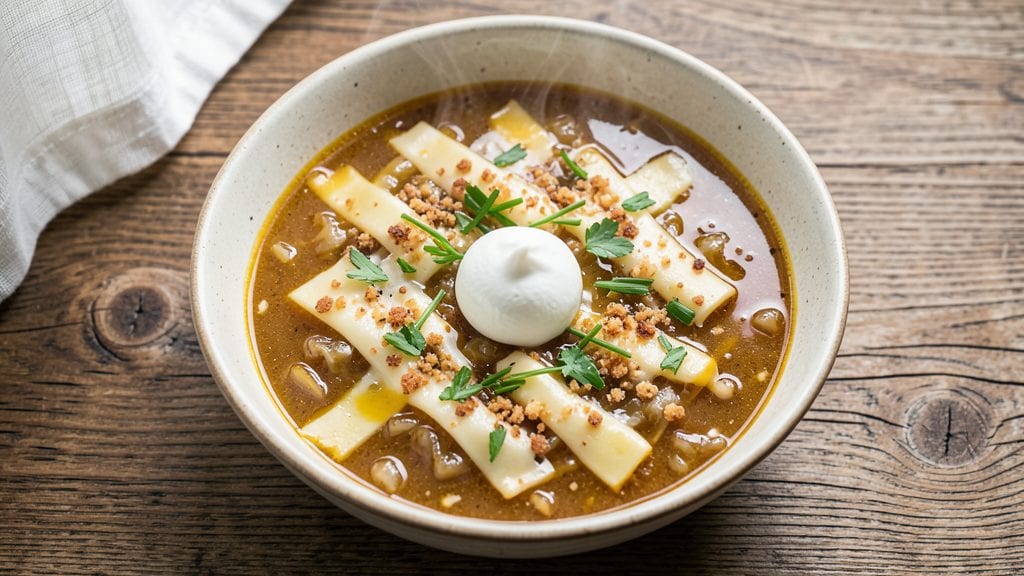
The best beer for beer cheese soup recipes is a malty, medium-bodied ale like a brown ale, amber ale, or dark lager—such as Samuel Adams Nut Brown Ale or Guinness—because their caramel, nutty, or roasted notes deepen the soup’s richness without overpowering the cheese. Avoid overly hoppy or light lagers, which can clash with the dish’s creamy, savory profile.
The right beer enhances the soup’s depth by harmonizing with its creamy, savory base. A well-chosen amber ale or brown ale introduces layers of toasted malt and caramel undertones, while dark lagers add a subtle roasted complexity that complements sharp cheddar or gouda.
The key is balancing malt sweetness with just enough bitterness to cut through the richness—something lighter beers or IPAs simply can’t achieve without overpowering the dish. 🔥
Even if you don’t have these exact styles, look for beers with ABV between 5-7% and minimal hop character. Non-alcoholic options like malty stouts or even a dry red wine can work in a pinch, though they’ll require adjustments to seasoning.
The goal is to let the beer’s natural depth shine while keeping the cheese as the star. Simmering the beer first helps reduce alcohol content and concentrate those desirable flavors. ✨
💡 In This Article
- How Beer Styles Enhance Beer Cheese Soup Flavor
- Top 5 Malty Beers for Beer Cheese Soup and How to Substitute
How beer styles enhance beer cheese soup flavor
The secret lies in malt profiles and fermentation processes that create the perfect harmony with beer cheese soup. Malty beers like brown ales and amber ales contain higher levels of unmalted barley and caramel malt, which develop sweet, toasty, and nutty flavors during brewing.
These notes—think caramelized sugar and toasted bread crusts—mirror the natural sweetness found in sharp cheddar or gouda, creating a seamless flavor bridge. The alcohol content (5-7% ABV) also plays a role by adding subtle warmth without overpowering the dish's creamy texture.
Fermentation temperature matters too. Amber ales fermented at cooler temperatures (50-55°F) preserve more of their malty sweetness, while stouts fermented warmer (68-72°F) develop deeper roasted coffee and chocolate notes that pair beautifully with aged cheeses.
This is why a Guinness works so well—its dark malt profile introduces complexity that light beers simply can't match. The key factor is avoiding beers with excessive hop bitterness (IBUs over 40), which can clash with the soup's richness and create an unpleasant astringency.
Contrast this with poor choices like IPAs or pilsners. Their high hop content (60-100 IBUs) introduces piney, citrusy flavors that compete with the cheese's sharpness, creating a disjointed taste experience.
Even light lagers with minimal malt character (2-3% ABV) lack the depth needed to complement the soup's creamy base.
What most people don't realize is that the beer's alcohol content doesn't just add flavor—it also helps emulsify the soup's fat content, creating a silkier mouthfeel that's essential for the perfect texture.
Here's what's actually happening chemically: The beer's proteins and carbohydrates interact with the cheese's fats during simmering, creating a natural thickening agent. This is why reducing the beer by half its volume before adding it to the soup concentrates these beneficial compounds.
The result is a soup where the beer's malt sweetness enhances the cheese's umami notes while the alcohol's warmth rounds out the overall profile—something you simply can't achieve with lighter beer styles.
Consider these key factors when choosing your beer:
- Malt Profile: Look for beers with 20-40% caramel malt in their grist. These provide the sweet, toasty notes that complement cheese.
- Hop Balance: Aim for 20-40 IBUs—enough bitterness to cut through fat, but not so much it overpowers.
- Alcohol Content: 5-7% ABV adds warmth without dominating the dish's flavor.
- Fermentation Style: Cool-fermented ales preserve sweetness; warm-fermented stouts develop roasted complexity.
The science behind this involves Maillard reactions—the same process that creates browning in toasted bread. When you simmer the beer, these reactions develop even more caramelized flavors that perfectly complement the cheese's natural umami compounds.
This is why a properly chosen beer can transform a simple beer cheese soup from good to extraordinary. 💫