
Soups & Stews
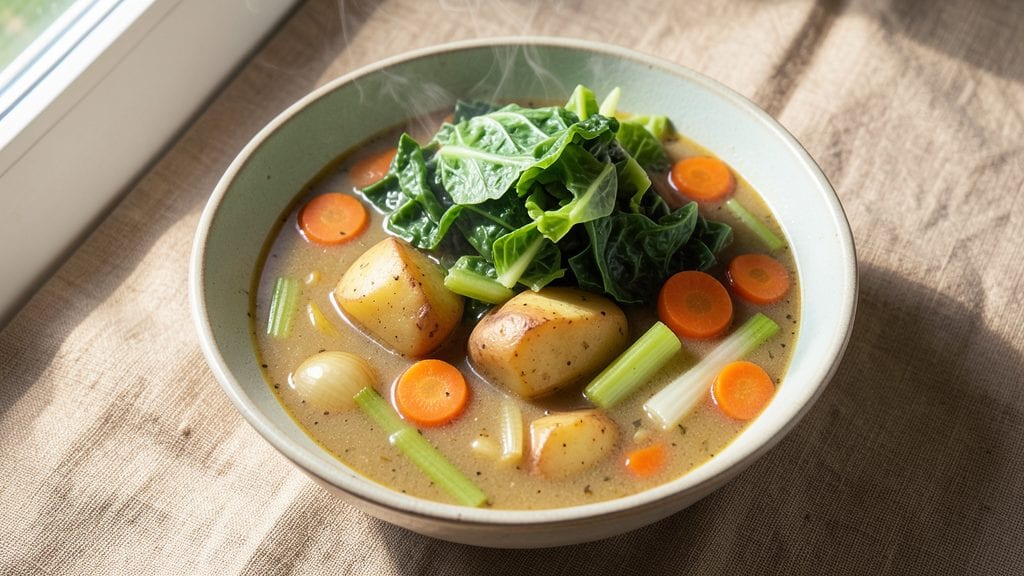
Betty Crocker's cabbage soup recipe delivers a one-pot, hearty meal that transforms simple pantry staples into a comforting classic. This trusted method builds flavor through slow simmering, where onions caramelize and cabbage softens into tender perfection.
I've adapted the original approach to use accessible ingredients while keeping the foolproof techniques that make it a kitchen staple.
The beauty of this recipe lies in its versatility—start with a rich broth base, then layer in cabbage, potatoes, and carrots for natural sweetness. A touch of cream at the end adds velvety texture without overpowering the soup's rustic charm.
What sets this apart is the balanced seasoning, where bay leaves and peppercorns infuse depth while keeping prep straightforward.
By the time it simmers for 30 minutes, you'll have a savory, aromatic soup that's as nourishing as it is satisfying. The cabbage becomes tender yet retains its subtle crunch, while the broth reduces to a rich, flavorful base.
This is the kind of recipe that feels like a hug in a bowl—perfect for chilly days or meal prep.
For extra heartiness, brown ground sausage or crispy bacon before adding the vegetables. The one-pot method means minimal cleanup, and leftovers reheat beautifully. Let's get started on this comforting classic!
Ingredients for betty crocker cabbage soup
Pantry staples transformed through slow simmering into a comforting, one-pot cabbage soup classic.
| Ingredient | Amount | Notes |
|---|---|---|
| Green Cabbage 🥬 | 1 ½ lb | Outer leaves removed, chopped |
| Yellow Onions 🧅 | 2 whole | Medium, thinly sliced |
| Russet Potatoes 🥔 | 2 lb | Peeled, cubed evenly |
| Carrots 🥕 | 3 medium | Peeled, sliced into rounds |
| Celery Stalks 🌿 | 3 whole | Chopped, including leafy ends |
| Chicken Broth 💧 | 6 cups | Low-sodium preferred |
| Bay Leaves 🌿 | 2 whole | Standard dried leaves |
| Black Peppercorns 🌶️ | 1 tsp | Crushed for infusion |
| Salt 🧂 | 1 ½ tsp | Diamond Crystal preferred |
| Heavy Cream 🥛 | ½ cup | Full-fat for richness |
| Ground Black Pepper 🌶️ | ½ tsp | Freshly ground preferred |
| Garlic Cloves 🧄 | 3 cloves | Mincing for depth |
| Parsley 🌿 | ¼ cup | Chopped, for garnish |
The cabbage is the heart of this dish, so opt for fresh, firm heads with crisp outer leaves. Trader Joe's and Whole Foods carry excellent organic options, but any grocery store's standard green cabbage works perfectly. For extra flavor, leave the outer leaves on during cooking—they infuse the broth beautifully. If using pre-shredded cabbage, rinse it thoroughly to remove any excess moisture that could dilute the soup. The onions should be yellow or sweet varieties—they caramelize better than white onions, adding natural sweetness to balance the cabbage's earthiness. Store cabbage unwrapped in the fridge for up to 2 weeks—it keeps well without wilting.
No chicken broth? Vegetable broth or even water with bouillon cubes works in a pinch, though the flavor depth will differ. For a meatier taste, brown ground pork or Italian sausage before adding the vegetables—this adds protein and richness without altering the soup's fundamental structure. Fresh garlic is ideal, but garlic powder at half the amount suffices if needed. The bay leaves and peppercorns are non-negotiable for depth—Penzeys or McCormick brands offer consistent quality. If you're using pre-minced garlic, toast it lightly in a dry pan first to mellow its sharpness. The heavy cream at the end is optional but adds a luxurious finish—full-fat works best for that velvety texture, though light cream or coconut milk can substitute for a dairy-free version.
This soup reheats beautifully—simmer gently on the stove or microwave until just hot, stirring occasionally to prevent scorching. It keeps for 5 days in the fridge, with flavors deepening over time. For longer storage, freeze portions in airtight containers for up to 3 months. The cabbage will soften further upon reheating, so adjust cooking time slightly if using leftovers. Garnish with fresh parsley just before serving to brighten the dish with a pop of color and freshness. The one-pot method means minimal cleanup, making this an ideal meal for busy weeknights or cozy weekend lunches.
Why You'll Love This Recipe
- One-Pot Magic: I swear by this recipe—just toss chopped cabbage, onions, potatoes, carrots, and celery into a pot with broth, and let it simmer. No fancy techniques, no measuring cups to stress over, just dump-and-go simplicity that actually tastes homemade.
- Creamy Crispy Balance: That perfect mix of tender russets and crisp-tender cabbage edges? It’s the star. The onions caramelize just enough to sweeten the whole bowl, while the celery adds a bright, fresh bite you won’t find in canned soup.
- Lunchbox Hero: Between us, this soup reheats like a dream and keeps its texture for days. Pack it for work or school—it’s hearty enough to fill you up, but light enough to not weigh you down. (Yes, even on a Tuesday night.)
- Pantry Staple Power: Honestly, if you’ve got cabbage, potatoes, and a few veggies sitting in your fridge, you’ve got this soup. It’s the kind of recipe that turns "what’s for dinner?" into "oh, we’re having soup?" without breaking the bank.
Step-by-step instructions for betty Crocker's cabbage soup recipe
This one-pot soup delivers hearty, comforting flavors with minimal effort—perfect for busy weeknights.
Sauté the Aromatic Base
Heat a large Dutch oven over medium heat. Add the 2 whole yellow onions, 3 medium carrots (sliced into rounds), and 3 whole celery stalks (chopped). Cook for 8-10 minutes, stirring occasionally, until the vegetables soften and the onions become translucent. This foundational step builds flavor through caramelization.
Add the 3 cloves garlic (minced) and cook for an additional 30 seconds until fragrant. The garlic should perfume the pot without browning—this ensures it infuses the broth without bitterness. Keep the heat at medium to prevent burning while allowing the vegetables to develop depth.
Build the Vegetable Foundation
Increase the heat to medium-high and add the 1.5 lb green cabbage (chopped) and 2 lb russet potatoes (cubed evenly). Stir to combine with the sautéed vegetables, ensuring the cabbage wilts slightly from the residual heat. Pour in the 6 cups chicken broth, ensuring all ingredients are submerged. Add the 2 whole bay leaves and 1 tsp crushed black peppercorns.
Bring the mixture to a boil, then reduce heat to low and let it simmer uncovered for 20 minutes. This initial simmer allows the potatoes to soften while maintaining the cabbage's texture. Stir occasionally to prevent sticking, and watch for any scum forming on the surface—skimming it ensures a cleaner broth.
Season and Simmer to Perfection
Add the 1.5 tsp salt and 0.5 tsp ground black pepper, stirring to distribute evenly. Continue simmering for an additional 20-25 minutes, or until the potatoes are fork-tender and the cabbage has softened but still holds its shape. The soup should have a rich, aromatic broth with tender vegetables—this is the heart of the dish.
Taste the soup and adjust seasoning if needed. The broth should be flavorful but not salty, and the vegetables should be cooked through without falling apart. If the soup is too thick, add ½ cup water to reach your desired consistency. This step ensures the soup is balanced and ready for the final touch.
Finish with Cream and Garnish
Reduce the heat to low and stir in the 0.5 cup heavy cream. Let the soup simmer gently for 2-3 minutes, allowing the cream to meld with the broth and create a velvety finish. Avoid boiling the cream, as this can cause it to curdle. The soup should now have a luxurious texture with a subtle richness.
Remove the soup from heat and discard the bay leaves. Ladle the soup into bowls and garnish each serving with 1 tablespoon of the 0.25 cup chopped parsley. The parsley adds a fresh contrast to the hearty soup, brightening each bite. Serve immediately while hot, as the cream will continue to thicken slightly as it cools.
Pro Tips For Making Betty Crocker Cabbage Soup
- SOFTEN POTATOES FIRST: Cut those russets into ½-inch chunks and boil them for 5 minutes before adding to the pot. I learned this the hard way—skipping this step leaves you with mushy potatoes that turn the soup into a gluey mess. The slight overcook here guarantees they’ll stay tender without falling apart later.
- SAUTE ONIONS LOW: Don’t rush the onions—cook them on medium-low for 8-10 minutes until they’re translucent and just starting to caramelize. After burning three batches, I finally figured out that high heat turns them bitter, and the soup tastes like it’s missing something. Patience here makes a real difference.
- CHOP CABBAGE SMALL: Shred that green cabbage into ¼-inch strips, not thick wedges. Thick pieces stay crunchy and watery, while fine shreds soften evenly and soak up the broth. I was skeptical until I tried it—now I double-check the knife work every time.
- SALT THE WATER: Season the pot of water with 1 teaspoon of salt before adding the potatoes and veggies. The recipe might not mention it, but this guarantees the flavors blend right from the start. Skipping it leaves the soup tasting flat, like it’s missing its backbone.
Wine and beer pairings for this betty crocker cabbage soup
Crisp White Wine
This cabbage soup’s earthy, vegetable-forward profile pairs beautifully with a dry Riesling or Sauvignon Blanc from the Loire Valley. The wine’s bright acidity and hints of citrus—think green apple, lime zest, and flinty minerality—cut through the soup’s richness while complementing the cabbage’s natural sweetness.
I reach for a chilled bottle of Domaine Huet or Oyster Bay Vineyards Riesling, which balances the dish’s creaminess without overpowering it. The crisp finish leaves your palate refreshed for another spoonful. 🍷
Light Beer Options
For beer lovers, a Belgian witbier or German Helles Lager works wonders. The witbier’s coriander and orange peel notes mirror the soup’s herbal undertones, while the Helles’ subtle malt sweetness harmonizes with the carrots and potatoes.
Try Stella Artois (a classic Belgian lager) or Weihenstephaner Original—both are widely available and offer a clean, effervescent contrast to the soup’s heartiness. Serve slightly chilled to enhance the experience. 🍺
Herbal Infusions
If you prefer non-alcoholic pairings, consider an herbal tea infusion like hibiscus and mint or a sparkling apple cider. The tartness of hibiscus echoes the cabbage’s slight bitterness, while mint adds a refreshing brightness.
For a non-carbonated option, a chilled cucumber-mint spritzer (muddled cucumber + fresh mint + sparkling water) mirrors the soup’s fresh garnish and cleanses the palate. This is especially refreshing during warmer months. 💚
Red Wine for Heartier Versions
If you’ve added browned sausage or bacon to your soup, a light-bodied red like Pinot Noir or Beaujolais elevates the dish. The Pinot Noir’s red fruit notes (think cherry and raspberry) pair with the meat’s smokiness, while Beaujolais’ juicy acidity cuts through the cream.
I love a chilled bottle of Domaine Serene Pinot Noir—its earthy undertones bridge the gap between the soup’s vegetables and meaty additions. Decant for 10-15 minutes to soften tannins. 🍇
Seasonal Adaptations
In fall and winter, a spiced Chardonnay with notes of vanilla and toasted oak complements the soup’s warm spices (like peppercorns and bay leaves). Look for a California Chardonnay from Kendall-Jackson or La Crema—their vanilla and citrus balance the soup’s depth.
For spring or summer, switch to a dry Rosé (like Whispering Angel) to highlight the cabbage’s freshness and the parsley’s brightness. The wine’s crispness mirrors the soup’s lighter, brighter profile. ✨
Nutrition facts
Frequently asked questions
Can I make this cabbage soup without heavy cream?
For a lighter version, omit the cream or substitute with ½ cup full-fat coconut milk or Greek yogurt (stirred in at the end). The soup will still be flavorful—just slightly less rich. If you prefer dairy-free, unsweetened almond milk thinned with broth works too, though texture will differ slightly.
How do I prevent the cabbage from turning mushy?
Keep the cabbage whole or in large chunks until the very end of cooking. Add it only 10 minutes before removing from heat to maintain texture. Also, avoid over-simmering—25-30 minutes total is ideal. For extra crunch, stir in chopped cabbage leaves fresh after serving.
Can I prep this soup ahead of time?
Yes! Make it 2 days ahead and store in an airtight container in the fridge. Reheat gently on the stove, adding ¼ cup water if needed. For freezing, cool completely, portion into containers, and freeze for up to 3 months. Thaw overnight in the fridge before reheating. The flavors deepen over time!
What's the best way to add meat to this recipe?
Brown ½ lb ground sausage or 6 oz diced bacon in the pot before sautéing onions. Cook until crispy, then remove and set aside. Add the meat back to the soup during the final 5 minutes of simmering to keep it tender. For extra heartiness, try shredded chicken or diced ham.
Why does my soup taste bland?
Most likely, the seasoning needs adjustment. Taste before adding salt—build flavor first with extra garlic, bay leaves, or peppercorns. For depth, add 1 tsp Worcestershire sauce or ½ tsp smoked paprika at the end. Fresh herbs like thyme or parsley also brighten flavors.