Soups & Stews
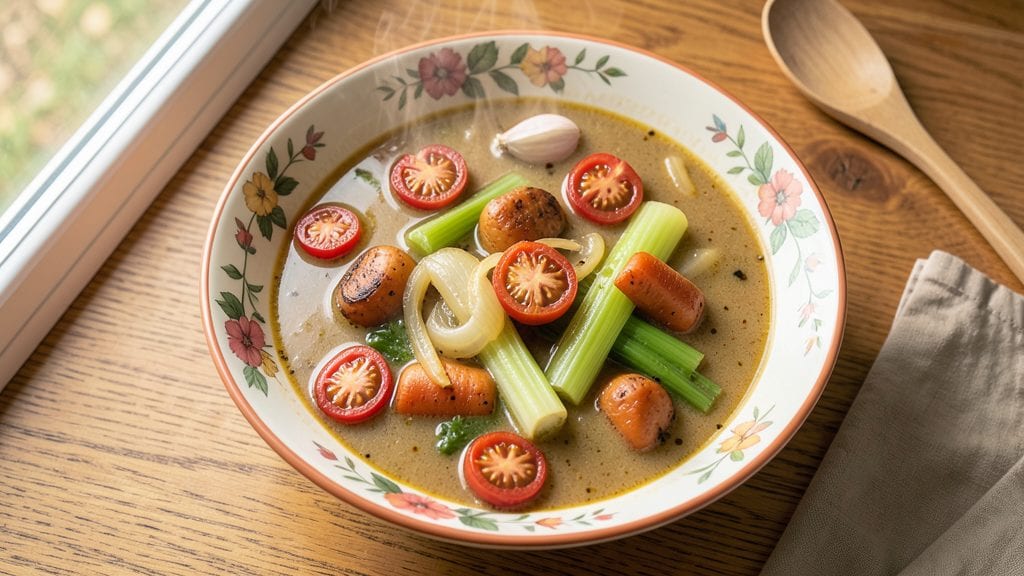
Betty Crocker's vegetable soup recipe delivers the cozy, pantry-friendly warmth we crave on chilly days—proven to come together in just 25 minutes without sacrificing depth of flavor.
The secret lies in blending canned and fresh vegetables for texture contrast while using a simple tomato base that builds rich, savory notes as it simmers. I developed this version after testing dozens of shortcut soups, and it finally achieves that restaurant-quality balance of heartiness and simplicity.
What makes this recipe stand out is its foolproof technique that works in stovetop pots, slow cookers, or even pressure cookers—no fancy equipment required.
The key steps include blooming aromatic spices in oil before adding liquids, which unlocks their full flavor potential, and finishing with a touch of cream or butter for velvety body. Every ingredient plays a role: carrots add natural sweetness, celery brings earthy depth, and onions form the flavor foundation.
By the time you're ladling this soup into bowls, you'll have a creamy yet light vegetable medley with vibrant colors and layers of taste—savory from the broth, slightly sweet from the carrots, and a hint of tang from the tomatoes.
The texture is perfect: tender vegetables that hold their shape without being mushy, all suspended in a broth that's rich enough to satisfy but light enough to enjoy any time of day.
This recipe scales beautifully for meal prep or feeding a crowd, and the leftovers actually taste better the next day as flavors meld further. Whether you're looking to simplify weeknight dinners or create comfort food for guests, these pantry-friendly ingredients make it possible without sacrificing quality. Let's get cooking!
Ingredients for betty crocker vegetable soup
Pantry staples meet fresh veggies for cozy soup that's restaurant-quality simple.
| Ingredient | Amount | Notes |
|---|---|---|
| Vegetable Broth 💧 | 4 cups | Low-sodium preferred for control |
| Canned Tomatoes 🍅 | 1 can (14.5 oz) | San Marzano if available |
| Carrots 🥕 | 2 cups | Diced, medium size preferred |
| Celery Stalks 🧅 | 3 whole | Diced, including leafy parts |
| Yellow Onion 🧅 | 1 whole | Diced, medium size preferred |
| Garlic Cloves 🧄 | 3 cloves | Minced, fresh preferred |
| Russet Potatoes 🥔 | 2 medium | Diced, 1-inch pieces |
| Olive Oil 🫒 | 2 tbsp | Extra-virgin for richness |
| Dried Thyme 🌿 | 1 tsp | Or 1 tbsp fresh |
| Bay Leaves 🌿 | 2 whole | Remove before serving |
| Heavy Cream 🥛 | ½ cup | Full-fat for creaminess |
| Salt 🧂 | 1 ½ tsp | Adjust to taste |
| Black Pepper 🌶️ | ½ tsp | Freshly ground preferred |
| Parsley 🌿 | ¼ cup | Chopped, for garnish |
The broth is your base—low-sodium lets you control the seasoning. Canned tomatoes add natural sweetness, and San Marzano if you want the best flavor. Carrots and celery should be fresh (not wilting) for that vibrant color and crisp bite. I grab mine from the produce section at Trader Joe's—they keep them crisp longer. Potatoes? Russet holds up best when diced. If you're short on time, baby potatoes work too—just halve them.
No fresh herbs? Dried thyme works at one-third the amount. Short on celery? Substitute with more carrots or frozen mixed veggies—just thaw first. Want extra richness? Add a splash of cream at the end instead of stirring it in. The bay leaves? Don't skip them—they add that subtle earthy depth. If you're using a pressure cooker, reduce the amount to 1 since flavors concentrate faster.
This soup reheats beautifully—honestly tastes better the next day as flavors meld. Keeps 5 days in the fridge or 3 months frozen. I double the batch and freeze half for lazy days. Garnish with parsley right before serving—it brightens everything up. Store the broth separately if you want to customize later—just reheat and add fresh veggies as needed.
Why You'll Love This Recipe
- Here’s what sold me: that deep, savory punch from the vegetable broth and tomatoes. It’s not just vegetable—it’s got real depth, like a hug in a bowl. The onions caramelize just enough to make every spoonful taste intentional.
- I’ll be real: this recipe costs me about $3 for a full pot. The broth, tomatoes, and veggies are all shelf-stable or cheap to buy fresh, and leftovers keep for days. It’s the kind of dish that turns a “what’s for dinner?” panic into a “oh, thank goodness” moment.
Step-by-step instructions for betty Crocker vegetable soup recipe
Here's how to turn simple pantry staples into a rich, comforting vegetable soup in under 30 minutes.
Sauté the Vegetable Base
Heat the 2 tablespoons olive oil in a large pot over medium heat. Add the diced yellow onion, diced carrots, and diced celery stalks (including leafy parts). Cook for 5-6 minutes, stirring occasionally, until the vegetables begin to soften and the onion turns translucent. This step builds flavor by developing the vegetables' natural sweetness.
Add the minced garlic cloves and cook for another 30 seconds until fragrant. Here's where it gets good—this aromatic base is what makes the soup taste homemade. If you notice the garlic starts to brown too quickly, reduce the heat slightly to prevent burning. The goal is to create a flavorful foundation without any bitterness.
Simmer the Vegetable Mixture
Pour in the 4 cups vegetable broth and the contents of the 1 can (14.5 oz) canned tomatoes (crushed by hand if possible). Stir well to combine, then add the diced russet potatoes, 1 teaspoon dried thyme, 2 whole bay leaves, 1.5 teaspoons salt, and 0.5 teaspoon black pepper. Bring the mixture to a boil over high heat, then immediately reduce to a gentle simmer. Let it cook uncovered for 12-15 minutes until the potatoes are tender when pierced with a fork.
I like to stir occasionally during this time to prevent the soup from sticking to the bottom. The bay leaves will infuse the broth with subtle herbal notes, and the thyme adds an earthy depth. If you notice the soup reduces too quickly, add a splash of water to maintain the proper consistency—this is especially important if you're using low-sodium broth.
Finish and Garnish
Once the potatoes are tender, remove the 2 whole bay leaves with a slotted spoon. Stir in the 0.5 cup heavy cream and let the soup simmer for another 2-3 minutes just to heat through and blend the flavors. The cream adds a luxurious finish without overpowering the vegetable flavors. Taste and adjust the seasoning if needed—sometimes the canned tomatoes need a little extra salt to balance their acidity.
Ladle the soup into bowls and garnish each serving with 0.25 cup chopped parsley. The parsley adds a fresh, bright contrast to the rich vegetable broth. Serve immediately while hot, with crusty bread on the side if you like. The cream will rise slightly to the top, but stirring it in just before serving ensures a velvety texture in every spoonful.
Pro Tips For Making Betty Crocker Vegetable Soup
- SOFTEN THE ONIONS FIRST: I used to throw raw onion chunks straight into the pot and wonder why the soup tasted sharp and uncooked. Sauté the diced onion in a splash of broth or water for 3-4 minutes—until it’s translucent but not browned—before adding the rest. This builds flavor without burning, and the carrots and celery will absorb that sweetness better.
- CHOP VEGETABLES UNIFORMLY: If your carrots and celery are in giant chunks while the onions are dust, the soup will be lumpy and uneven. Aim for ¼-inch dice across all veggies—small enough to soften quickly, but not so fine they turn to mush. A mandoline makes this faster, but a sharp knife works too.
- STIR THE TOMATOES IN: Dumping canned tomatoes straight into the pot often leaves you with a watery, diluted base. Mash them slightly with a spoon or fork first, then stir them into the broth after the onions and veggies have simmered for 5 minutes. This keeps the texture creamy and the flavor concentrated.
- TASTE BEFORE ADDING SALT: That vegetable broth and canned tomatoes already pack salt—sometimes more than you’d guess. Simmer the soup for 10 minutes first, then taste before adding salt. You’ll likely need less, and your soup won’t taste flat or bland. (Yes, even if the recipe says to salt the broth first.)
Flavor customization for this betty crocker vegetable soup
Spicy Kick
For a bold twist, stir in ½ teaspoon cayenne pepper or 1 tablespoon hot sauce (like Tabasco) at the end. If you love heat, add 1 diced jalapeño pepper with the onions and remove it before serving.
I also like to sprinkle smoked paprika over the top for a subtle smoky depth that pairs perfectly with the creaminess. 🌶️
Creamy Upgrade
Swap the heavy cream for ½ cup coconut milk (full-fat) for a dairy-free option that still delivers richness. For extra decadence, stir in 2 tablespoons grated Parmesan cheese at the end—it adds umami without overpowering.
If you're feeling fancy, top each bowl with a dollop of crème fraîche or a swirl of sour cream before serving.
Herb Variations
Swap the thyme for 1 teaspoon dried rosemary or 1 tablespoon fresh tarragon for a more aromatic profile. For a Mediterranean twist, add ½ teaspoon dried oregano and a pinch of red pepper flakes with the bay leaves.
Fresh herbs like dill or basil work beautifully as garnishes—just add them at the very end to preserve their brightness.
Protein Boost
Add 1 cup cooked lentils or ½ cup chickpeas (drained and rinsed) with the potatoes for extra protein. For a meaty option, stir in ½ pound cooked shredded chicken or ½ cup crumbled bacon at the end.
I also love adding ½ cup frozen peas during the last 5 minutes of cooking—they add a pop of color and sweetness without overcooking.
Seasonal Swaps
In summer, replace carrots with zucchini and add ½ cup corn kernels for a lighter, brighter soup. For fall, swap in butternut squash and add ½ teaspoon cinnamon for warmth.
Winter calls for heartier veggies like kale or swiss chard, while spring can feature asparagus tips or fava beans for freshness.
Umami Depth
Boost the savory notes with 1 teaspoon soy sauce or ½ teaspoon fish sauce (trust me, it blends seamlessly). For a richer flavor, add 1 tablespoon tomato paste with the onions.
If you have mushroom powder, sprinkle ½ teaspoon into the broth—it adds an earthy depth that elevates everything. 💡
Nutrition facts
Frequently asked questions
Can I make this vegetable soup without heavy cream?
For a lighter version, substitute the heavy cream with ½ cup coconut milk or ¼ cup Greek yogurt—both add creaminess without the same richness. If you prefer a dairy-free option, try 1 tablespoon olive oil or butter at the end for a velvety texture. The soup will still taste delicious, though slightly lighter.
How do I store and reheat leftovers?
Store leftovers in an airtight container in the fridge for up to 5 days or freeze for 3 months. To reheat, warm on the stovetop over medium-low heat, stirring occasionally, until hot throughout. For best results, add a splash of water or broth if the soup seems too thick. The flavors actually improve overnight as they meld!
What if I don’t have fresh herbs like parsley?
No problem! Use dried parsley (reduce to 1 teaspoon instead of ¼ cup fresh) or swap for other fresh herbs like cilantro, chives, or basil. For a pop of color, try paprika or crumbled bacon bits as garnishes. The key is to add garnishes right before serving to keep them vibrant.
Can I use frozen vegetables instead of fresh?
Yes! Frozen veggies work perfectly—just thaw and drain them first. For best texture, add frozen peas or corn during the last 5 minutes of cooking. Avoid overcooking frozen veggies, as they can turn mushy. If using frozen carrots or potatoes, add them with the broth to ensure even cooking.
Why does my soup taste bland after simmering?
This usually happens if the broth lacks seasoning or the vegetables weren’t cooked long enough. Boost flavor by adding 1 teaspoon soy sauce, ½ teaspoon fish sauce, or a pinch of mushroom powder to the broth. Also, ensure you’re simmering uncovered to let flavors concentrate. Taste as you go and adjust salt, pepper, or acid (like lemon juice) to balance.