Desserts
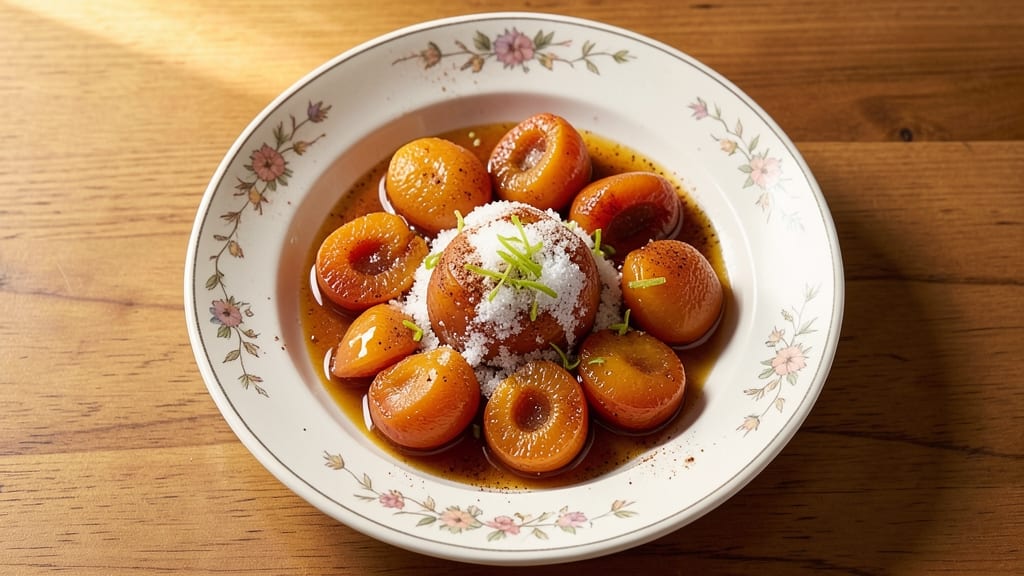
This simple stewed apricots recipe transforms humble fruit into a velvety, caramelized dessert that requires just 15 minutes of active time and minimal ingredients.
The secret lies in slow simmering the apricots with sugar until they release their natural juices and develop that signature jam-like consistency—rich, fragrant, and perfectly balanced between sweet and tart.
I first discovered this method while searching for a way to use up a summer harvest of apricots, and it quickly became a staple in my dessert repertoire for its versatility and foolproof results.
The process is straightforward yet rewarding: halved apricots simmer gently in a saucepan with sugar until tender, their juices reducing into a glossy, aromatic syrup. A touch of lemon juice brightens the flavor, while a pinch of cinnamon or vanilla adds warmth without overpowering the fruit’s natural sweetness.
This method preserves the apricots’ vibrant color and tender texture, making them ideal for serving over yogurt, pancakes, or even as a topping for ice cream.
What you’ll achieve is a dish that feels both elegant and effortless—caramelized sweetness that tastes like a restaurant dessert but comes together in a single pot.
The apricots soften just enough to release their juices, creating a sauce that coats every spoonful with a perfect balance of fruit and sugar. It’s the kind of recipe that proves simplicity can deliver restaurant-quality results without the fuss.
Perfect for summer fruit preservation, holiday desserts, or a quick weeknight treat, this stewed apricots recipe adapts easily to your preferences. Use it as a standalone dessert, a yogurt topping, or a glaze for pastries. Here’s everything you need to create it with confidence.
Ingredients for simple stewed apricots
Nine ingredients transform humble apricots into restaurant-quality caramelized dessert with minimal effort.
| Ingredient | Amount | Notes |
|---|---|---|
| Fresh Apricots 🍑 | 1 ½ lb | Pitted, halved, stems removed |
| Granulated White Sugar 🍚 | 1 cup | Superfine preferred for faster dissolving |
| Water 💧 | ½ cup | Room temperature preferred |
| Fresh Lemon Juice 🍋 | 1 tbsp | From 1 small lemon |
| Ground Cinnamon 🍃 | ¼ tsp | Or 1 cinnamon stick for infusion |
| Pure Vanilla Extract 🥛 | ½ tsp | High-quality for depth of flavor |
| Unsalted Butter 🧈 | 1 tbsp | Cold, cubed for finishing |
| Diamond Crystal Kosher Salt 🧂 | ⅛ tsp | For balancing sweetness |
| Heavy Cream 🥛 | ¼ cup | Optional for richer texture |
The quality of apricots makes all the difference here. Local farmers markets often carry the sweetest varieties in summer, but standard grocery store apricots work well too—just avoid those with bruises or soft spots. For sugar, superfine granulated dissolves faster, but regular granulated works fine if you give it an extra minute to melt. The lemon juice should be freshly squeezed; bottled juice lacks the bright acidity needed to balance the sweetness. As for vanilla, high-quality pure extract (like Nielsen-Massey) elevates the flavor without overpowering the fruit. If you're using a cinnamon stick, remove it before serving to avoid any bitter notes.
No fresh apricots? Frozen pitted apricots work beautifully—just thaw and drain them first. Substituting honey for sugar requires reducing the amount by about 25% due to its liquid nature, but the flavor profile shifts slightly toward floral. For vanilla, vanilla bean paste offers a more complex flavor profile than extract. If you're avoiding dairy entirely, omit the butter and heavy cream, but the texture will be lighter. The cinnamon can be swapped for cardamom or nutmeg at half the amount, though it will change the spice profile. For a tangier finish, add an extra 0.5 tbsp of lemon juice at the end of cooking.
This caramelized apricot mixture keeps beautifully in the refrigerator for up to 5 days in an airtight container, though it continues to develop deeper flavors over time. For longer storage, portion into ice cube trays and freeze for up to 6 months—perfect for adding to yogurt or oatmeal later. When reheating, a quick microwave session (30-45 seconds) restores the velvety texture. The butter should be added at the very end to create a glossy finish, so keep it cold until then. If you've made extra, it pairs wonderfully with vanilla ice cream or pancakes—just let it come to room temperature before serving.
Why You'll Love This Recipe
- Five-Ingredient Magic: I swear, this is the kind of recipe where you almost feel guilty for how little effort it takes—just fruit, sugar, water, lemon, and cinnamon. No peeling, no pitting (halved apricots only!), and the stove time? Less than 20 minutes. Honestly, if you can measure sugar, you can do this.
- Sweet-Tart Bliss: That first spoonful of warm apricots—juicy, caramelized edges, brightened by lemon—is ridiculously good. The cinnamon doesn’t overpower; it just deepens the flavor like a whisper, and the sugar dissolves into a syrupy perfection that clings to every bite. (Yes, even on a Tuesday night.)
- Breakfast to Dessert: I use this for yogurt bowls in the morning, drizzled over vanilla ice cream at night, or spooned into oatmeal when I’m lazy. It’s the same simple base, but the way it transforms—from a quick protein boost to a cozy treat—makes it my go-to for any time of day.
Step-by-step instructions for simple stewed apricots
Here's the straightforward method to achieve perfectly balanced, caramelized apricots with minimal effort.
Prepare the Apricots for Cooking
Begin by halving the 1.5 lb fresh apricots and removing both the pits and stems. The apricots should be cut evenly to ensure uniform cooking. Arrange them cut-side up in a single layer in a medium saucepan—this prevents overcrowding, which can lead to uneven caramelization and steaming instead of browning.
Place the saucepan over medium heat and let the apricots sit undisturbed for 3-4 minutes until they begin to release their juices. You'll notice the cut sides develop a slight sheen—this indicates the fruit is releasing natural sugars, which will form the base of your caramelization. Avoid stirring at this stage; the direct contact with the pan is essential for developing flavor.
Add Sugar and Water for Caramelization
Once the apricots have released their juices, sprinkle the 1 cup granulated white sugar evenly over them. Using a wooden spoon, gently stir to distribute the sugar completely, ensuring each apricot half is coated. Pour in the 0.5 cup room temperature water and the 1 tbsp fresh lemon juice, then increase the heat to medium-high.
Allow the mixture to simmer vigorously for 5-6 minutes until the sugar begins to dissolve and the liquid reduces slightly. You'll see the apricots start to soften and the liquid take on a syrupy consistency. This step is crucial—if the sugar doesn't dissolve completely, the final texture will be grainy. If the mixture appears too thick before the sugar dissolves, add 1-2 tablespoons of water to help it dissolve fully.
Season and Simmer to Perfection
Reduce the heat to medium-low and stir in the 0.25 tsp ground cinnamon and 0.5 tsp pure vanilla extract. The cinnamon will infuse warmth, while the vanilla adds depth. Let the mixture simmer gently for 8-10 minutes, stirring occasionally, until the apricots are tender but still hold their shape. You'll know they're ready when a paring knife slides in easily and the liquid has thickened into a glossy sauce.
Taste the mixture and adjust the seasoning with the 0.125 tsp diamond crystal kosher salt if needed. The balance of sweetness and acidity should be harmonious—if the apricots taste overly sweet, add a splash more lemon juice. If the mixture is too thin, simmer uncovered for an additional 2-3 minutes to reduce further. The goal is a sauce that coats the back of a spoon with a velvety texture.
Finish with Butter and Cream (Optional)
Remove the saucepan from heat and stir in the 1 tbsp cold, cubed unsalted butter. Let it melt into the mixture, creating a silky finish. If using, gently fold in the 0.25 cup heavy cream to add richness. The cream should be warmed slightly first—simply place it in a small bowl set over the saucepan of simmering apricots for 1-2 minutes to temper it. This prevents curdling when combined with the hot mixture.
Return the saucepan to low heat and stir for 1-2 minutes until the cream is fully incorporated and the stewed apricots are heated through. The final texture should be lusciously thick yet still spoonable. Serve warm over vanilla ice cream, yogurt, or pancakes for a delightful contrast of temperatures and textures.
Pro Tips For Making Simple Stewed Apricots
- PEEL THE APRICOTS FIRST: I learned this the hard way—peeling them after cooking turns your pot into a mushy, skin-strewn mess. Use a paring knife to slice off the skin in one strip, then quarter them. No peeler needed, just patience.
- USE A LITTLE LEMON EARLY: Toss the apricots with 1 tablespoon of lemon juice right at the start—not just at the end. It keeps them bright and prevents the sugar from turning them gray. (Yes, even if you’re impatient like me.)
- SIMMER LOW AND SLOW: Stewed apricots taste like syrup if you rush them. After the initial boil, drop the heat to a bare simmer—tiny bubbles, barely there. Thirty minutes at this pace guarantees tender fruit, not mushy disappointment.
- SKIP THE MEASURED SUGAR: Taste the apricots after 20 minutes, then add sugar to taste. The amount varies wildly depending on ripeness. A splash of water later can fix over-sweetness; too much sugar upfront can’t.
Flavor customization for this recipe
Spiced Variations
For a warm, aromatic twist, add ½ tsp ground cardamom or ¼ tsp freshly grated nutmeg alongside the cinnamon. Cardamom brings floral depth, while nutmeg adds earthy warmth.
I often use 1 star anise pod (removed before serving) for a subtle licorice note that pairs beautifully with the apricots' natural sweetness. 🌶️
Citrus Brightness
Boost the acidity with orange zest or extra lemon juice—just add ½ tsp orange zest during the final 2 minutes of simmering or increase lemon juice to 1.5 tbsp.
The zest infuses instantly, brightening the flavor without overpowering. For a tropical touch, try ½ tsp lime zest instead—it cuts through the sugar beautifully.
Herbal Infusions
Swap vanilla for 1 tsp rose water (found in Middle Eastern markets) or ½ tsp dried lavender buds (removed before serving) for a floral elegance. Lavender adds a delicate perfume, while rose water brings a Middle Eastern flair.
If using lavender, steep it in the warm apricot mixture for 5 minutes before removing it with a slotted spoon.
Boozy Enhancements
Add 1 tbsp brandy or 1 tsp apricot liqueur (like St-Germain) during the final 2 minutes of cooking. The alcohol burns off, leaving behind a subtle depth.
For a richer finish, stir in 1 tbsp Grand Marnier after removing from heat—it adds a citrusy, caramelized note that elevates the dish. 🍷
Texture Contrasts
For a crunchy finish, fold in 1 tbsp chopped toasted almonds or pistachios during the last minute of cooking. The nuts add a satisfying contrast to the soft apricots.
Alternatively, sprinkle 1 tsp crushed amaretti cookies on top before serving for a buttery, crumbly texture that soaks up the syrup beautifully.
Sweet-Savory Balance
Balance the sweetness with ½ tsp smoked paprika or a pinch of sea salt flakes (like Maldon). The smokiness adds complexity, while the salt flakes create a delicate crunch.
For a savory twist, finish with 1 tsp balsamic glaze—the tang cuts through the sugar, making it perfect for pairing with cheese boards or charcuterie.
Nutrition facts
Frequently asked questions
Can I use canned apricots instead of fresh?
Yes, but with adjustments! Drain and rinse 1 (15 oz) can of halved apricots to remove excess syrup. Reduce the sugar to ½ cup since canned apricots are already sweetened. Simmer for 5-7 minutes less than fresh to prevent mushiness. The texture will be slightly softer but still delicious!
How do I store leftover stewed apricots?
Transfer to an airtight container and refrigerate for up to 5 days. For longer storage, freeze in ice cube trays (perfect for yogurt toppings!) for 6 months. Reheat gently in a saucepan over low heat or microwave for 30-45 seconds to restore texture. The flavors actually improve over time!
Why did my apricots turn out too sweet?
This usually happens when the sugar doesn't fully dissolve or the cooking time is too short. Next time, stir frequently during the initial 5-6 minute simmer to help dissolve the sugar completely. If it's still too sweet, add 1 extra tbsp lemon juice or a pinch of salt to balance. The apricots should taste harmonious, not cloying.
What's the best way to serve these apricots?
Try them warm over vanilla ice cream, dolloped on Greek yogurt, or spooned over pancakes. For a sophisticated touch, pair with whipped cream or use as a glaze for cheesecake. The warm fruit contrasts beautifully with cold dairy—perfect for summer desserts!
Can I make this recipe without sugar?
For a sugar-free version, replace the 1 cup sugar with ½ cup honey or maple syrup (reduce liquid by 2 tbsp to account for moisture). Simmer for 2-3 extra minutes to thicken. The natural fruit sweetness will shine through, though the texture may be slightly less glossy. Add a splash of water if needed to prevent burning.