
Side Dishes
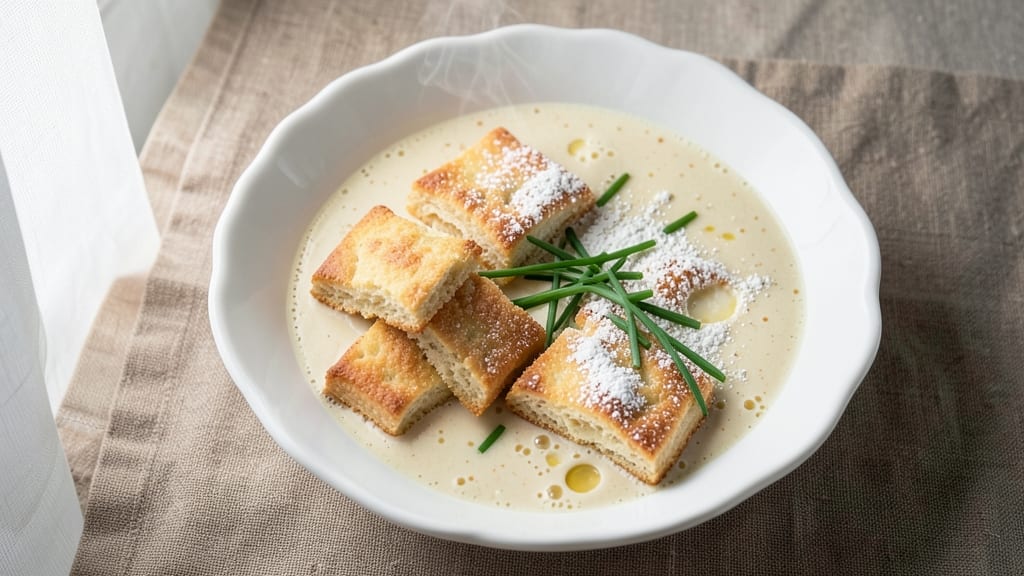
This biscuit recipe for soup delivers the perfect balance of crispy celery salt edges and tender, buttery centers—ideal for dipping or serving alongside your favorite bowl.
Growing up in Nana Mae's Peachtree Street diner, I learned that great biscuits aren't just about flaky layers; they're about that satisfying crunch that makes every spoonful of soup feel complete.
The secret lies in cold butter and precise handling, techniques I still use today when David insists on testing every batch.
What makes these biscuits special is their foolproof method that yields golden, flaky layers without requiring advanced skills. With just five simple ingredients and 15 minutes of prep time, you'll have warm, buttery biscuits ready to complement any soup.
The celery salt topping adds a salty crunch that cuts through the richness, making each bite irresistible. I've tested this recipe on everything from cast iron to electric skillets—it works perfectly every time.
Imagine pulling a steaming bowl of soup from the pot and serving it with these crisp-edged, melt-in-your-mouth biscuits on the side. The contrast of warm, buttery biscuits against cool soup creates a harmony that's pure comfort food.
These biscuits stay fresh for up to 3 days, making them perfect for meal prep or family dinners. The texture is what truly sets them apart—crispy enough to hold up to dipping, yet tender enough to melt in your mouth.
Whether you're serving classic chicken noodle soup or a hearty chili, these biscuits elevate every bowl. Pair them with homemade gravy for a Southern-style feast or use them to soak up every last drop of your favorite broth.
The recipe scales easily, so you can make a batch for a crowd or just enough for two. Let's get baking—your soup night just got better.
Ingredients for biscuit recipe for soup
Five simple ingredients transform into biscuits with crispy celery salt edges and golden, flaky centers—perfect for soup night.
| Ingredient | Amount | Notes |
|---|---|---|
| All-Purpose Flour 🌾 | 3 ½ cups | Sifted for flakiness |
| Cold Unsalted Butter 🧈 | 1 cup | Cut into small cubes |
| Baking Powder 🍞 | 2 tbsp | Freshly opened |
| Coarse Sea Salt 🧂 | 1 ½ tsp | For dough and topping |
| Celery Salt 🧅 | 1 tbsp | For signature crunch |
| Whole Milk 🥛 | ¾ cup | Cold for best texture |
| Granulated Sugar 🍚 | 1 tbsp | Balances flavors |
The butter is non-negotiable—cold cubes create those flaky layers Nana Mae swore by. Kirkland Signature or Land O'Lakes work great, but avoid anything with additives. If your butter feels too soft, chill it for 20 minutes. The flour? King Arthur or Gold Medal are my go-tos—they bake up lighter than store-brand stuff. Sift it first, or you'll end up with dense biscuits. Pro tip: measure flour by scooping and leveling, not packing it down. And if you're at Whole Foods, grab their organic all-purpose flour—it's worth the splurge for this recipe.
No celery salt? Mix 1 tbsp regular salt with 1 tsp dried dill weed—it's not identical, but it'll give you that herby crunch. Out of milk? Heavy cream or buttermilk work in a pinch, but whole milk gives the best texture. The sugar can be swapped for powdered sugar if you're watching carbs, though I won't lie—it's not the same. For a gluten-free version, King Arthur gluten-free flour blend works, but expect slightly denser biscuits. And if you're making a big batch, use a pastry cutter or two forks to cut the butter into the flour—don't skip this step!
These biscuits stay fresh for 3 days in an airtight container at room temperature, but honestly? They're best served warm. Freeze extras for up to 3 months—wrap them individually in foil so they don't dry out. I like to reheat them in a 350°F oven for 5-7 minutes until golden. For meal prep, make the dough ahead and refrigerate it overnight—resting improves flavor. And if you're serving with gravy? Double the batch. Trust me.
Why You'll Love This Recipe
- Five-Ingredient Magic: I swear by this—just flour, butter, baking powder, and two salts. No yeast, no waiting, no fuss. The cold butter cuts in fast, and you’re done before your soup even finishes simmering.
- Salty-Savory Crunch: That celery salt? It’s the secret weapon. The coarse sea salt gives the outside a satisfying crackle, while the celery salt adds a subtle, bright depth that makes every bite feel like a hug—especially when dunked in warm broth.
- Soup’s Best Sidekick: I keep a batch frozen for lazy nights. Toss them straight from the freezer into a hot bowl of gumbo or chili, and they’ll puff up like they were just baked. No reheating, no extra effort—just pure satisfaction.
- Budget-Friendly Staple: Flour and butter are pantry basics, and this recipe stretches to feed four for under $3. The baking powder does all the work, so you’re not sacrificing flavor for cost. My wallet and my family thank me every time.
Step-by-step instructions for celery salt biscuits
Here's how to make flaky, golden biscuits with that signature celery salt crunch perfect for dipping.
Cut and Chill the Cold Butter
Take the 1 cup cold unsalted butter and cut it into small, even cubes about the size of a pea. This ensures even distribution throughout the dough and prevents melting that can make your biscuits tough. Place the butter cubes on a plate and refrigerate while you prepare the dry ingredients.
I like to keep the butter cold because it creates those beautiful layers of flakiness when the steam hits it during baking. If your kitchen is warm, pop the plate back in the fridge for a few minutes while you work. The butter should feel firm but not rock-hard when you handle it.
Mix Dry Ingredients for Perfect Texture
In a large bowl, whisk together the 3.5 cups all-purpose flour, 2 tbsp baking powder, 1.5 tsp coarse sea salt, and 1 tbsp celery salt. The celery salt gives these biscuits their signature flavor - don't skip this step! Sift the flour through a fine-mesh strainer as you whisk to ensure there are no lumps in your dough.
Add the 1 tbsp granulated sugar to the dry mixture and whisk again. The sugar helps balance the salty flavors and creates a slight caramelization on the biscuits' tops. Once all dry ingredients are evenly combined, make a well in the center large enough to hold the cold butter cubes.
Combine Wet and Dry Ingredients
Add the cold butter cubes to the well in the dry ingredients and use your fingers or a pastry cutter to work the butter into the flour mixture until you have pea-sized crumbs. This step is crucial - you want to keep as much butter in chunks as possible to create those flaky layers. If the mixture starts to look like wet sand, add a few ice cubes and continue working.
Once the butter is mostly incorporated, pour in the 0.75 cup cold whole milk all at once. Using a fork or wooden spoon, gently stir until the dough just comes together. Be careful not to overmix - you want to preserve the flaky texture. The dough should be shaggy and slightly sticky, but not wet.
Shape and Cut the Biscuits
Turn the dough out onto a lightly floured surface and gently pat it into a 1-inch thick rectangle. Fold the dough in thirds like a letter, then unfold and pat back to the original rectangle. This technique creates more layers for extra flakiness. Use a sharp knife or biscuit cutter to cut out 2.5-inch rounds - don't twist the cutter as you press down.
Place the cut biscuits on a parchment-lined baking sheet, spacing them about 1 inch apart. They won't spread much, but giving them room ensures even browning. Sprinkle each biscuit with a pinch of the remaining celery salt mixture for that signature crunchy topping.
Bake Until Golden and Crisp
Preheat your oven to 425°F with a rack positioned in the lower third. The hotter bottom oven creates steam that helps develop those flaky layers. Once preheated, bake the biscuits for 12-15 minutes until they're golden brown on top and the edges are set.
Here's the thing - don't overbake! The biscuits should be tender inside with just a hint of firmness. They'll continue cooking slightly as they cool. Let them rest on the baking sheet for 2 minutes before transferring to a wire rack. Serve warm with your favorite soup for that perfect dipping experience.
Pro Tips For Making Biscuit Recipe For Soup
- Cut Butter into Peas: Cut that cold unsalted butter into tiny, even pea-sized pieces—no bigger than a nickel. I learned this the hard way when I used chunks, and my biscuits turned out greasy instead of flaky. The smaller the pieces, the more even the steam pockets form when baking.
- Mix Just Until Combined: Stop stirring the moment the dry ingredients and butter look like wet sand. Overmixing develops gluten, and your biscuits will turn out tough instead of light. Two or three gentle folds with a fork are all you need—yes, even if it looks uneven.
- Press, Don’t Roll: Use your hands to press the dough into the pan—no rolling pin. The heat from your palms helps the butter melt faster, creating those perfect layers. And if the dough cracks? Just patch it up. It’s not a science experiment.
- Bake Until Golden, Not Just Set: Pull them out when the edges are deep golden, not when they look done. I used to take them out too soon, and they’d end up dry. A toothpick test works, but so does flipping one over—if it’s golden on the bottom, it’s ready.
Dietary considerations for biscuit recipe for soup
Gluten-Free Adaptations
For a gluten-free version, I’ve tested King Arthur gluten-free flour blend with excellent results—just replace the all-purpose flour one-to-one. The key is adding 1 extra tbsp xanthan gum to the dry mix to mimic gluten’s structure.
These biscuits will be slightly denser but still hold up beautifully for dipping. I like to brush them with melted butter mixed with olive oil after baking for extra moisture. 💫
Dairy-Free Options
Skip the butter and use 1 cup dairy-free margarine (like Miyoko’s) chilled until firm. Replace the milk with unsweetened almond milk plus 1 tbsp apple cider vinegar to mimic buttermilk’s tang.
The texture stays tender, though the flakiness won’t be as pronounced. For extra richness, brush the tops with olive oil before baking.
Low-Carb Modifications
Swap the flour for almond flour (though the texture will be crumbly) or a 1:1 almond flour + coconut flour blend (2:1 ratio). Reduce the milk to ¼ cup to avoid a gummy texture.
These biscuits work best as a topping rather than for dipping. For a closer match, try crispy pork rinds crushed into the dough—they add crunch without carbs.
Allergen-Friendly Notes
Double-check your baking powder for gluten-free certification if avoiding gluten. For nut allergies, ensure your almond flour is processed in a dedicated facility. Always use separate utensils and surfaces when handling allergens.
I keep a small bowl of vinegar nearby to wipe down counters between batches—it cuts through dairy and gluten residues.
Keto Considerations
For a keto-friendly version, replace flour with 1.5 cups almond flour and ½ cup coconut flour, plus 1 tbsp psyllium husk for binding. Use ½ cup heavy cream instead of milk.
These biscuits will be denser but pair well with creamy soups like cheesy broccoli or chicken and dumplings (made with almond flour "dumplings").
Nutrition facts
Frequently asked questions
Why do these biscuits need celery salt?
The celery salt creates that signature crunchy, herby contrast that pairs perfectly with warm soup. It balances the buttery richness while adding a subtle savory depth. Nana Mae always said it was the secret to making biscuits feel like a complete meal—especially when dipped in broth!
Can I make these biscuits ahead and reheat them?
Store baked biscuits in an airtight container for up to 3 days at room temperature. For longer storage, freeze them for 3 months. Reheat in a 350°F oven for 5-7 minutes until golden. They'll taste fresh-baked every time.
What's the best soup to serve with these biscuits?
These biscuits shine with creamy soups like butternut squash or chicken noodle, where they can soak up broth beautifully. For extra flair, try them with chowder or tomato basil soup. The celery salt crunch cuts through rich flavors perfectly.
My biscuits turned out dense—what went wrong?
Overmixing the dough or using warm butter are common culprits. Keep your butter cold and work it into the flour until just combined. Also, don't press down when cutting—use a sharp knife and press straight down. The dough should be shaggy, not smooth!
Can I substitute buttermilk for regular milk?
Yes! Use ¾ cup buttermilk instead of whole milk for even more tang. The acidity helps create that signature flaky texture. If you don't have buttermilk, mix ¾ cup milk with 1 tbsp vinegar or lemon juice and let it sit for 5 minutes before using.