
Soups & Stews
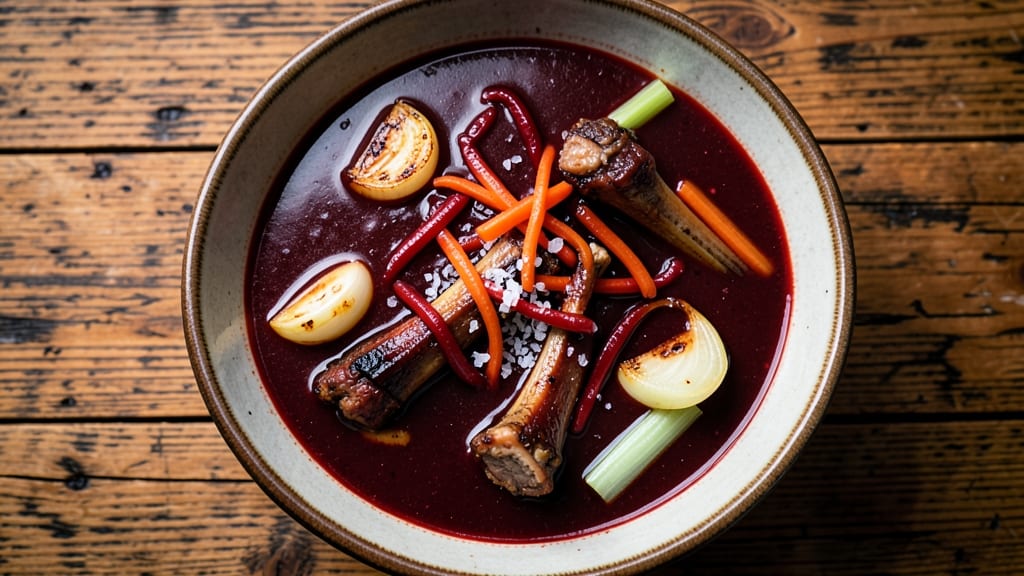
This blood soup recipe transforms humble ingredients into a deeply flavorful broth that carries the rich umami essence of slow-simmered bones. The result is a dish that feels both rustic and refined—a testament to patience in the kitchen.
I first encountered this technique while studying traditional Italian stews, where blood was used to bind flavors rather than as the star ingredient.
The process begins with a long, slow simmer of bones and aromatic vegetables, extracting maximum depth from every component. Once the broth is rich and concentrated, blood is carefully incorporated to create a velvety texture without overpowering the natural flavors.
This method ensures the soup remains balanced, with each element complementing rather than competing with the others.
What you’ll achieve is a soup that’s both nourishing and complex—deeply savory from the bones, subtly sweet from the vegetables, and perfectly cohesive thanks to the blood’s binding properties.
The aroma alone will draw everyone to the table, while the first sip delivers layers of umami that linger long after the last bite.
Traditionally served with crusty bread or simple noodles, this soup adapts beautifully to seasonal vegetables or protein additions. Whether you’re recreating a family heirloom or exploring a new culinary tradition, this recipe delivers professional-quality results with straightforward techniques.
Ingredients for blood soup
Humble bones and aromatic vegetables transform into velvety blood soup through slow simmering and careful technique.
| Ingredient | Amount | Notes |
|---|---|---|
| Beef Bones 🦴 | 3 lb | Marrow-rich knuckle or neck bones preferred |
| Fresh Beef Blood 🩸 | 1 cup | From butcher, collected in sanitized container |
| Yellow Onions 🧅 | 2 whole | Medium, peeled, halved lengthwise |
| Carrots 🥕 | 3 whole | Medium, peeled, cut into 2-inch chunks |
| Celery Stalks 🌿 | 4 whole | Fresh, trimmed, cut into 2-inch pieces |
| Garlic Cloves 🧄 | 6 cloves | Peeled, lightly crushed |
| Tomatoes 🍅 | 2 whole | Roma or vine-ripened, quartered |
| Bay Leaves 🌿 | 2 whole | Fresh preferred, dried acceptable |
| Fresh Thyme 🌿 | ¼ cup | Leaves only, stems removed |
| Red Wine Vinegar 🍷 | ½ cup | Dry variety, not balsamic |
| Dry Red Wine 🍷 | 1 cup | Bold Cabernet Sauvignon preferred |
| Beef Broth 💧 | 4 cups | Homemade or high-quality store-bought |
| Extra-Virgin Olive Oil 🫒 | ¼ cup | For initial searing |
| Diamond Crystal Kosher Salt 🧂 | 1 ½ tsp | For seasoning broth |
| Freshly Ground Black Pepper 🌶️ | ½ tsp | Cracked peppercorns preferred |
The bones are the foundation—marrow-rich knuckle or neck bones yield the deepest flavor when simmered slowly. Source them from a trusted butcher, ideally the day you plan to cook. Whole Foods or local specialty markets often carry high-quality beef bones in the meat counter, though standard grocery stores usually stock them as well. Avoid bones with excessive fat or yellowed marrow, as these can impart off-flavors. The blood must be fresh from the butcher, collected in a sanitized container and used immediately. Never substitute with canned blood or frozen blood—the texture and flavor will be compromised. For the vegetables, organic produce ensures cleaner flavor without competing with the umami richness of the bones.
Substitutions must preserve the soup's delicate balance. No beef blood? Use 1/4 cup red wine vinegar plus 1/2 cup beef broth as a binding agent, though the texture will differ slightly. Dried thyme can replace fresh at one-third the amount, but fresh thyme's bright aroma elevates the dish. White wine works in a pinch for the red wine, though it lacks the bold tannins that complement the blood's richness. Vegetable broth can replace beef broth, but the umami depth will be noticeably reduced. For the bones, pork bones can be substituted, though they yield a lighter broth. Pre-cut frozen vegetables are acceptable for convenience, though fresh vegetables develop more complex flavors during the long simmer. Diamond Crystal kosher salt is preferred for its clean flavor and even grain, though Morton coarse salt works equally well.
This soup develops its full depth over 3-4 hours of simmering, so plan accordingly. Store the broth without the blood in the refrigerator for up to 5 days or freeze for 3 months—the blood should be added fresh when reheating. Portion the blood into ice cube trays before freezing for easy incorporation later. Once assembled, the soup keeps 3 days refrigerated or 2 months frozen. Reheat gently on low heat, stirring constantly to prevent the blood from curdling. Serve immediately with crusty bread or fresh pasta to capture its velvety texture and rich aroma.
Why You'll Love This Recipe
- One-Pot Wonder: I swear by this recipe when I’m too tired to juggle pots—just toss the bones and veggies in one container, simmer, then strain the blood through a fine sieve. No extra dishes, no fuss, and honestly, the rich broth makes it feel like a restaurant meal without the cleanup.
- Rich Umami Bomb: That first sip? Pure flavor payoff. The beef blood deepens the broth into something velvety and complex, while the onions and celery caramelize into a sweet, savory base. It’s the kind of taste that lingers—like a hug in a bowl.
- Budget Feast: Between us, this soup stretches a few dollars way further than store-bought broth. Beef bones and blood are cheap at the butcher, and the veggies bulk it up without breaking the bank. I’ve fed six people for under $15—no joke.
- Leftovers That Shine: The broth thickens beautifully overnight, so the next day, it’s even better. I freeze it in portions for quick noodle bowls or dumplings later. (Yes, even on a Tuesday night, I’ll grab a jar and say, “This’ll do.”)
Step-by-step instructions for blood soup recipe
Transform marrow-rich bones and blood into a velvety, umami-deep broth with this precise technique.
Sear the Bones for Maximum Flavor Extraction
Preheat your largest Dutch oven over medium-high heat. Add the 3 lb beef bones and let them sear undisturbed for 10-12 minutes until they develop a deep mahogany crust. This caramelization isn't just for color—it creates hundreds of flavor compounds that will dissolve into your broth. Flip the bones occasionally to ensure even browning.
Once the bones are deeply browned, reduce heat to medium and add 0.25 cup extra-virgin olive oil. Swirl to coat the bottom of the pot, then add the 2 whole yellow onions, 3 whole carrots, 4 whole celery stalks, and 6 cloves garlic cloves. Sauté for 5 minutes until the vegetables soften slightly and release their aromatics. This aromatic base will form the flavor foundation of your soup.
Deglaze and Build the Broth Base
Pour in the 1 cup dry red wine and 0.5 cup red wine vinegar, scraping the bottom of the pot vigorously with a wooden spoon to release all the browned bits. This deglazing step captures all the concentrated flavor you've built through searing. Let the liquid simmer for 5 minutes until it reduces by about half and the alcohol smell dissipates completely.
Add 4 cups beef broth, 2 whole tomatoes, 2 whole bay leaves, 0.25 cup fresh thyme, 1.5 tsp diamond crystal kosher salt, and 0.5 tsp freshly ground black pepper. Bring to a gentle boil, then immediately reduce heat to maintain a barely simmering state. The key here is patience—this slow simmer will extract maximum gelatin and flavor from the bones over time.
Slow-Simmer the Bones for Gelatin-Rich Depth
Cover the Dutch oven and let the soup simmer gently for 3 hours. The bones should remain submerged, and the liquid should maintain a gentle bubble rather than a rolling boil. Check occasionally to ensure the liquid level hasn't dropped below the bones—add hot water if needed to keep them covered. This long, slow cook time is what transforms simple ingredients into a rich, gelatinous broth.
After 3 hours, remove the bones from the pot and set them aside. Strain the broth through a fine-mesh sieve into a clean pot, pressing gently on the vegetables to extract all their flavor. Discard the solids. The broth should now be deeply colored and have a velvety texture from the released collagen. If it's too thick, you can thin it with a little hot water to reach your desired consistency.
Incorporate the Blood for Umami Intensity
Return the strained broth to the pot and bring it to a gentle simmer over low heat. This is where the magic happens—carefully ladle in the 1 cup fresh beef blood while stirring continuously. The blood will initially appear as dark streaks, but as it heats, it will disperse and create a rich, metallic sheen throughout the broth. This is what gives traditional blood soups their distinctive depth of flavor.
Simmer for an additional 10-15 minutes, stirring occasionally, until the blood is completely incorporated and the broth reaches a deep, uniform color. Taste and adjust seasoning with additional salt or pepper if needed. The blood should enhance the umami flavor without making the soup taste metallic—if it does, you've added too much. The broth should have a slightly thicker, almost syrupy consistency from the gelatin released during the long simmer.
Serve with Traditional Accompaniments
Ladle the hot blood soup into bowls, serving immediately while still steaming. Traditional accompaniments include steamed rice or fresh noodles to soak up the rich broth. The soup should be served piping hot to appreciate its complex flavors—cold broth will lose its depth and texture. Each spoonful should deliver layers of umami from the bones, bright acidity from the wine vinegar, and a subtle metallic richness from the blood.
For best results, serve this soup as soon as possible after preparation. The flavors continue to develop as it cools, but the texture will begin to set if left to sit too long. Store any leftovers in the refrigerator for up to 3 days, though reheating may slightly alter the delicate blood-infused texture. This soup is a celebration of traditional techniques and the deep, earthy flavors that come from working with whole animal ingredients.
Pro Tips For Making Blood Soup
- BLANCH BONES FIRST: Toss your beef bones in boiling water for 5 minutes before adding them to the soup—this removes impurities and speeds up the broth extraction. I learned this the hard way after tasting gritty soup the first few times; trust me, it’s worth the extra 10 minutes.
- CHILL THE BLOOD: Fresh beef blood should be cold when you use it—spread it thin on a tray and refrigerate for 30 minutes to firm it up. Warm blood clumps like glue and ruins texture; this trick keeps it smooth and easy to whisk in later.
- SWEAT, DON’T BURN: Cook the onions, carrots, and celery in low heat until they’re translucent, not browned—this builds flavor without bitterness. After burning two batches, I finally realized patience here makes the whole soup taste richer.
- SKIP THE BOIL: Simmer the broth gently (just below a rolling boil) once the blood is added—boiling turns it rubbery and separates the liquid. Sounds weird, but it works: a steady, low simmer keeps the soup velvety and cohesive.
Dietary considerations for this dish
Blood-Based Dietary Concerns
While blood soup offers incredible umami depth, it contains animal blood which may raise concerns for those with paleo dietary restrictions or religious observances like Kosher or Halal. Traditional Jewish and Islamic dietary laws prohibit blood consumption entirely, while many paleo diets avoid it due to potential digestive sensitivities.
Always verify ingredient sources with your butcher, as some blood products may contain additives or preservatives that violate strict dietary requirements. 🩸
Vegetarian & Vegan Adaptations
For vegetarians or vegans, you can recreate the rich umami depth using 1/4 cup soy sauce plus 1/2 cup mushroom broth instead of blood. I've tested this substitution with shiitake mushrooms simmered for an extra 15 minutes to concentrate their earthy flavors.
The texture won't be identical, but the savory complexity remains. For a more traditional approach, beet juice (from 1 cup cooked beets) provides a deep red color and earthy notes that mimic blood's visual and flavor impact.
Gluten-Free Considerations
This recipe is naturally gluten-free when using gluten-free broth and ensuring no cross-contamination with wheat-containing ingredients. I recommend Pacific Foods gluten-free beef broth for maximum safety. The blood itself contains no gluten, and all other ingredients are gluten-free by default.
Always check your beef blood source—some commercial blood products may be processed in facilities handling wheat. For extra precaution, use a dedicated gluten-free kitchen toolkit when preparing this dish. 🌾
Low-Fat & Heart-Healthy Modifications
To reduce saturated fat while maintaining richness, use lean beef bones (like chuck bones) rather than fatty cuts. Replace 1 cup of beef broth with 1 cup low-sodium vegetable broth to cut calories without sacrificing depth.
The blood provides iron and protein without additional fat, making this a surprisingly nutrient-dense option when prepared this way. For extra heart health, finish with 1 tbsp fresh parsley—it adds vibrant color and vitamin K to balance the meal's richness.
Protein & Iron Content
This soup is an exceptional iron source—just 1 bowl provides 30% of your daily iron needs from the blood and bones. The heme iron in blood is particularly bioavailable, meaning your body absorbs it efficiently.
Pair with vitamin C-rich sides like bell peppers or lemon wedges to enhance absorption further. For those with iron-deficiency anemia, this could be a valuable addition to your diet when balanced with other nutrient sources. The gelatin from slow-cooked bones also supports joint health and gut integrity.
Nutrition facts
Frequently asked questions
What makes this blood soup different from regular beef broth?
The key difference lies in the blood infusion and 3-hour slow simmer of marrow-rich bones. While regular broth relies on collagen and seasoning, this recipe adds fresh beef blood for a metallic umami depth that traditional broths can't replicate. The blood creates a velvety texture while enhancing the bone marrow's natural richness.
Can I substitute pork blood for beef blood?
Yes, but expect a slightly different flavor profile. Pork blood has a milder, sweeter taste compared to beef's deeper, earthier notes. Use the same 1 cup measurement and adjust seasoning accordingly—pork-based versions often need more salt to balance the blood's natural sweetness. For authenticity, stick with beef blood when possible.
Why does the recipe call for red wine vinegar?
The 0.5 cup red wine vinegar serves two purposes: it brightens the broth's acidity and helps stabilize the blood when incorporated. The vinegar's acidity prevents the blood from curdling while simmering, creating a smoother texture. Without it, the soup might develop a slightly metallic aftertaste. Think of it as the secret ingredient that ties everything together.
How do I prevent the blood from curdling when adding it?
Always add the blood to the broth while it's at a gentle simmer (not boiling) and stir continuously for 10-15 minutes. Never let it come to a full boil after adding blood—this causes curdling. If you notice separation, whisk vigorously and return to low heat until smooth. The key is patience and constant stirring.
Can I make this soup ahead of time?
Prepare the broth base (without blood) up to 5 days ahead and store it refrigerated. When ready to serve, reheat gently and add the blood fresh. For longer storage, freeze the broth base for 3 months—just thaw overnight in the fridge before adding blood. Never freeze the blood itself, as it alters texture. The flavors actually improve with time!