
Soups & Stews
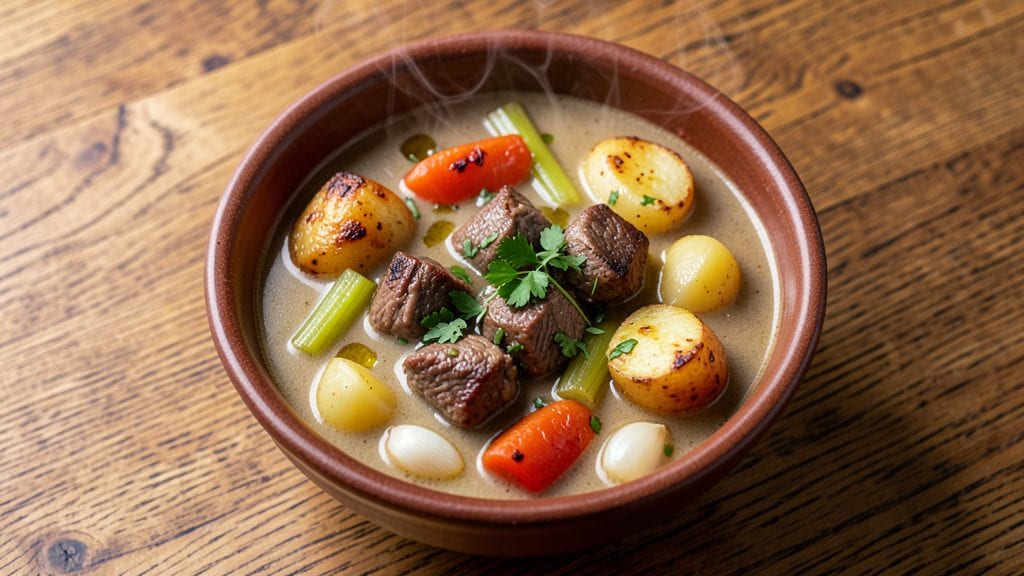
Recreating Bob Evans' hearty beef vegetable soup at home delivers that same restaurant-quality richness in a single pot. The secret lies in slow-simmered beef, tender vegetables, and a deeply flavorful broth that builds layer upon layer of homestyle comfort.
After perfecting this version through multiple batches, I’ve nailed the balance between hearty texture and velvety broth that makes every spoonful satisfying.
This one-pot method ensures minimal cleanup while delivering maximum flavor—just combine all ingredients, let them simmer, and watch the aromas transform your kitchen into a cozy diner. The beef becomes fork-tender, the carrots caramelize slightly, and the potatoes develop a creamy consistency without falling apart.
What sets this apart is the way the vegetables meld together, creating a harmonious blend of textures and flavors that’s impossible to resist.
By the time you’re done, you’ll have a steaming bowl of soup with a robust beef broth, perfectly cooked vegetables, and chunks of tender beef that practically melt in your mouth.
The aroma alone will have everyone gathering around the table, and the first bite delivers that unmistakable taste of a classic diner favorite. This is the kind of soup that warms you from the inside out—ideal for chilly evenings or as a comforting meal any time of year.
Serve it with crusty bread to soak up every last drop of that flavorful broth, or enjoy it as-is with a side salad for a complete meal.
The recipe scales easily, so you can make just enough for two or feed a crowd—all while keeping the prep simple and the results restaurant-perfect.
Ingredients for bob evans hearty beef vegetable soup
Six ingredients build the broth, twelve transform it into Bob Evans' iconic hearty beef vegetable soup.
| Ingredient | Amount | Notes |
|---|---|---|
| Beef Chuck Roast 🥩 | 2 lb | Cut into 1-inch cubes |
| Yellow Onion 🧅 | 1 whole | Chopped, medium size |
| Carrots | 4 medium | Peeled, sliced into rounds |
| Russet Potatoes 🥔 | 2 lb | Peeled, cut into chunks |
| Celery Stalks 🧅 | 4 whole | Chopped, medium size |
| Garlic Cloves 🧄 | 4 cloves | Minced, fresh preferred |
| Beef Broth 💧 | 6 cups | Low-sodium preferred |
| Tomato Paste 🍅 | 2 tbsp | Smooth, not chunky |
| Dried Thyme 🌿 | 1 tsp | Or 1 tbsp fresh |
| Bay Leaves 🌿 | 2 whole | Remove before serving |
| Salt 🧂 | 1 ½ tsp | Adjust to taste |
| Black Pepper 🌶️ | ½ tsp | Freshly ground |
| Worcestershire Sauce 🍶 | 1 tbsp | For depth of flavor |
| All-Purpose Flour 🌾 | 1 tbsp | For thickening |
The beef is non-negotiable here. Chuck roast breaks down beautifully into tender chunks—sirloin stays tough. Grab it from the butcher counter if possible, or the pre-cubed section at Kroger or Walmart. Look for good marbling, not lean meat. The potatoes and carrots should be firm, not mealy. Russets hold up best in soups, and orange carrots add natural sweetness that pairs perfectly with the beef. Fresh thyme and bay leaves elevate the broth, but dried work in a pinch (just double the amount).
No beef broth? Chicken broth plus 2 tbsp soy sauce gets you close. Worcestershire sauce out of stock? Extra soy sauce plus a pinch of sugar mimics that umami kick. The tomato paste can be swapped for 1/2 cup crushed tomatoes, but it won't thicken the soup. Fresh thyme is ideal, but dried oregano at half the amount works too. The flour is just for thickening—if you're watching carbs, omit it and let the veggies do the work. For a vegetarian version, swap beef for mushrooms and lentils.
This soup tastes even better the next day as flavors meld. Keeps for 5 days in the fridge or 3 months frozen. I always make a double batch—one for dinner, one for lunches. Freeze portions in ziplock bags with extra broth to prevent freezer burn. Reheat gently on the stove, adding a splash of water or broth if it's too thick.
Why You'll Love This Recipe
- Same recipe, different vibes: toss it together for a lazy Tuesday night, or double the batch and serve it at your holiday dinner. The hearty veggies and beef make it feel special, but it’s still my easy go-to when I don’t want to fuss.
- Slow-Cooker Simplicity: I swear by this recipe because it’s almost hands-off—just dump the chopped veggies, beef, and broth in the slow cooker, then let it work its magic. No chopping like a pro or standing over the stove; by dinner, you’ve got a steaming pot of soup with zero stress.
- Beef That Melts: That beef chuck roast? It turns into shreds of pure comfort—tender enough to fall apart with a fork, but still packed with rich flavor. Honestly, the first time I tasted it, I immediately texted my mom to ask if she’d ever made it this way.
- Weeknight to Party Fix: Same recipe, different vibes: toss it together for a lazy Tuesday night, or double the batch and serve it at your holiday dinner. The hearty veggies and beef make it feel special, but it’s still my easy go-to when I don’t want to fuss.
Step-by-step instructions for Bob Evans hearty beef vegetable soup
This one-pot wonder delivers restaurant-quality soup with minimal cleanup.
Brown the Beef for Deep Flavor
Heat a large Dutch oven over medium-high heat. Add the 2 lb beef chuck roast cut into 1-inch cubes and brown on all sides, working in batches if needed. This step creates the rich, caramelized foundation for your soup. You'll know it's ready when the beef develops a deep golden crust and releases easily from the pan.
Remove the browned beef and set it aside. Here's the thing—don't drain the browned bits. Those flavorful fond pieces will form the base of your soup's depth. You're building layers of flavor here, and every bit counts.
Sauté the Vegetable Base
In the same Dutch oven, add the chopped yellow onion, sliced carrots, chopped celery stalks, and minced garlic cloves. Cook over medium heat for 5-6 minutes, stirring occasionally, until the vegetables soften slightly and become fragrant. This aromatic vegetable base forms the flavor backbone of your soup.
Add the 2 tbsp tomato paste and cook for another 1-2 minutes, stirring constantly. This helps develop the soup's rich, slightly tangy flavor profile. The tomato paste will deepen the color and add complexity that complements the beef perfectly.
Build the Soup Foundation
Sprinkle the 1 tbsp all-purpose flour over the vegetable mixture and stir vigorously for 1-2 minutes. This creates a roux that will help thicken your soup naturally. You'll notice the mixture will look slightly darker and more cohesive after this step.
Pour in the 6 cups beef broth, scraping up any browned bits from the bottom of the pot. Add the browned beef back to the pot along with the 1.5 tsp salt, 0.5 tsp black pepper, 1 tsp dried thyme, 2 whole bay leaves, and 1 tbsp Worcestershire sauce. Bring everything to a gentle boil, then reduce heat to medium-low.
Simmer Until Tender
Add the peeled and chunked russet potatoes to the pot. Cover and let the soup simmer gently for 1 hour to 1 hour 15 minutes, or until the beef and vegetables are fork-tender. Stir occasionally to prevent sticking. The potatoes should be easily pierced with a fork when done.
I know it's tempting to check constantly, but resist the urge to peek too often. Every time you lift the lid, you lose valuable heat and moisture. Let it cook undisturbed for that perfect tenderness. The soup should have a rich, velvety consistency with the beef falling apart easily.
Finish and Adjust Seasoning
Remove the 2 whole bay leaves before serving. Taste the soup and adjust seasoning if needed—this is where you can really make it your own. You might need a little more salt or pepper to achieve that perfect balance of flavors.
Let the soup sit off the heat for 5-10 minutes before serving. This resting period allows the flavors to meld together beautifully. The soup will be even more flavorful and the potatoes will finish cooking perfectly. Serve warm with crusty bread for that classic comfort food experience.
Pro Tips For Making Bob Evans Hearty Beef Vegetable Soup
- Brown the Chuck: Don’t skip this step—it’s where the flavor lives. Sear the beef chuck roast in batches over medium-high heat until it’s deeply browned on all sides. I used to rush this, and the soup always tasted flat. Two minutes per side with a tablespoon of oil makes a real difference.
- Dice Potatoes Evenly: Cut the russet potatoes into 1-inch cubes, not random chunks. Big pieces stay tough, small ones turn to mush. Use a sharp knife and keep them consistent—this recipe relies on them holding shape for texture.
- Salt the Water: Don’t wait until the end. Add 1 tablespoon of salt to the broth before dumping in the veggies. It’ll season the potatoes and carrots as they cook, not just at the finish. Trust me, your spoonful will taste better.
- Simmer, Don’t Boil: Keep the soup at a gentle simmer—tiny bubbles, not a rolling boil. Boiling toughens the beef and turns the veggies to mush. If it’s too lively, lower the heat or cover it. Patience here means fork-tender meat and perfect potatoes.
Storing and reheating your leftovers
Refrigerator Storage
Let your soup cool to room temperature (about 30-45 minutes) before transferring to airtight containers. I use glass Pyrex containers with snap-on lids—they distribute heat evenly and prevent odors from seeping in.
Store at 40°F or below for up to 5 days, though the flavors actually deepen after the first day. The broth will thicken slightly overnight, so add a splash of water or beef broth when reheating. 🥣
Freezer Storage
For long-term storage, freeze portions in ziplock freezer bags or glass containers with 1-inch headspace to prevent expansion cracks. I recommend quart-sized bags for individual servings. Label with the date—this soup stays delicious for up to 3 months.
Remove bay leaves before freezing to avoid bitterness. Thaw overnight in the fridge or use the microwave's defrost setting. 🧊
Stovetop Reheating
My preferred method is stovetop reheating because it preserves texture and prevents rubbery potatoes. Transfer soup to a pot and heat over medium-low heat for 10-15 minutes, stirring occasionally. If too thick, add ¼ cup beef broth or water at a time.
Taste and adjust seasoning—soup often needs a pinch of salt after reheating. The gentle heat brings back that restaurant-style richness. 🔥
Microwave Reheating
For quick reheating, transfer soup to a microwave-safe bowl and cover loosely with a microwave-safe lid or damp paper towel. Heat on medium power (50%) for 3-4 minutes, stirring halfway.
If using leftovers with potatoes, add 1 tbsp broth to prevent drying. Avoid high power—it can make the broth too thin and turn potatoes mushy. 💫
Broth Boosting
If your reheated soup tastes flat, revive it with 1 tsp Worcestershire sauce or a splash of beef broth. For extra richness, stir in 1 tbsp butter or olive oil and a pinch of black pepper.
I also keep fresh thyme sprigs on hand to add during reheating for that fresh herb aroma. The key is patience—let it warm through gradually. ✨
Serving Leftovers
Leftovers make perfect lunches! Portion into bowls with crusty bread or oyster crackers for dipping. Garnish with fresh parsley or a drizzle of hot sauce for a restaurant-style touch. I often serve it with a simple side salad to balance the hearty flavors.
The beauty of this soup is that it tastes just as good cold as it does hot—perfect for meal prep! 🍽️
Nutrition facts
Frequently asked questions
Can I make this soup in a slow cooker?
Brown the beef first, then transfer everything to your slow cooker. Cook on low for 6-7 hours or high for 3-4 hours until the beef is tender. The slow cooker method actually enhances the flavors even more, giving you that perfect restaurant-style depth with minimal effort. Just add the potatoes during the last 30 minutes of cooking to prevent them from turning mushy.
What kind of beef works best for this recipe?
Use chuck roast for the best results—it's flavorful and breaks down beautifully into tender chunks. Avoid lean cuts like sirloin, as they won't become as tender during simmering. If you can't find chuck roast, stew meat or brisket work well too. Always cut it into 1-inch cubes for even cooking.
How can I make this soup thicker?
If your soup is too thin, stir in 1 tbsp cornstarch or flour mixed with 2 tbsp cold water and simmer for 5 minutes until thickened. For a creamier texture, stir in ½ cup sour cream or milk at the end. The original recipe uses flour to thicken naturally, but you can adjust to your preference.
Can I substitute any of the vegetables?
Yes! Swap carrots for parsnips or sweet potatoes, and celery for leeks or fennel. For a lighter version, use zucchini or green beans instead of potatoes. Just ensure your vegetables have similar cooking times. The key is balancing textures—mix tender and slightly firm veggies for the best mouthfeel.
Why did my beef turn out tough instead of tender?
This usually happens if the beef wasn't browned properly or the soup didn't simmer long enough. Always brown the beef deeply to develop flavor, and simmer for at least 1 hour. If using pre-cut beef, trim any large fat pieces and cut into even 1-inch chunks. For extra tenderness, add ½ cup beef broth and simmer another 15 minutes.