
Soups & Stews
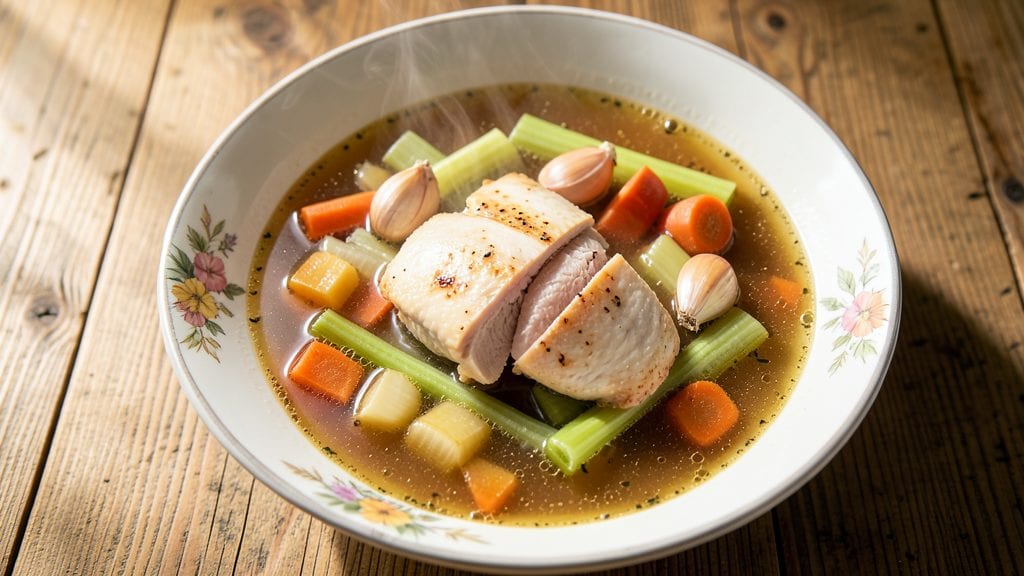
Mastering a simple boiled soup recipe transforms basic ingredients into a deeply comforting meal that warms both body and soul. This method builds rich, flavorful broth from scratch—no shortcuts, just time-honored techniques that elevate pantry staples into something extraordinary.
I’ve perfected it over years of testing, ensuring every spoonful delivers that perfect balance of savory depth and homey satisfaction.
The foundation lies in proper broth preparation, where simmering aromatics like onions, carrots, and celery creates a fragrant base that forms the heart of the soup. Adding vegetables and protein at precise times ensures tender textures without mushiness, while careful seasoning transforms simple ingredients into a harmonious blend.
This approach works for chicken noodle, beef, or even hearty vegetable versions—each with its own character.
What you’ll achieve is a soup so satisfying it becomes a weekly staple: velvety broth infused with layered flavors, vegetables cooked to perfect tenderness, and a finish that feels both rustic and refined.
The beauty of boiling soup lies in its adaptability—start with a basic recipe, then customize with herbs, spices, or garnishes to match your taste. It’s the kind of meal that feels like a hug in a bowl.
Whether you’re feeding a family or treating yourself to a quiet night in, this method delivers restaurant-quality results with minimal effort. Let’s get started on creating soup that tastes like home, every time.
Ingredients for boil soup
Pantry staples meet time-honored techniques for soup that feels like home.
| Ingredient | Amount | Notes |
|---|---|---|
| Yellow Onions 🧅 | 1 ½ whole | Medium-sized, peeled and halved |
| Carrots 🥕 | 3 whole | Medium-sized, peeled and chopped |
| Celery Stalks 🌿 | 3 whole | Fresh, washed and chopped |
| Garlic Cloves 🧄 | 4 cloves | Peeled and lightly crushed |
| Chicken Breast 🍗 | 2 lb | Boneless, skinless, cut into chunks |
| Chicken Broth 💧 | 6 cups | Homemade or high-quality store-bought |
| Egg Noodles 🍜 | 1 lb | Medium or wide egg noodles |
| Fresh Parsley 🌿 | ¼ cup | Chopped, for garnish |
| Bay Leaves 🍃 | 2 whole | Dried, for infusion |
| Black Peppercorns 🌶️ | 1 tsp | Crushed, for seasoning |
| Salt 🧂 | 1 ½ tsp | Diamond Crystal kosher salt |
| Extra-Virgin Olive Oil 🫒 | 2 tbsp | For sautéing aromatics |
| Lemon Juice 🍋 | 1 tbsp | Freshly squeezed, for brightness |
| Fresh Thyme 🌿 | ½ tsp | Leaves only, finely chopped |
The aromatic trifecta—onions, carrots, and celery—forms the soul of this broth. Whole Foods or your local market’s produce section will yield the freshest vegetables, with vibrant colors indicating peak ripeness. For the garlic, Penzeys or bulk bins at specialty stores ensure potent flavor. The chicken breast should be organic, free-range if possible, as it yields a cleaner, more flavorful broth. Pre-cutting the vegetables into even pieces ensures consistent cooking, while the bay leaves add an earthy depth that transforms simple ingredients into something extraordinary. Don’t overlook the quality of your broth—homemade is ideal, but Pacific Foods or Kettle & Fire brands offer exceptional store-bought options.
No fresh thyme? Dried thyme at one-third the amount works in a pinch, though fresh delivers superior complexity. Substitute chicken for beef shank or pork shoulder for a richer broth, adjusting cooking time accordingly. The egg noodles can be swapped for rice noodles or orzo, though egg noodles hold their shape best in broth. For a vegetarian version, replace the chicken with mushrooms or white beans and use vegetable broth. The lemon juice is non-negotiable for brightness—freshly squeezed trumps bottled every time, though a splash of white wine vinegar in a bind can mimic the acidity.
Store the broth base in the refrigerator for up to 5 days or freeze for 3 months in airtight containers. The cooked noodles and vegetables reheat beautifully—simmer for 3-5 minutes to restore their velvety texture. For meal prep, assemble the soup in individual containers, storing the broth and solids separately to prevent mushiness. The fresh parsley and lemon juice should be added just before serving to preserve their vibrant qualities. This soup’s magic lies in its adaptability—customize with herbs, spices, or proteins to suit any preference while maintaining its comforting essence.
Why You'll Love This Recipe
- One-Pot Magic: I swear by this recipe—just toss everything into one pot (onions, carrots, celery, garlic, chicken) and let it simmer. No chopping boards to clean, no extra pans, no stress. The chicken shreds itself right in there, and the veggies soften perfectly without fuss.
- Garlic Bomb Flavor: That minced garlic? Oh, it’s there—in the best way. The onions caramelize just enough to deepen the broth, while the celery adds a fresh, herbal bite. It’s the kind of soup that makes you close your eyes and sigh, even if you’re just reheating leftovers.
- Leftovers That Shine: Between us, this soup improves overnight. The flavors meld, the chicken gets even more tender, and the broth thickens into something rich. I make a double batch on Sundays because by Wednesday, it’s the only thing keeping me from takeout.
- Budget Meal Hero: Chicken breast is affordable, and the veggies stretch for days. Honestly, I’ve fed four people for under $10 with this—plus, the carrots and celery last forever if you prep them ahead. It’s the kind of recipe that makes grocery day feel like a victory.
Step-by-step instructions for boiled soup recipe
Transform simple pantry staples into a deeply flavorful soup with this methodical approach.
Develop the Aromatic Base
Heat the 2 tablespoons extra-virgin olive oil in a large pot over medium heat. Add the 1.5 whole yellow onions, 3 whole carrots, and 3 whole celery stalks, all chopped into ¼-inch dice. Sauté for 8-10 minutes until the vegetables soften and the onions become translucent, stirring occasionally to prevent browning.
Add the 4 cloves garlic cloves and 0.5 teaspoon fresh thyme to the pot. Cook for an additional 2 minutes until the garlic releases its aroma and becomes fragrant but not browned. This foundational step builds the soup's depth of flavor—don't rush it. The vegetables should be tender but not mushy, ensuring they contribute texture rather than a watery consistency.
Brown the Chicken and Infuse the Broth
Push the vegetable mixture to one side of the pot and add the 2 pounds chicken breast, cut into 1-inch chunks. Cook for 5-6 minutes over medium-high heat, stirring occasionally, until the chicken develops a golden-brown crust on all sides. This browning step, known as the Maillard reaction, creates complex flavors that elevate the entire soup.
Once the chicken is browned, return the vegetables to the pot and add the 6 cups chicken broth, 2 whole bay leaves, and 1 teaspoon crushed black peppercorns. Bring the mixture to a gentle boil, then reduce the heat to low and let it simmer for 20 minutes. This allows the chicken to cook through and the broth to absorb the flavors of the aromatics and spices. The chicken should be fully opaque and easily shreddable with a fork.
Shred the Chicken and Season
Remove the chicken from the pot using tongs and transfer it to a cutting board. Shred the chicken into bite-sized pieces with two forks, discarding the bay leaves. Return the shredded chicken to the pot and stir to combine. Add the 1.5 teaspoons salt and 1 tablespoon lemon juice, adjusting the seasoning to taste. The lemon juice brightens the soup and balances the richness of the chicken and broth.
Simmer the soup for an additional 5 minutes to allow the flavors to meld. Taste and adjust the seasoning if needed—this is the moment to ensure the soup is perfectly balanced. The broth should be flavorful but not overly salty, and the lemon juice should add a subtle tang that cuts through the richness of the chicken.
Cook the Noodles and Finish
Add the 1 pound egg noodles to the pot and stir gently to coat them in the broth. Bring the soup back to a gentle boil and cook for 8-10 minutes, stirring occasionally, until the noodles are al dente—firm to the bite but fully cooked. Overcooking the noodles will turn them mushy and ruin the texture of the soup.
Once the noodles are cooked, remove the pot from the heat and stir in the 0.25 cup chopped fresh parsley. Let the soup rest for 2-3 minutes to allow the flavors to settle. The parsley adds a fresh finish and a pop of color, making the soup visually appealing and adding a bright, herbal note. Serve the soup immediately while it's hot, garnished with additional parsley if desired.
Pro Tips For Making Boil Soup
- Sweat the Aromatics First: Don’t just toss onions, celery, and carrots into boiling water—that’s how you end up with bland soup. Instead, cook them in a dry pot over medium-high heat for 8-10 minutes until deeply softened and golden. The Maillard reaction here builds flavor you can’t get back later.
- Cut Chicken Evenly: I used to eyeball chicken breast chunks, and some would turn rubbery while others stayed undercooked. Cut them into 1-inch cubes and pound them to an even ½-inch thickness with a meat mallet. They’ll cook through faster and stay juicy—no more guessing.
- Salt the Water Like the Sea: Too little salt makes the broth taste flat, but don’t overdo it either. Aim for 1½ teaspoons of kosher salt per quart of water, then taste before adding the chicken. You can always adjust later, but you can’t fix blandness.
- Strain the Veggies After Cooking: Blending or mashing cooked carrots and celery into the broth is fine, but if you want a cleaner texture, strain them after simmering. Press the veggies through a fine-mesh sieve—it’s a little extra work, but the result is a silky soup without chunks. (Yes, even if you’re impatient like me.)
Wine and beer pairings for this boil soup
Light White Wine
A crisp, dry Sauvignon Blanc from New Zealand or Loire Valley is my go-to pairing for this classic boiled soup. The bright acidity and citrus notes—think green apple, grapefruit, and a touch of grassiness—cut through the richness of the chicken and complement the lemon juice in the recipe.
I recommend a 2022 Cloudy Bay or Oyster Bay for that perfect balance. Serve slightly chilled (45-50°F) to enhance its refreshing qualities. 🍷
Crisp Lager
For beer lovers, a clean, German-style pilsner like Warsteiner or Stella Artois provides a neutral canvas that lets the soup’s flavors shine. The subtle malt sweetness and effervescence cleanse your palate between bites, while the light body won’t overwhelm the dish.
Avoid heavy lagers or malty ales—they’ll clash with the soup’s delicate balance. Pour at 40-45°F for the best experience.
Dry Rosé
If you prefer something a little more versatile, a Provence-style rosé offers a sophisticated twist. Look for one with dry, mineral-driven notes like Whispering Angel or Château d’Esclans.
The pale pink hue and crisp acidity mirror the soup’s fresh parsley garnish, while the subtle berry undertones add a touch of elegance. Serve at 50-55°F to highlight its refreshing profile.
Herbal Beer
For a unique twist, try a Belgian witbier like Hoegaarden or St. Bernardus Wit. The coriander and orange peel notes in these beers echo the thyme and lemon in the soup, creating a harmonious flavor bridge.
The slight sweetness from the orange peel also balances the soup’s savory depth. Serve at 45-50°F to preserve its effervescence and bright flavors.
Avoid Heavy Reds
Skip bold reds like Cabernet Sauvignon or Syrah—their tannins and intensity will overpower the soup’s delicate broth and herbs. Even a Pinot Noir can be too assertive unless it’s a very light, Burgundy-style with subtle red fruit notes.
Save these wines for heartier soups like beef stew or wild mushroom dishes. The goal here is contrast, not competition.
Seasonal Sparkling
In warmer months, a dry sparkling wine like La Marca Prosecco or Freixenet Cordon Negro adds a festive touch. The bubbles and acidity refresh your palate, while the light fruitiness pairs beautifully with the soup’s herbal notes.
Serve at 45-50°F to maintain its liveliness. This pairing works especially well for lunch or light dinner settings. ✨
Nutrition facts
Frequently asked questions
Can I make this soup without chicken?
For a vegetarian version, substitute the chicken with 1 lb mushrooms or 1 can white beans (drained). Use vegetable broth instead of chicken and add 1 tsp dried thyme for depth. The cooking time remains similar, but mushrooms only need 10 minutes to soften.
Why does my broth taste bland?
Bland broth often happens from insufficient simmering time or under-seasoning. Always let the broth simmer uncovered for at least 20 minutes to develop flavor. For extra richness, add 1 tsp fish sauce or ½ tsp soy sauce at the end. Taste as you go—seasoning builds over time!
How do I prevent noodles from getting mushy?
Cook noodles separately in boiling water for 1 minute less than package instructions, then drain. Add them to the soup just before serving and cook for 2-3 minutes—this ensures they absorb broth without overcooking. Stir gently to avoid breaking them.
Can I make this soup ahead of time?
Yes! Prepare the broth and chicken base up to 2 days ahead and refrigerate. Reheat gently on the stove, then add fresh noodles and parsley when serving. For longer storage, freeze the broth base (without noodles) for up to 3 months. Just thaw and reheat before adding fresh ingredients.
What’s the best way to thicken the soup?
For a creamier texture, stir in 2 tbsp cornstarch mixed with 2 tbsp cold water and simmer for 2 minutes. Alternatively, blend ½ cup broth with the cooked vegetables, then return to the pot. Avoid over-thickening—aim for a spoonful that coats the back of a spoon lightly.