
Soups & Stews
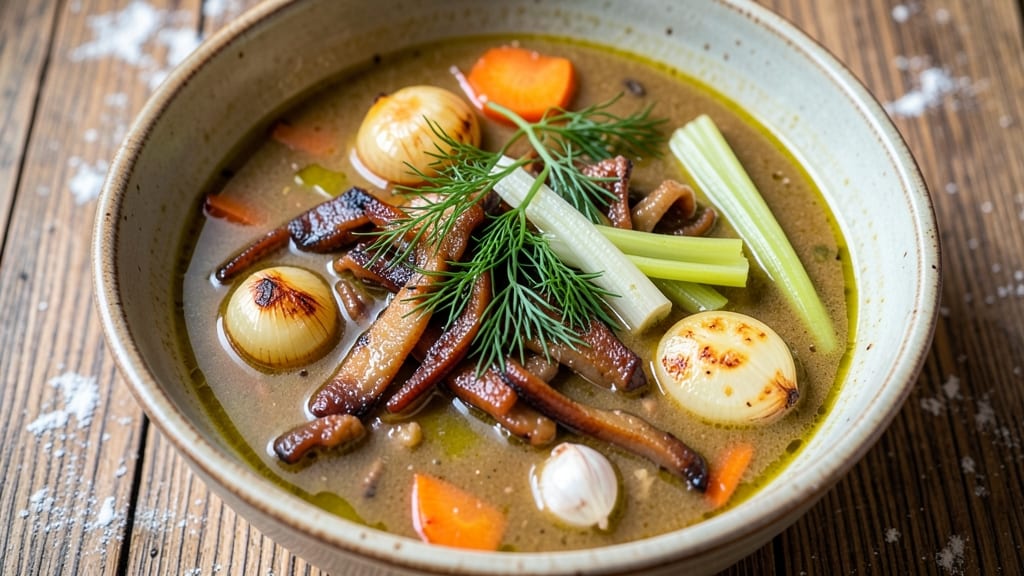
Bulgarian tripe soup delivers the kind of deep, earthy flavor that defines Balkan comfort food—slow-simmered until the tripe becomes tender and the broth develops layers of aromatic complexity.
This recipe captures the essence of traditional Bulgarian cuisine, where tripe is transformed through careful preparation and bold seasoning into a dish that’s both hearty and deeply satisfying.
The key lies in the vinegar and spices, which cut through the richness while building a broth that’s rich enough to stand alone.
What sets this soup apart is the balance of textures and flavors: crispy fried tripe pieces that add crunch, tender simmered tripe that melts in your mouth, and a broth infused with garlic, paprika, and vinegar that’s tangy yet deeply savory.
The recipe requires patience—tripe needs time to soften—but the result is a one-pot meal that’s perfect for cold weather or when you crave something substantial. Traditional sides like crusty bread or pickles complement the dish beautifully, soaking up every last drop of that flavorful broth.
This isn’t just a soup; it’s a celebration of Bulgarian culinary tradition, where humble ingredients like tripe are elevated through technique and spice. The slow simmer develops a depth of flavor that store-bought broths can’t match, and the vinegar adds a bright contrast that keeps the dish from feeling heavy.
Whether you’re serving it to a crowd or enjoying a steaming bowl on a chilly evening, this recipe delivers restaurant-quality results with a touch of home-cooked warmth.
Ready in about 2 hours (mostly hands-off simmering time), this soup is ideal for meal prep or a cozy weekend project. The instructions walk you through every step—from preparing the tripe to balancing the spices—so even if you’re new to cooking with offal, you’ll achieve authentic, restaurant-quality flavor.
Let’s get started on a dish that’s as rewarding to make as it is to eat.
Ingredients for bulgarian tripe soup
Sixteen ingredients transform humble tripe into a rich, aromatic Bulgarian masterpiece.
| Ingredient | Amount | Notes |
|---|---|---|
| Beef Tripe 🥩 | 1 ½ lb | Honeycomb or plain, cleaned and rinsed |
| Yellow Onions 🧅 | 2 whole | Sliced into 1/2-inch strips |
| Garlic Cloves 🧄 | 6 cloves | Crushed for maximum flavor |
| Carrots 🥕 | 2 whole | Cut into 1-inch chunks |
| Celery Stalks 🌿 | 3 whole | Chopped into 1-inch pieces |
| White Vinegar 🍶 | ½ cup | White or apple cider |
| Tomatoes 🍅 | 4 whole | Ripe, chopped (or 1 can crushed) |
| Sweet Paprika 🌶️ | 2 tbsp | Hungarian for authentic color |
| Ground Black Pepper 🌶️ | 1 tbsp | Freshly ground for best flavor |
| Bay Leaves 🌿 | 2 whole | Fresh or dried |
| Extra-Virgin Olive Oil 🫒 | ½ cup | For frying tripe pieces |
| Salt 🧂 | 2 tsp | Kosher or sea salt |
| Dried Oregano 🍃 | 1 tsp | Mild variety preferred |
| Water 💧 | 8 cups | Enough to cover ingredients |
The tripe is the foundation, and honeycomb or plain tripe works best for this recipe. Look for it in the meat section of Whole Foods or your local butcher shop—they’ll clean and prepare it for you if you ask. Freshness is key: the tripe should smell clean and be a pale pink color, not gray or slimy. If you're feeling adventurous, you can clean it yourself at home, but most butchers will do it for a small fee. For the paprika, Hungarian sweet paprika gives that signature color and mild sweetness—don't substitute with regular paprika, which can taste bitter. The vinegar is non-negotiable; it tenderizes the tripe and adds that signature tang to the broth.
No honeycomb tripe? Plain tripe or even beef brisket works in a pinch, though the texture will differ slightly. Running out of white vinegar? Apple cider vinegar or lemon juice will work, but the flavor profile shifts a bit. For the tomatoes, fresh is ideal, but one 14-oz can of crushed tomatoes saves time and keeps for months. The garlic can be roasted ahead of time for a deeper flavor—just toss the whole cloves in olive oil, wrap in foil, and roast at 400°F for 15 minutes. And if you're missing dried oregano, a pinch of thyme or marjoram will do in a pinch, though the flavor won't be identical.
This soup tastes even better the next day as flavors meld. Store in an airtight container in the fridge for up to 5 days, or freeze portions for 3 months. For serving, keep the broth warm on the stove over low heat, and fry the tripe pieces separately in olive oil until crispy just before serving. The broth alone is so flavorful it makes a great base for a quick pasta dish—just toss in some cooked pappardelle and fresh basil. And if you have leftovers, the crispy fried tripe pieces make a fantastic snack or pizza topping the next day.
Why You'll Love This Recipe
- No-Fuss Prep: I swear by this recipe because it’s the kind of soup where you can chop everything in one bowl—no fancy mise en place. The tripe just needs a good rinse and a quick simmer, while the onions, carrots, and celery go in whole or roughly diced. Honestly, I’ve made it with a single knife and still ended up with a rich, hearty broth.
- Umami Bomb: That crispy, caramelized edge on the tripe? Chef’s kiss. The garlic and onions toasted in the pot first build a deep, savory base before the broth even starts simmering. Between us, the first spoonful makes me forget it’s "just" tripe—it’s pure satisfaction in a bowl.
- Weeknight Crowd-Pleaser: I’ve served this to skeptical friends and picky kids (yes, even on a Tuesday night), and somehow, it disappears. The broth is forgiving enough for meal prep—tastes even better the next day—and the tripe holds up perfectly when reheated. No one leaves hungry, and no one asks what’s in it.
- Budget Magic: A pound of tripe stretches this soup for six servings, and the veggies round it out without breaking the bank. I’ll be real: it’s the kind of recipe that makes grocery day feel like a win. Plus, leftovers? They’re my secret weapon for lazy afternoons or impromptu gatherings—just heat and serve.
Step-by-step instructions for Bulgarian tripe soup
This method transforms tough tripe into tender, flavorful soup through precise timing and layered spices.
Prepare and Sear the Tripe
Rinse the 1.5 lb beef tripe thoroughly under cold water, then soak in cold water for 30 minutes to remove any impurities. Drain and pat dry completely with paper towels. Cut the tripe into 1-inch thick strips for even cooking.
Heat the 0.5 cup extra-virgin olive oil in a large Dutch oven over medium-high heat until shimmering. Add the tripe strips in batches, working in 3-4 batches to avoid crowding. Sear each side for 2-3 minutes until golden brown and slightly crispy. Remove tripe and set aside—this initial sear builds deep flavor and prevents toughness.
Build the Flavor Base
In the same Dutch oven, add the sliced 2 whole yellow onions and cook over medium heat for 5-6 minutes until softened and translucent. Add the chopped 2 whole carrots and 3 whole celery stalks, cooking for another 4-5 minutes until the vegetables begin to caramelize slightly.
Stir in the crushed 6 cloves garlic and cook for 30 seconds until fragrant. Add the chopped 4 whole tomatoes, 2 tbsp sweet paprika, 1 tbsp ground black pepper, 2 whole bay leaves, and 1 tsp dried oregano. Cook for 2 minutes to toast the spices and deepen their flavors. This aromatic base forms the soul of the soup.
Simmer the Soup
Return the seared tripe to the Dutch oven. Pour in the 0.5 cup white vinegar and the 8 cups water. Bring to a boil over high heat, then immediately reduce to low heat. Cover and simmer for 2.5-3 hours, stirring occasionally, until the tripe becomes fork-tender and the broth thickens slightly.
The key is patience—the tripe needs time to break down. You'll know it's ready when the meat pulls apart easily and the broth takes on a rich, earthy aroma. If the liquid reduces too much, add ½ cup hot water to maintain the proper consistency.
Finish and Season
Remove the 2 whole bay leaves and adjust seasoning with the remaining 2 tsp salt if needed. Taste and add more ground black pepper if desired. The soup should balance earthy tripe, sweet vegetables, and bright acidity from the vinegar.
Serve the soup hot, ladled into bowls with a sprinkle of fresh parsley if available. The tripe should be tender yet still hold its shape, while the broth remains rich and flavorful. This traditional preparation transforms humble ingredients into a hearty, comforting dish.
Pro Tips For Making Bulgarian Tripe Soup
- TRIPE FIRST, SLOWLY: The tripe needs a head start—simmer it alone in cold water for 20 minutes before adding anything else. I learned this the hard way when I rushed and ended up with a soup that tasted like boiled leather instead of tender, flavorful strips. Let it melt into the broth gradually, and don’t rush the heat.
- ONIONS SOFTEN, DON’T BURN: Sweat the onions low and slow—think 5 minutes at medium heat, not that aggressive sear you’d use for burgers. Bulgarian tripe soup relies on their sweetness, not char. If they start to stick, you’re doing it wrong; add a splash of water and keep stirring.
- SKIP THE CROWDED POT: Tripe shrinks when cooked, but it still needs room to breathe. Don’t overfill the pot—aim for half the usual volume. I once crammed too much in and ended up with a murky, unevenly cooked mess. Give it space, and the broth will stay clear while the tripe cooks evenly.
- GARLIC LAST, CRUSHED: Add whole garlic cloves with the carrots and celery, but smash them lightly with the flat of your knife first. This lets the flavor infuse without turning bitter. I was skeptical until I tried it—now I can’t imagine making tripe soup any other way.
Best sauces and condiments for this bulgarian tripe soup
Vinegar-Based Brightness
The white vinegar in this soup isn't just a seasoning—it's the secret weapon that tenderizes the tripe and adds that signature Bulgarian tang. I use 0.5 cup white vinegar (or apple cider vinegar) because its sharp acidity cuts through the richness while preserving the tripe's natural flavor.
For extra depth, I sometimes add 1 tsp red wine vinegar at the end for a more complex acidity profile. 🍶
Garlic-Infused Oil
After simmering, reserve ¼ cup of the soup broth and reduce it by half in a small saucepan to create a concentrated garlic oil. Stir in 2 extra crushed garlic cloves and cook for 1 minute until fragrant.
Drizzle this oil over individual servings just before eating—it adds a luxurious, aromatic finish that elevates the dish. Store any leftover garlic oil in an airtight container for up to 1 week.
Spiced Yogurt Drizzle
For a creamy contrast, blend ½ cup plain Greek yogurt with 1 tsp sweet paprika, ½ tsp ground cumin, and a pinch of salt. Drizzle this over the soup just before serving—it cools the heat from the vinegar and adds a silky texture.
I like to use Fage 2% plain yogurt because it's thick enough to hold its shape when drizzled. 💛
Crispy Fried Tripe Topping
Before serving, fry a portion of the cooked tripe in 2 tbsp olive oil over high heat for 2-3 minutes until golden and crispy. These pieces add a satisfying crunch that contrasts beautifully with the tender simmered tripe.
I like to serve them on the side or sprinkle them directly into bowls—just be careful, as they're hot!
Hot Pepper Oil
For those who love heat, infuse ½ cup olive oil with 1 tbsp red pepper flakes and 3-4 sliced fresh chili peppers (like jalapeños or serranos). Simmer the mixture on low heat for 10 minutes, then strain and drizzle over the soup.
This adds a smoky, fiery kick that pairs perfectly with the earthy tripe. Store the leftover oil in the refrigerator for up to 2 weeks. 🌶️
Fresh Herb Garnish
Finish your bowl with fresh herbs for a burst of color and brightness. I recommend chopped fresh parsley or dill—about 2 tbsp per serving. The parsley adds a clean, slightly peppery note, while dill brings a more delicate, anise-like flavor.
For a pop of color, add a few thinly sliced scallions right before serving. These garnishes not only look beautiful but also add freshness that balances the rich, savory broth.
Nutrition facts
Frequently asked questions
Why does Bulgarian tripe soup need vinegar?
The white vinegar serves two critical purposes: it tenderizes the tripe by breaking down its tough fibers, and it adds that signature tangy brightness that balances the rich, earthy flavors. Without it, the soup would taste flat and heavy. The acidity also helps preserve the tripe's natural flavor while cutting through its richness.
Can I substitute beef tripe with another type of tripe?
While beef tripe is traditional, you can use pork tripe or even lamb tripe, though the flavor will differ slightly. Pork tripe is milder and works well, while lamb tripe adds a gamey depth. Avoid chicken tripe—it's much thinner and won't hold up in this long simmer. If tripe is unavailable, beef brisket or short ribs can mimic the texture, though the flavor won't be identical.
How do I know when the tripe is fully cooked?
The tripe is done when it's fork-tender and pulls apart easily with minimal resistance. It should have softened significantly after 2.5-3 hours of simmering, and the broth will take on a rich, earthy aroma. If it still feels tough, extend the simmer time by 30 minutes and check again—never rush this step, as overcooking can make it mushy.
Can I make this soup in a slow cooker?
Sear the tripe first, then transfer everything to a 6-quart slow cooker and cook on low for 6-7 hours or high for 4-5 hours. The slow cooker's gentle heat ensures even cooking without monitoring. Just be sure to add the vinegar at the start, as it won't have time to tenderize later. The broth may thicken more, so adjust with water or broth if needed.
What sides pair best with Bulgarian tripe soup?
Traditional pairings include crusty Bulgarian lepenka bread (or sourdough) to soak up the broth, and tangy pickled vegetables like cucumbers or peppers to cut through the richness. For a heartier meal, serve with mashed potatoes or roasted root vegetables. A simple green salad with a lemony vinaigrette also balances the dish beautifully.