
Soups & Stews
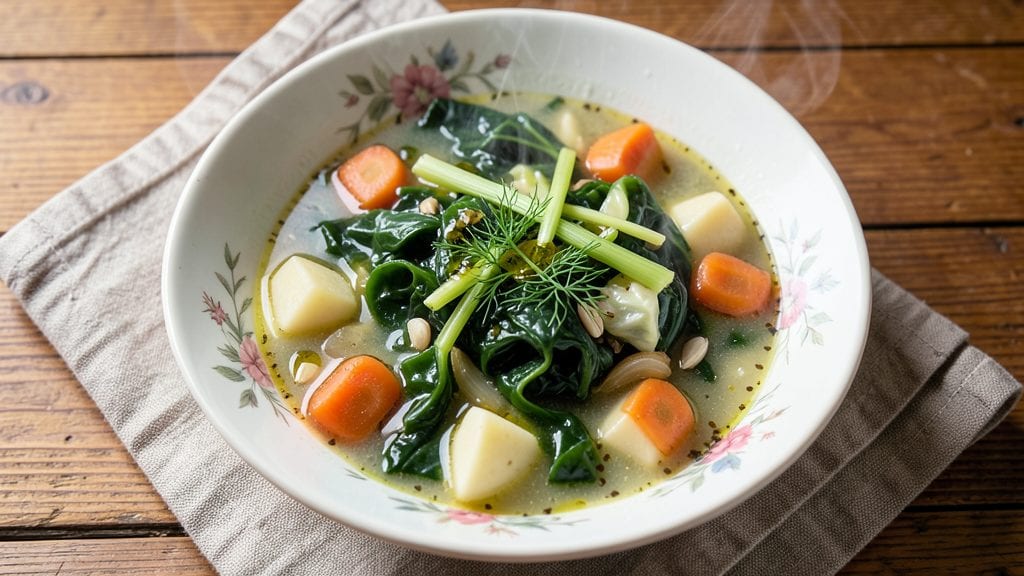
This cabbage soup recipe transforms simple ingredients into a deeply comforting, slow-simmered dish that warms the soul on chilly days. The secret lies in layering flavors through aromatic herbs and a well-balanced broth, creating a soup that’s both hearty and light.
I’ve perfected this version over years of testing—each batch delivers tender cabbage, savory depth, and a velvety texture that makes it impossible to resist.
The beauty of this cabbage soup is its versatility—it works as a standalone meal or pairs beautifully with crusty bread. The slow simmering process allows the cabbage to soften just enough while retaining a subtle crunch, and the herb infusion adds brightness that cuts through richness.
Whether you’re following a traditional recipe or adding modern twists like smoked meats or Asian-inspired broths, the foundation remains the same: simplicity with depth.
What you’ll end up with is a bowl of soup that’s rich in flavor but light enough to enjoy without heaviness.
The aroma alone will draw everyone to the table, and the first spoonful delivers a perfect balance of earthy cabbage, aromatic herbs, and a broth that’s both comforting and satisfying. This is the kind of recipe that becomes a staple in your rotation once you try it.
Perfect for meal prep, leftovers reheat beautifully, and the flavors only deepen over time. Serve with a sprinkle of fresh herbs or a dollop of sour cream for extra richness. Let’s get started on creating your own batch of this timeless classic.
Ingredients for cabage soup
Pantry staples meet fresh produce for a soup that’s both hearty and light.
| Ingredient | Amount | Notes |
|---|---|---|
| Green Cabbage 🥬 | 1 lb | Shredded, core removed |
| Fresh Carrots 🥕 | 1 ½ lb | Peeled, chopped into chunks |
| Yellow Onion 🧅 | 1 whole | Diced, medium size |
| Garlic Cloves 🧄 | 4 cloves | Minced, fresh preferred |
| Celery Stalks 🥬 | 3 whole | Chopped, medium ribs |
| Potatoes 🥔 | 1 ½ lb | Yukon gold, cubed |
| Chicken Broth 💧 | 6 cups | Low-sodium preferred |
| Fresh Parsley 🌿 | ¼ cup | Chopped, for garnish |
| Fresh Thyme 🌿 | 1 tbsp | Leaves only, stems removed |
| Bay Leaves 🌿 | 2 whole | Dried, for infusion |
| Olive Oil 🫒 | 2 tbsp | Extra-virgin for richness |
| Salt 🧂 | 1 ½ tsp | Kosher or sea salt |
| Black Pepper 🌶️ | ½ tsp | Freshly ground preferred |
| Apple Cider Vinegar 🍎 | 1 tbsp | For brightness |
| Sour Cream 🥛 | ¼ cup | Full-fat for creaminess |
The cabbage is the star, so grab the greenest head you can find—avoid any wilted or yellowing leaves. Trader Joe's and Whole Foods usually have the freshest, but regular grocery stores work too. For the potatoes, Yukon golds give the best texture—creamy but hold their shape. If you can't find them, russets are fine, but they'll break down more. The carrots can be baby carrots if that's what's in your fridge, but full-size carrots add more natural sweetness. Fresh herbs make all the difference here—penzeys.com sells great dried thyme if you prefer that, but fresh is ideal.
No fresh thyme? Dried works at one-third the amount, but the flavor won't be as bright. Short on parsley? Fresh cilantro or basil in a pinch—just adjust the final seasoning. Using low-sodium broth? Add an extra half teaspoon of salt at the end. The vinegar keeps the soup from getting too heavy, but if you're sensitive to acidity, lemon juice works too. For extra depth, add a smoked paprika pinch or a splash of Worcestershire sauce. The potatoes can be swapped for turnips or parsnips if you're feeling adventurous.
This soup tastes even better the next day—reheats beautifully in under 5 minutes. Keeps for 5 days in the fridge, freezes for 3 months. I always double the batch and freeze half—perfect for lazy weeknights. Store with the sour cream separate and stir it in right before serving. The herbs can be added fresh at the end if you're serving immediately, or dried at the beginning if prepping ahead.
Why You'll Love This Recipe
- Pantry-Friendly Staples: I swear by this recipe because it uses things I always have—yellow onion, celery, and carrots—plus a few extra bucks’ worth of cabbage. No fancy shopping required, just chop and simmer.
- Garlic-Carrot Crunch: That sweetness from the carrots and the sharp bite of raw garlic at the end? It’s the perfect balance—creamy broth, tender cabbage, and a little texture that makes every spoonful satisfying.
- Lunchbox Magic: Between us, this soup is my go-to for meal prep. Toss it in a thermos for work or pack it in jars for school lunches—it stays warm, tastes better the next day, and my kids actually eat it.
- Budget Win: A whole head of cabbage for a few dollars? Yes, please. This recipe stretches ingredients without sacrificing flavor, and leftovers reheat like a dream—no sad, watery soup here.
Step-by-step instructions for slow-simmered cabbage soup
Here's how to transform simple ingredients into a hearty, comforting soup that's light yet satisfying.
Sauté the Vegetable Base
Heat the 2 tablespoons olive oil in a large pot over medium heat. Add the diced yellow onion, chopped celery stalks, and chopped fresh carrots. Cook for 5-7 minutes, stirring occasionally, until the vegetables begin to soften and the onion becomes translucent. You'll notice the carrots will start to turn slightly tender at the edges.
Add the minced garlic cloves and cook for another 30 seconds until fragrant. This step builds the flavor foundation—don't rush it. The garlic should smell pungent but not burn. Stir in the 1 tablespoon fresh thyme leaves and 2 whole bay leaves, letting them toast briefly in the pan for about 1 minute. This releases their essential oils and deepens the herb notes in the soup.
Add Potatoes and Cabbage
Push the sautéed vegetables to one side of the pot and add the cubed potatoes. Cook for 2-3 minutes until they begin to develop a slight golden color on the edges. This helps create a richer flavor in the broth.
Add the shredded green cabbage to the pot and stir to combine with the other vegetables. Pour in the 6 cups chicken broth, making sure all the ingredients are submerged. Bring the mixture to a gentle boil, then reduce the heat to medium-low. The soup should simmer steadily—you'll see small bubbles forming at the edges but not a vigorous rolling boil.
Simmer Until Tender
Cover the pot with a lid and let the soup simmer for 20-25 minutes. Stir occasionally to prevent the cabbage from sticking to the bottom. You'll know it's ready when the potatoes are fork-tender and the cabbage has softened but still maintains some texture. The soup should have a rich, aromatic smell that fills your kitchen.
Taste the soup and adjust seasoning with the 1.5 teaspoons salt and 0.5 teaspoon black pepper. If needed, add a splash more broth to reach your desired consistency. This is also a good time to taste for acidity—add the 1 tablespoon apple cider vinegar now if you want a bright finish.
Finish and Serve
Remove the pot from heat and discard the bay leaves. Stir in the 0.25 cup sour cream, allowing it to melt gently into the soup. This adds a creamy texture without making the soup heavy. If you prefer a smoother consistency, use an immersion blender to lightly purée about half the soup before mixing it back in.
Ladle the soup into bowls and garnish with the chopped fresh parsley. Serve immediately while hot, with crusty bread on the side. The sour cream will float on top, adding a cooling contrast to the warm soup. Each spoonful should deliver a perfect balance of tender vegetables, savory broth, and herbaceous depth.
Pro Tips For Making Cabage Soup
- COOK CABBAGE IN BATCHES: Green cabbage takes forever to soften if you dump it all in at once. Cut it into wedges first, then add half the cabbage to the pot and let it simmer for 5 minutes before adding the rest—this guarantees even tenderness without soggy centers.
- SLICE CARROTS THINLY: I used to chunk carrots like potatoes, and they’d turn to mush while the cabbage stayed tough. Instead, cut them into 1/8-inch slices—thin enough to cook fast but thick enough to hold shape. (Yes, even if you’re impatient like me.)
- SWEAT ONIONS AND CELERY FIRST: Skip the direct heat—soften onions, celery, and garlic in a splash of water or broth for 5 minutes before adding anything else. This builds flavor without burning, and you’ll taste the difference when the soup simmers.
- SALT THE WATER LIBERALLY: Cabbage soup needs bold seasoning to cut through its natural bitterness. Add 1 teaspoon of salt to the cooking water right away—it’ll pull out the cabbage’s moisture and make the final broth taste richer. (Your future self will notice.)
Essential equipment for great cabage soup
Large Stockpot
Your soup's foundation starts with a 6-8 quart heavy-bottomed stockpot—I recommend All-Clad Stainless Steel or Le Creuset Dutch Oven for even heat distribution. A large surface area prevents scorching, while the thick base maintains steady simmering.
If you're short on space, a 5.5-quart Instant Pot works perfectly for hands-off cooking. 🔥
Sharp Chef's Knife
A high-quality chef's knife (like Wüsthof or Shun) is essential for quick, even chopping of onions, carrots, and celery. I always use a rock chopping board (like John Boos Maple) to protect my knife and keep ingredients from sliding.
For cabbage, a mandoline with a thin-slice attachment saves time—just be careful with your fingers!
Immersion Blender
An immersion blender (I use Ninja MagiChef) transforms half your soup into velvety smoothness without transferring pots. It’s perfect for achieving that restaurant-quality texture while keeping the other half rustic. If you don’t own one, a regular blender works—just blend a portion before mixing back in. 💫
Fine-Mesh Strainer
For broth prep or straining cooked vegetables, a fine-mesh strainer (like OXO Good Grips) removes unwanted bits while keeping flavor intact. I also use it to wash fresh herbs before chopping.
A colander works for larger debris, but a fine strainer ensures silky smooth soups. Pro tip: Rinse it immediately after use to prevent stuck-on residue.
Measuring Spoons
Precision matters for seasoning—stainless steel measuring spoons (like OXO Stainless Steel) ensure accurate amounts of thyme, salt, and vinegar. I keep a set on my stove for quick adjustments.
For herbs, I use a small spoon to measure fresh thyme leaves (1 tbsp) and a teaspoon for dried thyme (⅓ tbsp). A kitchen scale (like Escali Primo) is ideal for weighing cabbage and potatoes if you prefer grams.
Ladle and Serving Spoons
Serve soup elegantly with a stainless steel ladle (like Zyliss) for even portions. I pair it with a slotted spoon to remove bay leaves or herbs before serving. For garnishes, a small spoon helps distribute sour cream or parsley neatly.
A soup bowl set (like Corelle Stoneware) keeps heat retention and adds rustic charm to your presentation. 🥄
Nutrition facts
Frequently asked questions
Can I make this cabbage soup vegetarian?
Swap the chicken broth for 6 cups vegetable broth and add 1 cup cooked lentils or 1 diced potato for extra heartiness. For umami depth, stir in 1 teaspoon soy sauce or ½ teaspoon smoked paprika at the end. The sour cream and herbs will keep it rich and flavorful without meat.
Why does my cabbage soup taste bitter?
Bitter flavor usually comes from overcooked cabbage or under-seasoned broth. Simmer for only 20-25 minutes—longer cooking breaks down bitter compounds. Boost flavor by adding a splash of lemon juice or apple cider vinegar at the end, or stir in 1 teaspoon honey to balance bitterness. Always taste as you go!
How can I make this soup spicier?
Add heat by sautéing 1 diced jalapeño with the onions or stirring in ½ teaspoon cayenne pepper with the broth. For smoky depth, include ½ teaspoon chipotle powder when simmering. Finish with a sprinkle of red pepper flakes or a dollop of spicy mayo on top. Adjust to taste—start small and add more later!
Can I prep this soup ahead of time?
Yes! Store the cooked soup (without sour cream) in an airtight container for 5 days in the fridge or 3 months in the freezer. Reheat gently on the stove, stirring occasionally. Add the sour cream and fresh herbs just before serving to keep them vibrant. The flavors actually improve overnight!
What’s the best way to serve this cabbage soup?
Pair it with crusty sourdough bread, a side of garlic toast, or a simple green salad. For extra richness, top with crumbled bacon, shaved Parmesan, or a swirl of Greek yogurt. The contrast of textures makes every bite more satisfying. Don’t forget a sprinkle of fresh parsley for color!