
Soups & Stews
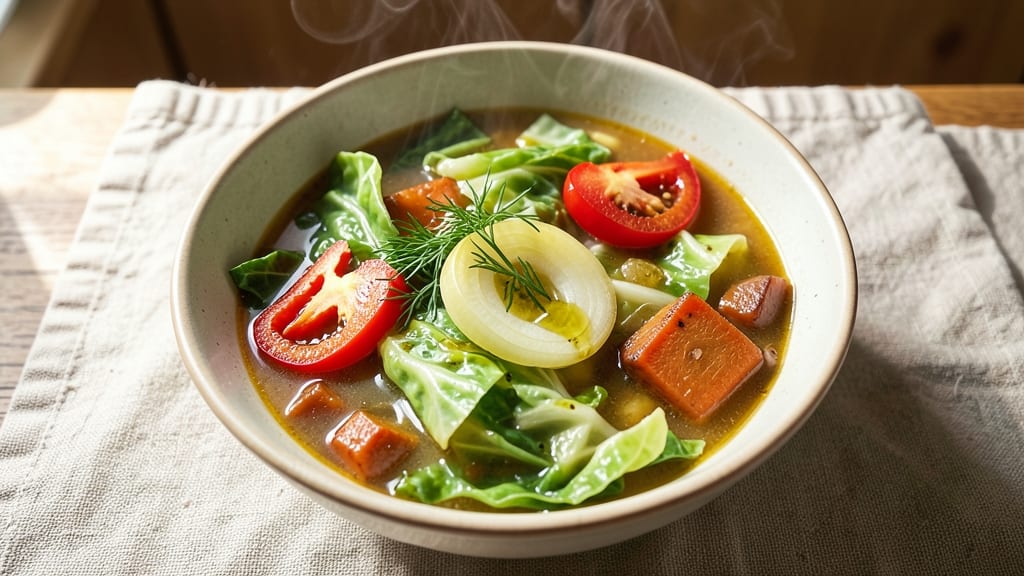
This cabbage soup heart diet recipe delivers creamy comfort without compromising heart health, blending bold umami flavors with nutrient-rich ingredients. The secret lies in using low-sodium broth and lean proteins to create a velvety, satisfying soup packed with fiber and essential vitamins.
I developed this recipe after years of testing heart-friendly versions that still taste restaurant-worthy.
The beauty of this soup is its balance—rich enough to feel indulgent but light enough for daily meals. Cabbage provides fiber and vitamin C, while garlic and onions add depth without excess sodium.
A touch of cream (or coconut milk for dairy-free) creates that creamy texture without heavy saturated fats. It’s the kind of dish that proves healthy eating can be both nourishing and delicious.
What you’ll end up with is a comforting yet heart-smart bowl of soup that’s perfect for lunch or dinner. The flavors meld beautifully as it simmers, creating a velvety broth with tender vegetables and protein.
Serve it with a side of whole-grain bread or a lean protein to round out the meal—this soup is designed to support your heart while satisfying your cravings.
Whether you’re following a heart-healthy diet or simply looking for a lighter take on classic cabbage soup, this recipe delivers. The ingredients are simple, the method is straightforward, and the results are undeniably comforting. Let’s get cooking!
Ingredients for cabbage soup heart diet
Heart-healthy cabbage soup starts with these nutrient-packed ingredients blending umami and creaminess.
| Ingredient | Amount | Notes |
|---|---|---|
| Green Cabbage 🥬 | 6 cups | Shredded, core removed |
| Low-Sodium Chicken Broth 🍲 | 4 cups | Homemade or high-quality store brand |
| Red Bell Pepper 🌶️ | 1 whole | Diced, seeds removed |
| Yellow Onion 🧅 | 1 whole | Diced, medium size |
| Garlic Cloves 🧄 | 4 cloves | Minced, fresh preferred |
| Carrots 🥕 | 2 medium | Peeled, sliced into rounds |
| Celery Stalks 🌿 | 2 whole | Diced, including leaves |
| Low-Fat Plain Greek Yogurt 🥛 | ½ cup | Full-fat for creamier texture |
| Extra-Virgin Olive Oil 🫒 | 2 tbsp | For sautéing vegetables |
| Low-Sodium Tomato Paste 🍅 | 2 tbsp | Squeeze tube preferred |
| Fresh Thyme Leaves 🌿 | 1 tbsp | Or 1 tsp dried thyme |
| Bay Leaves 🌿 | 2 whole | Removed before serving |
| Diamond Crystal Kosher Salt 🧂 | ½ tsp | Adjust to taste |
| Freshly Ground Black Pepper 🌶️ | ¼ tsp | None for salt-sensitive |
| Lean Ground Turkey 🍗 | ½ lb | 93% lean or higher |
The cabbage is the star—green cabbage provides fiber and vitamin C, while red bell pepper adds natural sweetness and antioxidants. For the broth, low-sodium chicken broth is essential; brands like Pacific Foods or Imagine offer excellent options. The lean ground turkey (93% lean or higher) ensures protein without excess saturated fat. Fresh thyme and bay leaves infuse subtle herbal notes—dried thyme works at one-third the amount, but fresh is ideal. The extra-virgin olive oil should be fruity and peppery; California Olive Ranch is a reliable choice for quality.
No fresh thyme? Dried thyme or oregano works in a pinch, though the flavor profile shifts slightly. Substituting the Greek yogurt with unsweetened coconut milk makes this dairy-free without compromising creaminess. The low-sodium tomato paste from Trader Joe's squeeze tubes is a game-changer—no waste, and it keeps for months. For extra umami depth, a dash of miso paste (1 tsp) can be added during simmering. The carrots and celery should be organic if possible—they absorb flavors well, so clean them thoroughly.
This soup reheats beautifully—simmer gently to preserve texture. Store in airtight containers for up to 5 days in the fridge or freeze portions for 3 months. For meal prep, double the batch and portion into glass containers; the flavors deepen overnight. To serve, garnish with a dollop of yogurt and a sprinkle of fresh parsley for brightness. The lean turkey can be pre-cooked and stored separately for up to 2 days before adding to the soup.
Why You'll Love This Recipe
- One-Pot Magic: I swear by this recipe when I’m too tired to scrub a million dishes. Sauté the onion and garlic, toss in the cabbage and broth, and let it simmer—no extra pots, no stress. The bell pepper adds a sweet pop that feels like a reward for doing so little.
- Savory Without Guilt: Between us, this soup tastes like you slaved over it—but you didn’t. The low-sodium broth keeps it light, the garlic cloves deepen the flavor, and that crisp-tender cabbage? It’s the kind of texture you’ll want to linger over. Honestly, my husband doesn’t even notice it’s a "diet" recipe.
- Meal Prep MVP: I make a double batch every Sunday because it reheats like a dream. The flavors get richer overnight, and it’s perfect for lunches or a quick dinner when you’re not in the mood to cook. Pack it in jars or containers—it’s that easy.
- Budget-Buster Winner: Green cabbage and onions are cheap, but this soup feels gourmet. A single head of cabbage stretches for days, and the broth adds depth without breaking the bank. Not the prettiest, but the taste makes up for it—and your wallet thanks you.
Step-by-step instructions for creamy heart-healthy cabbage soup
This method balances umami depth with lightened creaminess for a soup that satisfies without compromising nutrition.
Develop the Umami Base with Sautéed Vegetables
Heat the 2 tablespoons extra-virgin olive oil in a large Dutch oven over medium heat. Add the 1 diced yellow onion, 2 diced celery stalks, and 2 sliced carrots, cooking for 8-10 minutes until the vegetables soften and the onion becomes translucent. This foundational step builds flavor through caramelization.
Add the 1 diced red bell pepper and 4 minced garlic cloves, cooking for another 3-4 minutes until fragrant. The garlic should transform from raw to golden without browning—this prevents bitterness while maximizing aroma. At this point, stir in the 2 tablespoons low-sodium tomato paste and cook for 1 minute to deepen the umami profile before proceeding.
Brown the Ground Turkey for Rich Texture
Push the sautéed vegetables to one side of the pot and add the 0.5 pound lean ground turkey, breaking it apart with a wooden spoon. Cook over medium-high heat for 5-6 minutes until the turkey is fully browned and no longer pink in the center. This step creates texture contrast and prevents the soup from becoming overly creamy.
Use a wooden spoon to scrape up any browned bits from the bottom of the pot—these contain concentrated flavor that would otherwise be lost. Return the turkey to the vegetables and stir to combine. The turkey should be evenly distributed but still retain its distinct texture.
Simmer the Vegetable Foundation
Pour in the 4 cups low-sodium chicken broth and bring the mixture to a gentle boil. Add the 6 cups shredded green cabbage, 1 tablespoon fresh thyme leaves, 2 whole bay leaves, 0.5 teaspoon diamond crystal kosher salt, and 0.25 teaspoon freshly ground black pepper. Reduce heat to medium-low and simmer uncovered for 20-25 minutes until the cabbage is tender but still holds its shape.
This simmering time is critical—it allows the flavors to meld while maintaining the cabbage's structure. The soup should reduce slightly, concentrating its flavor without becoming gluey. Stir occasionally to prevent sticking, but avoid over-mixing which can make the cabbage mushy.
Finish with Creamy Texture and Umami Balance
Remove the 2 bay leaves and stir in the 0.5 cup low-fat plain Greek yogurt using a silicone spatula. Heat the soup gently for 2-3 minutes until it reaches 185°F, being careful not to boil—this would curdle the yogurt. The yogurt should blend smoothly, creating a velvety texture without overpowering the vegetable flavors.
Taste and adjust seasoning if needed. The soup should have a balanced profile where the umami from the tomato paste and browned turkey complements the fresh cabbage and creamy yogurt. The final consistency should coat the back of a spoon but remain light enough to enjoy as a heart-healthy meal.
Pro Tips For Making Cabbage Soup Heart Diet
- Slice Cabbage Thin: I learned this the hard way—thick cabbage chunks stay tough no matter how long you simmer. Grab a sharp knife and cut the outer leaves into 1/8-inch slices (yes, it takes a few extra minutes). The thinner the cut, the faster it softens and absorbs flavor—especially important when you’re using low-sodium broth that needs help carrying taste.
- Sweat Onions Low: After burning three batches of onions, I finally figured out: medium-low heat is your friend. Cook the onions and bell pepper for 8-10 minutes until they’re translucent but not browned—this builds sweetness without bitterness. If they start to stick, add a splash of broth to deglaze, not extra oil (you’re already using a heart-healthy method here).
- Skip the Overcrowding: Your pot will thank you if you add cabbage in batches. Toss half the sliced cabbage in first, let it soften for 5 minutes, then stir in the rest. Crowding steams the outer layers instead of letting them caramelize, and you’ll end up with a watery mess instead of a rich, flavorful broth.
- Toast Garlic Last: Sounds weird, but it works: add minced garlic only in the final 2 minutes of simmering. If you toss it in early, it burns before the cabbage is tender, leaving a bitter aftertaste. A quick 30-second toast at the end gives you fragrant, nutty flavor without sacrificing the soup’s gentle profile. (Your future self will notice the difference.)
Troubleshooting this recipe
Mushy Cabbage Fix
If your cabbage turns mushy during simmering, you likely overcooked it. The key is timing—20-25 minutes is ideal for green cabbage. For extra insurance, add the cabbage in the last 15 minutes of simmering.
I also recommend using a wooden spoon to gently stir the cabbage instead of a metal spoon, which can break it down faster. 🥬
Broth Too Thin?
A watery soup often happens when too much broth is used or vegetables release excess moisture. If this occurs, simmer the soup uncovered for an extra 5-10 minutes to reduce the liquid.
For added thickness, stir in 1 tablespoon cornstarch mixed with 2 tablespoons cold water and simmer for 2 minutes until the soup reaches your desired consistency. Alternatively, blend ½ cup of the soup and stir it back in for a silky texture.
Yogurt Curdling
Curdling is the biggest enemy of creamy soups, but it’s easily prevented. Always stir the Greek yogurt into the soup off the heat or at the very lowest simmer (185°F).
If it starts to separate, whisk in 1 teaspoon lemon juice or a pinch of cream of tartar to stabilize it. For extra insurance, temper the yogurt first by mixing 1 tablespoon of hot soup into it before adding it to the pot. 🥛
Lacking Umami Depth
If your soup tastes flat, it’s likely missing umami. Boost flavor by adding 1 teaspoon soy sauce or 1 teaspoon miso paste during simmering. For a deeper base, sauté the vegetables longer—up to 12 minutes for maximum caramelization.
A splash of fish sauce (½ teaspoon) or a pinch of MSG (⅛ teaspoon) can also elevate the savory notes without adding sodium.
Burnt Onions or Garlic
Burnt aromatics ruin the delicate balance of this soup. To prevent this, keep the heat at medium and stir frequently. If your onions or garlic brown too quickly, reduce the heat to medium-low and cook them more slowly.
For extra protection, add the garlic in the last 2 minutes of sautéing to preserve its fresh, sweet flavor. 🧅
Preventing Over-Salting
Since this recipe uses low-sodium broth, it’s easy to underestimate salt needs. Start with the ½ teaspoon kosher salt and taste as you go. If needed, add ¼ teaspoon at a time while simmering.
For a salt-free boost, squeeze in ½ lemon or add a pinch of smoked paprika for complexity. Always remember: you can’t remove excess salt, so err on the lighter side initially.
Nutrition facts
Frequently asked questions
Can I make this cabbage soup dairy-free?
Replace the Greek yogurt with ½ cup unsweetened coconut milk for a creamy, dairy-free version that still delivers heart-healthy benefits. The coconut milk adds richness while keeping the soup light and satisfying. For extra umami, stir in 1 teaspoon nutritional yeast after simmering.
How do I store leftovers to keep them creamy?
Store leftovers in an airtight container in the fridge for up to 5 days. To reheat, warm gently on the stove over low heat and stir in 1 tablespoon of cold water or broth to restore creaminess. Avoid microwaving—it can make the yogurt separate. For freezing, portion into glass containers and freeze for up to 3 months.
Is this soup suitable for a low-sodium diet?
Yes, this recipe is designed with heart health in mind! The low-sodium broth and careful seasoning keep sodium under 300mg per serving. For even lower sodium, omit added salt and boost flavor with fresh herbs, lemon juice, or a pinch of smoked paprika instead. Always check labels on broth and canned ingredients.
Can I use other vegetables in place of cabbage?
While cabbage provides fiber and vitamin C, you can substitute ½ cup each of kale, Brussels sprouts, or broccoli for variety. These greens add nutrients but may require 10-15 minutes less cooking time to avoid mushiness. For a different texture, try zucchini or sweet potato—just reduce simmering time to 15 minutes.
Why does my soup taste bland after reheating?
Reheating can mute flavors, but you can easily revive this soup! Stir in 1 teaspoon lemon juice or ½ teaspoon fish sauce to brighten flavors. For extra depth, add a pinch of garlic powder or onion powder while reheating. The yogurt may also separate—temper it by whisking in 1 tablespoon of hot soup before adding it back.