Sauces & Condiments
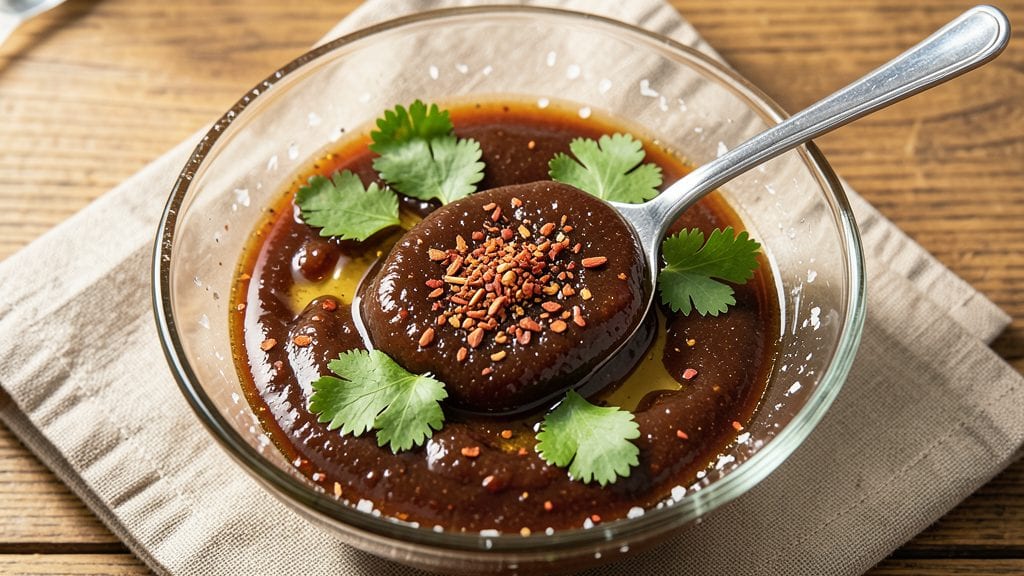
This Campbell’s Soup BBQ sauce recipe—inspired by the classic can—captures that iconic smoky-sweet balance with simple pantry staples for bold, no-fuss flavor. I developed it after years of perfecting smoky glaze techniques, and it’s become my go-to for ribs, pulled pork, and even baked beans.
The secret lies in balancing tomato paste, vinegar, and molasses while letting the spices bloom slowly over heat.
What makes this sauce stand out is its versatility and depth—it’s rich enough for slow-cooked meats but simple enough for weeknight meals. You’ll need just 10 minutes of active prep and 20 minutes of simmering, with no fancy equipment beyond a saucepan and whisk.
The molasses adds that signature caramelized sweetness, while black pepper and garlic powder build complexity without overpowering.
By the end, you’ll have a glossy, smoky-sweet glaze that clings perfectly to meat or vegetables, with just the right tang to cut through richness. The sauce thickens as it cools, making it ideal for basting, dipping, or even drizzling over roasted potatoes.
Store it in the fridge for up to two weeks, or freeze for longer shelf life.
Adjust the sweetness or heat to your taste—this isn’t just a copycat recipe, it’s a restaurant-quality foundation you can customize. Let’s get started with the ingredients you already have on hand.
Ingredients for campbell's soup bbq sauce
Pantry staples that transform into restaurant-quality BBQ glaze—no shortcuts needed.
| Ingredient | Amount | Notes |
|---|---|---|
| Tomato Paste 🍅 | ½ cup | High-quality, no added salt |
| Molasses 🍯 | ¼ cup | Unsulphured for best flavor |
| Apple Cider Vinegar 🍏 | ¼ cup | Unfiltered for tang |
| Brown Sugar 🍚 | ½ cup | Packed, light or dark |
| Water 💧 | 1 cup | Filtered preferred |
| Smoked Paprika 🌶️ | 1 tbsp | High-quality, not cayenne |
| Garlic Powder 🧄 | 1 tsp | Freshly ground preferred |
| Ground Black Pepper 🌶️ | ½ tsp | Freshly cracked |
| Onion Powder 🧅 | ½ tsp | Not onion salt |
| Salt 🧂 | 1 tsp | Diamond Crystal kosher |
The tomato paste is your flavor anchor—Muir Glen plain or Bonnie Plant are my go-tos for that deep, concentrated taste. Grab the unsulphured molasses from the baking aisle (the kind with the thick, syrupy texture), and don’t even think about using the pre-made BBQ sauce packets. The apple cider vinegar adds that signature tang, but if you’re in a pinch, red wine vinegar works too. Brown sugar gives the caramelized sweetness, but turbinado sugar adds a subtle crunch if you’re feeling fancy. For the smoked paprika, Penzeys or Goya brands have the best depth of flavor—avoid the cheap grocery store versions that taste like dust.
No molasses? Maple syrup at half the amount gets you close, though it’ll be slightly thinner. Vinegar substitute? Lemon juice at the same quantity, but you’ll lose that classic BBQ depth. The spices are non-negotiable—garlic powder and onion powder are the backbone here. Want more heat? Add a pinch of cayenne pepper. For the salt, Diamond Crystal kosher dissolves cleanly, but Morton iodized works in a pinch. This sauce thickens as it cools, so if it’s too runny while warm, simmer uncovered for another 5 minutes. Trust me, the wait is worth it.
This sauce keeps beautifully—2 weeks in the fridge in an airtight jar, or 6 months frozen in ice cube trays for single-use portions. The flavors actually improve after the first day as everything melds together. I like to double the batch because it’s perfect for meal prep: toss with baked beans, drizzle over grilled chicken, or use as a marinade. The glaze thickens further when reheated, so add a splash of water if it’s too stiff.
Why You'll Love This Recipe
- Pantry Magic: I swear by this recipe because it uses stuff I always have—tomato paste, molasses, even that half-empty bottle of apple cider vinegar. No last-minute grocery runs, just open, mix, and go.
- Deep, Smoky Richness: That molasses and brown sugar combo? It’s what makes this sauce ridiculously good—sweet but with a tangy kick from the vinegar. One taste and you’ll understand why it’s my go-to for everything from pulled pork to baked beans.
- Weeknight Superstar: Between us, this is my secret weapon for lazy nights. Slap it on grilled chicken or a quick batch of roasted potatoes, and suddenly dinner feels like a restaurant meal. (Yes, even on a Tuesday night.)
- Budget-Friendly Staple: A single batch costs me pennies but stretches for days—perfect for meal prep or feeding a crowd. Freeze leftovers, and you’ve got sauce ready for whenever cravings hit. My wallet and my taste buds thank me.
Step-by-step instructions for smoky-sweet BBQ sauce
This sauce delivers deep, smoky flavor with just pantry staples—no shortcuts, all homemade magic.
Bloom the Tomato Paste and Spices
Heat a medium saucepan over medium heat and add the 0.5 cup tomato paste. Stir continuously for 3-4 minutes until it darkens slightly and releases its rich, caramelized aroma. This step develops depth—don't rush it.
Next, whisk in the 1 tbsp smoked paprika, 1 tsp garlic powder, 0.5 tsp onion powder, 0.5 tsp ground black pepper, and 1 tsp salt. Cook for another 1-2 minutes until the spices are fully incorporated and fragrant. You'll smell that smoky, earthy complexity building—this is your flavor foundation.
Add Molasses and Vinegar for Balance
Pour in the 0.25 cup molasses and 0.25 cup apple cider vinegar, stirring constantly to prevent scorching. The molasses will darken the sauce immediately, giving it that classic BBQ richness. Let the mixture simmer gently for 3-4 minutes until it thickens slightly and the raw vinegar tang mellows into bright acidity.
Here's where the sauce starts coming together—you'll notice the colors deepen to a glossy, almost syrupy consistency. If it looks too thick, add 1-2 tablespoons of water now to prevent burning later. The goal is a smooth, pourable texture that clings beautifully.
Sweeten and Simmer to Perfection
Add the 0.5 cup brown sugar and 1 cup water, then bring the mixture to a gentle boil. Once boiling, reduce heat to medium-low and let it simmer uncovered for 15-20 minutes. Stir occasionally to prevent sticking—you're looking for a sauce that coats the back of a spoon and has a glossy sheen.
The sauce should reduce by about one-third, developing a thick, syrupy consistency. Taste and adjust seasoning: if it needs more tang, add another teaspoon of apple cider vinegar; if it's too sweet, balance with a pinch more salt. The final texture should be smooth, with no graininess from the tomato paste.
Finish and Test for Doneness
Remove the sauce from heat and let it cool slightly for 5 minutes. This resting period allows flavors to meld and prevents curdling if you add it to hot foods later. Give it a final taste—it should balance smoky depth, sweet richness, and bright acidity in every spoonful.
For best results, use the sauce immediately on grilled meats, baked beans, or as a glaze. If storing, transfer to a clean jar and refrigerate for up to 2 weeks. The sauce will thicken further as it cools, so you can thin it with a splash of water when ready to use. This homemade version beats store-bought every time—trust the process.
Pro Tips For Making Campbell'S Soup Bbq Sauce
- STIR CONSTANTLY AT FIRST: The first 5 minutes after adding tomato paste and molasses is when the sauce can burn faster than you’d think. I learned this the hard way—once I walked away for "just a second" and came back to a charred mess. Keep a wooden spoon moving, even if it means setting a timer to remind yourself.
- USE REAL MOLASSES, NOT SYRUP: That "molasses-flavored syrup" from the baking aisle is a shortcut, but it lacks depth. Real molasses—especially unsulphured—has a complexity that makes the sauce taste like it came from a pitmaster, not a can. If you’re using the cheap stuff, double the amount, but you’ll still miss the smoky richness.
- SIMMER LOW AND SLOW: Skipping the 20-minute simmer and rushing to thicken the sauce? You’ll end up with a gloppy, one-note mess. The slow cook reduces the water evenly, lets the flavors meld, and makes the sauce cling to ribs or pulled pork. I know, I know—you’re impatient—but trust the process.
- ACIDIFY WITH VINEGAR LAST: Adding apple cider vinegar too early can make the sauce taste harsh and unbalanced. Wait until the last 5 minutes of simmering, then stir it in. This gives the acidity time to mellow out and blend seamlessly, rather than hitting you like a slap in the face. (Yes, I’ve made that mistake.)
Troubleshooting perfect results
Sauce Too Thin?
If your sauce ends up too runny, don’t panic—simmering uncovered for 5-10 extra minutes will help it thicken naturally. I’ve found that using less water initially (try ¾ cup instead of 1 cup) solves this for most home cooks.
For an instant fix, mix 1 tbsp cornstarch with 1 tbsp cold water, stir into the sauce, and simmer for 2 minutes until it reaches your desired consistency. 🌡️
Grainy Texture?
A grainy finish usually means the tomato paste didn’t blend fully. For a smoother sauce, blend the finished mixture with an immersion blender or transfer to a regular blender for 10-15 seconds.
If you’re short on time, strain the sauce through a fine-mesh sieve to remove any lumps. I’ve also seen this happen when using low-quality tomato paste—stick with Muir Glen for the best results.
Not Smoky Enough?
The smokiness comes from the smoked paprika and proper simmering. Boost the flavor by adding ½ tsp liquid smoke (like Coltman’s) to the finished sauce, or swap in 1 tsp chipotle powder for a deeper, slightly spicy smoke.
Let the sauce rest for 10 minutes after cooking—this allows the smoky notes to fully develop and meld with the other flavors.
Too Sweet or Tangy?
Balance is key here. If your sauce tastes too sweet, add 1-2 extra teaspoons of apple cider vinegar and simmer for 2 minutes to let the acidity shine. For a tangier profile, increase the vinegar by 1 tbsp and reduce the sugar slightly.
I’ve also found that a pinch of Worcestershire sauce (about ½ tsp) adds depth and helps round out the flavors without overpowering.
Burnt or Scorched?
This happens when the sauce is left unattended on high heat. Always stir occasionally and keep the heat at medium-low once boiling. If you see the bottom starting to darken, immediately reduce the heat and add 1-2 tbsp water to deglaze the pan.
For extra insurance, use a heavy-bottomed saucepan—I swear by my All-Clad Stainless Steel—to prevent hot spots. 🔥
Sauce Separates?
Separation usually means the sauce wasn’t stirred enough during cooking or cooled too quickly. To fix it, whisk vigorously over low heat until smooth, then add 1 tbsp cornstarch slurry (mixed with water) to help bind it back together.
For future batches, keep the heat gentle and stir every 2-3 minutes** to maintain an even consistency. This sauce should hold together beautifully if you follow the simmering steps closely.
Nutrition facts
Frequently asked questions
Can I substitute maple syrup for molasses in this recipe?
Yes, but use only half the amount of molasses (about 2 tablespoons for this recipe). Maple syrup will make the sauce thinner and slightly less rich, but it works in a pinch. For best results, add 1 teaspoon of coffee to deepen the molasses-like flavor. The sauce will still taste delicious—just slightly more liquid.
How do I make this sauce spicier?
Add ½ to 1 teaspoon of cayenne pepper or 1 teaspoon of chipotle powder when you whisk in the spices. For a smoky kick, swap ½ teaspoon of smoked paprika for cayenne. Always taste as you go—you can adjust heat later by adding more, but you can't remove it.
Can I use this sauce on vegetables or tofu?
This sauce works beautifully on grilled vegetables like eggplant or bell peppers, or as a glaze for tofu (marinate for 15 minutes first). The smoky-sweet balance complements plant-based proteins perfectly. Just reduce the sugar slightly (¼ cup instead of ½ cup) to prevent burning.
Why does my sauce get thicker when it cools?
This is completely normal! The starches in the tomato paste and sugar activate as the sauce cools, creating a thicker, glossier consistency. If it's too thick when cold, thin with 1-2 tablespoons of water or apple cider vinegar. The sauce will naturally thicken again when reheated, so adjust before using.
How long can I store this homemade BBQ sauce?
Store in an airtight container in the fridge for up to 2 weeks, or freeze for 6 months. For freezing, portion into ice cube trays—just pop out what you need and reheat. The flavors actually improve over time as everything melds together. Label your container with the date to track freshness.