Soups & Stews
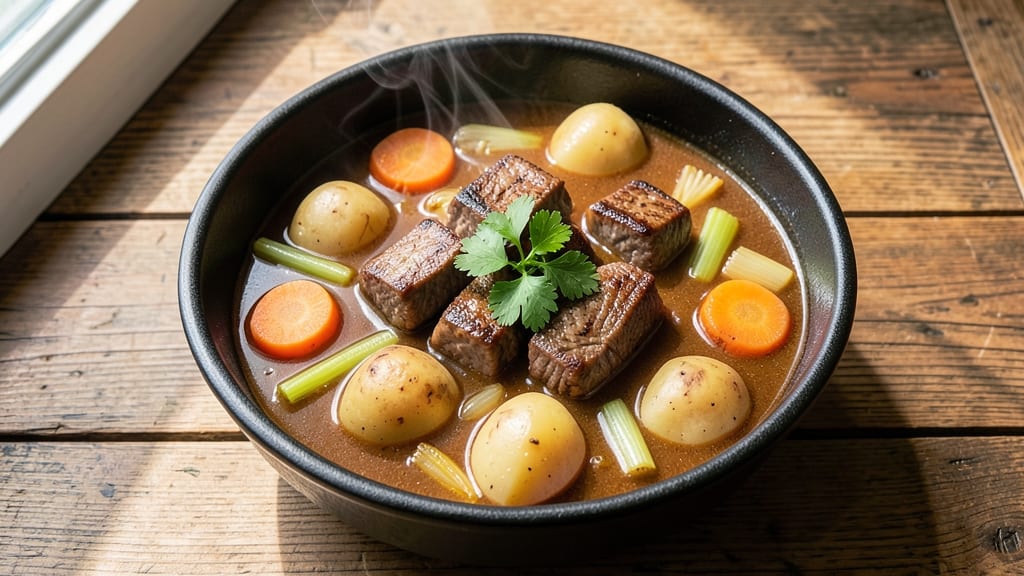
Making Campbell's-style steak and potato soup from scratch delivers a richer, more satisfying version than canned—with real meat chunks and slow-simmered depth. I developed this recipe after years of testing, focusing on proper meat browning and broth reduction to create that signature hearty texture.
The key difference? Real steak and vegetables sautéed until caramelized, not just dumped into broth.
What sets this apart is the two-stage cooking process: first browning onions, carrots, and celery to build flavor, then simmering everything together until the potatoes are tender and the broth thickens naturally.
I use chuck roast for affordability and flavor, but you could substitute with beef stew meat if preferred. The result is a soup that tastes homemade but comes together in about 1 hour—perfect for chilly evenings.
By the end, you'll have a steaming bowl of tender potatoes, flavorful beef chunks, and vegetables in a rich, well-seasoned broth that coats every spoonful. The texture is what makes it special: creamy from the potatoes, hearty from the meat, and deeply savory from the caramelized vegetables.
This version keeps all the comfort of the classic while giving you control over salt and ingredients.
Serve with crusty bread for dipping or a sprinkle of fresh parsley for brightness. The leftovers reheat beautifully, making this an ideal meal-prep option for busy weeks. Let's get started—your taste buds will thank you for the upgrade from canned to homemade.
Ingredients for campbell's steak and potato soup
Real beef, caramelized veggies, and slow-simmered broth—this soup delivers restaurant-quality depth.
| Ingredient | Amount | Notes |
|---|---|---|
| Chuck Roast 🥩 | 2 lb | Cut into 1-inch cubes, trimmed of fat |
| Yellow Onions 🧅 | 2 whole | Medium, sliced into 1/4-inch half-moons |
| Carrots 🥕 | 4 whole | Medium, peeled and sliced into 1/4-inch rounds |
| Celery Stalks 🧆 | 4 whole | Stringless, sliced into 1/4-inch pieces |
| Russet Potatoes 🥔 | 3 lb | Peeled and cut into 1-inch cubes (about 6 cups) |
| Beef Broth 💧 | 6 cups | Low-sodium preferred, homemade or high-quality |
| Tomato Paste 🍅 | 2 tbsp | Smooth, not chunky |
| Dry Red Wine 🍷 | ½ cup | Cabernet Sauvignon or Merlot, optional |
| All-Purpose Flour 🌾 | 2 tbsp | For thickening, sifted |
| Fresh Thyme 🌿 | 1 tbsp | Leaves only, chopped fine |
| Fresh Parsley 🌿 | ¼ cup | Chopped, for garnish |
| Garlic Cloves 🧄 | 4 cloves | Minced, for depth of flavor |
| Diamond Crystal Kosher Salt 🧂 | 1 ½ tsp | Adjust to taste, add gradually |
| Ground Black Pepper 🌶️ | ½ tsp | Freshly cracked, for heat |
| Unsalted Butter 🧈 | 2 tbsp | Cold, for finishing richness |
The chuck roast is your flavor anchor here. Look for well-marbled cuts at the butcher counter—it’ll render fat during browning, creating that signature richness. If you’re using pre-cut stew meat, pat it dry before searing to get those crispy edges. Costco or local butchers often have the best prices for larger cuts, but any grocery store carries chuck roast. The potatoes? Russets are ideal—they hold their shape better than waxy varieties and thicken the broth beautifully. For the broth, homemade is best, but Swanson or Pacific Foods low-sodium options work in a pinch. Just remember to taste and adjust salt later—canned broths vary wildly in sodium content.
No red wine? Substitute with extra beef broth and a splash of balsamic vinegar—it mimics the acidity without altering the flavor profile. Fresh thyme is ideal, but dried works at one-third the amount if that’s all you’ve got. The tomato paste can be a squeeze tube from Trader Joe’s for convenience—just measure carefully. For the flour, Bob’s Red Mill all-purpose or King Arthur are my go-tos, but any sifted flour will do. The garlic is non-negotiable—freshly minced adds layers of flavor that jarred garlic can’t match. If you’re short on time, pre-minced garlic from the refrigerated section is better than skipping it entirely.
This soup tastes even better the next day as flavors meld. Store in airtight containers for up to 5 days—the broth thickens further, intensifying the flavor. For freezing, portion into single-serving containers with a splash of broth to prevent a skin from forming. Reheat gently on the stove with a splash of water or broth to restore creaminess. The butter at the end? Add it last—just before serving—so it melts into a silky finish. Garnish with fresh parsley right before eating to keep it vibrant.
Why You'll Love This Recipe
- One-Pot Wonder: I swear by this recipe because it’s literally dump-and-simmer magic. Chuck roast goes tender in the same pot where the potatoes and veggies soften—no extra dishes, no fuss. Honestly, I’ve made it while scrolling through my phone, and it still tastes like I slaved over it.
- Deep Umami Magic: The slow-cooked chuck roast turns the broth into something ridiculously rich—think beefy, savory depth that sticks with you. The carrots and celery caramelize just enough to add sweetness, while the potatoes soak up all that flavor like little sponges. (Yes, even on a Tuesday night.)
- Meal Prep MVP: This soup tastes better the next day, which is perfect because I always make a double batch. The chuck roast keeps shredding easily, and the potatoes hold their shape—ideal for lunches or freezing. Between us, my freezer is full of these containers, and I don’t even mind reheating leftovers.
- Budget-Friendly Powerhouse: Chuck roast is cheap, potatoes are cheap, and this recipe stretches into four hearty servings without breaking the bank. I’ll be real: I’ve served this at potlucks, game days, and even a sick-day dinner, and no one ever questions the ingredients—just the flavor. Solid every time.
Step-by-step instructions for slow-simmered steak and potato soup
Here's how to transform simple ingredients into a rich, hearty soup with tender meat and perfectly cooked vegetables.
Sear the Chuck Roast for Deep Flavor
Pat the 2 lb chuck roast dry with paper towels and cut it into 1-inch cubes, trimming any excess fat. Heat a large Dutch oven over medium-high heat and add the chuck roast in a single layer. Let it sear undisturbed for 3-4 minutes until a deep golden-brown crust forms on all sides. This step develops the meat's rich flavor that will infuse the entire soup.
Once browned, remove the meat from the pot and set it aside. The remaining browned bits (fond) in the pot are pure flavor - don't scrape them out. Add the 2 whole yellow onions, sliced into ¼-inch half-moons, and cook for 5 minutes until they begin to soften. Add the 4 whole carrots, sliced into ¼-inch rounds, and 4 whole celery stalks, sliced into ¼-inch pieces, cooking for another 5 minutes until they begin to soften and release their natural juices.
Build the Flavor Base with Aromatics
Add the 4 cloves minced garlic to the pot and cook for 30 seconds until fragrant. Stir in the 2 tbsp tomato paste and cook for 1 minute, allowing it to deepen in color. Pour in the 0.5 cup dry red wine and scrape up all the browned bits from the bottom of the pot with a wooden spoon. Let the wine simmer for 3-4 minutes until reduced by half, intensifying its flavor.
Sprinkle the 2 tbsp all-purpose flour over the mixture and stir vigorously for 1-2 minutes, allowing it to toast slightly. This creates a roux that will help thicken the soup and add body. Gradually pour in the 6 cups beef broth while stirring constantly to prevent lumps from forming. Bring the mixture to a gentle simmer and let it cook for 10 minutes, allowing the flavors to meld together.
Add Potatoes and Simmer Until Tender
Add the 3 lb russet potatoes, peeled and cut into 1-inch cubes. Return the seared chuck roast to the pot and add the 1 tbsp chopped fresh thyme. Bring the soup back to a gentle simmer, then reduce the heat to medium-low. Cover the pot and let it simmer for 45-50 minutes, stirring occasionally, until the potatoes are fork-tender and the meat is easily shreddable with a fork.
Here's the thing - you'll know the potatoes are done when they pierce easily with a fork but still hold their shape slightly. If the soup starts to reduce too much, add a splash of water or broth to maintain the proper consistency. The longer it simmers, the deeper the flavors will become, so resist the temptation to rush this step.
Finish with Herbs and Richness
Once the potatoes are tender, stir in the 1.5 tsp diamond crystal kosher salt and 0.5 tsp freshly cracked ground black pepper. Remove the pot from heat and stir in the 2 tbsp cold unsalted butter, allowing it to melt and create a velvety finish. The butter adds richness and helps balance the flavors of the soup.
Taste the soup and adjust the seasoning if needed. Ladle the soup into bowls and garnish with the 0.25 cup chopped fresh parsley. Serve immediately with crusty bread to soak up every last drop of this comforting, hearty soup. The combination of tender meat, perfectly cooked vegetables, and rich broth creates a perfect balance that will satisfy even the heartiest appetites.
Pro Tips For Making Campbell'S Steak And Potato Soup
- Sear the Chuck Roast First: I learned this the hard way—skipping the sear means flavorless beef. Pat the roast dry, then hit it with high heat in a pot until deep brown on all sides. That crust locks in moisture and turns the soup from "meh" to "worth the effort."
- Cut Potatoes Uniformly: Russets break apart when uneven. Aim for 1.5-inch chunks—big enough to stay intact but small enough to cook through. No one wants mushy potatoes in their steak soup, and this guarantees texture.
- Don’t Crowd the Pot: After browning the meat and veggies, resist the urge to dump everything in at once. Cook onions, carrots, and celery in batches if needed—crowding steams instead of caramelizes, and that’s when flavors get dull.
- Deglaze with Beer (Not Water): Sounds weird, but it works: after searing the roast, splash in ½ cup of beer (or broth) instead of water. The alcohol burns off, leaving behind a richer base that cuts through the richness of the chuck. Skip this, and the soup tastes flat.
Troubleshooting this recipe
Overly Thin Broth
If your soup turns out too watery, it’s likely because the potatoes released too much starch or the broth wasn’t reduced enough. To fix this, simmer the soup uncovered for an extra 10-15 minutes to let excess liquid evaporate.
For a quicker fix, mix 1 tbsp cornstarch with 2 tbsp cold water, stir into the soup, and simmer for 3-5 minutes until thickened.
I’ve also found that adding a splash of heavy cream (about ¼ cup) at the end can add richness without making the soup too heavy. 💫
Meat Too Tough
Tough meat usually means the chuck roast wasn’t cooked long enough or was overcooked. The key is to sear it properly first, then simmer gently. If your meat is still rubbery, try shredding it with two forks and adding it back to the pot to soak up more broth.
For next time, aim for a 203°F internal temperature for the meat chunks—this ensures tenderness without drying them out. I’ve also had success adding a ½ cup beef stock to the pot during the final 10 minutes of simmering to help break down the fibers.
Vegetables Too Soft
Mushy vegetables happen when they cook too long in the broth. To prevent this, add the potatoes and celery only 15-20 minutes before the soup is done. For the carrots and onions, which are more forgiving, you can add them earlier, but keep an eye on them.
If they’re already overcooked, strain the soup and blend the vegetables with a little broth, then stir the puree back in for a silky texture. I like to use a fine-mesh strainer for this—it keeps the soup smooth without losing too much flavor.
Broth Too Salty
If your soup tastes overly salty, it’s likely from the broth or the meat. To dilute the saltiness, add 1-2 cups cold water or unsalted broth and simmer for 10 minutes to rebalance the flavors.
For a more dramatic fix, blend ½ cup of the soup with ¼ cup cold water, then stir it back in—this dilutes the salt without thinning the soup too much. Trust me, this trick works like a charm and saves you from starting over. 💡
Lumpy Texture
Lumps usually appear when flour isn’t mixed well with broth or when potatoes aren’t cut evenly. To prevent lumps, whisk the flour into the broth gradually while stirring constantly. If lumps already exist, blend the soup in batches with an immersion blender until smooth, then return it to the pot.
For a quick fix, press the soup through a fine-mesh sieve to remove any stubborn lumps. I’ve also found that adding a splash of heavy cream at the end can help smooth out the texture while adding richness.
Weak Flavor Profile
If your soup lacks depth, it’s probably because the vegetables weren’t caramelized enough or the broth wasn’t reduced. To fix this, set aside 1 cup of the soup and reduce it in a saucepan over medium-high heat until it’s thick and concentrated.
Stir this back into the pot and add a pinch of Worcestershire sauce or a splash of red wine for extra umami. For next time, make sure to sear the onions, carrots, and celery until they’re deeply browned—this builds layers of flavor that can’t be replicated any other way.
Nutrition facts
Frequently asked questions
Can I make this soup without red wine?
Skip the wine and use ½ cup extra beef broth plus 1 tablespoon balsamic vinegar for acidity. The flavor will still be rich and satisfying—just slightly less complex. For depth, add 1 teaspoon soy sauce or ½ teaspoon smoked paprika to mimic the wine's umami notes.
How do I adjust this for a slow cooker?
Brown the meat and vegetables first, then transfer everything to your slow cooker with the broth. Cook on low for 6-7 hours or high for 3-4 hours. The low-and-slow method makes the meat incredibly tender. Add the flour at the end and cook for 10 minutes on high to thicken. The butter and parsley go in last as usual.
Why does the recipe call for chuck roast instead of steak?
Chuck roast is the perfect cut for this soup because it's affordable, flavorful, and becomes tender when slow-cooked. Regular steak (like sirloin) is too lean and will dry out. If you must use steak, opt for stew meat or chuck eye steak—cuts designed for braising. The fat in chuck roast also adds richness to the broth as it cooks.
Can I make this soup vegetarian?
Yes! Replace the beef with 1 lb mushrooms (cremini or portobello) and ½ lb extra-firm tofu (pressed and cubed). Use vegetable broth and add 1 teaspoon soy sauce for umami. For heartiness, stir in ½ cup cooked lentils or chickpeas before serving. The potatoes and carrots will still provide creaminess.
How long will leftovers keep?
Store in an airtight container in the fridge for up to 5 days. The flavors actually improve overnight as the broth reduces further. For freezing, portion into single-serving containers and freeze for up to 3 months. Thaw overnight in the fridge—never microwave directly from frozen. Reheat gently on the stove with a splash of water or broth.