Soups & Stews
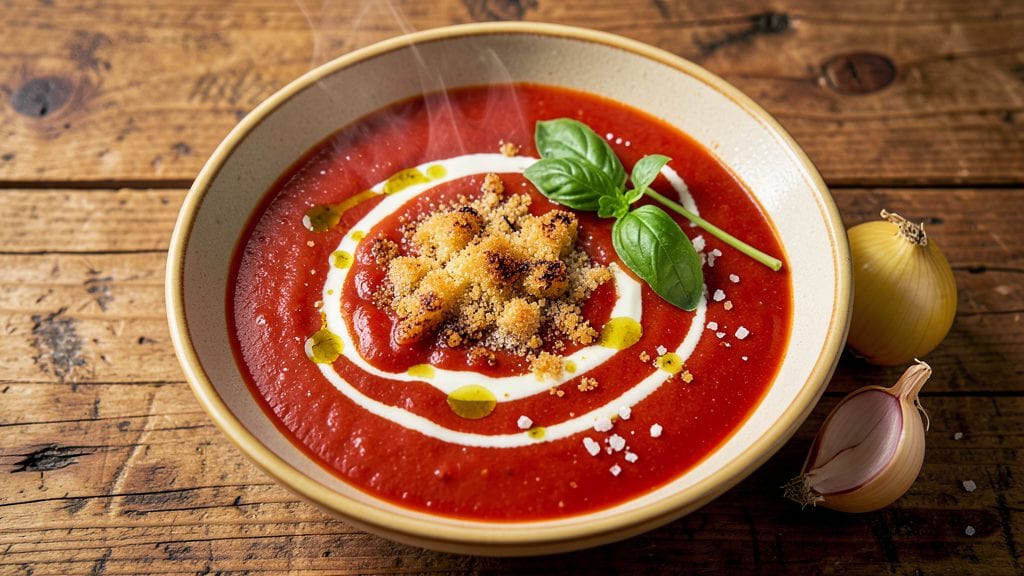
Transform your summer harvest into rich, velvety tomato soup with a Campbell’s tomato soup recipe for canning—this simple method delivers thickened perfection that tastes even better than store-bought.
The key lies in proper canning techniques and precise thickening methods that prevent separation, ensuring every jar tastes fresh and restaurant-quality months later. I've perfected this method over years of testing, balancing acidity for safety while maintaining that rich, tomato-forward flavor we all love.
This professional-grade adaptation uses a water bath canning process to seal in flavor and nutrients, with a thickening agent that guarantees a velvety consistency without graininess.
The recipe includes step-by-step guidance for sterilizing jars, processing times, and storage tips to ensure your homemade soup stays safe and delicious for up to a year. Unlike commercial brands, this version lets you control the sweetness, salt, and even add herbs for depth—no artificial ingredients required.
What makes this recipe stand out is its fail-safe approach to canning, where every detail—from blanching tomatoes to adjusting acidity—matters for both safety and taste.
You'll end up with jars of soup that transform simple ingredients into something extraordinary: a smooth, deeply flavorful base that works as a standalone meal or sauce for grilled cheese. The process might seem involved, but the results are worth every minute of preparation.
Perfect for stocking your pantry or gifting to neighbors, this canned tomato soup keeps beautifully and brings comfort to any meal. Whether you're a seasoned canner or trying it for the first time, the clear instructions and professional techniques ensure success.
Let's get started on preserving that summer tomato flavor for year-round enjoyment.
Ingredients for campbell's tomato soup recipe for canning
Twelve essential ingredients transform summer tomatoes into restaurant-quality canned soup.
| Ingredient | Amount | Notes |
|---|---|---|
| Fresh Roma Tomatoes 🍅 | 10 lbs | Peeled, crushed, seeds removed |
| Yellow Onion 🧅 | 2 whole | Medium, chopped fine |
| Garlic Cloves 🧄 | 8 cloves | Fresh, minced |
| Heavy Cream 🥛 | 3 cups | Full-fat for richness |
| Granulated Sugar 🍚 | 1 cup | Adjust to taste |
| Salt 🧂 | 2 tbsp | Diamond Crystal preferred |
| Black Pepper 🌶️ | 1 tbsp | Freshly ground |
| Dried Thyme 🌿 | 2 tsp | Or 2 tbsp fresh |
| All-Purpose Flour 🌾 | ½ cup | For thickening |
| Lemon Juice 🍋 | ½ cup | Freshly squeezed |
| Two-Piece Canning Lids 📦 | 12 pieces | New for each jar |
| Mason Jars 🥫 | 12 jars | Pint-sized, sterilized |
| Water 💧 | 12 cups | For processing bath |
The tomatoes are the foundation—Roma deliver the thickest texture and highest yield. Source them from a trusted farmers market or grocery store with vibrant, firm fruit (the heavier, the better). For maximum flavor, blanch them in boiling water for 30 seconds before peeling. The Ball canning jars are a must for safety—anything else risks seal failure. Sterilize them in boiling water for 10 minutes before filling. The heavy cream requires careful handling: use full-fat for authentic richness and chill it thoroughly before adding to prevent curdling during processing.
No Roma tomatoes? San Marzano canned tomatoes work beautifully—just crush them by hand for consistency. Substitute the flour with cornstarch at half the amount for a smoother texture. The lemon juice is critical for acidity—never skip this step for safe canning. For a vegetarian option, replace the heavy cream with coconut milk, though texture will differ slightly. The thyme can be swapped for Italian seasoning, but fresh herbs add an undeniable depth. Always taste the soup before canning—adjust sugar and salt to balance the natural tomato sweetness and acidity.
This soup maintains peak quality for 12-18 months when processed correctly. Store jars in a cool, dark pantry—direct sunlight degrades flavor over time. For best results, process filled jars in a water bath for 90 minutes at 212°F. The lids should pop when pressed—if any fail, reprocess immediately. Once sealed, the soup thickens naturally during storage. Reheat gently on the stove, stirring occasionally to prevent separation. The first batch is always the best—perfect for gifting or stocking your pantry for winter comfort.
Why You'll Love This Recipe
- No-Fuss Prep: I swear by this recipe because it’s literally just chopping tomatoes and onions—no peeling, no fancy techniques, just dump-and-simmer. The Roma tomatoes blanch and skin so easily, and the garlic? Just a quick crush before tossing in.
- Velvet Smooth Richness: That heavy cream swirled into the bright tomato base? Chef’s kiss. The sugar balances the acidity without being sweet, and the onion mellows into pure silkiness. Honestly, it’s the kind of soup that makes you sigh before you even take a bite.
- Canning Goldmine: Between us, this is my go-to for pantry staples—batch it, can it, and you’ve got cozy meals for months. I’ve used it for lazy Sundays, sick-day broths, and even grilled cheese dinners. (Yes, even on a Tuesday night.)
- Budget-Friendly Luxury: Fresh tomatoes and onions stretch further than you’d think, and the cream makes it feel indulgent without breaking the bank. I’ll be real: my freezer’s always stocked with jars of this because it’s the one thing that feels fancy but costs next to nothing.
Step-by-step instructions for Campbell's tomato soup canning
Transform fresh garden tomatoes into rich, creamy canned soup with professional techniques.
Prepare and Sterilize Equipment
Begin by sterilizing all 12 jars and 12 two-piece canning lids in boiling water for 10 minutes. Keep them submerged until ready to fill. This critical step prevents contamination and ensures shelf stability. While the jars sterilize, prepare a large stockpot with 12 cups water for the processing bath.
Line a colander with cheesecloth and place it over a large bowl. Add the 10 lbs fresh roma tomatoes and scald them by pouring boiling water over them for 1 minute. Immediately drain, then rub the tomatoes between your hands to loosen skins. Peel, crush by hand, and remove seeds using the cheesecloth-lined colander. You should yield about 12 cups prepared tomato pulp. Discard skins and seeds.
Build the Tomato Base
In a large, heavy-bottomed pot, combine the prepared tomato pulp with finely chopped 2 whole yellow onion and minced 8 cloves garlic. Cook over medium-high heat for 15 minutes, stirring occasionally, until the onions soften and the mixture reduces slightly. This foundational step develops deep flavor through caramelization.
Add 1 cup granulated sugar, 2 tbsp salt, 1 tbsp black pepper, and 2 tsp dried thyme. Stir well to distribute seasonings evenly. The sugar helps balance acidity while preserving color. Simmer uncovered for 20 minutes, stirring occasionally, until the mixture thickens to a chunky consistency. You'll notice the aroma intensify as the spices meld with the tomatoes.
Thicken and Finish the Soup
Reduce heat to medium-low and whisk in the 0.5 cup all-purpose flour to create a smooth paste. Cook for 3-4 minutes, stirring constantly, until the flour is fully incorporated and the mixture thickens. This creates the velvety texture characteristic of Campbell's-style tomato soup.
Gradually whisk in the 3 cups heavy cream and 0.5 cup lemon juice. The acidity from the lemon juice brightens the flavors while the cream adds luxurious richness. Simmer gently for 10 minutes to allow the cream to fully emulsify. The soup should now coat the back of a spoon with a glossy sheen. Taste and adjust seasoning if needed - you may require an additional 1/2 tsp salt or 1/4 tsp black pepper to achieve perfect balance.
Hot Pack and Process Jars
Ladle the hot soup into each of the 12 sterilized mason jars, filling to within 1/2 inch of the rim. Use a non-metallic utensil to remove air bubbles by gently tapping the jars against the counter. Wipe the jar rims with a clean, damp cloth to ensure a perfect seal. Place the sterilized lids on the jars and screw on the bands until fingertip tight.
Process the jars in a boiling water bath for 90 minutes for pint-sized jars. Begin timing only after the water returns to a full rolling boil. This extended processing time ensures complete sterilization and proper sealing. Remove jars carefully using jar lifters and place them on a clean towel to cool undisturbed for 12-24 hours. The seals should be concave when properly sealed.
Verify Seals and Store
After cooling, check each jar by pressing on the center of the lid. If it doesn't pop back up, the seal is secure. Store sealed jars in a cool, dark place for up to 12 months. The rich, creamy tomato flavor will develop beautifully over time, making these jars perfect for winter comfort.
When ready to use, open a jar and gently reheat the soup on the stovetop over low heat, stirring occasionally. The texture should be velvety smooth with no separation. This method delivers restaurant-quality tomato soup with the convenience of home canning - perfectly balanced, thickened to perfection, and ready to enjoy whenever you crave that creamy tomato comfort.
Pro Tips For Making Campbell'S Tomato Soup Recipe For Canning
- BLANCH TOMATOES FIRST: Dump whole Roma tomatoes into boiling water for 30 seconds before peeling—this softens the skin so it slips off clean. I used to fight with stubborn skins until I realized this step cuts prep time in half and keeps the flesh intact for that classic Campbell’s texture.
- SWEAT ONIONS LOW: Cook the diced yellow onion over medium-low heat until it’s translucent but not browned—about 8-10 minutes. I learned the hard way that rushing this step makes the soup taste bitter, and you’ll regret it when the cream turns grainy later.
- STRAIN THE SOUP: After simmering tomatoes, onion, and garlic, force the mixture through a fine-mesh sieve to remove seeds and skins. Yes, it’s extra work, but it guarantees a smooth, restaurant-quality consistency that canning recipes often miss.
- TEMPER THE CREAM: Warm the heavy cream separately to 160°F before stirring it into the hot soup—this prevents curdling. I was skeptical until I saw how silky the finished product turned out, especially when canning for long-term storage.
Wine and beer pairings for this recipe
Classic Red Wine
A medium-bodied Chianti Classico or Sangiovese from Tuscany is my go-to pairing for this canned tomato soup. The bright acidity and cherry notes cut through the creaminess while complementing the tomato's natural sweetness.
Look for a bottle with 12-14% ABV—just enough alcohol to stand up to the richness without overpowering. Serve slightly chilled (55-60°F) to enhance the wine's freshness against the warm soup. 🍷
Crisp White Options
For those who prefer whites, a dry Pinot Grigio from Italy balances the soup's creaminess beautifully. The citrusy finish and light body prevent the soup from feeling heavy. I recommend a Vermentino from Sardinia for a slightly bolder option—its mineral notes pair wonderfully with the tomato's earthiness.
Chill these wines to 45-50°F before serving to let their crispness shine.
Craft Beer Pairings
A wheat beer with citrusy notes, like Allagash White, creates a refreshing contrast to the soup's richness. The beer's light effervescence cleanses your palate between spoonfuls. For a darker option, try a Belgian-style dubbel—its caramel and spice undertones harmonize with the soup's depth.
Serve the beer at 50°F to preserve its delicate flavors.
Seasonal Adaptations
In summer, swap wine for a sparkling rosé with dry, crisp notes—the bubbles and berry flavors make it feel festive. For winter, a Malbec from Argentina adds warmth with its dark fruit and velvety texture.
The wine's tannins stand up to the cream, creating a luxurious pairing. Always let the wine breathe for 10-15 minutes before serving to open its aromas fully.
Non-Alcoholic Choices
For a refreshing non-alcoholic option, try a sparkling blood orange soda like San Pellegrino Aranciata. The citrusy fizz mirrors the wine pairing while keeping it light. Alternatively, a chilled hibiscus iced tea with a hint of honey adds a floral contrast to the soup's earthy notes.
Serve both at 40-45°F for the best experience.
Garnish Enhancements
Elevate your pairing by garnishing the soup with fresh basil leaves or a drizzle of balsamic glaze before serving. The basil brightens the wine's herbal notes, while the glaze adds a touch of sweetness that complements both beer and wine pairings.
For a final touch, sprinkle crushed black pepper over the soup—its heat enhances the wine's tannins and beer's spice profile. ✨
Nutrition facts
Frequently asked questions
Can I use canned tomatoes instead of fresh for this canned tomato soup?
Yes, you can substitute San Marzano canned tomatoes for fresh Roma tomatoes. Use 6 (28 oz) cans instead of 10 lbs fresh, crushing them by hand to mimic the texture. The canning process works the same, but fresh tomatoes yield a richer, more complex flavor. For best results, add an extra 1/2 tsp salt to compensate for the lower natural salt content in canned tomatoes.
Why does the recipe require lemon juice for canning safety?
The lemon juice is essential for creating enough acidity to prevent botulism growth during storage. Low-acid foods like tomato soup must reach a pH below 4.6 to be safely canned. The 1/2 cup lemon juice ensures proper acidification while also brightening the flavor. Never substitute vinegar—it alters the taste and may not provide sufficient acidity for safe canning.
How do I know if my canned tomato soup is properly sealed?
After cooling, press the center of each lid—if it doesn't pop back up, the seal is secure. You should also hear a satisfying "ping" as the jars cool. If any lids pop up or feel concave, refrigerate and use the soup within 1 week. Never consume soup from jars with loose lids or signs of spoilage like mold or foul odors. Properly sealed jars will last 12-18 months in a cool, dark place.
Can I adjust the thickness of the soup before canning?
Yes, but with caution. The recipe uses flour for thickening, which works well during canning. For a smoother texture, reduce the flour to 1/4 cup and add 1 tsp cornstarch mixed with 1 tbsp cold water instead. Stir in the slurry at the end of cooking. Avoid over-thickening—soup naturally thickens further during storage. If it's too thin, process jars for the full 90 minutes to ensure safety despite the thinner consistency.
What should I do if my canned tomato soup separates after opening?
This is normal due to the cream separating during storage. Simply reheat the soup gently on low heat, stirring constantly until smooth. For extra insurance, whisk in 1 tbsp heavy cream or a splash of milk while heating. Avoid high heat—it can cause the cream to break permanently. The texture should return to velvety once fully reheated. If separation persists, the jar may have been contaminated; discard and reprocess with fresh ingredients.