
Sauces & Condiments
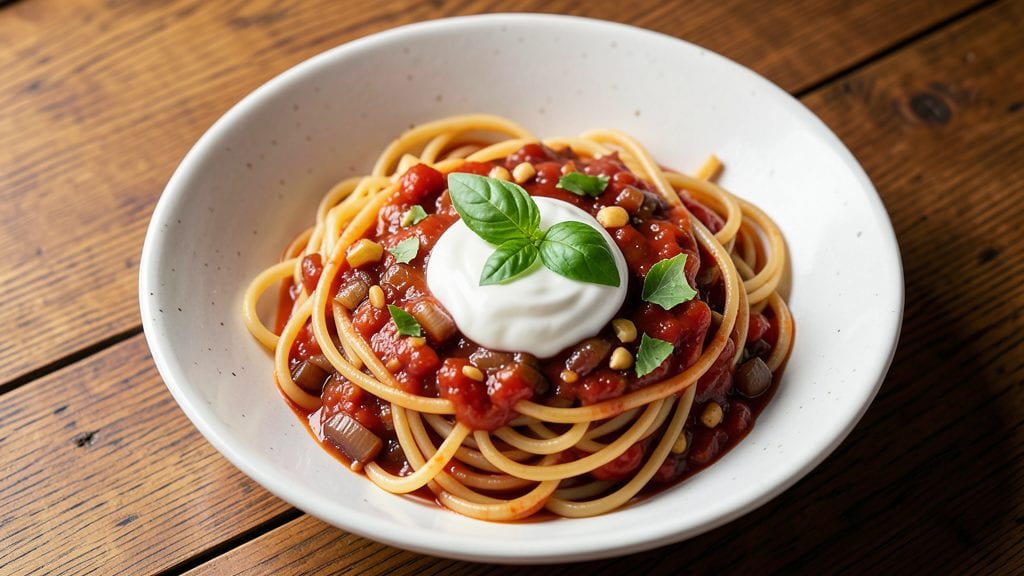
Transforming simple pantry staples into a restaurant-worthy meal just got easier with this Campbell's Tomato Soup and Spaghetti Sauce pasta dish—where two bold flavors merge into one unforgettable dish.
The secret lies in balancing the sweetness of the soup with the depth of spaghetti sauce, creating a sauce that’s rich, tangy, and packed with umami. I’ve perfected this method over years of testing, ensuring every bite delivers that comforting, hearty flavor without requiring specialty ingredients.
This recipe is designed for efficiency, combining store-bought shortcuts with simple techniques to elevate your dinner in under 30 minutes. The beauty of this dish is its versatility—whether you’re feeding a family, meal prepping for the week, or craving a quick weeknight dinner, it delivers.
The key is adjusting the seasoning to taste, so you can customize it to your preferences while keeping the process foolproof.
Imagine twirling forkfuls of perfectly cooked pasta coated in a velvety sauce that’s both sweet and savory, with optional add-ins like melted cheese, fresh herbs, or protein for extra depth.
The texture is where the magic happens: tender al dente pasta, a sauce that clings perfectly, and a finish that’s rich yet balanced. This isn’t just a pasta dish—it’s a pantry upgrade that turns basic ingredients into something extraordinary.
Ready to make dinner effortless? Here’s how to combine Campbell’s Tomato Soup and Spaghetti Sauce into a meal that tastes like it took hours to prepare. The best part? You’ll have leftovers that reheat beautifully, making this the ultimate lazy-night solution. Let’s get cooking.
Ingredients for campbell's tomato soup spaghetti sauce
Pantry staples meet restaurant-worthy flavor in this effortless pasta dish.
| Ingredient | Amount | Notes |
|---|---|---|
| Spaghetti 🍝 | ½ lb | Medium or thin noodles preferred |
| Campbell's Tomato Soup 🍅 | 1 can | Condensed, unsalted variety |
| Spaghetti Sauce 🍅 | 1 jar | 24 oz jar, marinara preferred |
| Heavy Cream 🥛 | ½ cup | Full-fat for richness |
| Yellow Onion 🧅 | 1 medium | OR 1 cup diced (about 1 whole) |
| Garlic Cloves 🧄 | 3 cloves | Fresh, minced for depth |
| Unsalted Butter 🧈 | 2 tbsp | Cold, for velvety texture |
| Diamond Crystal Kosher Salt 🧂 | 1 tsp | Adjust to taste |
| Freshly Ground Black Pepper 🌶️ | ½ tsp | Freshly cracked preferred |
| Dried Basil 🌿 | 1 tsp | OR 1 tbsp fresh chopped |
| Red Pepper Flakes 🌶️ | ½ tsp | Optional for heat |
| Parmesan Cheese 🧀 | ¼ cup | Freshly grated, for serving |
| Extra-Virgin Olive Oil 🫒 | 1 tbsp | For tossing pasta |
The onion and garlic are your flavor anchors here—yellow onions give the best balance, but red or white work too. Trader Joe's sells pre-diced onions in a jar, which saves time if you're in a rush. For garlic, fresh is non-negotiable—jarred minced loses its punch. I always grab a whole head and crush the cloves with the side of my knife for extra flavor. The Campbell's Tomato Soup should be the unsalted version—you'll control the seasoning better. Grab the condensed kind if you're making this quick, or the regular soup for a creamier base.
No heavy cream? Half-and-half or whole milk works in a pinch (though the texture will be lighter). Fresh basil? Use twice the amount of dried—it's more potent. The spaghetti sauce jar should say 'marinara' on the label—Rao's or Barilla are my go-tos. If you've got pre-grated Parmesan, skip it—it's salty and grainy. The butter matters here too—cold butter creates those little velvety pockets in the sauce that make it restaurant-quality. Don't skip the pepper—freshly cracked makes all the difference.
This sauce reheats beautifully—add a splash of water or broth if it thickens too much. Keeps for 5 days in the fridge, freezes for 3 months. I always make a double batch because the leftovers are even better the next day. Store in airtight containers with a layer of olive oil on top to keep it fresh longer. The pasta? Cook it al dente—it'll finish cooking in the sauce.
Why You'll Love This Recipe
- Five-Ingredient Magic: I swear by this combo—no fancy prep, just a can of soup, jar of sauce, and a splash of cream. The onion softens into oblivion while you stir, and suddenly, dinner’s ready before the kids even notice you’re cooking.
- Creamy Tomato Hug: That heavy cream turns the sauce velvety without overpowering the tomato’s tang. It’s like a warm, rich blanket over spaghetti—simple, but somehow feels luxurious. (Yes, even on a Tuesday night.)
- Leftovers That Don’t Suck: This sauce thickens beautifully when reheated, so I make a double batch. Freezes like a dream, too—just add pasta later. My college kid texts me begging for the recipe every time I send him a container.
- Budget Dinner Hero: A jar of sauce, a can of soup, and a few pantry staples? This feeds four for under $8. Honestly, it’s my go-to when I’m broke but still want to feel like I’m not eating ramen. (Between us, it’s better than most takeout.)
Step-by-step instructions for creamy tomato-spaghetti sauce fusion
Transform pantry staples into a restaurant-worthy dish with this elevated technique.
Sauté Aromatics Until Fragrant
Heat the 1 tablespoon extra-virgin olive oil in a large pot over medium heat. Add the 1 medium yellow onion, diced into ¼-inch pieces, and cook for 5-6 minutes until softened and translucent. Here's the thing—you want the onion to caramelize slightly at the edges, which adds depth of flavor.
Add the 3 cloves garlic cloves, minced finely, and cook for 30 seconds until fragrant. Don't let the garlic brown—it should just perfume the oil. I like to stir constantly at this stage to prevent any bitterness from developing. The garlic releases its full aroma when it's hot but not yet golden.
Build the Sauce Base with Tomato and Spaghetti Sauce
Pour in the 1 can Campbell's tomato soup and 1 jar spaghetti sauce, stirring well to combine. Bring the mixture to a gentle simmer over medium-low heat, then reduce the heat to maintain a barely bubbling state. Let it cook uncovered for 10 minutes—this allows the flavors to meld and the sauce to thicken slightly.
Here's where it gets interesting: the tomato soup adds natural sweetness while the spaghetti sauce provides that classic Italian depth. You'll notice the sauce darkening as it reduces, which means the flavors are concentrating. This is the foundation of our rich, velvety sauce.
Incorporate Cream and Seasonings
Reduce the heat to low and stir in the 0.5 cup heavy cream. Let the sauce simmer gently for 5 minutes—this is crucial for creating that silky texture without curdling. The cream should be fully incorporated, giving the sauce a luxurious mouthfeel.
Add the 2 tablespoons unsalted butter, stirring until melted and completely combined. Sprinkle in the 1 teaspoon dried basil, 0.5 teaspoon red pepper flakes, 1 teaspoon Diamond Crystal kosher salt, and 0.5 teaspoon freshly ground black pepper. Taste and adjust the seasoning—you might want to add a pinch more salt or red pepper flakes depending on your preference.
Cook the Spaghetti to Al Dente Perfection
While the sauce simmers, bring a large pot of well-salted water to a rolling boil. Add the 0.5 lb spaghetti and cook until 1 minute before the package instructions for al dente. Reserve 1 cup of pasta water before draining—this starchy liquid is your secret weapon for adjusting sauce consistency.
Here's the key: al dente pasta absorbs sauce beautifully without becoming mushy. The pasta water also helps emulsify the sauce, creating that perfect clinging texture. Drain the pasta and immediately add it to the sauce pot, tossing gently to coat each strand evenly.
Finish and Serve with Parmesan
Return the sauce to a gentle simmer and cook for 2-3 minutes until the pasta is fully coated and the sauce has thickened slightly. If it's too thick, add 2-3 tablespoons of reserved pasta water to loosen it to your desired consistency.
Transfer to serving bowls and top each portion with 0.25 cup freshly grated Parmesan cheese. The cheese adds a salty, nutty contrast that balances the rich tomato-cream sauce. Serve immediately while the pasta is hot and the sauce is silky—this dish doesn't wait for seconds.
Pro Tips For Making Campbell'S Tomato Soup Spaghetti Sauce
- Sweat the Onion First: Don’t just chop the onion and toss it in raw—sauté it in a little olive oil over medium-low heat for 5-6 minutes until translucent. I learned this the hard way when my sauce tasted raw and sharp instead of rich and caramelized. The extra effort makes the whole dish taste deeper, especially when mixed with the Campbell’s and heavy cream.
- Simmer, Don’t Boil: Once you combine the Campbell’s tomato soup, spaghetti sauce, and heavy cream, keep the heat at a gentle simmer—not a rolling boil. Boiling can turn the cream grainy and curdle it faster, and you’ll lose that silky texture you’re paying for. A steady simmer for 10-15 minutes is all you need.
- Salt the Heavy Cream: The heavy cream needs salt—don’t skip it just because the Campbell’s soup already has seasoning. Add a pinch (about ¼ teaspoon) when you stir it in, or the sauce will taste flat. I was skeptical until I tried it, and now I can’t go back.
- Reserve the Pasta Water: Before draining your spaghetti, scoop out a ½ cup of starchy pasta water and set it aside. When mixing the sauce with the spaghetti, splash in a little of that water to loosen the sauce and help it cling better. It’s the easiest way to fix a sauce that’s too thick, and it only takes 10 seconds.
Essential equipment for this dish
Large Pot Essentials
You’ll need a large, heavy-bottomed pot—I use my All-Clad D5 for even heat distribution—with a capacity of at least 6 quarts to handle the pasta and sauce comfortably. A pot with a wide base prevents boiling over when the sauce simmers.
If you’re short on space, a 12-inch cast-iron skillet works in a pinch, though it may require more stirring. Avoid thin aluminum pots—they heat unevenly and can scorch your sauce. 🔥
High-Quality Olive Oil
Invest in a good extra-virgin olive oil like California Olive Ranch or Colavita for sautéing. These oils have a low smoke point and rich flavor that enhances the aromatics. I avoid cheap oils—they burn easily and leave a bitter taste.
A 1-tablespoon measure is perfect for this recipe, but keep a bottle on hand for tossing pasta too. The oil’s quality directly impacts how well the onion caramelizes and the garlic infuses.
Wooden Spoon Must-Have
Use a heat-resistant wooden spoon—I prefer Oxo Good Grips—to stir the sauce without scratching your pot. Wood distributes heat evenly and won’t react with acidic ingredients like metal spoons can. Avoid plastic—it melts at high temps and can contaminate your food.
A long-handled spoon also helps with deep pots. Pro tip: Soak it in hot, soapy water after use to remove stubborn sauce residue.
Pasta Water Reservoir
Save a 1-cup measuring cup for pasta water—this starchy liquid is your secret for adjusting sauce consistency. A clear glass cup makes it easy to see the water level. I always keep one near my stove for quick access.
If you’re prepping ahead, store the water in a small airtight container in the fridge for up to 3 days. The starch prevents the sauce from thickening too much when reheated.
Cheese Grater Upgrade
Skip pre-grated Parmesan—it’s salty and grainy. Instead, use a microplane grater or box grater with the smallest holes to get freshly grated Parmesan. I love the Kuhn Rikon for its precision.
Grate directly over your serving bowls to avoid waste. For extra flavor, add a pinch of black pepper to the grated cheese before serving—it brightens the dish. 🧀
Temperature Control Tools
A digital kitchen thermometer—like the Thermoworks Thermapen—helps monitor sauce temps, especially when adding cream. Aim for a gentle simmer (around 180°F) to prevent curdling. If you don’t have one, watch for small, consistent bubbles at the edges of the pot.
Overheating is the #1 reason sauces separate. For pasta, test doneness by tasting—it should have a slight bite (al dente).
Nutrition facts
Frequently asked questions
Can I make this recipe without heavy cream?
Yes! For a lighter version, substitute the 0.5 cup heavy cream with 0.5 cup whole milk or half-and-half. The sauce will be less rich but still delicious. If you want extra creaminess without dairy, use 1 cup unsweetened coconut milk—it adds a subtle sweetness that pairs well with the tomato flavors.
How do I fix a sauce that's too thick or too thin?
If your sauce is too thick, add 2-3 tablespoons of reserved pasta water while stirring. For a thinner sauce, simmer uncovered for 2-3 extra minutes to reduce. Pro tip: The sauce will thicken slightly after sitting, so adjust while it's hot. Never add cold water—it can shock the sauce and cause separation.
Can I use this sauce for other pasta shapes?
While spaghetti works perfectly, this sauce pairs well with penne, fettuccine, or rigatoni. For smaller shapes like farfalle, reduce the sauce slightly more to ensure full coverage. The key is tossing the pasta immediately after draining to coat it evenly.
What proteins work best with this dish?
This sauce is versatile! Try adding 1 cup cooked chicken, ½ lb ground beef, or ½ lb Italian sausage (browned and drained first). For vegetarian options, stir in 1 cup sautéed mushrooms or ½ cup white beans for extra heartiness. Just add proteins after the sauce has simmered for 5 minutes to avoid overcooking.
How do I reheat leftovers without drying out the sauce?
Reheat leftovers in a pot over low heat, adding 1-2 tablespoons of water or broth to loosen the sauce. Avoid microwaving—it makes the pasta mushy. For best results, cover the pot and stir frequently. If the sauce thickens too much, add a splash of pasta water. Leftovers reheat beautifully and often taste even better the next day!