
Soups & Stews
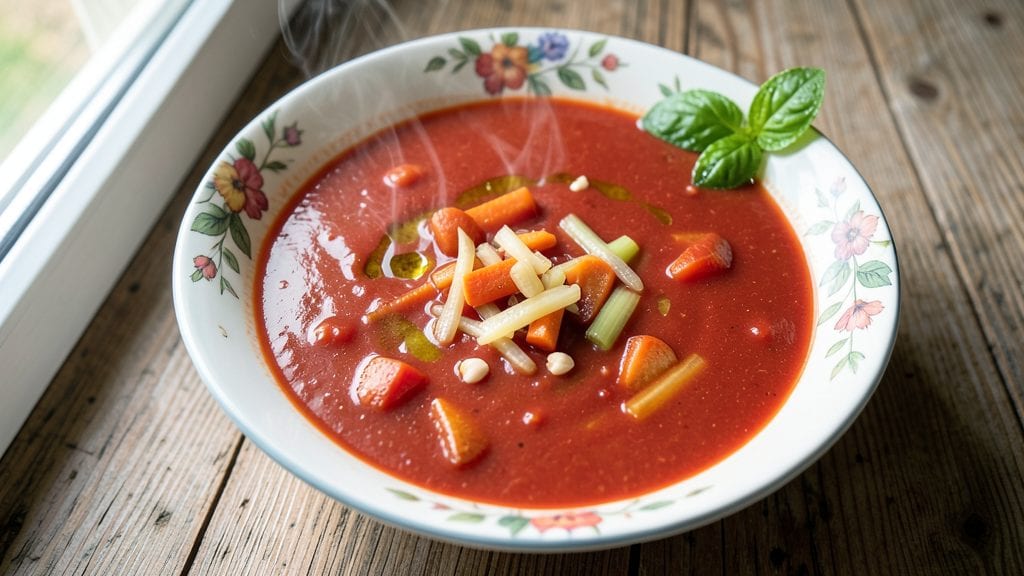
Creating a homemade version of Campbell's tomato vegetable soup brings back that nostalgic comfort of childhood meals, now with a fresher, more vibrant twist. This pantry-perfect recipe delivers restaurant-quality warmth in just 20 minutes, transforming simple ingredients into a velvety, hearty soup that’s impossible to resist.
The secret lies in balancing canned tomatoes with fresh vegetables and a touch of creaminess that makes every spoonful satisfying.
What sets this recipe apart is its flexibility—whether you're working with pantry staples or fresh produce, the result is consistently perfect.
The soup’s rich, tangy flavor comes from simmering tomatoes, carrots, and celery until they release their natural sweetness, while a splash of broth and a pinch of herbs elevate it to gourmet levels.
The texture is smooth yet substantial, with optional blending for a velvety finish or chunky bits for added depth.
This soup is ideal for chilly evenings when you crave something warm and comforting without the fuss of elaborate cooking. Serve it with crusty bread, crackers, or even as a base for grilled cheese sandwiches—its versatility makes it a staple for any meal.
The best part? You’ll never miss the canned version again once you taste how much better homemade can be.
Ready to elevate your soup game? Let’s get started with this foolproof method that delivers restaurant-quality results every time. The instructions are straightforward, and the ingredients are likely already in your pantry, making this the ultimate quick-fix dinner solution.
Ingredients for campbell's tomato vegetable soup
Pantry staples meet fresh produce for this nostalgic yet elevated soup experience.
| Ingredient | Amount | Notes |
|---|---|---|
| Canned San Marzano Tomatoes 🍅 | 2 cans | 28 oz each, crushed by hand |
| Yellow Onion 🧅 | 1 whole | Medium size, diced small |
| Carrots 🥕 | 4 medium | Peeled, chopped into 1/2-inch pieces |
| Celery Stalks 🌿 | 3 whole | Trimmed, chopped into 1/2-inch pieces |
| Garlic Cloves 🧄 | 4 cloves | Minced finely for depth |
| Vegetable Broth 💧 | 2 cups | Low-sodium, homemade preferred |
| Heavy Cream 🥛 | ½ cup | Full-fat for richness |
| All-Purpose Flour 🌾 | 1 tbsp | For thickening, optional |
| Dried Thyme 🌿 | 1 tsp | Or 1 tbsp fresh thyme leaves |
| Bay Leaves 🌿 | 2 whole | Removed before serving |
| Salt 🧂 | 1 ½ tsp | Diamond Crystal kosher preferred |
| Black Pepper 🌶️ | ½ tsp | Freshly cracked for heat |
| Sugar 🍬 | 1 tsp | Balances acidity |
| Butter 🧈 | 2 tbsp | Unsalted, for finishing |
| Fresh Basil 🌿 | ¼ cup | Chopped, for garnish |
The tomatoes are non-negotiable—San Marzano delivers that sweet, rich flavor you crave. Trader Joe's and Whole Foods carry them year-round, or grab any high-quality canned tomatoes if you're in a pinch. The carrots and celery? Organic is ideal—they simmer down into sweet, tender bites that make the soup sing. I always double-check the celery for freshness (no limp stalks!) and chop it small so it melts into the broth. For the broth, low-sodium is key—you'll be adding plenty of salt later, and you don't want to overdo it right away. The garlic? Freshly minced makes all the difference—pre-minced from jars tastes flat in comparison.
No fresh thyme? Dried works at one-third the amount, but fresh is worth the extra minute. Running low on heavy cream? Half-and-half or coconut milk keeps it dairy-free without sacrificing creaminess. The flour is just a thickening agent—skip it if you prefer a lighter texture. For the sugar, brown sugar adds molasses notes if you're feeling adventurous. The butter at the end? Don't skip this part—it adds a luxurious finish that makes this taste like a restaurant-quality bowl. The basil? I always grab extra—half goes in the pot, half gets torn over the top for that fresh pop of color.
This soup tastes even better the next day—4-5 days in the fridge, no problem. Freezes beautifully for up to 3 months if you make a big batch. I portion mine into containers with a layer of butter on top to preserve freshness. Reheat gently on the stove with a splash of broth to keep it creamy. For meal prep, double the recipe and freeze half—nothing beats coming home to a steaming bowl after a long day.
Why You'll Love This Recipe
- Pantry Magic: I swear by this recipe when my fridge is bare—just open a can of San Marzano tomatoes, toss in the onion, carrots, and celery (no fancy dicing needed), and let the broth do the work. It’s the kind of meal that turns up when you least expect it, and somehow still feels intentional.
- Garlic Bomb: That first whiff of sautéed garlic cloves in olive oil? Instant flavor upgrade. The San Marzano tomatoes deepen into something rich and slightly sweet, while the garlic lingers like a secret weapon—no heavy cream, no fancy spices, just pure, bold satisfaction.
- Lunchbox Hero: Between us, this soup is my go-to for meal prep. The veggies hold up perfectly when reheated, and I pack it in thermoses for work or school lunches—my kid even asks for it on Fridays. (Yes, even when they’re "too cool" for soup.)
- Budget Win: Honestly, this recipe keeps me sane during grocery runs. A single can of tomatoes, a handful of carrots, and a few stalks of celery stretch to feed four people for under $5. Leftovers? Even better—they taste just as good the next day, if not more so.
Step-by-step instructions for pantry-perfect tomato vegetable soup
This soup delivers restaurant-quality depth using just pantry staples and simple technique.
Sauté the Vegetable Base
In a large pot, melt the 2 tablespoons butter over medium heat. Add the diced yellow onion, chopped carrots, and chopped celery stalks. Cook for 8-10 minutes until the vegetables soften and the onion becomes translucent. Here's the thing—don't rush this step. The vegetables should release their natural sweetness and develop a golden hue before moving forward.
Stir in the 4 minced garlic cloves and cook for another 30 seconds until fragrant. You'll know it's ready when the kitchen fills with that unmistakable garlic aroma. Add the 1 teaspoon dried thyme and 2 whole bay leaves immediately after—they'll infuse their earthy flavors into the vegetables while they cook.
Build the Tomato-Broth Foundation
Pour in the 2 cans crushed San Marzano tomatoes and stir well to combine with the vegetables. Add the 2 cups vegetable broth, 1.5 teaspoons salt, 0.5 teaspoon black pepper, and 1 teaspoon sugar. Bring the mixture to a boil over high heat, then reduce to a simmer. Let it cook uncovered for 15 minutes to allow the flavors to meld and the liquid to reduce slightly.
This reduction step concentrates the flavors and creates a richer base. You'll notice the soup deepening in color and developing a more complex aroma. If the soup starts to stick or burn, add a splash of broth to keep it moving. Real talk: the sugar balances the acidity of the tomatoes, so don't skip it even if you think the tomatoes are sweet enough.
Thicken and Finish the Soup
In a small bowl, whisk together the 0.5 cup heavy cream and 1 tablespoon all-purpose flour until smooth. This creates a simple slurry that will gently thicken the soup without altering its texture. Slowly pour this mixture into the simmering soup while stirring constantly to prevent lumps from forming.
Simmer the soup for another 5-7 minutes until it reaches your desired consistency. You want it thick enough to coat the back of a spoon but still light enough to let the vegetables shine. Taste and adjust seasoning with additional salt or pepper if needed. The heavy cream adds luxurious richness, so I recommend using full-fat for the best results.
Garnish and Serve Immediately
Remove the 2 whole bay leaves and discard them. Stir in the 2 tablespoons butter, letting it melt completely into the soup. This final touch adds a velvety finish and balances the acidity of the tomatoes. Ladle the soup into bowls and garnish each serving with 0.25 cup chopped fresh basil. The basil adds a bright, fresh contrast to the rich tomato base.
Serve the soup immediately while it's hot. The fresh basil wilts slightly in the heat, releasing its aromatic oils that elevate the entire dish. Pair it with crusty bread to soak up every last drop of that velvety broth. This soup is perfect for chilly days—simple to make but packed with layers of flavor that taste like you spent hours in the kitchen.
Pro Tips For Making Campbell'S Tomato Vegetable Soup
- SOFTEN VEGETABLES FIRST: Crank the heat to medium-high and cook the diced onion, carrots, and celery for 8-10 minutes before adding garlic. This ensures they break down properly—no one wants mushy bits lurking in the background.
- PEEL GARLIC AFTER MINCING: I used to peel whole cloves first, then mince them, and half the time they’d slip out of my grip. Instead, mince the cloves first, then peel them—sticks to the cutting board and stays where it belongs.
- SIMMER NOT BOIL: After adding the tomatoes and broth, keep the heat at a gentle simmer. A rolling boil will make the soup watery fast—this isn’t a race, and low heat keeps the flavors rich and the texture just right.
- SALT THE TOMATOES: Pour the crushed San Marzano tomatoes into a bowl, sprinkle with 1/2 teaspoon salt, and let sit for 10 minutes. This draws out excess water, making the soup thicker and more concentrated—no need for extra thickeners later.
Common mistakes when making your campbell's tomato vegetable soup
Over-Salting the Base
One of the biggest mistakes is adding all the salt at once during the initial seasoning. The tomatoes and broth already contain sodium, so I always start with just 1 teaspoon salt and adjust to taste at the end.
If you're using low-sodium broth, you might need up to 1.5 teaspoons total, but taste as you go. The key is patience—let the soup simmer for 5 minutes after adding salt to let the flavors develop before making final adjustments. 🧂
Skipping the Sugar
The tomatoes in this soup can be quite acidic, and skipping the 1 teaspoon sugar throws off the balance. I’ve made this mistake before, and the result was a soup that tasted sharp and unfinished. The sugar isn’t about sweetness—it’s about rounding out the acidity and creating harmony.
If you’re using San Marzano tomatoes, which are naturally sweeter, you might reduce it to ½ teaspoon, but never skip it entirely.
Rushing the Vegetable Sauté
Cooking the onions, carrots, and celery for less than 8 minutes means they won’t soften enough to meld into the soup. This leads to a dish where you can still taste the raw vegetables. I’ve learned the hard way—take your time here.
The vegetables should be tender and release their natural sweetness, which forms the foundation of the soup’s flavor. If they’re still crunchy, the entire dish will feel underdeveloped. 🥕
Adding Cream Too Early
Introducing the ½ cup heavy cream before the soup has fully simmered can cause it to curdle or separate. Always add the cream after the soup has reduced and thickened.
I recommend whisking the cream with the 1 tablespoon flour first to create a smooth slurry, then slowly pouring it in while stirring constantly. This ensures a silky texture without any lumps or breakage.
Ignoring the Butter Finish
The final 2 tablespoons butter is non-negotiable for that restaurant-quality finish. Skipping it leaves the soup feeling flat and lacking depth. Stir the butter in during the last minute of cooking to let it melt completely and coat the ingredients.
This step adds richness and balances the acidity of the tomatoes, making the soup taste even more luxurious. Don’t rush it—let the butter fully incorporate for the best results. 🧈
Over-Blending the Soup
If you prefer a chunky texture, avoid blending the soup into a smooth consistency. Over-blending can turn the soup into a thin, watery mess. I recommend using an immersion blender for just 10-15 seconds if you want a velvety finish, but leave some texture for balance.
The natural chunks of vegetables add body and make the soup more satisfying. Taste as you go—you want smoothness without sacrificing the hearty feel of the dish.
Nutrition facts
Frequently asked questions about tomato vegetable soup
Can I make this soup without heavy cream?
For a lighter version, substitute with ½ cup half-and-half or ½ cup coconut milk for a dairy-free option. If avoiding dairy entirely, omit the cream and thicken with 1 tablespoon cornstarch mixed with 2 tablespoons water instead. The soup will still be flavorful—just slightly less rich.
How do I adjust the thickness of the soup?
Start with the 5-7 minute simmer after adding the cream slurry. For a thicker consistency, simmer 2-3 minutes longer. Too thin? Stir in 1 tablespoon flour mixed with 2 tablespoons cold water and simmer another 2 minutes. Remember, you can always thin with broth later if needed.
Can I use fresh tomatoes instead of canned?
Yes, but you'll need 4-5 large ripe tomatoes (about 3 cups chopped). Roast them first at 400°F for 20 minutes to deepen their flavor. Remove skins, then blend with 1 cup broth before adding to the pot. Fresh tomatoes work best when combined with 1 can (14 oz) crushed tomatoes for balanced acidity.
What's the best way to reheat leftovers?
Gently reheat on the stove over low-medium heat with a splash of broth or water to prevent separation. Never microwave directly from the fridge—this can make the cream grainy. For best results, reheat just until steaming (3-4 minutes), then stir in a pat of butter to restore richness. Leftovers keep 4-5 days in the fridge.
How can I make this soup spicier?
Add ½ teaspoon red pepper flakes with the thyme and bay leaves, or stir in 1 teaspoon hot sauce at the end. For smoky depth, incorporate ½ teaspoon smoked paprika when sautéing the vegetables. For heat lovers, try 1 diced chipotle pepper in adobo (remove before serving). Always taste first—you can adjust, but you can't remove excess spice!