
Soups & Stews
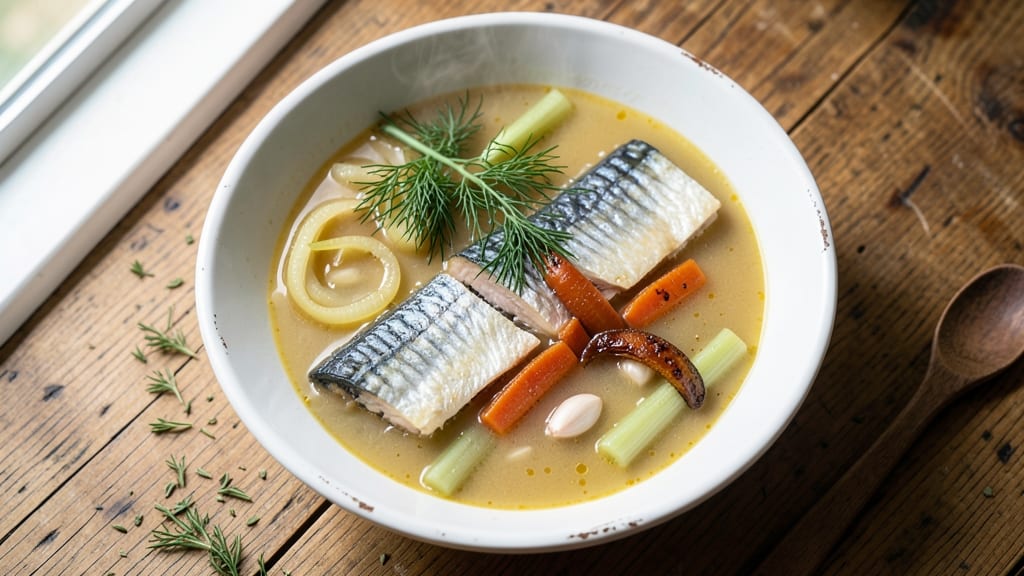
Transforming canned mackerel into a rich, umami-packed soup proves how simple ingredients can deliver restaurant-quality comfort in one pot. This recipe harnesses the deep, briny flavor of mackerel while keeping preparation straightforward—no fancy techniques required.
The secret lies in balancing the fish's natural richness with aromatic vegetables and a well-built broth, creating a soup that's both hearty and elegant.
What makes this canned mackerel soup special is its versatility—it works as a quick weeknight meal or a sophisticated starter, depending on your garnishes. The mackerel dissolves into the broth, infusing it with protein and a subtle oceanic depth that's impossible to achieve with other canned fish.
Simmering time is minimal, making it perfect for busy schedules while still delivering complex flavor.
By the end, you'll have a velvety soup with tender vegetables floating in a broth that's rich but not heavy, finished with a touch of cream or fresh herbs for brightness.
Every spoonful delivers that satisfying umami punch, making it a dish that feels indulgent yet effortless. Ready to create this one-pot comfort? Let's get started.
This recipe pairs beautifully with crusty bread for dipping or a simple green salad to balance the richness. The beauty of canned mackerel is how it transforms ordinary ingredients into something extraordinary with minimal effort—proof that comfort food doesn't require complicated techniques.
Ingredients for canned mackerel soup
Simple pantry staples transform into restaurant-quality mackerel soup with minimal effort.
| Ingredient | Amount | Notes |
|---|---|---|
| Canned Mackerel in Water 🐟 | 2 cans | High-quality, drained thoroughly |
| Yellow Onion 🧅 | 1 whole | Medium, diced finely |
| Carrots 🥕 | 2 medium | Peeled, sliced into 1/4-inch rounds |
| Celery Stalks 🧅 | 2 whole | Trimmed, sliced diagonally |
| Garlic Cloves 🧄 | 3 cloves | Fresh, minced finely |
| Vegetable Broth 💧 | 4 cups | Low-sodium preferred |
| Heavy Cream 🥛 | ½ cup | Full-fat for richness |
| Fresh Dill 🌿 | ¼ cup | Chopped, stems removed |
| Extra-Virgin Olive Oil 🫒 | 2 tbsp | For sautéing aromatics |
| Lemon Juice 🍋 | 1 tbsp | Freshly squeezed |
| Salt 🧂 | 1 tsp | Diamond Crystal preferred |
| Black Pepper 🌶️ | ½ tsp | Freshly ground |
| Fresh Parsley 🌿 | ⅛ cup | Chopped, for garnish |
| Crusty Bread 🍞 | 1 loaf | For serving |
The quality of canned mackerel makes all the difference—Wild Planet or Vital Choice brands deliver the richest flavor. Avoid brands with added salt or preservatives. Fresh dill and parsley elevate the dish, but dried dill at one-third the amount works in a pinch. For the broth, low-sodium versions prevent over-salting, though you can always adjust. The heavy cream adds luxurious texture, but half-and-half or coconut milk offers lighter alternatives. Carrots and celery should be crisp—soft spots indicate age. Store fresh herbs wrapped in damp paper towels for up to 5 days.
No fresh dill? Dried dill or tarragon provides similar earthy notes. Substitute heavy cream with Greek yogurt or cashew cream for a tangy twist. For extra depth, add 1 tsp fish sauce or soy sauce to the broth. Lemon juice brightens the soup, but white wine or apple cider vinegar works equally well. If mackerel is unavailable, canned sardines or anchovies create a comparable umami base. Always drain canned fish thoroughly to avoid watery soup. For a vegetarian twist, replace mackerel with mushrooms or smoked tofu, though flavor complexity will differ.
This soup reheats beautifully—simmer gently to preserve texture. Store in an airtight container for up to 4 days in the refrigerator. For longer storage, freeze portions for 3 months. Garnish with fresh herbs or a drizzle of olive oil before serving. The crusty bread pairs perfectly, soasting slices in the oven for 5 minutes enhances their flavor. Leftovers taste even better the next day as flavors meld. Portion into containers for easy lunches, keeping the broth and solids separate if freezing.
Why You'll Love This Recipe
- Pantry-Powered Magic: I swear by this when my fridge is bare—just open a can, chop the veggies (seriously, five minutes max), and boom. No last-minute grocery runs, no stress. The mackerel’s rich, briny punch cuts through the sweet carrots and earthy celery like it’s been simmering for hours.
- Garlic-Glazed Umami Bomb: That first bite? Chef’s kiss. The caramelized garlic cloves (I toast them in the pot first) melt into the mackerel’s oil, creating this deep, savory-sweet balance. Add a splash of lemon at the end, and it’s like a hug in a bowl—no fancy ingredients, just pure flavor.
- Lunchbox Hero: Between us, this soup is my secret weapon for meal prep. Double the batch, store it in jars, and you’ve got hearty lunches for days. Toss in a handful of pasta for extra staying power, or serve it cold over greens for a summery twist. My kids beg for it—yes, even on a Tuesday.
- Budget Breakthrough: Honestly, I make this when I’m pinching pennies. A can of mackerel, a bag of carrots, and a bulb of garlic last me weeks—way cheaper than takeout or pre-made soups. Plus, the leftovers taste even better the next day, especially with a sprinkle of smoked paprika. Frugal? Yes. Delicious? Absolutely.
Step-by-step instructions for canned mackerel soup
A rich, umami-packed soup that delivers restaurant-quality depth with minimal effort.
Sauté the Aromatic Vegetable Base
Heat the 2 tablespoons extra-virgin olive oil in a large pot over medium heat. Add the 1 whole yellow onion, 2 medium carrots, and 2 whole celery stalks, all prepped as specified. Cook for 8-10 minutes, stirring occasionally, until the vegetables soften and the onion becomes translucent. This foundational step builds flavor through caramelization.
Add the 3 cloves minced garlic and continue cooking for 1 minute until fragrant. The garlic should infuse the vegetables without browning, creating a subtle aromatic backbone for the soup. If the vegetables begin to stick, reduce heat slightly and add a splash of water to deglaze, scraping up any browned bits from the pot bottom.
Simmer the Broth and Incorporate Mackerel
Pour in the 4 cups vegetable broth and bring to a gentle boil. Once boiling, reduce heat to medium-low and let the soup simmer for 10 minutes to allow the vegetables to fully meld with the broth. This step develops the soup's depth and ensures the vegetables are tender without disintegrating.
Drain the 2 cans canned mackerel in water thoroughly, reserving any liquid if it contains noticeable flavor, but discard it if it's purely water. Add the drained mackerel to the simmering broth and cook for 5 minutes on low heat. The mackerel will break apart slightly, releasing its rich, umami essence into the soup. Stir gently to distribute the fish evenly throughout the liquid.
Finish with Cream and Fresh Herbs
Reduce heat to low and stir in the 0.5 cup heavy cream. Let the soup simmer for 3-4 minutes until the cream is fully incorporated and the soup reaches a velvety consistency. The cream adds a luxurious texture while balancing the soup's savory depth. Taste and adjust seasoning with the 1 teaspoon salt and 0.5 teaspoon black pepper as needed.
Remove the pot from heat and stir in the 0.25 cup chopped fresh dill and 1 tablespoon lemon juice. The dill brightens the soup with its fresh, herbal notes, while the lemon juice adds a subtle acidity that cuts through the richness. Let the soup sit off heat for 5 minutes to allow the flavors to fully meld before serving.
Serve with Crusty Bread
Ladle the soup into bowls and garnish each serving with 0.125 cup chopped fresh parsley. The parsley adds a final touch of freshness and visual appeal. Serve immediately with slices of the 1 loaf crusty bread on the side for dipping. The bread's crisp texture contrasts beautifully with the soup's creamy richness, making each bite more satisfying.
The soup should be thick yet spoonable, with a balance of creamy, umami, and herbal flavors. If the soup appears too thick after chilling, stir in a splash of warm broth to reach your desired consistency. Enjoy the soup while it's hot, as the flavors continue to develop and deepen with each passing minute.
Pro Tips For Making Canned Mackerel Soup
- Drain and Rinse the Mackerel: The canned fish comes with its own broth, which is salty and metallic—trust me, you don’t want that flavor dominating your soup. Drain the mackerel, then give it a quick rinse under cold water to cut through any lingering oil or saltiness. Pat it dry with a paper towel before adding it to the pot; this keeps the texture clean and lets the seasoning really stick.
- Sweat the Aromatics Low and Slow: Onions, celery, and carrots release their sweetness best when cooked gently. Start with a medium-low heat and let them soften for 8-10 minutes before adding garlic—this prevents burning and turns the base into a rich, flavorful paste. If you rush it, you’ll end up with bitter, charred bits instead of that deep, savory foundation.
- Skip the Crowding in the Pot: I learned this the hard way: tossing all the veggies and mackerel into the pot at once means some ingredients steam while others simmer. Instead, add the onions, carrots, and celery first, then the garlic, and finally the drained mackerel. This ensures everything cooks evenly and the mackerel stays tender, not rubbery.
- Finish with a Splash of Acid: The soup can taste flat if you skip this. Once the mackerel is added and the soup is simmering, stir in a tablespoon of lemon juice or a splash of vinegar (white wine or apple cider works too). It brightens the fish flavor and cuts through any heaviness—my grandmother swore by this, and she was right.
Make-ahead tips for leftovers
Prep Ahead Strategy
I recommend chopping all vegetables and mincing the garlic the night before—store them in a sealed container in the fridge. This saves 15 minutes of prep time the next day.
The mackerel can be drained and stored in its can (without liquid) for up to 2 days in the fridge, ready to toss straight into the pot. 💡
Broth Base Prep
Make the vegetable broth base ahead of time by sautéing onions, carrots, and celery, then adding water or broth. Simmer for 20 minutes, then cool and refrigerate. When ready to finish, just add the prepped mackerel and cream. This shortcut transforms prep into a 10-minute assembly on busy days.
Freezer-Friendly Components
For long-term prep, freeze the sautéed vegetable base in a quart-sized freezer bag with 1 tablespoon olive oil mixed in. Thaw overnight in the fridge, then proceed with the recipe.
The mackerel should be added fresh from the can to maintain optimal texture. This method extends your prep to 3 months ahead.
Portion Control Tips
Divide the finished soup into 4-cup portions in airtight containers for easy reheating. Label with the date—soup keeps for 4 days refrigerated. For freezing, leave ½-inch headspace to prevent expansion cracks. Reheat portions on the stovetop over medium-low heat for 5-7 minutes, stirring occasionally.
Herb Garnish Prep
Chop all fresh herbs (dill and parsley) ahead and store in a small container with a damp paper towel. This keeps them vibrant for up to 5 days.
I also like to make a quick herb blend by mixing 2 tbsp chopped dill with 1 tbsp chopped parsley—just shake it over the soup when serving. This saves time and maintains freshness. 🌿
Bread Pairing Prep
Toast your crusty bread ahead of time and store it in a paper bag at room temperature. For extra flavor, brush slices with 1 tbsp melted butter and sprinkle with ½ tsp garlic powder before toasting.
This prep takes 5 minutes but elevates the entire meal presentation. Keep toasted bread separate until serving to maintain crispness.
Nutrition facts
Frequently asked questions
Can I substitute canned mackerel with another type of canned fish?
Yes, but the flavor will differ. Canned sardines or anchovies work best—they share mackerel's umami depth. Avoid flaky fish like tuna, which won't dissolve as smoothly into the broth. For a vegetarian option, smoked tofu or mushrooms (with fish sauce) mimic the savory profile.
How do I adjust the soup's thickness?
If too thin, simmer uncovered for 5-10 extra minutes to reduce. For a creamier texture, stir in 1-2 tablespoons cornstarch mixed with water. If too thick after chilling, add 2-3 tablespoons warm broth and reheat gently. The ideal consistency should coat a spoon lightly.
Is this soup freezer-friendly?
Store in airtight containers with ½-inch headspace for up to 3 months. Reheat on the stovetop over medium-low heat, stirring occasionally. For best texture, avoid microwaving—it can make the cream separate. Add a splash of broth if needed after reheating.
What if I don't have fresh dill?
Use 1 teaspoon dried dill or ½ teaspoon dried tarragon as a substitute. For extra brightness, add ½ teaspoon lemon zest along with the lemon juice. The soup will still taste delicious, though fresh herbs provide the best flavor.
Can I make this soup spicy?
Yes! Add ½ teaspoon red pepper flakes when sautéing the vegetables or stir in 1 tablespoon hot sauce at the end. For smoky heat, include ½ teaspoon smoked paprika with the garlic. Adjust to taste—spices intensify as the soup sits.