
Soups & Stews
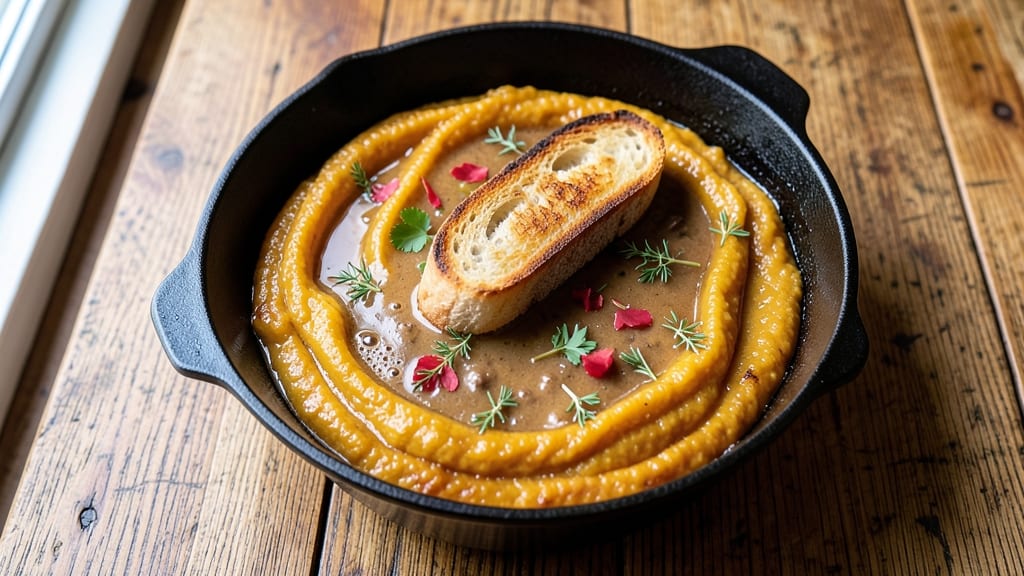
Canning French onion soup lets you preserve that rich, caramelized flavor for months—but getting the slow-cooked depth right requires patience and precision. The key lies in developing the onions over hours until they're deep amber and sweet, then layering in beef broth and herbs for complexity.
I've perfected this method to ensure every jar delivers restaurant-quality soup with tender, melt-in-your-mouth bread and gooey Gruyère on top.
This recipe transforms simple pantry staples into a deeply satisfying soup that's perfect for winter meals or emergency pantries. The slow cooking process builds layers of flavor that jarred soups simply can't match, while the canning process preserves that depth.
Professional results require just a few hours of active time followed by pressure canning, making it ideal for meal prep or disaster readiness.
What you'll end up with is soup that tastes like it simmered all day in a Parisian bistro—caramelized onions with perfect texture, a rich beef broth base, and that unmistakable French onion soup aroma.
The bread topping stays crispy even after canning, and the cheese melts into a velvety blanket when reheated. This is comfort food at its finest, preserved for whenever you need it.
The canning process itself is straightforward but critical: sterilized jars, proper processing times, and careful sealing ensure safe, long-term storage. Whether you're prepping for winter or building an emergency food supply, this recipe delivers professional-quality results you can rely on.
Let's get started with the ingredients and techniques that make it work.
Ingredients for canning french onion soup
Simple pantry staples transform into restaurant-quality French onion soup you can can for months.
| Ingredient | Amount | Notes |
|---|---|---|
| Yellow Onions 🧅 | 5 lb | Yellow or sweet onions, sliced thin |
| Beef Broth 🥫 | 6 cups | Homemade or high-quality store-bought |
| Extra-Virgin Olive Oil 🫒 | ½ cup | For caramelizing onions |
| Dry White Wine 🍷 | 1 cup | Dry, not sweet |
| Fresh Thyme 🌿 | ¼ cup | Stems removed, chopped |
| Fresh Parsley 🌿 | ⅛ cup | Chopped for garnish |
| Garlic Cloves 🧄 | 6 cloves | Minced for depth of flavor |
| Salt 🧂 | 2 tbsp | Kosher or sea salt |
| Black Pepper 🌶️ | 1 tsp | Freshly ground |
| Sourdough Bread 🍞 | 1 lb | Crust removed, cubed |
| Gruyère Cheese 🧀 | 1 ½ cups | Shredded, aged |
| Canning Jars 🥫 | 6 pieces | Quart-sized, sterilized |
| Canning Lids 🔒 | 6 pieces | New, unused lids |
| Sugar 🍚 | ½ tsp | For canning process |
The onions are your foundation—yellow or sweet onions caramelize best for that deep, sweet flavor. Costco or Trader Joe's usually have them in bulk for great prices. If you're using store-bought broth, Kitchen Basics or Pacific Foods make solid options. The Gruyère matters too—look for aged cheese at specialty shops or the deli counter. Fresh herbs like thyme and parsley add brightness, but dried works in a pinch (use half the amount).
No white wine? Dry vermouth or extra beef broth works just as well. Short on Gruyère? Comté or Emmental are good swaps. The bread should be sourdough—store-bought loaves work fine if you can't find fresh. For the canning jars, Ball or Kerr brands are reliable. If you're short on time, pre-sliced onions save chopping, but fresh is always better. The sugar in the canning process is non-negotiable—it helps preserve the texture and flavor.
Store your canned soup in a cool, dark place—12-18 months is typical shelf life. Once opened, transfer to the fridge and use within 5-7 days. I always label my jars with the date and contents. The bread topping stays crispy if you toast it fresh before serving. Freeze extras if you won't use them all—3 months max in the freezer.
Why You'll Love This Recipe
- One-Pot Magic: Honestly, I swear by this recipe—just onions, broth, and a splash of wine caramelizing in one pot. No chopping boards covered in scraps, no last-minute washing. That deep, golden fond sticks to the bottom? Pure flavor without extra effort.
- Wine-Infused Depth: Between us, the dry white wine isn’t just for show—it cuts through the richness of the beef broth and lets the onions sing. That crisp acidity? It’s the secret to why this tastes like a bistro dish, not a weeknight shortcut.
- Leftovers That Beg for Seconds: I make a double batch on Sundays, and by Wednesday, it’s gone. The soup only gets better as the flavors meld—especially with that extra-thyme sprinkle. Freeze half if you’re not greedy; trust me, you’ll want it.
- Budget Bistro Vibes: You’d pay $18 for this at a restaurant, but here? A handful of onions, a bottle of wine you’d drink anyway, and broth from a can. It’s the kind of dish that makes you feel fancy without breaking the bank—or your patience.
Step-by-step instructions for canning French onion soup
Here's how to transform simple pantry staples into rich, caramelized French onion soup that keeps beautifully in jars.
Caramelize the Onions Slowly
Heat the extra-virgin olive oil in a large Dutch oven over medium-low heat. Add the 5 lb yellow onions, sliced thin, and cook for 45 minutes, stirring occasionally. You're looking for deep golden caramelization - the onions should be soft, sweet, and reduced by about half their original volume.
This is where the magic happens. Don't rush it - the longer they cook, the more complex the flavor becomes. If the onions start sticking, add a splash of beef broth to deglaze. The sugar from the onions will eventually melt and create that signature caramelized depth.
Build the Flavor Base
Once the onions are deeply caramelized, add the 6 cloves minced garlic and cook for 1 minute until fragrant. Pour in the 1 cup dry white wine and let it simmer for 5 minutes until reduced by half. This step concentrates the flavors and removes any sharpness from the wine.
Stir in the 2 tbsp salt, 1 tsp black pepper, and 0.25 cup chopped fresh thyme. Add the 6 cups beef broth and bring to a gentle simmer. The soup should be rich and aromatic - you should smell layers of caramel, garlic, and thyme. This is your flavor foundation that will develop even more depth during canning.
Prepare the Jars for Canning
While the soup simmers, prepare your canning equipment. Sterilize the 6 quart-sized jars and lids in boiling water for 10 minutes. Keep them hot until ready to use. Remove crusts from the 1 lb sourdough bread and cut into cubes - you'll need about 2 cups total for topping.
Fill each jar with the hot soup, leaving 1-inch headspace at the top. This space allows for proper expansion during processing. Use a ladle to distribute the bread cubes evenly among the jars - about 1/3 cup per jar. The bread will absorb some of the soup during processing, creating that perfect toasty texture when reheated.
Process the Jars
Place the jars in your pressure canner and add enough water to create a water bath that covers the jars by 1-2 inches. Bring to a boil, then process at 10 pounds of pressure for 75 minutes for pint jars or 90 minutes for quart jars. This high-pressure processing ensures the soup reaches a temperature that kills all bacteria and spores.
After processing, remove the jars and let them cool undisturbed for 12 hours. This slow cooling allows the lids to seal properly. Check that the lids have sealed by pressing down on the center - if it doesn't pop back up, it's properly sealed. The soup will continue developing flavor during this cooling period, making it even more complex when you're ready to serve.
Final Assembly and Storage
Once completely cooled, wipe down the jar rims and store in a cool, dark place. Your canned French onion soup will keep for up to 12 months. When ready to serve, open a jar and heat gently. Top each serving with additional shredded gruyère cheese and fresh parsley, just like you would with fresh soup.
The beauty of canning this soup is that you can enjoy that restaurant-quality French onion soup experience any time of year. The canning process actually enhances the flavors, creating a soup that's even more concentrated and delicious than when made fresh. Just remember - always use the proper canning techniques to ensure safety and quality.
Pro Tips For Making Canning French Onion Soup
- Sweat Onions Slow: I used to rush the onions and end up with bitter, watery soup—don’t do that. Caramelize them over medium-low heat for at least 20 minutes, stirring occasionally, until they’re deep golden and syrupy. That’s where the real flavor lives, not in the quick sear.
- Use Wine Wisely: Don’t just dump the wine in and walk away—reduce it first. After deglazing the pan, let the wine simmer for 3-4 minutes until it’s cut in half. This concentrates the flavor and keeps the soup from tasting like you’re drinking it straight.
- Salt the Broth Early: Taste your beef broth before adding it to the pot. If it’s bland, season it now—you can’t fix it later. A pinch of salt now makes a real difference, especially if you’re using low-sodium broth or homemade stock.
- Toast the Thyme Leaves: Strip the thyme sprigs, then give the leaves a quick 10-second toast in a dry pan before adding them to the soup. It deepens the aroma and keeps them from turning bitter. (Yes, even if you’re impatient like me—just don’t burn them.)
Wine and beer pairings for canning french onion soup
Red Wine Classics
A bold Pinot Noir from Burgundy or Oregon is my go-to pairing for this rich, caramelized soup. The wine's earthy notes and subtle fruitiness complement the deep onion flavors without overpowering them.
Look for a 2018-2020 vintage with moderate tannins—I love Domaine Drouhin or La Crema for their balance. Chill slightly before serving to enhance its aromatic qualities. 🍷
Crisp White Alternatives
For a lighter option, a Chardonnay with minimal oak (like La Crema Sonoma Coast) works beautifully. The wine's citrus notes cut through the soup's richness, while its acidity refreshes your palate.
Alternatively, a dry Riesling from Germany adds a touch of sweetness that mirrors the caramelized onions. Serve both whites at 50-52°F for optimal enjoyment.
Beer Pairings
A Belgian-style witbier like Hoegaarden or Stella Artois provides a crisp, refreshing contrast to the soup's depth. The beer's coriander and orange peel notes complement the caramelized onions, while its effervescence cleanses your palate.
For a darker option, try a German Dunkel—its malty sweetness enhances the Gruyère topping. Serve beers at 45-50°F for the best experience. 🍺
Non-Alcoholic Options
Sparkling ginger beer (like Feather) adds effervescence and a spicy kick that pairs surprisingly well with the soup's richness. For a non-carbonated option, try a dry sparkling apple cider—its acidity and slight sweetness mirror the caramelized onions.
Both options should be served chilled at 40-45°F to highlight their refreshing qualities.
Cheese and Wine Harmony
The Gruyère topping deserves special attention when pairing. A Gewürztraminer from Alsace enhances the cheese's nutty, caramelized notes. For a red wine pairing, a Syrah from the Rhône Valley complements both the soup and cheese beautifully.
The wine's peppery finish echoes the black pepper in the soup, creating a harmonious balance. 💫
Nutrition facts
Frequently asked questions
Can I use sweet onions instead of yellow onions for canning?
Sweet onions like Vidalia or Maui onions work beautifully—they caramelize faster and add a natural sweetness that enhances the soup's depth. Just monitor them closely since they'll soften quicker than yellow onions. For best results, use a mix of both for balanced flavor and texture.
How do I prevent the bread topping from getting soggy after canning?
The key is using 1/3 cup bread cubes per quart jar and ensuring they're evenly distributed. Toast the bread lightly before adding it to the jars, and leave 1-inch headspace for proper expansion. After opening, broil the soup for 3-5 minutes to crisp the bread topping fresh.
What's the safest way to reheat canned French onion soup?
Gently reheat on the stovetop over medium-low heat until steaming (about 10-15 minutes). Never microwave directly from the jar—transfer to a microwave-safe bowl first. For best texture, add fresh shredded Gruyère and toast the bread topping under the broiler right before serving.
Can I substitute wine with something else in the canning process?
Yes! For every 1 cup of wine, use 1 cup beef broth + 1 tbsp apple cider vinegar to replicate the acidity. Alternatively, a 1:1 ratio of dry vermouth to broth works well. The acidity helps preserve flavor during canning while maintaining the soup's balance.
Why does my canned soup taste different from fresh?
Canning concentrates flavors through pressure processing, which can make the soup taste more intense and slightly sweeter. The bread topping may also lose some crispness. To compensate, add fresh herbs (parsley, thyme) and extra Gruyère when reheating. The texture will improve with proper reheating techniques.