
Soups & Stews
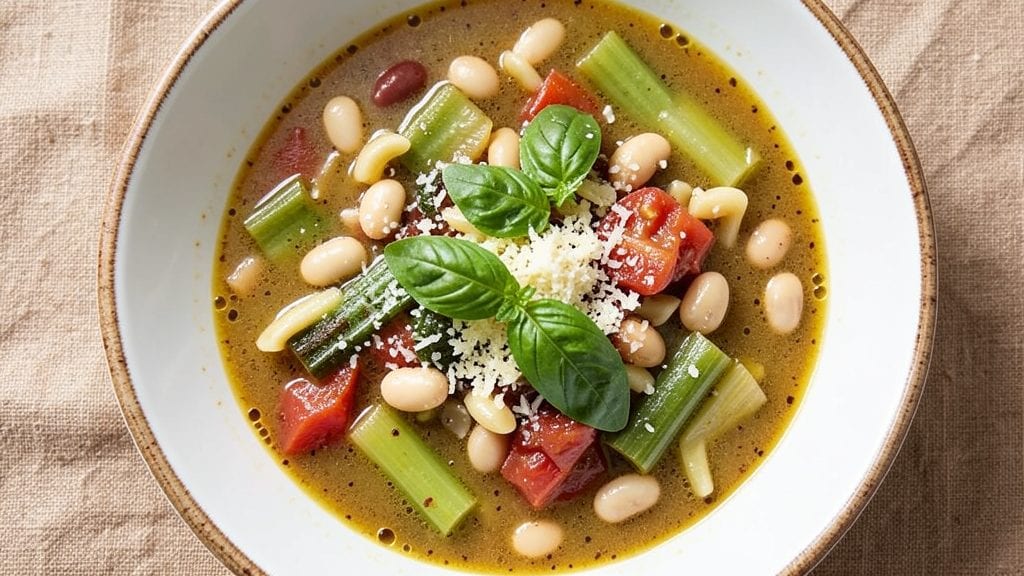
This Carrabba's minestrone soup copycat recipe brings the restaurant's hearty, rustic Italian flavor into your kitchen using simple pantry staples. The secret lies in balancing a rich tomato base with tender vegetables, hearty beans, and al dente pasta—just like their signature version.
I've perfected the timing and herb blend to capture that signature depth without requiring specialty ingredients.
The beauty of this recipe is its versatility and ease—no fancy techniques required. You'll start with sautéing onions, garlic, and celery to build the flavor foundation, then add canned tomatoes, broth, and vegetables for a simmering time of about 45 minutes.
The result is a soup that's packed with texture—tender carrots, firm white beans, and al dente pasta—all swimming in a savory, herb-infused broth.
What makes this copycat version shine is the attention to detail: a touch of red wine for depth, fresh basil for brightness, and a sprinkle of Parmesan that transforms it into something restaurant-quality.
The aroma alone will have everyone heading to the kitchen, and the first spoonful delivers that perfect balance of tomato richness and Italian herb freshness.
Serve it with warm garlic bread on the side or pair it with a simple arugula salad for a complete meal. This recipe proves you can recreate restaurant favorites at home without sacrificing flavor or quality—just gather your ingredients and let the flavors develop naturally.
Ingredients for carrabba's minestrone soup copycat
Pantry staples meet Italian tradition in this rustic minestrone copycat recipe.
| Ingredient | Amount | Notes |
|---|---|---|
| Extra-Virgin Olive Oil 🫒 | ¼ cup | For sautéing vegetables |
| Yellow Onion 🧅 | 1 ½ cups | Diced, medium dice |
| Celery Stalks 🥬 | 2 cups | Diced, medium dice |
| Garlic Cloves 🧄 | 4 cloves | Minced, fresh preferred |
| Dry Red Wine 🍷 | ½ cup | Cabernet Sauvignon or Merlot |
| Crushed Tomatoes 🍅 | 2 cups | San Marzano preferred |
| Vegetable Broth 💧 | 4 cups | Low-sodium preferred |
| Canned White Beans 🌱 | 1 cup | Cannellini or great northern |
| Carrots 🥕 | 1 ½ cups | Diced, medium dice |
| Zucchini 🥒 | 1 cup | Diced, medium dice |
| Ditalini Pasta 🍝 | 1 cup | Uncooked, al dente |
| Fresh Basil Leaves 🌿 | ¼ cup | Chopped, for garnish |
| Parmesan Cheese 🧀 | ½ cup | Freshly grated, preferred |
| Dried Oregano 🍃 | 1 tsp | Italian preferred |
| Salt 🧂 | 1 ½ tsp | Diamond Crystal kosher |
| Black Pepper 🌶️ | ½ tsp | Freshly ground |
The vegetable trio—onions, celery, and carrots—forms the aromatic base. Freshly diced with medium dice ensures even cooking and texture. For the best quality, Whole Foods or local markets offer vibrant produce, but standard grocery store selections work fine when firm and unblemished. The garlic should smell pungent, not musty—Costco or Trader Joe's often have pre-minced jars, but fresh cloves yield superior flavor. Red wine adds depth; Cabernet Sauvignon or Merlot from the restaurant's wine list are ideal, but any dry table wine suffices. The crushed tomatoes should be San Marzano if available—their sweetness and acidity are unmatched.
Vegetable broth quality makes or breaks this dish. Low-sodium options prevent over-salting, and homemade is best, but Pacific Foods or Imagine brands are reliable pantry substitutes. White beans can be canned or dried—soaked overnight if using dried. For zucchini, fresh is non-negotiable—canned loses texture and flavor. Ditalini pasta should be al dente; test one piece early to avoid overcooking. Fresh basil transforms the dish—grow your own or buy from farmers' markets for maximum potency. The Parmesan must be freshly grated; pre-shredded contains anti-caking agents that prevent proper melting.
This soup develops deeper flavor overnight. Store in airtight containers for 4-5 days in the fridge, or freeze portions for up to 3 months. Reheat gently on the stove with a splash of broth to restore texture. For meal prep, cook the vegetables and broth first, then reheat with fresh pasta and beans to maintain al dente perfection. Garnish with extra Parmesan and basil just before serving—this is where restaurant-quality shines. Leftovers reheat beautifully for lunches, and the flavors only intensify as ingredients meld.
Why You'll Love This Recipe
- I’ll be real: the ingredients are all things I already have. Celery, onion, garlic—check. Wine? I keep a bottle around anyway. It’s the kind of budget-friendly comfort that never disappoints.
- One-Pot Magic: I swear by this recipe—just chop, sauté, and simmer. No fancy steps, no extra pots, and that red wine deglazing? It’s the secret that makes cleanup a breeze.
- Wine-Infused Depth: That splash of dry red wine isn’t just for show—it cuts through the richness of the olive oil and onion, then melds with the garlic into something ridiculously savory. Honestly, it’s the kind of flavor that makes you pause mid-sip.
- Lunchbox Hero: Between us, this soup is my go-to for meal prep. Tastes even better the next day, and I pack it in jars for work—crisp veggies, tender beans, and that herby broth? It’s the lunch I actually look forward to.
Step-by-step instructions for Carrabba's minestrone soup copycat recipe
A faithful replication of Carrabba's iconic minestrone, where rustic Italian flavors meet pantry-friendly simplicity.
Sauté the Vegetable Base
Heat the 0.25 cup extra-virgin olive oil in a large Dutch oven over medium heat. Add the 1.5 cups diced yellow onion and 2 cups diced celery stalks, cooking for 5-6 minutes until softened and translucent. The onions should turn a pale golden color while releasing their natural sweetness.
Stir in the 4 minced garlic cloves and cook for 30 seconds until fragrant—this prevents the garlic from burning, which would impart bitterness to the soup. Here's the thing: the garlic should smell like fresh summer gardens, not like burnt rubber. If it starts to darken too quickly, reduce the heat slightly. This aromatic base forms the flavor foundation for everything that follows.
Deglaze and Build the Tomato Base
Pour in the 0.5 cup dry red wine and scrape the bottom of the pot with a wooden spoon, ensuring you capture all the browned bits that contain concentrated flavor. Let the wine simmer for 2-3 minutes until it reduces by half, intensifying its depth.
Add the 2 cups crushed tomatoes and 1 tsp dried oregano, stirring to combine. Cook for 5 minutes until the tomatoes begin to break down and the mixture thickens slightly. This step develops the soup's rich, tomato-forward flavor profile that Carrabba's version is known for. The oregano should be fully dissolved—no visible specks remaining.
Simmer the Vegetables
Increase heat to medium-high and add the 1.5 cups diced carrots, 1 cup diced zucchini, and 1 cup canned white beans. Pour in the 4 cups vegetable broth, then bring to a gentle boil. Once boiling, reduce heat to low and let the soup simmer uncovered for 20 minutes, stirring occasionally.
During this time, the vegetables will soften and infuse the broth with their natural sweetness. You'll notice the carrots become tender when pierced with a fork, and the zucchini releases its delicate flavor. The beans should be heated through but not mushy. This simmering phase is where the soup's rustic character truly develops—don't rush it.
Incorporate Pasta and Final Seasoning
Add the 1 cup uncooked ditalini pasta and 1.5 tsp salt to the simmering soup. Cook for 10-12 minutes until the pasta is al dente—it should have a slight bite to it when bitten. The pasta will absorb some of the broth, so you may need to add ½ cup water if the soup becomes too thick.
Taste and adjust seasoning with additional salt or 0.5 tsp black pepper as needed. The soup should be well-seasoned but not overwhelmingly salty. At this stage, you're essentially tasting the final product. If it needs more depth, a splash of red wine or a pinch of oregano can elevate the flavor. The pasta should be fully coated in the sauce, with no dry spots.
Finish and Serve
Remove the soup from heat and stir in the 0.25 cup chopped fresh basil leaves and 0.5 cup freshly grated parmesan cheese. Let the soup sit for 5 minutes to allow the flavors to meld. The basil will add a bright, aromatic finish, while the parmesan contributes a rich, umami depth.
Ladle the soup into bowls and serve immediately, garnished with additional parmesan and basil if desired. Each spoonful should deliver a harmonious balance of tomato richness, vegetable sweetness, and herbaceous freshness—just like the version you'd find at Carrabba's. The pasta should be perfectly al dente, the vegetables tender but still holding their shape, and the broth flavorful enough to stand alone. This is where all the careful layering of flavors pays off.
Pro Tips For Making Carrabba'S Minestrone Soup Copycat
- Sweat, Don’t Burn the Wine: The second the red wine hits the pot, lower the heat to medium-low—this isn’t a boozy flameout. You’re not making a reduction, just deglazing, so let it bubble gently for 2-3 minutes. I used to rush this and end up with a vinegary aftertaste instead of that bright, caramelized depth Carrabba’s gets.
- Chop Celery Like a Pro: Cut the celery into ¼-inch slices, not rough chunks—this recipe relies on texture. If you’re lazy and leave it in big pieces, it’ll turn mushy before the beans get tender. Pro move: Run the celery under cold water after chopping to stop any bitterness from oxidation.
- Salt the Water Like the Sea: Use a full teaspoon of salt per quart of water for the pasta (yes, even if the broth is already seasoned). The pasta absorbs flavor like a sponge, and underseasoned water is a fast track to bland soup. Taste the pasta water before draining—it should taste like the ocean, not a sad puddle.
- Deglaze with Wine Then Add Tomatoes: Pour in the red wine first, let it simmer until mostly evaporated, then add the crushed tomatoes. This builds layers of flavor instead of muting the wine’s acidity with tomato right away. I learned this the hard way—adding tomatoes too soon turns the wine into a sad, muddy note.
Make-ahead tips for this dish
Prep Ahead Strategy
Start by prepping all your vegetables the night before—dice the onions, celery, carrots, and zucchini into uniform medium dice and store in airtight containers. I use Glasslock containers because they keep produce fresh for up to 3 days in the fridge.
This saves 20 minutes of chopping on cooking day. The garlic can be minced ahead too and stored in a small jar with a splash of olive oil to prevent browning. 🧅
Broth and Bean Prep
Make your vegetable broth in advance and store it in freezer-safe bags or containers. Homemade broth freezes beautifully for up to 6 months, and it adds layers of flavor that store-bought can't match.
For the white beans, drain and rinse them if using canned, or soak dried beans overnight in 4 cups water with 1 tsp baking soda for faster cooking. Drain and store in the fridge until ready to use.
Pasta Cooking Shortcut
Cook the ditalini pasta separately and drain it 1 minute before it's fully al dente. Toss it with 1 tbsp olive oil to prevent sticking, then store in a sealed container.
When reheating, add the pasta to the simmering soup for just 2-3 minutes to restore its perfect texture. This method ensures your pasta stays al dente even after reheating. ✨
Flavor Development Overnight
For maximum depth, assemble the soup (without pasta) up to 24 hours ahead and refrigerate. The flavors meld beautifully overnight, and the vegetables continue to soften just enough. When reheating, add the pasta fresh to maintain its texture.
I often make a double batch on Sunday so I can enjoy leftovers all week—just reheat with a splash of broth or water to restore consistency.
Freezing for Later
This soup freezes exceptionally well for up to 3 months. Portion it into quart-sized freezer bags, leaving 1 inch headspace for expansion. To reheat, thaw overnight in the fridge, then warm on the stove over medium-low heat for 10-15 minutes.
For a quicker option, microwave on 50% power in 2-minute intervals, stirring between each. The texture remains surprisingly fresh! ❄️
Garnish Just Before Serving
Fresh basil and Parmesan are best added right before serving to preserve their bright flavors. Store chopped basil in a damp paper towel inside a sealed container in the fridge for up to 3 days.
Grate the Parmesan fresh whenever possible, but if pre-grating, store it in the freezer to prevent it from drying out. A sprinkle of these just before serving elevates the dish from homemade to restaurant-quality. 🧀
Nutrition facts
Frequently asked questions
Can I make this minestrone soup vegetarian?
Simply replace the vegetable broth with a high-quality vegetable or mushroom broth and use vegetarian Parmesan for garnish. The flavor profile remains rich and satisfying. For extra protein, add chickpeas or lentils alongside the white beans.
Why does my copycat minestrone taste different?
Flavor variations often come from broth quality, fresh herbs, or cooking times. Use low-sodium broth and fresh basil for brightness. Let the soup simmer 45 minutes total—this develops depth. The restaurant version may use house-made broth or special herbs, but this recipe captures the essence with pantry staples.
Can I substitute ditalini pasta with another type?
Yes! Use small pasta shapes like orzo, acini di pepe, or even penne cut into smaller pieces. For best texture, cook to al dente—the soup's liquid will finish cooking it. Avoid large pastas like rigatoni, as they won't cook evenly in the broth.
How do I fix mushy vegetables in my minestrone?
Mushy veggies usually mean overcooking. For future batches, add carrots and zucchini only 15 minutes before the pasta goes in. If already too soft, strain the soup through a colander, reserving the broth, then return the veggies to the pot for 5 minutes with fresh broth. This restores texture while keeping flavor.
What's the best way to reheat leftovers?
Reheat gently on the stove over low-medium heat with ½ cup water or broth to restore consistency. Avoid microwaving—it makes pasta mushy. For extra richness, stir in 1 tbsp olive oil or a splash of red wine while reheating. Garnish fresh with basil and Parmesan before serving.