
Soups & Stews
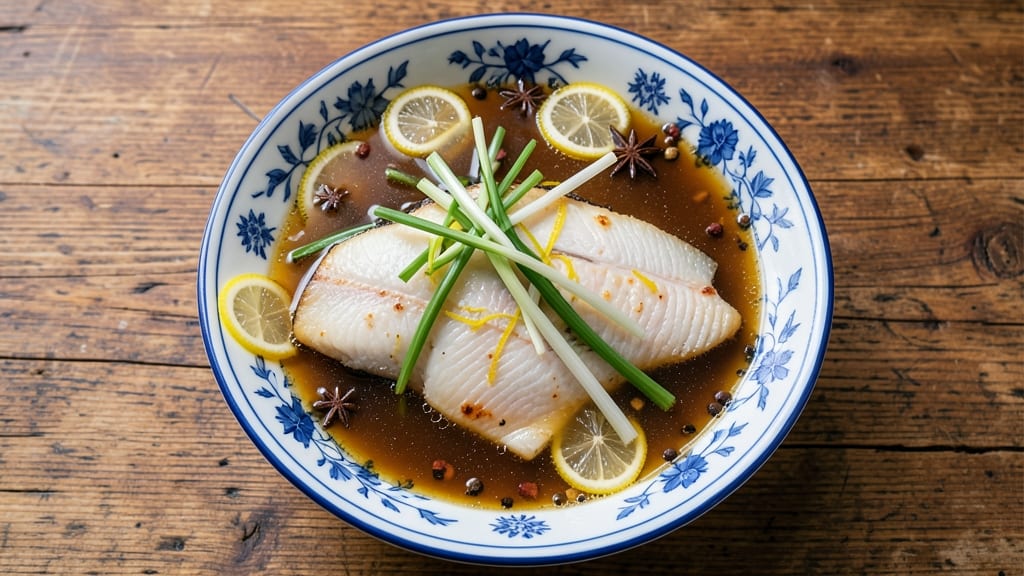
A fragrant ginger-lemon broth with silky fish is the heart of this authentic Chinese fish soup, where delicate flavors and tender protein create a comforting bowl. I've refined this recipe over years of testing, balancing traditional techniques with home kitchen practicality—no shortcuts, just layers of aroma and texture.
The secret lies in slow simmering the broth to develop depth while keeping the fish perfectly tender, a technique that transforms simple ingredients into something extraordinary.
This recipe uses white fish like cod or sea bass, chosen for their mild flavor and delicate texture that absorbs the broth's essence without overpowering it. The ginger-lemon broth isn't just flavorful—it's therapeutic, with warming spices and bright citrus that cut through richness.
We'll build it gradually, starting with a fragrant base of ginger, scallions, and star anise before adding the fish at the perfect moment for maximum tenderness.
What you'll end up with is a bowl of soup where every spoonful delivers harmony: silky fish, fragrant broth, and subtle heat from Sichuan peppercorns if you choose. The aroma alone will fill your kitchen with warmth, while the texture—tender fish, silky broth—makes each bite satisfying.
This is comfort food at its finest, elevated by authentic technique without sacrificing simplicity.
Perfect for family dinners or special occasions, this soup scales beautifully while maintaining balance. The broth keeps well for 3 days, making it ideal for meal prep—just reheat gently to preserve its delicate flavors.
Whether you serve it with steamed rice or fresh herbs as garnish, this recipe delivers restaurant-quality results at home.
Ingredients for chinese fish soup
Simple ingredients, layered flavors—this soup delivers restaurant-quality harmony in every bowl.
| Ingredient | Amount | Notes |
|---|---|---|
| White Fish Fillets 🐟 | 1 ½ lb | Cod or sea bass preferred |
| Fresh Ginger 🧄 | ½ cup | Finely minced, skin removed |
| Scallions 🧅 | ¼ cup | Sliced thin, white and green parts |
| Star Anise Pods 🌟 | 2 whole | Whole pods for infusion |
| Sichuan Peppercorns 🌶️ | ½ tsp | Crushed lightly for aroma |
| Lemon Zest 🍋 | 1 tbsp | Freshly grated, no pith |
| Lemon Juice 🍋 | 2 tbsp | Freshly squeezed |
| Dried Shiitake Mushrooms 🍄 | 2 whole | Rehydrated in hot water |
| Fish Stock 💧 | 4 cups | Homemade preferred, low-sodium |
| Green Onions 🧅 | ¼ cup | Chopped for garnish |
| Fresh Cilantro 🌿 | ¼ cup | Chopped, optional garnish |
| Sesame Oil 🫒 | 1 tsp | Toasted, for finishing |
| Cornstarch 🌾 | 1 tbsp | For thickening broth |
| Salt 🧂 | 1 tsp | Adjust to taste |
| White Pepper 🌶️ | ¼ tsp | Freshly ground |
The fish is the star, so choose wisely. Cod or sea bass work best—their mild flavor absorbs the broth beautifully. Look for fillets with firm, translucent flesh and minimal fishy odor. If using frozen, thaw in the fridge overnight. For the ginger, fresh is non-negotiable—it provides the soup's signature warmth. Whole Foods or Asian markets often carry high-quality ginger with vibrant color. Star anise and Sichuan peppercorns add depth; Penzeys or bulk spice shops are great sources for authentic varieties. Pre-crush the peppercorns slightly to release their aromatic oils without overpowering the broth.
No fresh ginger? Powdered works in a pinch, but reduce to half the amount. Substitute dried shiitake with cremini mushrooms (use 1 cup sliced), though the umami won't be identical. For fish stock, homemade is ideal, but low-sodium store-bought suffices if needed. The lemon zest and juice should be freshly squeezed—bottled juice lacks the bright acidity that cuts through the richness. If you can't find Sichuan peppercorns, a pinch of black pepper plus a dash of cayenne mimics the subtle heat. For the sesame oil, toasted is key—heat 1 tsp in a dry pan for 30 seconds to deepen its nutty aroma before adding to the soup.
Broth keeps its delicate balance for 3 days refrigerated or 3 months frozen—portion into containers for easy reheating. The fish should be added just before serving to maintain its silky texture, but you can prepare the broth ahead. Garnishes like green onions and cilantro add freshness; store them separately and add at serving time. For extra richness, reserve 1/4 cup broth before adding cornstarch, then stir it back in at the end. This soup reheats beautifully—gentle heat only preserves its delicate flavors, so avoid boiling.
Why You'll Love This Recipe
- No-Chop Necessary: I swear by this trick—just slice the scallions roughly and toss in whole. The ginger gets grated in seconds, and the star anise and Sichuan peppercorns? Drop them in as-is. That’s it. Zero prep work stealing your evening.
- Umami Bomb: The star anise and Sichuan peppercorns add this deep, warm complexity that’s next level—like a hug for your taste buds. The ginger brightens it up, and the fish? It melts into flaky perfection, soaking up every bit of that aromatic broth.
- Lunchbox Hero: This soup reheats like a dream, making it my go-to for meal prep. Pack it in thermoses for work or school—it stays hot, tastes even better the next day, and honestly? My kids beg for it more than takeout.
- Budget-Friendly Luxury: A single fillet stretches into three hearty servings, and the spices cost pennies. Fresh ginger and scallions last forever, so you’re not breaking the bank for flavor. Plus, it’s cheaper than takeout but feels like a fancy dinner. Win.
Step-by-step instructions for Chinese fish soup
Aromatic broth meets delicate fish in this balanced soup. Precision timing and layering flavors ensure each element shines.
Prepare the Aromatic Base
In a medium pot, combine the 4 cups fish stock, 0.5 cup minced fresh ginger, 2 whole star anise pods, and 0.5 teaspoon crushed Sichuan peppercorns. Bring to a gentle simmer over medium-high heat until small bubbles form at the edges. The broth should smell vibrantly aromatic—this is your foundation.
While the broth heats, rehydrate the 2 whole dried shiitake mushrooms by soaking them in hot water for 15 minutes. Drain and finely chop them before adding to the simmering broth. This step infuses deep umami flavor that balances the bright citrus notes we'll add later.
Build the Citrus and Herb Infusion
Add the 1 tablespoon lemon zest and 2 tablespoons lemon juice to the simmering broth. Stir gently to distribute the citrus oils evenly. The broth should develop a fresh, golden hue—this indicates proper infusion. Reduce heat to medium-low and let it simmer uncovered for 10 minutes to allow the flavors to meld.
In a separate bowl, whisk together 1 tablespoon cornstarch with 2 tablespoons cold water to create a smooth slurry. This will later help thicken the broth slightly for better texture. Keep the mixture nearby—you'll need it in the next step.
Cook the Fish to Perfect Tenderness
Add the 1.5 pounds white fish fillets (cod or sea bass preferred) to the simmering broth. Gently stir once to submerge them completely. The fish should cook for exactly 4-5 minutes—just until it turns opaque and flakes easily with a fork. Overcooking will make it dry and rubbery.
Watch the broth closely during this time. The fish releases its natural oils, creating a delicate cloudiness in the liquid. This is normal and indicates proper cooking. Once the fish is done, carefully remove it with a slotted spoon and set aside on a plate.
Thicken and Finish the Broth
Return the broth to a gentle simmer. Slowly whisk in the cornstarch slurry while stirring continuously. The broth should thicken noticeably within 2-3 minutes—it should coat the back of a spoon but remain silky, not gluey. If it thickens too quickly, add 1-2 tablespoons hot water to adjust the consistency.
Season the broth with 1 teaspoon salt and 0.25 teaspoon white pepper, adjusting to taste. The seasoning should be balanced—bright from the citrus, aromatic from the ginger and star anise, with a subtle peppery warmth from the Sichuan peppercorns.
Assemble and Garnish
Return the cooked fish to the broth and gently stir to coat it in the flavorful liquid. Add 0.25 cup sliced scallions and 0.25 cup chopped green onions, distributing them evenly throughout. The greens will add freshness and visual contrast to the golden broth.
Remove from heat and drizzle with 1 teaspoon toasted sesame oil. Garnish with 0.25 cup chopped fresh cilantro for a pop of color and additional freshness. Serve immediately in deep bowls, ensuring each serving contains a generous portion of fish and broth.
Pro Tips For Making Chinese Fish Soup
- POACH DON’T BOIL: Fish fillets turn rubbery when they hit rolling simmer—drop them in when the water’s just small bubbles, not full boil. I learned this the hard way after serving my family a sad, mushy mess. Keep the heat low and add them gently with a slotted spoon.
- JULIENNE GINGER: Skip the minced ginger—thin slivers (1/8-inch thick) infuse flavor without bitterness. Toss them in whole at the start, then fish them out before serving. My grandmother swore by this, and she was right: it smells like a proper Chinese kitchen.
- CRUSH PEPPERCORNS: Whole Sichuan peppercorns add aroma but zero heat—lightly crush them in a mortar or bag with a rolling pin first. This releases their numbing oils, which are the soul of the dish. (Yes, even if you’re impatient like me.)
- SAVE THE BROTH: Strain the soup through a fine-mesh sieve lined with cheesecloth to catch star anise and ginger bits—this keeps the broth silky. I skip this and always regret the gritty texture. Takes 30 seconds but makes a real difference.
Serving suggestions for this recipe
Steamed Rice Pairing
This soup is traditionally served with steamed jasmine rice—its delicate floral aroma complements the bright citrus and ginger notes beautifully. Use a 1:2 ratio of rice to broth (for example, 1 cup rice to 2 cups broth per serving).
I recommend Thai jasmine rice for its slightly sticky texture, which helps soak up the fragrant broth. For extra authenticity, steam the rice in a bamboo steamer lined with a parchment-lined plate—it prevents sticking and enhances the aroma. 💛
Fresh Herbs Garnish
Fresh herbs elevate both flavor and presentation. I always garnish with chopped cilantro (¼ cup) and thinly sliced scallions (¼ cup) just before serving. For a Sichuan-inspired twist, add 2-3 thin slices of fresh chili (like Thai bird's eye) for subtle heat.
The herbs should be added after the soup is removed from heat to preserve their vibrant color and freshness.
Crispy Noodles Side
For a textural contrast, serve with crispy fried noodles on the side. Use 2 cups cooked egg noodles (like lo mein or udon) tossed in 1 tbsp neutral oil and fried until golden.
The crunchy noodles add a satisfying bite that balances the soup's silky texture. I like to sprinkle them with ½ tsp toasted sesame seeds and a pinch of salt before serving. 🥢
Wonton Wrappers Twist
Turn leftovers into mini wonton soup bites by using wonton wrappers as edible bowls. Fill each wrapper with a spoonful of soup, fold into a half-moon shape, and pan-fry in 1 tbsp oil until golden.
Serve with a side of spicy chili oil for dipping. This creative approach works especially well for lunches or appetizers—it’s a fun way to repurpose any extra broth and fish.
Warm Dumpling Wraps
For a handheld option, use steamed dumpling wrappers (like those for potstickers). Spoon the soup into the center of each wrapper, fold into a half-moon, and serve with a small bowl of broth for dipping.
The wrapper adds a light, chewy texture that contrasts perfectly with the soup's richness. I like to serve these with pickled vegetables on the side to cut through the soup's depth of flavor. 🍜
Beverage Pairings
Pair this soup with a light Chinese tea like jasmine green tea to cleanse the palate between bites. For a non-alcoholic option, sparkling lemonade with a hint of mint enhances the citrus notes in the broth.
If you prefer beer, a crisp lager (like Tsingtao) complements the ginger and peppercorn flavors without overpowering them. Avoid heavy wines or dark beers—they can clash with the soup's delicate balance. 🍺
Nutrition facts
Frequently asked questions
What type of fish works best for this Chinese fish soup?
Mild white fish like cod or sea bass are ideal—they absorb the broth beautifully without overpowering the delicate flavors. Look for fillets with firm, translucent flesh and minimal odor. If using frozen, thaw overnight in the fridge for best results.
Can I make this soup ahead of time?
Prepare the broth up to 3 days ahead and store it refrigerated. The fish should be added fresh before serving to maintain its silky texture. For longer storage, freeze the broth (without fish) for up to 3 months. Reheat gently to preserve its delicate balance.
How do I adjust the spice level?
The Sichuan peppercorns provide subtle warmth. For more heat, add 1-2 thin slices of fresh chili (like Thai bird's eye) when serving. If you prefer no spice, simply omit the peppercorns and use extra ginger for aroma. Always taste the broth before adding the fish to balance seasoning.
Why did my fish turn rubbery?
Overcooking is the most common cause. Fish should cook for only 4-5 minutes in simmering broth—it's done when it turns opaque and flakes easily. Avoid boiling, which makes it tough. If using thicker fillets, reduce cooking time by 1 minute per extra ½ inch of thickness.
Can I substitute dried shiitake mushrooms?
Yes! Use 2 whole dried shiitake (rehydrated) or substitute with 1 cup sliced cremini mushrooms for a similar umami depth. For extra richness, add ½ teaspoon soy sauce to the broth when simmering. The mushrooms add body and balance the citrus notes beautifully.