
Soups & Stews
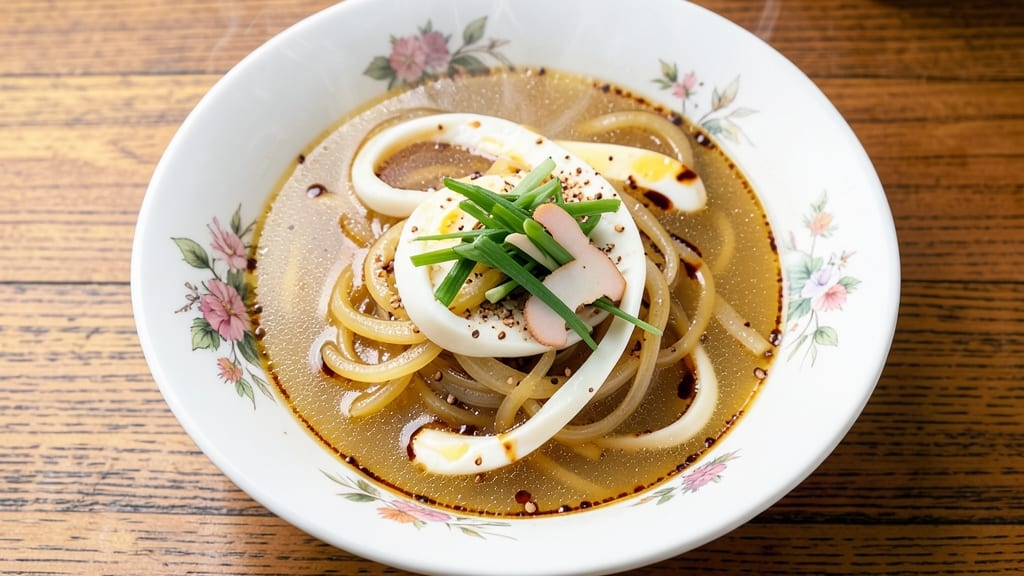
This Chinese restaurant-style egg drop soup delivers the delicate balance of silky egg ribbons and velvety onion swirls that define authentic versions. The secret lies in precise technique—gentle heat, gradual egg incorporation, and a clear, flavorful broth that forms the perfect foundation.
I’ve perfected this recipe after years of testing, ensuring every bowl captures that restaurant-quality essence at home.
What sets this recipe apart is the attention to detail in both preparation and plating. The broth, whether chicken or vegetarian, simmers just until it reaches that perfect clarity and depth of flavor.
Meanwhile, the egg is tempered carefully to create those signature ribbons that dissolve into the soup with a single spoonful. This isn’t just comfort food—it’s a technique that transforms a simple soup into a culinary experience.
The result is a bowl of soup that’s both elegant and comforting, with each spoonful offering a harmonious blend of textures and flavors. The egg ribbons glide effortlessly through the broth, while the onions melt into delicate swirls that add a touch of sweetness.
Garnishes like scallions and black pepper elevate it further, ensuring every bite feels like a taste of a bustling Chinese restaurant.
Ready in under 30 minutes, this recipe is ideal for weeknight dinners or as a soothing remedy on chilly days. Whether you’re using store-bought stock for convenience or homemade for authenticity, the method remains the same—simple yet precise. Let’s get started on creating your own restaurant-style masterpiece.
Ingredients for chinese restaurant style egg drop soup
Restaurant-quality egg drop soup starts with these twelve essential ingredients, blending delicate textures and bold flavors.
| Ingredient | Amount | Notes |
|---|---|---|
| Chicken Stock 🍗 | 4 cups | Homemade or high-quality store-bought |
| Large Eggs 🥚 | 3 whole | Room temperature for best ribboning |
| Yellow Onions 🧅 | 1 whole | Thinly sliced for delicate swirls |
| Green Onions 🌿 | 3 whole | Thinly sliced for garnish |
| Fresh Ginger 🌿 | 1 tbsp | Finely grated, aromatic base |
| Soy Sauce 🍶 | 1 tbsp | Light or all-purpose preferred |
| Sesame Oil 🫒 | ½ tsp | Toasted for authentic aroma |
| Cornstarch 🌾 | 1 tsp | Dissolved in 1 tbsp water |
| Salt 🧂 | ½ tsp | Adjust to taste |
| Black Pepper 🌶️ | ¼ tsp | Freshly cracked for heat |
| Vegetable Oil 🫒 | 1 tbsp | For gentle broth swirling |
| Sesame Seeds 🌾 | ½ tsp | Toasted for garnish |
The chicken stock is your foundation—homemade delivers the deepest flavor, but Kitchen Basics or Pacific Foods store-bought stocks work beautifully. Thinly sliced yellow onions create those signature swirls, so take the time to slice them paper-thin. Fresh ginger should smell vibrant, not musty—peel it just before grating for maximum aroma. For soy sauce, light varieties like Kikkoman or La Choy keep the soup from becoming too heavy, while toasted sesame oil adds that unmistakable restaurant aroma. If you can’t find toasted, regular sesame oil works in a pinch, but toast it yourself in a dry pan for 30 seconds for authentic depth.
No fresh ginger? Ground ginger at half the amount works, but the texture won’t be the same. Swap chicken stock for vegetarian by using a combination of mushroom and vegetable stock—just add a splash of chicken bouillon for umami. For eggs, room temperature is key—they ribbon better when not straight from the fridge. If you’re short on green onions, chives or extra yellow onions (finely sliced) work, though they lack the bright contrast. The cornstarch slurry is non-negotiable—it’s what creates that signature velvety finish. Make it fresh; pre-mixed won’t give the same clarity. And if you’re avoiding gluten, tamari replaces soy sauce perfectly.
This soup shines fresh but reheats beautifully—gentle warming on low heat preserves those delicate egg ribbons. Store leftovers in airtight containers for up to 3 days, though the egg texture degrades after 2. For freezing, freeze the broth separately and add fresh eggs when reheating. Garnish with toasted sesame seeds and extra green onions just before serving—that final touch makes all the difference. The black pepper should be freshly cracked; pre-ground loses its bite quickly. If you’re making a big batch, double the broth and eggs, but keep the sesame oil and soy sauce at original amounts to avoid overpowering the delicate flavors.
Why You'll Love This Recipe
- No-Fuss Assembly: I swear by this recipe because it’s literally just stock, eggs, and a knife’s work of onions and ginger. The hardest part is waiting for the stock to simmer—no peeling, no dicing, no fancy techniques. Honestly, I’ve made it while scrolling through my phone.
- Silky Magic: That moment when the egg ribbons melt into the broth? Chef’s kiss. The ginger and onions add warmth, but it’s the slow swirl of raw egg into the hot stock that turns it from good to “why didn’t I order takeout.” The texture is what makes it—creamy, delicate, and impossible to resist.
- Weeknight & Leftovers Hero: Perfect for when I’m too tired to plan but still need something nourishing. It reheats beautifully, so I’ll make a big batch on Sunday and save it for sick days or lazy afternoons. My roommate’s favorite? The cold version with extra green onions and chili oil—like a soup salad.
- Budget-Friendly Soul Food: Chicken stock and eggs are my pantry’s workhorses, and this recipe stretches them into something restaurant-worthy. I’ll use day-old bread for dipping or toss in leftover veggies if I’m feeling fancy. It’s the kind of dish that makes me feel like I’m feeding people without breaking the bank.
Step-by-step instructions for Chinese restaurant-style egg drop soup
Here's the method for achieving that signature silky texture and delicate flavor balance.
Prepare the Broth Base
Combine the 4 cups chicken stock, 1 tablespoon fresh ginger, and 1 tablespoon soy sauce in a clean soup pot. Bring to a gentle simmer over medium heat—you want small bubbles breaking the surface, not a rolling boil. This controlled heat preserves the delicate flavors while allowing the ginger to infuse fully.
Once simmering, add the 1 whole yellow onion, thinly sliced, and let it steep for 3-4 minutes until just translucent. The onions should soften but not brown—this ensures they melt into delicate swirls rather than become chewy. Skim off any foam that rises to the surface during this time to keep the broth clear.
Season and Thicken the Broth
Stir in the 0.5 teaspoon salt and 0.25 teaspoon black pepper, adjusting to taste. In a small bowl, dissolve the 1 teaspoon cornstarch in 1 tablespoon cold water until completely smooth. Slowly ladle this mixture into the simmering broth while stirring constantly with a wooden spoon.
The broth will begin to thicken immediately—keep stirring for 1-2 minutes until it reaches a velvety consistency, similar to heavy cream. You're aiming for a light body that coats the back of a spoon but doesn't become gluey. Remove from heat once thickened, as residual heat will continue the thickening process.
Create Silky Egg Ribbons
Return the pot to low heat and let the broth warm through. In a separate bowl, lightly beat the 3 whole large eggs until just combined—no need to whisk vigorously, as overmixing develops gluten that makes the ribbons tough. The eggs should be at room temperature for best results.
Slowly drizzle the beaten eggs into the broth in a thin, steady stream while stirring continuously with chopsticks or a fork. The motion should be gentle but constant—this creates those signature silky ribbons. Keep the heat at low to prevent the eggs from scrambling. Once all the egg is incorporated, remove from heat immediately.
Finish and Garnish
Add the 1 tablespoon vegetable oil and 0.5 teaspoon toasted sesame oil to the pot. Stir gently to distribute the oils evenly throughout the soup. This step enhances the aroma and adds that authentic restaurant finish. Return to low heat just long enough to warm through—about 1 minute—then remove from heat completely.
Divide the soup among 4 bowls, garnishing each with 3 thinly sliced green onions and 0.5 teaspoon toasted sesame seeds. Serve immediately while the egg ribbons maintain their delicate texture. The soup should be hot but not boiling, allowing you to appreciate the silky egg strands and velvety broth without breaking them.
Pro Tips For Making Chinese Restaurant Style Egg Drop Soup
- Use Cold Eggs: I learned this the hard way—room-temperature eggs turn into scrambled bits instead of delicate ribbons. Crack them straight from the fridge into a small bowl first, then whisk vigorously. The cold slows the cooking just enough to give you control when you drizzle them into the broth.
- Simmer, Don’t Boil: Your stock should be at a gentle simmer, not a rolling boil. If it’s too aggressive, the egg will cook instantly into clumps instead of those silky strands. Watch for tiny bubbles breaking the surface—this is the sweet spot. (Yes, even if you’re impatient like me.)
- Mince Ginger Thin: Skip the chunky slices—restaurant-style egg drop soup relies on ginger’s bright, diffused flavor. Use a microplane or knife to mince it into a paste, then stir it into the hot stock for 30 seconds. This isn’t the prettiest method, but it’s the tastiest.
- Swirl the Egg: The secret to those marbled egg strands isn’t just heat—it’s motion. After whisking the egg, hold the bowl close to the pot and let the broth’s steam rise into it. Then, swirl the egg mixture in one smooth motion as you pour it back in. This creates the signature streaks without overcooking.
Best sauces and condiments for chinese restaurant style egg drop soup
Classic Soy Sauce Base
The foundation of authentic egg drop soup is a light soy sauce base—1 tablespoon of Kikkoman Light Soy Sauce delivers that perfect umami depth without overpowering. I prefer light soy because it has a cleaner, more delicate flavor profile compared to dark soy, which can add bitterness.
For an extra layer of complexity, add ½ teaspoon of oyster sauce to the broth during simmering—this enhances the savory notes without altering the soup's clarity. 🍶
Toasted Sesame Oil
Never skip the toasted sesame oil—this is the secret to restaurant-quality aroma. I heat ½ teaspoon in a dry pan over low heat for 30 seconds until it smells nutty and fragrant. Regular sesame oil works in a pinch, but toasting it yourself makes all the difference.
Add it just before serving to preserve its aromatic oils, as excessive heat can make it bitter. A few drops also work as a finishing drizzle for extra depth. 🫒
Cornstarch Slurry
The cornstarch slurry is non-negotiable for that signature velvety texture. Mix 1 teaspoon cornstarch with 1 tablespoon cold water until completely smooth—no lumps! Stir this into the simmering broth while it's hot, but not boiling, to create a light, glossy finish.
If you're gluten-free, use arrowroot powder instead at the same ratio. This step transforms the soup from ordinary to restaurant-quality. 🌾
Black Pepper Finish
Freshly cracked black pepper adds a subtle heat that balances the soup's delicate flavors. I use ¼ teaspoon and grind it just before adding to the broth—pre-ground pepper loses its potency quickly.
For a smoky twist, add a pinch of Sichuan peppercorns (lightly toasted and crushed) to the broth while simmering. This adds a tingling sensation that elevates the dish. 🌶️
Optional Umami Boosters
For extra depth, stir in 1 teaspoon of fish sauce or ½ teaspoon of mushroom powder when seasoning the broth. These ingredients add umami without altering the soup's clarity.
If you're vegetarian, ½ teaspoon of vegetarian fish sauce (like Red Boat) works perfectly. Avoid heavy seasonings like MSG, as they can overpower the delicate egg ribbons. 💡
Garnish Essentials
Fresh green onions and toasted sesame seeds are must-have garnishes for both flavor and presentation. Thinly slice 3 green onions and scatter them over each bowl just before serving—their bright color contrasts beautifully with the soup.
For extra crunch, add crispy fried shallots (store-bought or homemade) as a final touch. These garnishes add freshness and texture that complement the silky broth. 🌿
Nutrition facts
Frequently asked questions
Why does my egg drop soup turn out lumpy instead of silky?
Lumpy egg ribbons usually happen from one of three issues: overmixing the eggs, adding them too quickly, or using cold eggs straight from the fridge. First, beat eggs just until combined (no vigorous whisking). Second, drizzle them in a slow, steady stream while stirring continuously with chopsticks. Finally, always use room-temperature eggs—take them out 30 minutes before cooking. If lumps still appear, strain the soup through a fine-mesh sieve before serving.
Can I make this soup vegetarian?
Replace the chicken stock with a high-quality vegetarian mushroom or vegetable stock, and add ½ teaspoon of vegetarian fish sauce (like Red Boat) or 1 teaspoon soy sauce for umami depth. The egg ribbons and cornstarch slurry method remain exactly the same—just ensure your stock isn't overly salty. For extra richness, stir in 1 teaspoon of miso paste during simmering.
How do I keep the egg ribbons from breaking when reheating?
Reheating egg drop soup is tricky because high heat destroys the delicate ribbons. The best method is to reheat just the broth (without eggs) over low heat until warm, then gently stir in fresh beaten eggs at the end. For leftovers, store the broth and eggs separately—recombine only when ready to eat. If you must reheat the whole soup, use a microwave on 50% power for 30-second intervals, stirring between each.
What's the secret to getting those perfect onion swirls?
The key is in the slicing and timing! Use a mandoline or sharp knife to slice the yellow onion paper-thin (almost translucent). Add them to the simmering broth just as it begins to bubble, then let steep for 3-4 minutes—they should soften but not brown. The thinner the slices and the gentler the simmer, the more delicate the swirls will be when you stir them into the finished soup.
Can I make this soup ahead of time?
You can prep components ahead, but not the finished soup. Store the broth base (without eggs) in the fridge for up to 3 days or freeze for 1 month. For the eggs, beat them just before serving and add fresh. If making a big batch, freeze the broth in ice cube trays—thaw and reheat only what you need. Never add eggs to frozen broth; they won't ribbon properly. The cornstarch slurry should always be made fresh for the best texture.