
Soups & Stews
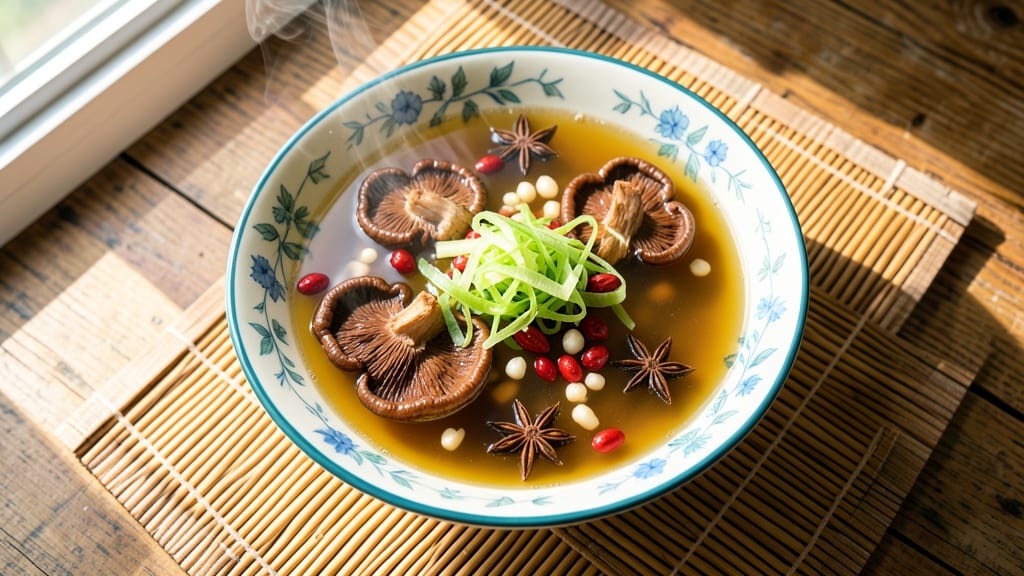
This Chinese vegetable soup recipe transforms simple ingredients into a fragrant, herb-infused bowl of comfort that’s ready in just 20 minutes—no lengthy simmering required.
The secret lies in balancing traditional Chinese aromatics like ginger, goji berries, and star anise with fresh vegetables for a dish that’s both nourishing and deeply satisfying. I developed this version after realizing how often restaurant-style vegetable soups could be lightened without sacrificing depth of flavor.
The beauty of this recipe is its versatility—it’s equally at home as a quick weeknight meal or a comforting remedy for when you’re under the weather. Using a pressure cooker or instant pot cuts prep time dramatically, but a stovetop version still delivers impressive results.
The broth develops a gentle sweetness from the vegetables while the herbs infuse layers of warmth, making every spoonful feel like a hug in a bowl.
What makes this soup truly special is how it adapts to dietary needs. The base recipe is naturally vegan-friendly, but adding a poached egg or shrimp transforms it into a heartier meal. Garnishes like scallions, cilantro, or a drizzle of chili oil let you customize the finish to your taste.
The result is a soup that’s light enough for summer but warming enough for winter—proof that comfort food doesn’t have to be heavy.
Whether you’re serving a family or meal prepping for the week, this soup keeps well in the fridge for up to three days, with flavors deepening as it sits.
The technique is straightforward, but the impact is undeniable—each bowl delivers that perfect balance of herbal brightness and savory richness that defines Chinese home cooking.
Ingredients for chinese vegetable soup
Simple ingredients, bold flavors—this soup delivers restaurant-quality comfort in minutes.
| Ingredient | Amount | Notes |
|---|---|---|
| Vegetable Broth 💧 | 4 cups | Low-sodium preferred, or homemade |
| Fresh Ginger Root 🌿 | 1 ½ tbsp | Finely grated, organic preferred |
| Garlic Cloves 🧄 | 4 cloves | Peeled, minced for infusion |
| Goji Berries 🍇 | 1 tbsp | Dried, rinsed for impurities |
| Star Anise Pods 🌟 | 2 whole | Whole pods for easy removal |
| Dried Shiitake Mushrooms 🍄 | 2 whole | Rehydrated in hot water |
| Carrots 🥕 | 1 cup | Baby carrots or julienned |
| Daikon Radish 🥬 | 1 cup | Julienned or thinly sliced |
| Bok Choy 🥬 | 2 whole | Baby bok choy, halved |
| Green Onions 🧅 | 3 whole | White and green parts separated |
| Fresh Cilantro 🌿 | ¼ cup | Chopped, for garnish |
| Sesame Oil 🫒 | 1 tsp | Toasted, for finishing |
| Toasted Sesame Seeds 🌰 | 1 tsp | For garnish |
| Kosher Salt 🧂 | 1 tsp | Diamond Crystal preferred |
| Black Peppercorns 🌶️ | ½ tsp | Freshly cracked |
The aromatic base is where this soup shines. Goji berries and star anise from Whole Foods or specialty Asian markets add depth without overpowering. For ginger, organic is ideal—the fresher, the better. If using dried shiitake, soak them in hot water for 20 minutes before adding to the broth. Bok choy should be vibrant green with crisp stems—avoid wilted leaves. The daikon radish adds a delicate sweetness, but if unavailable, regular radish or jicama works in a pinch. For the best vegetable broth, Imagine or Pacific Foods brands are consistently flavorful.
No goji berries? Dried cranberries or raisins add a similar sweetness, though the texture differs. Substitute star anise with a pinch of cinnamon and cloves, but expect a slightly different profile. Fresh shiitake mushrooms can replace dried, but reduce the amount by half. The green onions are essential for brightness—use scallions if needed. For a vegan-friendly version, ensure your vegetable broth contains no animal products. If you prefer a heartier soup, add 1 cup cooked quinoa or tofu at the end. The sesame oil should be toasted—heat it gently in a dry pan for 30 seconds to deepen the flavor.
This soup reheats beautifully but tastes best fresh. Store in an airtight container for up to 3 days in the fridge. For meal prep, portion into individual containers and freeze for up to 2 months. The flavors actually improve overnight as the aromatics meld. When reheating, add a splash of water to maintain broth consistency. Garnish with fresh cilantro and sesame seeds just before serving to preserve their freshness. For extra richness, drizzle with a touch of toasted sesame oil before eating.
Why You'll Love This Recipe
- No-Pantry Panic Fix: I swear by this when my fridge is full but the cupboards are bare. The star anise and goji berries add depth without needing fancy ingredients—just broth, ginger, and garlic. Honestly, I’ve made it with whatever veggies were wilted in my crisper drawer.
- Umami Bomb in Minutes: That first sip? Chef’s kiss. The star anise and goji berries simmer into the broth like a slow-cooked secret weapon, while the fresh ginger and garlic hit you with bright, warm layers. It’s the kind of flavor that makes you want to slurp it straight from the pot.
- Lunchbox Hero: Between us, this soup is my go-to for meal prep. The broth stays rich even after reheating, and I pack it in thermoses for work—no soggy lettuce, just hearty, flavorful bites. My coworkers actually ask for seconds now.
- Budget-Friendly Flex: I’ve made this for under $5 a bowl, and it feeds four. The goji berries and star anise stretch the broth’s flavor, so you’re not drowning ingredients in liquid. Plus, the leftovers taste just as good the next day—no sad, watery second helpings here.
Step-by-step instructions for Chinese vegetable soup
Here's how to craft a nourishing, aromatic broth-based dish that balances bold flavors with lightness.
Prepare the Aromatic Base
Combine the 4 cups vegetable broth, 1.5 tablespoons finely grated fresh ginger root, 4 minced garlic cloves, 1 tablespoon rinsed goji berries, 2 whole star anise pods, and 2 rehydrated dried shiitake mushrooms in a medium pot. The mushrooms should have been soaked in hot water for 15 minutes and drained before adding. This infusion creates the soup's foundational depth.
Bring the mixture to a gentle boil over medium-high heat, then immediately reduce to a medium simmer. Let it steep uncovered for 10 minutes, allowing the star anise and ginger to release their essential oils. You'll notice the broth develop a subtle golden hue and a complex aroma—this is your flavor anchor. Skim off any foam that rises to the surface during this time to ensure a clean broth.
Add Root Vegetables and Simmer
Add the 1 cup julienned carrots and 1 cup julienned daikon radish to the simmering broth. Stir gently to distribute the vegetables evenly. The daikon will contribute a delicate sweetness while the carrots add natural color and subtle earthiness. Let the mixture simmer uncovered for 8 minutes, stirring occasionally, until the vegetables soften but retain their shape and slight crunch.
Here's the thing—you want these root vegetables to be tender yet still offer texture. If they soften too quickly, reduce the heat slightly to medium-low and continue cooking. The soup should maintain a gentle rolling simmer rather than a vigorous boil, which prevents the broth from becoming cloudy.
Incorporate Leafy Greens and Season
Add the 2 halved baby bok choy and the white parts of the 3 separated green onions to the pot. Stir gently to combine, allowing the greens to wilt and absorb the flavorful broth. Simmer uncovered for 3-4 minutes until the bok choy leaves become bright green and slightly tender. The white onion portions should soften but remain intact.
Season the soup with 1 teaspoon kosher salt and 0.5 teaspoon freshly cracked black peppercorns. Taste and adjust the seasoning—this is where you fine-tune the balance between the earthy vegetables, the aromatic infusion, and the natural saltiness of the broth. The soup should be seasoned to taste like a comforting hug in a bowl, not overly salty or bland.
Finish with Fresh Herbs and Garnishes
Remove the pot from heat and stir in the green parts of the 3 separated green onions and the 0.25 cup chopped fresh cilantro. These additions brighten the soup with fresh, vibrant notes that contrast beautifully with the deep, earthy flavors of the broth and vegetables. Let the soup sit off the heat for 2 minutes to allow the fresh herbs to infuse.
Drizzle in 1 teaspoon toasted sesame oil and sprinkle 1 teaspoon toasted sesame seeds over the surface. The sesame oil adds a subtle nutty richness, while the toasted seeds contribute a delightful crunch. Stir gently to distribute the sesame oil evenly throughout the soup. The contrast between the smooth broth and the textural garnishes elevates the dish to a restaurant-quality experience.
Serve Immediately for Maximum Comfort
Ladle the soup into bowls and serve immediately. The warmth of the broth, the tender yet crisp vegetables, and the aromatic infusion create a deeply comforting experience. Each spoonful should deliver a harmonious blend of earthy, sweet, and umami flavors with a satisfying mouthfeel.
This soup is designed to be enjoyed fresh, as the textures and temperatures work together to create a truly comforting dish. If you find yourself with leftovers, store them in an airtight container in the refrigerator for up to 3 days and reheat gently on the stove before serving. The flavors will continue to meld and deepen over time, but the textural contrast is best enjoyed immediately.
Pro Tips For Making Chinese Vegetable Soup
- STEAM GINGER FIRST: Toss fresh ginger into the broth before adding garlic—it softens faster and releases more aroma without burning. I learned this the hard way after my first batch tasted like charred licorice.
- MINCE GARLIC FINE: Use a knife, not a press—tiny, even slices dissolve smoothly into the broth instead of clumping. Pressed garlic burns faster and leaves bitter bits.
- TOAST GOJI BERRIES: Dry-toast goji berries in a pan for 30 seconds before adding them—they’ll pop open and release their sweetness instead of sinking to the bottom like raisins.
- SIMMER STAR ANISE LOW: Drop star anise in last and keep the heat at a bare simmer, or it’ll overpower the broth with bitterness. Five minutes is enough—no need to let it steep like tea.
Serving suggestions for this chinese vegetable soup
Bowl Presentation
Serve this soup in wide, shallow bowls to showcase its vibrant colors and aromatic steam. I use 10-inch ceramic bowls from Le Creuset—their neutral tone makes the bright greens and golden broth stand out.
Arrange the bok choy leaves to form a circular base, then ladle the broth and vegetables over them for visual appeal. A sprinkle of toasted sesame seeds down the center adds a decorative touch that guests will notice immediately. 🥣
Garnish Variations
Customize the finish to match your mood or dietary needs. For a spicy kick, drizzle with 1 teaspoon chili oil (like Lao Gan Ma) and scatter crushed red pepper flakes over the top.
If you prefer something milder, add thinly sliced scallions and a drizzle of light soy sauce for umami depth. I often keep a small bowl of extra sesame oil at the table so everyone can adjust their bowl to taste.
Pairing with Rice
Serve alongside steamed jasmine rice or congee to create a complete meal. The rice soaks up the flavorful broth, making every bite more satisfying.
For a protein boost, add poached eggs or shrimp directly to individual bowls—just cook the protein separately and add it to the soup in the last 2 minutes of reheating. The contrast of warm broth and runny egg yolk is pure comfort. 🍚
Dipping Sauces
Offer small bowls of dipping sauces on the side for extra customization. A simple soy-ginger sauce (mix 1 tbsp soy sauce, 1 tsp grated ginger, and 1 tsp honey) enhances the soup’s natural flavors.
For a tangy option, blend ½ cup Greek yogurt with 1 tsp rice vinegar and ½ tsp sesame oil. These sauces let guests tailor their soup experience to their taste. ✨
Family-Style Serving
For gatherings, serve the soup family-style in a large tureen at the center of the table. Use a ladle with a long handle (like OXO Good Grips) to portion out servings, which adds a communal feel.
Keep a small bowl of extra broth nearby so everyone can adjust their soup’s consistency. This approach encourages sharing and keeps the meal interactive—perfect for potlucks or holiday dinners. 👨👩👧👦
Meal Prep Adaptations
If prepping ahead, store the broth and vegetables separately in airtight containers. Reheat the broth first, then add the vegetables and fresh herbs just before serving to preserve their texture. For lunchboxes, portion the soup into thermos containers with a small side of rice.
Add a pack of chili oil packets or sesame seeds on the lid for a portable garnish option. The flavors stay vibrant for up to 3 days when stored properly. 📦
Nutrition facts
Frequently asked questions
Can I make this soup without goji berries?
Goji berries add sweetness and chewiness, but you can substitute 1 tablespoon dried cranberries or raisins for a similar effect. For a completely different flavor profile, try 1 teaspoon dried rose petals (common in Persian cuisine) or ½ teaspoon dried orange peel for citrusy brightness. The key is maintaining the soup's aromatic balance.
How do I adjust the spice level for sensitive eaters?
This recipe is naturally mild, but if you want to reduce any potential heat, skip the black peppercorns entirely and use ½ teaspoon white pepper instead. For extra mildness, replace star anise with 1 cinnamon stick and 1 clove—they provide warmth without spiciness. Always taste the broth before adding vegetables to check the seasoning.
What vegetables can I swap in for seasonal availability?
The daikon radish is the most flexible—substitute with regular radish, jicama, or even zucchini (reduce to ½ cup for zucchini). For carrots, try parsnips or sweet potatoes (add 2 extra minutes of simmering time). Bok choy can be replaced with spinach or Swiss chard, but add them just 1 minute before serving to prevent wilting.
Why did my soup turn cloudy during cooking?
Cloudiness usually happens from either boiling vigorously (which breaks down starches) or adding cold ingredients directly to hot broth. Always bring broth to a gentle simmer (small bubbles) and add vegetables gradually. For extra clarity, strain the broth through a fine-mesh sieve after the initial 10-minute infusion and before adding vegetables.
Can I use this recipe for a large gathering?
Yes! For 8 servings, double all ingredients and use a 6-8 quart pot. For even easier scaling, prepare the aromatic base in batches—infuse 2 cups broth at a time with aromatics, then combine before adding vegetables. Keep the soup warm in a slow cooker on "warm" setting while serving family-style.