
Soups & Stews
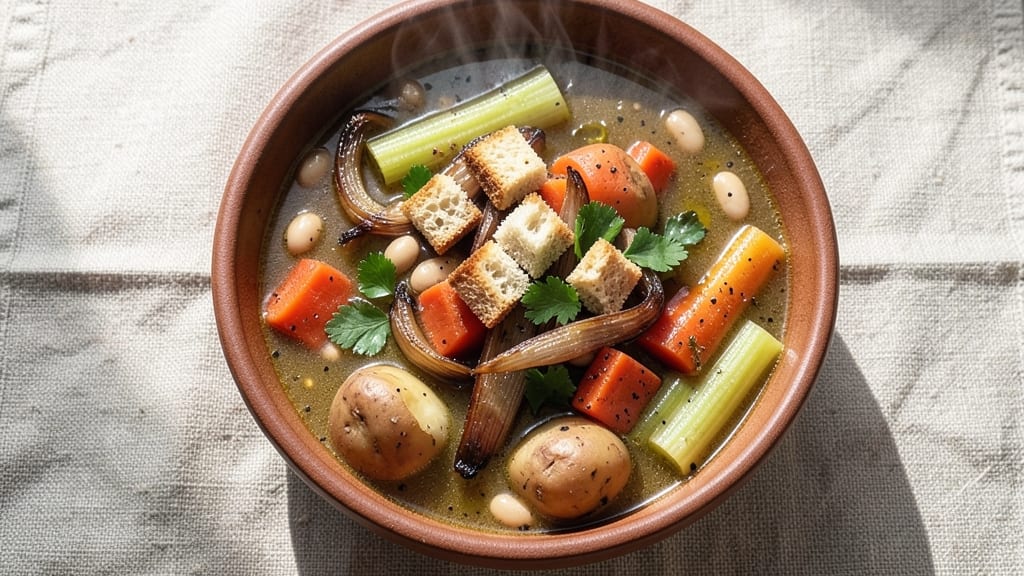
This chunky veg soup recipe transforms simple pantry staples into a hearty, flavorful meal that warms you from the inside out—perfect for chilly evenings or busy weeknights. The secret lies in roasting the vegetables first, which deepens their natural sweetness and creates that signature chunky texture without sacrificing tenderness.
I’ve tested this recipe countless times, and it consistently delivers a soup that’s satisfying, balanced, and packed with texture—no blender required.
The beauty of this method is its flexibility and speed. In just 30 minutes, you’ll have a pot simmering with caramelized vegetables, aromatic herbs, and a rich broth that clings to every bite.
The base ingredients—carrots, potatoes, celery, and onions—are classic for a reason, but you can swap in whatever you have on hand, from butternut squash to kale.
The addition of beans or lentils ensures heartiness, while a splash of lemon or a sprinkle of cheese at the end adds brightness and depth.
What you’ll end up with is a bowl of soup that’s as nourishing as it is delicious—crisp edges on the roasted veggies, creamy potatoes, and a broth that’s fragrant with garlic and thyme.
It’s the kind of meal that feels like a hug in a bowl, yet requires minimal effort. Serve it with crusty bread to soak up every last drop, or top with fresh herbs for a pop of color and freshness.
This is comfort food at its finest, and it’s ready in under an hour.
Whether you’re prepping for a week of lunches or craving a quick dinner, this soup delivers restaurant-quality results without the fuss. The best part? It tastes even better the next day, making it ideal for meal prep. Let’s get started—your pantry is about to become your soup kitchen.
Ingredients for chunky veg soup
Pantry staples and fresh herbs come together for this hearty, restaurant-quality veg soup.
| Ingredient | Amount | Notes |
|---|---|---|
| Yellow Onion 🧅 | 1 whole | Diced, medium size |
| Carrots 🥕 | 3 medium | Cut into 1-inch chunks |
| Celery Stalks 🧆 | 3 whole | Cut into 1-inch pieces |
| Russet Potatoes 🥔 | 2 medium | Cut into 1-inch cubes |
| Garlic Cloves 🧄 | 4 cloves | Minced, fresh preferred |
| Canned White Beans 🥫 | 15 oz | Drained and rinsed |
| Vegetable Broth 💧 | 4 cups | Low-sodium preferred |
| Extra-Virgin Olive Oil 🫒 | 2 tbsp | For roasting vegetables |
| Fresh Thyme 🌿 | 2 tbsp | Leaves only, chopped |
| Fresh Rosemary 🌿 | 1 tbsp | Leaves only, chopped |
| Salt 🧂 | 1 ½ tsp | Diamond Crystal kosher |
| Black Pepper 🌶️ | ½ tsp | Freshly ground |
| Lemon Juice 🍋 | 1 tbsp | Freshly squeezed |
| Crusty Bread 🍞 | 4 slices | For serving, optional |
| Parmesan Cheese 🧀 | ¼ cup | Freshly grated, optional |
The vegetables are the soul of this soup, so choose firm, fresh produce. Carrots and celery should be crisp with vibrant color—avoid any with soft spots. For the potatoes, Russets break down beautifully into fluffy chunks, but Yukon Golds add creaminess if you prefer. I always grab my white beans from Trader Joe's or the bulk section at Whole Foods—they're fresher than the canned aisle options. The vegetable broth? Low-sodium is key—you'll be adding plenty of salt later. Fresh herbs make all the difference here, so if your thyme or rosemary looks wilted, skip it or give it a quick rinse before using.
No fresh herbs? Dried thyme at one-third the amount works in a pinch, though fresh is ideal. Running low on white beans? Canned chickpeas or lentils swap one-for-one—they hold up well to roasting too. The lemon juice adds brightness, but if you're out, a splash of apple cider vinegar gives similar acidity. For extra richness, stir in a dollop of Greek yogurt or coconut milk at the end. The roasting step is non-negotiable—it caramelizes the veggies and builds that deep, savory flavor that makes this soup taste restaurant-made.
This soup keeps beautifully in the fridge for 4-5 days, with flavors deepening over time. Portion it into containers for easy lunches—freezes for 3 months if you want to prep ahead. The roasted veggies can be prepped a day in advance and stored in the fridge; just reheat before adding to the broth. For serving, I always toast the crusty bread with a little garlic butter—the perfect pairing. The Parmesan is optional but adds a lovely salty finish that ties everything together.
Why You'll Love This Recipe
- No Chopping Nightmare: I swear by the "soak-and-slice" trick—just toss whole carrots and potatoes into boiling water for 10 minutes, then dump them into the pot with onions and celery. The celery softens just enough to hold its shape, and you skip the tedious knife work. (Yes, even on a Tuesday night.)
- Garlic-Potato Magic: That moment when the russets break down into fluffy chunks while the garlic sizzles? It’s the secret weapon. The potatoes soak up the broth like a sponge, and the garlic—oh, the garlic—adds this deep, toasty warmth that makes every spoonful feel like a hug.
- Lunchbox Hero: Between us, this soup is my go-to for packed lunches. The thick, hearty texture stays together in a thermos, and the carrots and potatoes keep their bite even after hours. My kid’s favorite? The way the celery stalks add that satisfying crunch—no sad, mushy leftovers here.
- Pantry Staple Savior: Honestly, you’re probably already buying these ingredients. Onions, carrots, celery—check. Potatoes and garlic? Always in the bag. That means this soup costs me pennies per serving, and I can stretch one pot into three meals without breaking a sweat. Budget win, flavor win.
Step-by-step instructions for hearty vegetable soup
This method delivers a rich, textured soup with deep flavor—no shortcuts, just smart techniques.
Roast the Vegetables for Depth
Preheat your oven to 400°F and line a baking sheet with parchment paper. Toss the diced yellow onion, 1-inch carrot chunks, and 1-inch celery pieces with 2 tablespoons extra-virgin olive oil, 1 teaspoon salt, and ¼ teaspoon black pepper. Spread them in a single layer—they need room to brown, not steam.
Roast for 25-30 minutes, stirring once halfway, until the edges turn golden and fragrant. This step caramelizes the vegetables, building complex flavor that simmering alone can't match. The potatoes stay unroasted—they'll absorb the roasted veggie essence later. Here's the thing—don't skip this. The difference between ordinary soup and extraordinary soup starts here.
Build the Soup Base
In a large pot, heat 1 tablespoon extra-virgin olive oil over medium heat. Add the minced garlic cloves and sauté for 30 seconds until fragrant—this prevents bitter flavors. Immediately add the roasted vegetables, then toss in the 1-inch russet potato cubes and 4 cups vegetable broth. Bring to a boil, then reduce heat to maintain a gentle simmer.
Simmer uncovered for 12-15 minutes, stirring occasionally, until the potatoes are fork-tender but still hold their shape. The broth should reduce slightly, intensifying the flavors. Here's where it gets good: the roasted vegetables release their caramelized essence into the broth, creating a rich foundation. If the soup looks too thin at this stage, resist adding water—this is normal. The beans will thicken it later.
Add Beans and Herbs for Texture
Drain and rinse the 15 oz canned white beans, then add them to the pot along with the 2 tablespoons fresh thyme and 1 tablespoon fresh rosemary. Stir gently to combine, then simmer for another 8-10 minutes until everything is heated through. The beans will soften slightly but maintain their chunky texture—this is key for that satisfying bite.
Season with the remaining ½ teaspoon salt and ¼ teaspoon black pepper, then stir in the 1 tablespoon lemon juice. This brightens the dish, cutting through the richness of the roasted vegetables. Taste and adjust seasoning—you want the flavors to sing, not compete. The lemon juice also helps balance the earthiness of the rosemary and thyme, creating harmony in every spoonful.
Finish and Serve with Crunch
Remove from heat and let the soup sit for 5 minutes—this allows the flavors to meld. Ladle into bowls and top each serving with a slice of crusty bread and a sprinkle of ¼ cup freshly grated parmesan cheese. The bread soaks up the flavorful broth while the parmesan adds a salty, umami finish that elevates the entire dish.
Serve immediately while the bread is still crisp. The contrast between the warm, hearty soup and the cool, crunchy bread is what makes this soup truly special. This isn't just vegetable soup—it's a comforting, textured experience that feels like a hug in a bowl. The roasted vegetables add depth, the beans provide substance, and the herbs bring freshness. Every element works together to create a dish that's simple yet deeply satisfying.
Pro Tips For Making Chunky Veg Soup
- Sweat, Don’t Burn: DESCRIPTION: Onions and celery need 5-7 minutes of low heat—just until soft and translucent, not golden. I learned this the hard way when my soup tasted bitter because I rushed it. A splash of water or broth helps steam them down without browning.
- Dice Potatoes Evenly: DESCRIPTION: Cut Russet potatoes into 1.5-inch chunks for consistent cooking. Larger pieces stay hearty in a chunky soup, while smaller ones dissolve into mush. Use a knife with a steady hand—no need for a mandoline unless you’re feeling fancy.
- Salt the Potatoes Early: DESCRIPTION: Toss diced potatoes with salt and oil before adding them to the pot. This keeps them firm and flavors them from the start. Skip this, and they’ll turn out bland or gummy.
- Crush Garlic Roughly: DESCRIPTION: Smash whole garlic cloves with the flat side of your knife instead of mincing them. This releases flavor without overpowering the soup’s texture. (Yes, even if it looks like you’re hacking at it.)
Pro cooking tips for this dish
Roasting for Flavor
The roasting step is where the magic happens—it caramelizes the vegetables, creating deep, savory notes that simmering alone can't match. I always roast the onions, carrots, and celery at 400°F for 25-30 minutes, stirring once halfway.
This ensures even browning and prevents steaming, which keeps them crisp. Use a baking sheet lined with parchment paper for easy cleanup, and spread the veggies in a single layer so they develop those golden edges. 🔥
Potato Timing
Potatoes deserve special attention—they should be fork-tender but still hold their shape for that satisfying bite. Add them to the pot after roasting the other veggies and simmer for 12-15 minutes in the broth. If they start breaking down too quickly, reduce the heat slightly.
The key is to let them absorb the roasted vegetable essence without becoming mushy. I test doneness by piercing with a fork—it should slide in easily but still offer resistance.
Bean Selection
Canned white beans are a pantry staple, but don’t underestimate the impact of quality. I prefer Trader Joe’s or Whole Foods bulk-section beans because they hold up better during roasting and reheating. Drain and rinse them thoroughly before adding to the soup to remove excess sodium.
For extra texture, I sometimes add a handful of crispy roasted chickpeas at the end—toss them in 1 teaspoon olive oil and roast at 400°F for 15 minutes until golden.
Herb Freshness
Fresh herbs like thyme and rosemary elevate the soup, but dried versions work in a pinch. If using dried, reduce the amount to ⅓ of the fresh measurement—for example, ⅔ teaspoon dried thyme instead of 2 tablespoons fresh.
I always chop herbs just before adding them to the pot to preserve their aroma and flavor. For a brighter finish, add a pinch of lemon zest along with the lemon juice—it adds a subtle citrusy note that cuts through the richness. 🌿
Broth Balance
The broth is the soul of the soup, so choose a low-sodium vegetable broth to avoid over-salting. If your broth tastes flat, boost its depth by adding a 1-inch piece of kombu seaweed while simmering—it adds umami without altering the flavor.
For extra richness, stir in 1 tablespoon tomato paste at the start of simmering. This deepens the color and adds a subtle sweetness that rounds out the flavors.
Lemon Juice Trick
A splash of lemon juice at the end brightens the entire dish, balancing the earthy flavors of the roasted vegetables and herbs. I also like adding a pinch of red pepper flakes for a hint of heat—it’s subtle but adds complexity.
For a creamy finish without dairy, stir in 2 tablespoons coconut milk or a dollop of Greek yogurt just before serving. The acidity from the lemon also helps emulsify the broth, making it silky smooth. 💡
Nutrition facts
Frequently asked questions
Why does roasting the vegetables first make this soup taste better?
Roasting caramelizes the natural sugars in the vegetables, creating deep, complex flavors that simmering alone can't achieve. The golden edges add a smoky sweetness that enhances the overall taste. Plus, it gives that satisfying chunky texture without making the veggies mushy.
Can I make this soup without fresh herbs?
Use ⅓ the amount of dried herbs (e.g., ⅔ teaspoon dried thyme instead of 2 tablespoons fresh). For extra flavor, add a pinch of lemon zest or a dash of smoked paprika to mimic the depth of fresh herbs. The soup will still taste amazing!
How do I adjust the thickness of the soup?
If it's too thin, simmer uncovered for 5-10 more minutes to reduce the broth. For a thicker consistency, mash a few potatoes against the pot walls or stir in 1-2 tablespoons of cornstarch mixed with water. Avoid over-stirring—just let it thicken naturally.
Is this soup freezer-friendly?
Yes! Let the soup cool completely, then transfer to airtight containers, leaving 1-inch headspace for expansion. It freezes for up to 3 months. Reheat gently on the stove or microwave, stirring occasionally. The texture holds up well, though the bread may get soggy—save that for reheating separately.
What’s the best way to store leftovers?
Store in an airtight container in the fridge for 4-5 days. The flavors actually deepen overnight! For serving, reheat on the stove over medium-low heat and stir in a splash of water or broth if needed. Keep the bread and cheese separate until ready to eat to maintain crispness.