
Soups & Stews
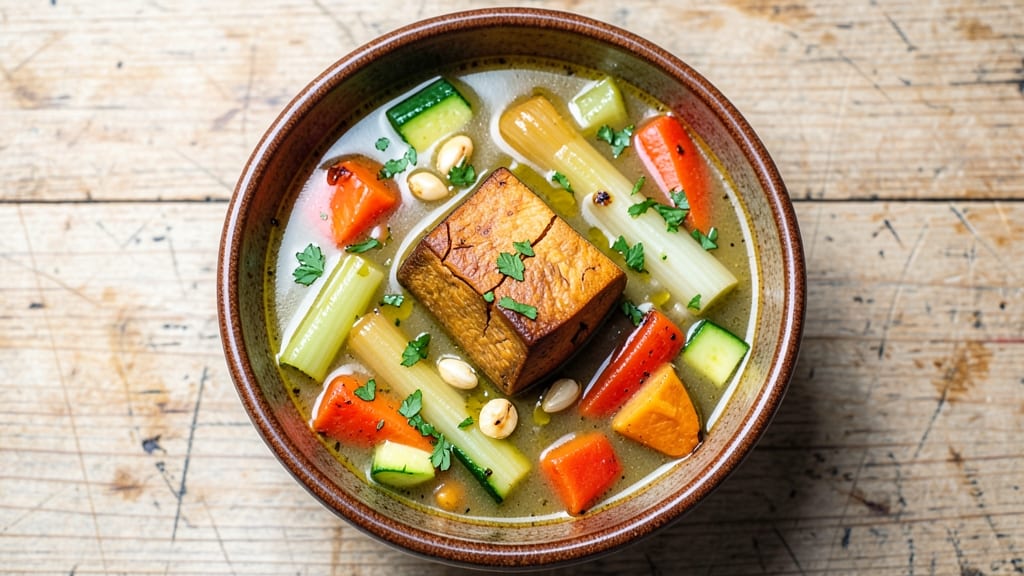
This chunky vegetable soup recipe delivers the perfect balance of hearty texture and bright, fresh flavors—every spoonful packed with roasted vegetables and aromatic herbs. The secret lies in roasting the vegetables first, which deepens their natural sweetness and creates that satisfying crunch that sets this soup apart from creamy versions.
I developed this recipe during a particularly chilly autumn when I wanted something substantial yet light enough to enjoy throughout the day.
The beauty of this soup is its adaptability—whether you're vegetarian, vegan, or simply looking to use up what's in your pantry, the core technique remains the same. Roasting the vegetables caramelizes their edges, adding depth without needing extra fat, while simmering them in broth brings out their natural sweetness.
The herbs, added at the end, infuse the soup with freshness that brightens every bite, making it a perfect comfort dish for any season.
What you'll end up with is a hearty soup that's rich in flavor but light enough to enjoy for lunch or dinner. The vegetables retain their texture, offering that satisfying bite, while the broth remains aromatic and well-balanced.
This recipe is designed to be foolproof—no fancy techniques required, just simple steps that yield professional results every time. The best part? It tastes even better the next day, making it ideal for meal prep.
Serve it as-is for a clean, fresh bowl, or top with a sprinkle of cheese, a drizzle of olive oil, or a swirl of yogurt for added richness.
The possibilities are endless, but the foundation remains the same: a chunky, flavorful soup that feels like a warm hug in a bowl. Let's get started!
Ingredients for chunky vegetable soup
Roasted veggies, aromatic herbs, and a rich broth create this hearty, textured soup masterpiece.
| Ingredient | Amount | Notes |
|---|---|---|
| Yellow Onion 🧅 | 1 whole | Diced into small pieces |
| Carrots 🥕 | 2 cups | Medium-sized, chopped into bite-sized pieces |
| Celery Stalks 🥬 | 3 whole | Chopped into 1/2-inch pieces |
| Garlic Cloves 🧄 | 4 cloves | Minced for depth of flavor |
| Sweet Potato 🍠 | 1 lb | Cubed into 1-inch pieces |
| Zucchini 🍆 | 2 medium | Chopped into 1/2-inch slices |
| Russet Potatoes 🥔 | 1 lb | Cubed into 1-inch pieces |
| Vegetable Broth 💧 | 4 cups | Low-sodium preferred |
| Extra-Virgin Olive Oil 🫒 | ½ cup | For roasting vegetables |
| Fresh Thyme 🌿 | ¼ cup | Leaves only, finely chopped |
| Fresh Parsley 🌿 | ¼ cup | Chopped for garnish |
| Salt 🧂 | 1 ½ tsp | Diamond Crystal kosher salt |
| Black Pepper 🌶️ | ½ tsp | Freshly ground |
| Dried Bay Leaves 🌿 | 2 whole | For aromatic depth |
| Vegetarian Chicken-Free Bouillon Cube 💧 | 1 whole | Dissolved in broth |
The vegetables are the stars here—roasting them first brings out their natural sweetness and adds that satisfying crunch. Sweet potatoes and russet potatoes give the soup its hearty texture, while zucchini and carrots add freshness. For the best flavor, grab organic produce from Trader Joe's or your local farmers market—they hold up better during roasting. The extra-virgin olive oil should be fruity and peppery; California Gold or Otto are my go-tos. Don’t skip the bouillon cube—it adds that extra umami punch without any meaty aftertaste.
No sweet potatoes? Butternut squash works beautifully—just roast it until tender. Short on thyme? Fresh rosemary at half the amount gives a different but equally aromatic twist. The vegetable broth is non-negotiable here—low-sodium versions like Pacific Foods keep the flavors balanced. For a vegan version, swap the bouillon cube for vegan vegetable bouillon. The zucchini and carrots can be swapped for cauliflower or bell peppers if you're feeling adventurous, but keep the total volume consistent to maintain the soup’s heartiness.
This soup tastes even better the next day—let it sit overnight, and the flavors meld into something truly magical. Store in an airtight container in the fridge for up to 5 days. For meal prep, portion it into containers with a layer of broth on top to keep the veggies from drying out. Freezes beautifully for up to 3 months, though the texture might soften slightly. Garnish with fresh parsley and a drizzle of olive oil right before serving to keep everything vibrant.
Why You'll Love This Recipe
- No Chopping Chaos: I swear by this recipe because you can literally throw in pre-chopped veggies from the grocery store—no knife skills required. That sweet potato? Just cube it roughly; the slow simmer makes it melt-in-your-mouth tender without fuss.
- Sweet & Savory Balance: The caramelized onions and roasted garlic take center stage, while the sweet potato adds natural sweetness that makes every spoonful feel like a hug. Honestly, the first time I made this, I forgot to add salt—it was already that good.
- Meal Prep MVP: This soup only gets better as it sits, so I make a big batch on Sundays and freeze half. Reheating is a breeze—just add a splash of water and simmer—and it’s ready for lazy nights or when unexpected guests drop by.
- Budget-Friendly Staples: Using basic veggies like celery, carrots, and onions keeps costs low, but the flavor? Ridiculously rich. Between us, this is my go-to when grocery money’s tight—it fills everyone up without breaking the bank.
Step-by-step instructions for creating a rich vegetable stew
This method transforms simple vegetables into an incredibly flavorful, hearty stew with perfect texture contrast.
Roast Vegetables for Deep Flavor
Preheat your oven to 425°F and line two large baking sheets with parchment paper. Spread the cubed sweet potatoes and russet potatoes evenly on one sheet, and the chopped carrots, celery stalks, and zucchini on the other. Drizzle each sheet with ¼ cup of the extra-virgin olive oil and toss to coat thoroughly.
Season both sheets generously with ½ teaspoon of salt and ¼ teaspoon of black pepper. Roast for 25-30 minutes, stirring once halfway through, until the edges are golden brown and the vegetables begin to soften slightly. This roasting step develops an incredible caramelized depth that transforms ordinary vegetables into extraordinary building blocks for your soup.
Here's the thing—don't skip this step. The Maillard reaction happening in your oven creates complex flavors that simmering alone simply can't match. You'll notice the kitchen fills with an amazing aroma as the vegetables caramelize, and that's exactly what you want.
Sauté the Aromatic Base
While the vegetables roast, heat ¼ cup of the extra-virgin olive oil in a large Dutch oven over medium heat. Add the diced yellow onion and cook for 5-6 minutes until softened and translucent, stirring occasionally. This slow cooking allows the onion to release its natural sugars without burning.
Add the minced garlic cloves and cook for 30 seconds until fragrant—you should smell that wonderful garlic aroma immediately. Here's where it gets fun: add the 2 whole dried bay leaves and the 1 whole vegetarian chicken-free bouillon cube, crushing it lightly with the back of a spoon to release its flavor. Stir for 1 minute to toast the spices gently, which enhances their aromatic qualities.
This aromatic base forms the flavor foundation of your soup. The bay leaves add earthy depth while the bouillon cube provides that umami richness that makes vegetable soups so satisfying. Don't rush this step—properly developed aromatics make all the difference in the final product.
Build the Soup Foundation
Add the roasted vegetables to the Dutch oven along with the 4 cups vegetable broth. Bring to a gentle boil, then reduce heat to medium-low and let it simmer uncovered for 15 minutes. This initial simmer allows the vegetables to release their flavors into the broth while preventing the soup from becoming too thick too quickly.
Here's the critical part: taste the broth and adjust seasoning. You'll likely need to add the remaining 1 teaspoon salt and ¼ teaspoon black pepper at this stage. Remember, you can always add more salt later, but you can't take it out. The soup should be seasoned to taste now—this is your baseline flavor that will develop further as it simmers.
While the soup simmers, prepare the fresh herbs. Finely chop the ¼ cup fresh thyme leaves and ¼ cup fresh parsley. These herbs will add brightness and freshness to balance the rich roasted flavors. Keep them separate until the very end to preserve their vibrant color and aroma.
Finish with Herb Harmony
Once the soup has simmered for 15 minutes, stir in the chopped fresh thyme and parsley. Simmer uncovered for an additional 10 minutes to allow the flavors to meld together. The soup should now have a beautiful balance of caramelized vegetable flavors, aromatic base, and fresh herb brightness.
Taste again and make any final adjustments to seasoning. The texture should be hearty but not too thick—you want to be able to spoon the soup easily while still having those wonderful vegetable chunks in every bite. If it's too thick, you can add a little water or more broth to reach your preferred consistency.
This is the moment that matters: the perfect harmony of roasted vegetables, aromatic base, and fresh herbs. The contrast between the tender vegetables and the bright herbs creates a truly satisfying soup that's both comforting and exciting. Serve immediately while the herbs are still vibrant and the flavors are at their peak.
Pro Tips For Making Chunky Vegetable Soup
- CHOP ONIONS SMALLER THAN YOU THINK: I learned this the hard way—big onion chunks turn into a mushy, indistinct sludge in soup. Cut them into ¼-inch dice instead of rough chunks; they’ll soften but stay recognizable. Same goes for celery: thin slices disappear faster than you’d expect.
- SWEAT THE AROMATICS FIRST: Don’t rush the onion, garlic, and celery—cook them in 2 tablespoons of oil over medium heat until the onion is translucent and the celery starts to soften (about 8-10 minutes). This builds flavor; skipping it makes the soup taste flat, like you forgot to season.
- DON’T OVERCOOK THE SWEET POTATO: Sweet potatoes turn to mush fast once they hit boiling water. Cut them into ½-inch cubes, add them with the carrots and celery, and pull them out when tender but still holding shape (about 10 minutes). Overcooking them turns your soup into a thick purée.
- USE A LITTLE ACID TO BALANCE: A splash of apple cider vinegar (1 tablespoon) or a pinch of lemon zest at the end brightens the sweetness of the sweet potato and carrots. Sounds weird, but it works—especially if you’re using mostly starchy veggies. Taste before serving; you’ll notice the difference.
Make-ahead tips for leftovers
Prep Ahead Strategy
Roast all your vegetables the night before and store them in an airtight container in the fridge. The flavors intensify overnight, giving you a head start on cooking day. I like to keep them in a single container with a splash of olive oil to maintain moisture.
This cuts your active cooking time to just 20 minutes on the day you serve it. 💡
Freezer-Friendly Base
Make a double batch and freeze half for up to 3 months. Portion the soup into quart-sized freezer bags or airtight containers, leaving 1-inch headspace for expansion. Thaw overnight in the fridge before reheating—this prevents the vegetables from becoming mushy.
I always add an extra ¼ cup broth before freezing to compensate for any moisture loss.
Herb Prep Shortcut
Chop all your fresh herbs (thyme and parsley) ahead of time and store them in a small glass jar with 1 teaspoon olive oil to preserve their color and flavor. Keep this jar refrigerated for up to 3 days.
When you're ready to cook, just shake the jar to mix the herbs and add them directly to the soup. This saves you 10 minutes of prep time during the cooking process.
Broth Prep Tip
Prepare your vegetable broth in advance and store it in 1-cup portions in ice cube trays. Once frozen, transfer the broth cubes to a freezer bag for easy access. When you're ready to cook, simply add 4 cubes to your pot instead of measuring out 4 cups of liquid.
This method keeps your broth fresh for up to 6 months and makes measuring a breeze. 🧊
Slow Cooker Option
For a truly hands-off approach, roast your vegetables as directed, then transfer them to a 6-quart slow cooker along with the sautéed onion, garlic, and broth. Cook on low heat for 6-8 hours, then stir in the fresh herbs during the final 30 minutes of cooking.
This method is perfect for busy days when you want to come home to a fully cooked, flavorful soup.
Garnish Prep
Set up a garnish station the night before by measuring out ¼ cup chopped parsley and 1 tablespoon olive oil in small bowls. Keep this station ready on your counter so you can quickly drizzle and garnish bowls as you serve.
I also like to have crusty bread and shaved Parmesan pre-portioned for easy serving. This makes assembly feel like a breeze when guests arrive. ✨
Nutrition facts
Frequently asked questions
Why does roasting the vegetables first make this soup taste better?
The roasting step creates the Maillard reaction, which caramelizes the vegetables' edges and develops deep, complex flavors that simmering alone can't match. This gives your soup that satisfying chunky texture and rich, caramelized taste that makes every bite more flavorful. Plus, it removes excess moisture so your broth stays balanced.
Can I make this soup in a slow cooker instead of a Dutch oven?
Roast your vegetables as directed, then transfer them to a 6-quart slow cooker with your sautéed onion, garlic, and broth. Cook on low for 6-8 hours, then stir in fresh herbs during the final 30 minutes. This hands-off method works perfectly for busy days while keeping all that delicious texture intact.
How do I prevent the soup from getting too watery after reheating?
When reheating, cover the pot and simmer on low heat instead of high. If it's still too thin, remove the lid and simmer uncovered for 5-10 minutes to reduce. For extra insurance, stir in 1 tablespoon cornstarch mixed with 2 tablespoons water and simmer for 2 minutes—this thickens without changing the texture.
What's the best way to store leftovers to keep the vegetables from getting mushy?
Store in an airtight container with a layer of broth on top of the vegetables to maintain moisture. Refrigerate for up to 5 days or freeze for 3 months. When reheating, warm gently on the stove with the lid slightly ajar to preserve texture. Never microwave directly from frozen—thaw overnight first.
Can I substitute any of the vegetables in this recipe?
Yes! Swap sweet potatoes for butternut squash or parsnips, and zucchini for bell peppers or green beans. Keep the total volume consistent to maintain the soup's heartiness. For extra richness, add ½ cup cooked lentils or white beans—just simmer them with the broth. The key is balancing textures between tender and slightly firm vegetables.