
Soups & Stews
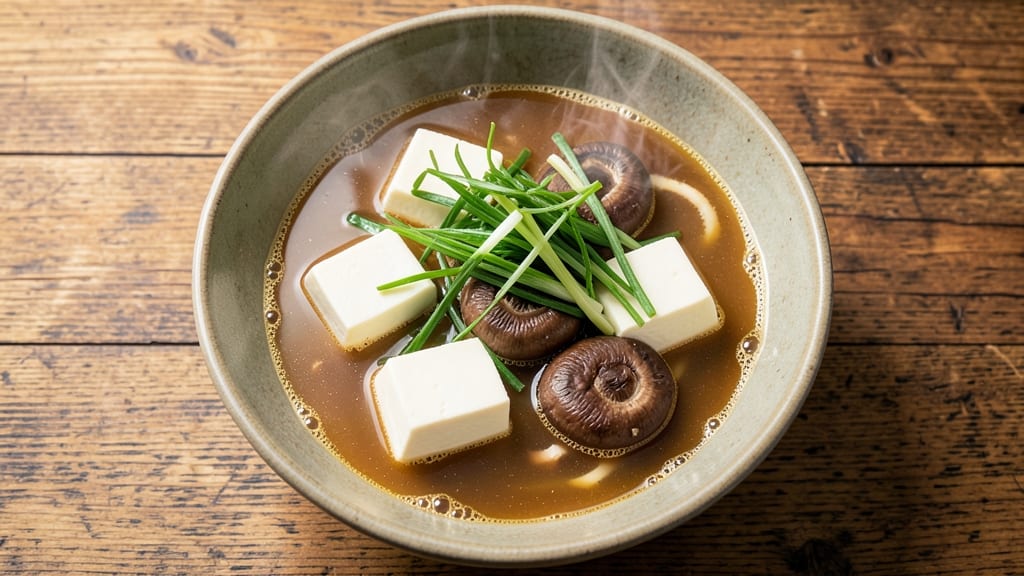
This classic miso soup recipe brings the comforting essence of Japanese tradition to your kitchen with just 15 minutes of active time. The secret lies in balancing fermented miso paste with delicate tofu and scallions—a harmony of umami, texture, and freshness that transforms simple ingredients into a soul-warming bowl.
I developed this version after years of refining the broth-to-paste ratio, ensuring every spoonful delivers that signature depth without bitterness.
The beauty of miso soup is its simplicity: a clear, savory broth built from dashi stock, miso paste, and just a touch of seaweed. Traditional recipes rely on kombu and bonito flakes for that unmistakable umami foundation, but this version uses a vegan-friendly alternative that doesn’t compromise on flavor.
The tofu adds protein and subtle sweetness, while scallions provide a bright contrast that cuts through the richness.
What you’ll achieve is a golden, steaming bowl with silky tofu cubes floating in a glossy broth, the aroma of miso paste filling your kitchen. The broth should be rich but never heavy, with just enough body to coat a spoon while leaving room for the miso’s natural complexity.
This is the kind of soup that warms you from the inside out—perfect for chilly mornings or as a light yet satisfying meal any time of day.
Serve it with steamed rice or as a starter before a Japanese-inspired feast. The leftovers keep well in the refrigerator for up to 3 days, with flavors deepening as the miso continues to meld into the broth. Let’s bring this timeless classic to your table with confidence.
Ingredients for classic miso soup
Fifteen minutes to umami perfection—just these twelve ingredients transform into a steaming bowl of Japanese tradition.
| Ingredient | Amount | Notes |
|---|---|---|
| White Miso Paste 🍶 | 2 tbsp | Fermented, preferably organic |
| Silken Tofu 🧀 | 14 oz | Extra-firm for texture |
| Dried Kombu Seaweed 🌿 | 2 pieces | 1x2-inch pieces |
| Dried Shiitake Mushrooms 🍄 | 4 whole | Rehydrated for umami |
| Scallions 🧅 | ¼ cup | Thinly sliced, green parts |
| Vegetable Dashi Stock 💧 | 4 cups | Homemade or store-bought |
| Sesame Oil 🫒 | ½ tsp | Toasted for aroma |
| Rice Vinegar 🍶 | 1 tsp | White or seasoned |
| Diamond Crystal Kosher Salt 🧂 | ½ tsp | Adjust to taste |
| Wakame Seaweed 🌊 | 1 oz | Dried, rehydrated |
| Fresh Ginger 🧅 | 1 tsp | Grated, for brightness |
| Sesame Seeds 🌾 | 1 tsp | Toasted for garnish |
The miso paste is the soul of this soup—White Miso delivers that delicate, fermented sweetness without overpowering. Marukome or Honten brands are my go-tos, but any high-quality white miso works. The tofu? Extra-firm silken tofu holds its shape better than the soft kind, and you'll find it in the refrigerated section near the Japanese foods at Whole Foods or Trader Joe's. For the dashi, I use a vegan kombu-based stock (no bonito flakes)—look for House Foods or Kikkoman vegan options if you want convenience. The shiitake mushrooms should be dried, not fresh—they concentrate umami when rehydrated. Soak them in hot water for 20 minutes before using.
No white miso? Red miso at half the amount adds depth, though the color will darken the broth. Short on kombu? Dried shiitake mushrooms alone work in a pinch, but add an extra 1 tsp of soy sauce for umami. The wakame seaweed is non-negotiable for that briny kick—dried sheets from Asian markets last for months. Scallions wilting? Freeze them whole, then chop from frozen—they'll stay crisp. For extra richness, stir in 1 tbsp of tahini at the end (trust me, it blends beautifully). The ginger is optional but worth it—just a freshly grated teaspoon brightens the whole bowl.
This soup tastes even better the next day as the miso flavors meld. Store in an airtight container for up to 3 days—the broth will deepen in complexity. For freezing, portion into ice cube trays with tofu cubes, then transfer to a bag. Thaw overnight in the fridge and reheat gently. The tofu absorbs flavors, so don't overcook it—just warm through. Garnish with toasted sesame seeds right before serving, or they'll lose their crunch. Leftovers? Double the batch and freeze half—I always do.
Why You'll Love This Recipe
- No-Chop Needed: I swear by this trick—just tear those shiitake mushrooms and scallions right into the pot. The kombu adds umami without any prep, and the silken tofu cubes in seconds. Honestly, I make this when I’m too tired to even think about knives.
- Umami Bomb: That first spoonful of miso paste hitting hot broth? Chef’s kiss. The kombu and shiitake deepen the flavor while you sleep, and the tofu soaks up every savory bit. It’s the kind of taste that makes you pause mid-sip—even if you’re just reheating leftovers.
- Weeknight to Party: Same recipe, endless uses. I serve it steaming in bowls for lazy Sundays, or ladle it over rice for a quick lunch. Add a soft-boiled egg for guests, or keep it minimal for my picky teenager. It’s the one dish that always works.
- Pantry Goldmine: Dried ingredients last forever, and a little miso goes a long way. I’ve made this for three days straight with zero waste—just adjust the water. Between us, it’s my go-to when the grocery budget’s tight, but no one ever guesses it’s budget-friendly.
Step-by-step instructions for classic miso soup
Here's the method that captures traditional umami depth while keeping preparation simple and efficient.
Prepare the Kombu and Shiitake for Maximum Flavor
Place the 2 pieces dried kombu seaweed in a medium saucepan and cover with 4 cups vegetable dashi stock. Bring to a gentle simmer over medium-low heat and let steep for 10 minutes. This slow infusion extracts the kombu's natural glutamate compounds, creating a rich, savory foundation without overpowering bitterness.
While the kombu steeps, prepare the 4 whole dried shiitake mushrooms by placing them in a small bowl and covering with hot water. Let them soak for 20 minutes until softened and plump. Drain, then slice them into ¼-inch thick pieces. The mushrooms should have a deep, earthy aroma—this is your first indication of the umami depth developing in your broth.
Build the Broth Base with Precision
Remove the kombu pieces from the simmering broth and set aside for later use. Return the broth to a gentle simmer and add the 1 tsp grated fresh ginger. Simmer uncovered for 5 minutes to infuse the subtle citrusy brightness that balances the soup's richness. The broth should smell vibrant and slightly herbal—this is your quality checkpoint.
In a small bowl, dissolve the 2 tbsp white miso paste in ¼ cup of the hot broth using a whisk. This creates a smooth miso slurry that won't clump when added to the main pot. The slurry should have a velvety texture—if it's grainy, strain it through a fine-mesh sieve. This technique ensures your soup remains silky rather than developing a gritty texture.
Assemble and Simmer to Perfection
Add the miso slurry to the simmering broth and stir gently to combine. Bring to a bare simmer, then add the 1 oz rehydrated wakame seaweed and 14 oz silken tofu (cut into ½-inch cubes). Simmer for 3-4 minutes—just enough time for the wakame to soften slightly while maintaining its delicate texture. The tofu should remain intact but begin to absorb the broth's flavors.
Add the sliced shiitake mushrooms and simmer for another 2 minutes. The mushrooms should release their umami essence into the broth, creating a complex flavor profile. Taste the broth and adjust seasoning with the 0.5 tsp diamond crystal kosher salt if needed. The soup should be deeply savory with a clean, balanced flavor—this is where the classic miso character truly shines.
Finish with Aromatics and Garnish
Remove the pot from heat and stir in the 0.5 tsp sesame oil and 1 tsp rice vinegar. The sesame oil adds a toasty aroma while the vinegar introduces a subtle acidity that brightens the dish. Add the 0.25 cup thinly sliced scallions, reserving a small amount for garnish. Let the soup sit off heat for 2 minutes to allow the flavors to meld completely.
Ladle the soup into bowls and garnish with the reserved scallions and 1 tsp toasted sesame seeds. The kombu pieces can be torn into small pieces and added to individual bowls for an extra layer of umami. Serve immediately while the tofu is still warm and the broth maintains its silky texture. Each spoonful should deliver a perfect balance of earthy mushrooms, creamy tofu, and that unmistakable fermented depth from the miso.
Pro Tips For Making Classic Miso Soup
- Bloom the Kombu First: Toss that dried kombu into simmering water before adding anything else—let it steep for 5 minutes. My grandmother swore by this, and it’s the thing that makes your broth taste deeper, not just saltier. Skip this, and you’re missing the umami foundation.
- Cut Tofu Last: Keep the silken tofu whole until the very end, even if it’s tempting to cube it early. Dropping cold tofu into hot broth makes it rubbery—add it just before serving so it stays silky. (Yes, even if you’re impatient like me.)
- Toast Shiitake Dry: Rinsing dried shiitake first? Steer clear of that. Brush them off, then dry-toast in a pan for 2 minutes until fragrant—this concentrates their flavor and cuts the slimy texture. I learned this the hard way after a batch tasted like wet cardboard.
- Miso Goes Last, Low Heat: Whisk the miso paste into the broth after removing the kombu, and keep the heat below a simmer—just warm enough to melt it in 30 seconds. Boiling miso kills its probiotics and makes it bitter. Sounds weird, but it works.
Perfect pairings for this dish
Rice Pairing Magic
Steamed Japanese short-grain rice is the ultimate companion to miso soup, soaking up every drop of that umami-rich broth. I recommend using sushi rice cooked to a slightly sticky consistency—just 1 cup rice to 1¼ cups water ratio, steamed for 15 minutes after soaking for 30 minutes.
The warm rice acts like a flavor sponge, balancing the soup's boldness. For extra authenticity, sprinkle with a pinch of sake while cooking. 🍚
Green Tea Harmony
Match your miso soup with a cup of sencha green tea for a traditional pairing that enhances the dish's natural flavors. The light, vegetal notes of sencha complement the soup's earthiness without competing.
For a modern twist, try matcha latte—its creamy texture and subtle bitterness mirror the miso's fermented depth. Serve the tea in small kyusu clay teapots to maintain the proper temperature around 160°F. 🍵
Umami Boosters
Elevate your meal with pickled ginger or tsukemono (Japanese pickles) on the side. The bright acidity cuts through the soup's richness, cleansing your palate between bites. I love takuan (yellow pickled daikon) for its sweet-tangy contrast.
For protein, add grilled salmon or teriyaki chicken—the smoky-sweet glaze pairs beautifully with the soup's fermented notes. 🍣
Seasonal Vegetable Sides
Spring brings blanched bok choy with a sprinkle of toasted sesame seeds, while autumn calls for roasted kabocha squash with a drizzle of mirin. These sides add freshness and texture to your miso soup spread.
For a quick prep, serve steamed edamame with a pinch of flaky sea salt—the crispy pods contrast perfectly with the soup's silky broth. 🥦
Miso Soup as a Starter
Use this soup as a light, warming starter before dishes like teriyaki glazed cod or miso-glazed eggplant. The soup's clean flavors prepare your palate for richer main courses. For a full Japanese meal, pair it with miso ramen or chawanmushi (savory egg custard) for a comforting, multi-layered experience. 🍜
Modern Twists for Every Occasion
Hosting a brunch? Add crispy fried shallots and a soft-boiled egg with runny yolk for dipping. For a vegan potluck, serve with marinated tofu skewers and steamed bok choy. The key is balancing textures—creamy tofu, crispy garnishes, and silky broth create a harmonious bite every time. 🌟
Nutrition facts
Frequently asked questions
Why does my miso soup taste bitter?
The bitterness likely comes from overcooking the kombu or using too much miso paste. Always remove kombu after 10 minutes of simmering—longer steeping extracts bitter compounds. For the paste, start with 1 tbsp per serving and adjust. White miso should taste sweet and fermented, not harsh.
Can I make this soup without dashi stock?
Use a combination of 1 cup vegetable broth and 1 tbsp soy sauce plus 1 tsp dried kombu steeped in hot water for 20 minutes instead. The soy sauce adds umami depth while the kombu provides that signature savory note. For extra richness, add ½ tsp fish sauce (if not vegan).
How do I prevent my tofu from turning mushy?
Use extra-firm silken tofu (not soft) and cut it into ½-inch cubes right before adding to the broth. Simmer for only 3-4 minutes—any longer and it will absorb too much liquid. For firmer tofu, press it between paper towels for 10 minutes before cubing.
What's the difference between white and red miso?
White miso is fermented for 3-6 months, creating a mild, sweet flavor perfect for soups. Red miso ferments 1-2 years, developing deeper, earthier notes with a stronger umami kick. For this recipe, white miso delivers that classic delicate taste, but you can substitute 1 tbsp red miso for every 2 tbsp white if you prefer bolder flavor.
Can I make this soup ahead of time?
Yes! Prepare the broth and store it in an airtight container for up to 3 days in the fridge. Reheat gently, then add the tofu and wakame just before serving to maintain their textures. For freezing, portion the broth into ice cube trays—thaw and reheat only what you need. The miso paste should never be added until reheating to preserve its freshness.