
Soups & Stews
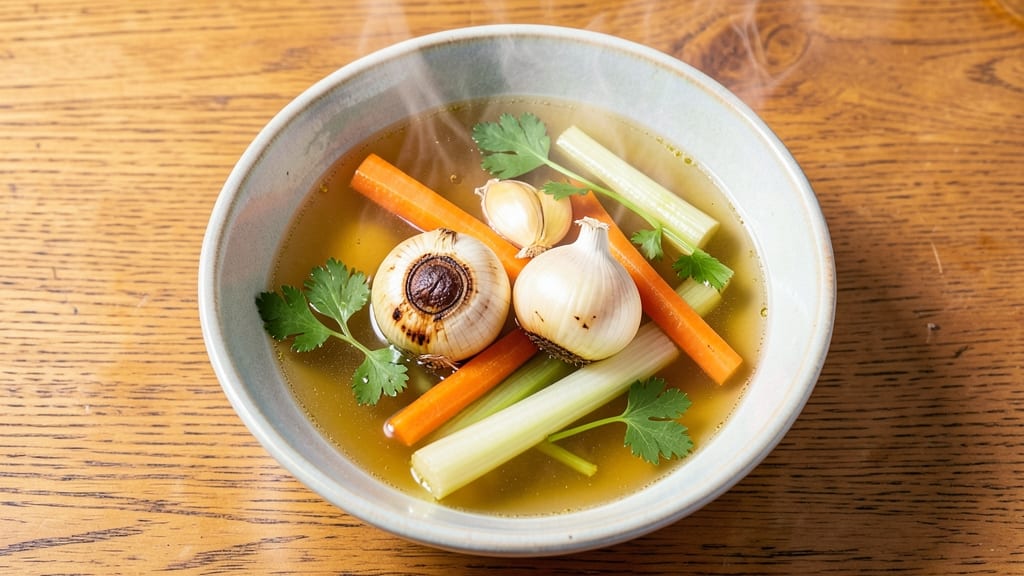
This clear vegetable soup recipe delivers the perfect balance of light, refreshing broth and deep herbaceous flavor—ideal for warming spring days or clearing sinuses during cold seasons. The secret lies in straining the broth meticulously to achieve that signature clarity while preserving complex vegetable notes.
I’ve refined this method over years of testing, ensuring every sip is both nourishing and satisfying.
What sets this soup apart is its versatile foundation—a simple broth base that transforms based on your chosen vegetables and herbs.
Whether you prefer classic carrots and celery or a modern twist with mushrooms and fennel, the technique remains the same: build flavor through slow simmering and finish with fresh herbs for brightness. The result is a crisp, aromatic soup that feels lighter than store-bought versions but tastes far more refined.
By the end, you’ll have a golden, crystal-clear broth with just the right depth of savory umami, ready to be customized with garnishes like microgreens, crispy shallots, or a drizzle of chili oil.
This recipe proves that clarity in soup doesn’t mean sacrificing flavor—it’s all about technique and fresh ingredients. Let’s get started on creating your perfect bowl.
Perfect for meal prep or last-minute dinners, this soup scales effortlessly from single servings to crowd-pleasing pots. The 30-minute prep (plus simmering time) makes it ideal for busy weeknights, while the herb-infused depth ensures it stands out at any table.
Whether you’re following tradition or experimenting with modern twists, this method delivers restaurant-quality results at home.
Ingredients for clear vegetable soup
Six aromatic vegetables plus three fresh herbs create this luminous, herb-infused vegetable soup.
| Ingredient | Amount | Notes |
|---|---|---|
| Yellow Onions 🧅 | 2 whole | Cut into 1-inch chunks for even cooking |
| Carrots 🥕 | 4 medium | Peeled and cut into 1-inch pieces |
| Celery Stalks 🌿 | 4 whole | Trimmed and cut into 1-inch pieces |
| Garlic Cloves 🧄 | 6 cloves | Peeled and lightly crushed for aroma |
| Fresh Parsley Stems 🌿 | 4 whole | Tough stems only for flavor base |
| Fresh Thyme Sprigs 🌿 | 4 whole | Stems included for maximum infusion |
| Fresh Bay Leaves 🌿 | 2 whole | Remove after simmering for clarity |
| Vegetable Stock 💧 | 6 cups | Homemade or high-quality store-bought |
| Extra-Virgin Olive Oil 🫒 | ¼ cup | For rich depth and smooth finish |
| Lemon Juice 🍋 | 1 tbsp | Freshly squeezed for bright finish |
| Sea Salt 🧂 | 1 ½ tsp | Diamond Crystal preferred for clarity |
| Fresh Dill 🌿 | ¼ cup | Chopped for final herbaceous touch |
| Fresh Chives 🌿 | 2 tbsp | Minced for delicate garnish |
The vegetable trifecta—onions, carrots, and celery—forms the aromatic base. Buy organic when possible to avoid dirt residue that clouds clarity. For the fresh herbs, Whole Foods or local farmers markets offer the most vibrant options. Parsley stems and thyme sprigs infuse without visible bits, while bay leaves add depth without overpowering. Pro tip: Toast the whole spices in olive oil for 30 seconds before adding to the broth—this unlocks their full potential. The vegetable stock should be homemade or a premium brand like Pacific Foods to avoid artificial additives that can dull the flavor.
No fresh thyme? Dried thyme at one-third the amount works in a pinch, but fresh is ideal. Substitute fennel for carrots if you prefer a more anise-forward profile. For a modern twist, add 1 cup shiitake mushrooms with the vegetables. The lemon juice can be swapped for white wine vinegar if you prefer a tangier note. When straining, use a fine-mesh chinois or cheesecloth-lined colander—this is non-negotiable for that signature clarity. Prefer a different herb profile? Swap dill for tarragon or basil, but reduce to 0.125 cup for subtlety.
This soup tastes even better the next day as flavors meld. Store in glass containers in the fridge for up to 5 days—the broth actually improves with time. For freezing, portion into ice cube trays and transfer to bags for perfect single-serving portions. Garnish with crispy fried shallots or microgreens just before serving to maintain that restaurant-quality presentation. The olive oil should be stored in a cool, dark place to preserve its fruity notes, and fresh herbs keep for 1 week wrapped in damp paper towels.
Why You'll Love This Recipe
- I swear by this trick: slice the onions, carrots, and celery into big chunks—no dice needed. The broth breaks them down perfectly, and honestly? The uneven pieces make it feel homier, like my grandma’s kitchen.
- No-Chop Nightmare: I swear by this trick: slice the onions, carrots, and celery into big chunks—no dice needed. The broth breaks them down perfectly, and honestly? The uneven pieces make it feel homier, like my grandma’s kitchen.
- Garlic-Parsley Magic: That first whiff of garlic and parsley simmering? It’s the soul of this soup. The parsley stems add depth without bitterness, and the garlic—just a few cloves—turns "simple" into "ridiculously good" in 20 minutes.
- Lunchbox Hero: Between us, this is my go-to for meal prep. Stash it in jars for the week, and it stays crisp and flavorful. My kids grab it for school lunches, and I sneak a thermos version to work—no sad, soggy salads here.
Step-by-step instructions for clear vegetable soup
This method delivers crystal-clear broth with vibrant herb notes—simple yet sophisticated.
Sauté the Vegetable Base
Heat the 0.25 cup extra-virgin olive oil in a large pot over medium heat. Add the 2 whole yellow onions, 4 medium carrots, and 4 whole celery stalks—all cut as specified. Cook for 8-10 minutes until the onions soften and the carrots begin to caramelize slightly along the edges. You'll smell the sweetness intensify—that's your cue they're ready.
Stir occasionally to prevent browning, but don't rush this step. Properly developed flavors form the foundation of your soup. Add the 6 cloves garlic cloves and cook for another 30 seconds until fragrant. This brief exposure ensures they infuse without bitterness.
Build the Herb-Infused Broth
Add the 4 whole fresh parsley stems, 4 whole fresh thyme sprigs, and 2 whole fresh bay leaves to the pot. Pour in the 6 cups vegetable stock and bring to a gentle simmer over medium-low heat. Here's the thing—you want just enough heat to maintain a barely visible bubble at the surface, not a rolling boil. This prevents cloudiness from stirring up sediment.
Simmer uncovered for 20 minutes, skimming any foam that rises to the surface with a fine-mesh spoon. The broth should reduce slightly, concentrating flavors while maintaining clarity. The fresh herbs will steep beautifully, releasing their aromatic oils without overpowering the delicate vegetable profile.
Season and Clarify
Remove the pot from heat and strain the broth through a fine-mesh sieve into a clean pot. Press gently on the vegetables to extract maximum flavor, but avoid pulping them. Return the strained broth to the stove and add the 1.5 teaspoons sea salt and 1 tablespoon lemon juice. Taste and adjust—this is where the magic happens.
The lemon juice brightens the broth while the salt enhances all the vegetable nuances. Bring to a simmer again, then reduce heat to low and let it steep for an additional 5 minutes. This final infusion ensures the herbs' essence permeates every sip without making the soup cloudy.
Finish with Fresh Herbs
Stir in the 0.25 cup fresh dill and 2 tablespoons fresh chives, reserving a small portion for garnish. Keep the soup at a gentle simmer for 2-3 minutes—just enough to warm through without breaking down the delicate herb leaves. The dill adds that signature freshness while the chives contribute a subtle onion-like brightness.
Ladle into bowls immediately, garnishing each serving with the reserved fresh herbs. Serve with crusty bread to soak up every last drop of that luminous, herb-infused broth. The clarity comes from proper straining and gentle simmering, while the depth comes from patient flavor development at every stage.
Pro Tips For Making Clear Vegetable Soup
- Sweat the Aromatics Slow: I learned this the hard way—drowning onions and celery in water to "soften" them fast just makes your soup watery. Instead, cook them over medium-low heat in a splash of oil until they’re translucent and the onions start to caramelize just at the edges. This builds flavor without turning your broth into vegetable juice.
- Slice Celery Thin: Thick celery stalks take forever to soften and leave you with chewy bits. Run them through a mandoline or knife against the grain for paper-thin slices—this cuts cooking time by half and keeps the texture silky. (Yes, even if you’re impatient like me.)
- Strain Twice, Once Hot: Skim the soup after initial simmering, then strain it hot through a fine-mesh sieve lined with cheesecloth. The cheesecloth catches the last of the starch and sediment that would otherwise make your broth cloudy. Cold soup? Forget it—it’ll clog your strainer and leave you with a murky mess.
- Salt the Water First: Add a generous pinch of salt to the water before tossing in the veggies. It seasons the broth from the start and prevents the carrots and celery from absorbing too much water, which dilutes their flavor. (Your future self will notice the difference.)
Best sauces and condiments for clear vegetable soup
Classic Herb Oil Finish
Elevate your soup with a drizzle of herb-infused olive oil just before serving. Heat ¼ cup extra-virgin olive oil with 2 tbsp chopped fresh parsley, 1 tbsp fresh thyme, and 1 crushed garlic clove until fragrant (about 1 minute).
Strain and drizzle 1 tsp per bowl—this adds luxurious richness while balancing the broth's brightness. 🌿
Crispy Shallot Garnish
For a restaurant-worthy touch, fry 4 thinly sliced shallots in 2 tbsp neutral oil (like avocado oil) until golden and crisp (about 3-4 minutes). Sprinkle ½ tsp salt while hot, then let cool. Place 2-3 shallots per bowl for a delightful crunch that contrasts the silky broth. 🥔
Spicy Chili Oil Drizzle
Add heat with chili oil—mix ¼ cup high-quality olive oil with 1 tbsp chili crisp (like Lao Gan Ma) and 1 tsp toasted sesame oil.
Drizzle 1 tsp per bowl and finish with a pinch of flaky sea salt. This bold pairing works especially well with a miso-infused broth twist. 🌶️
Creamy Yogurt Swirl
For a modern twist, stir 2 tbsp plain Greek yogurt into each bowl after ladling the soup. The tanginess cuts through the broth's richness while adding a velvety texture. Opt for full-fat yogurt (like Fage 5%) to prevent curdling. Top with toasted pine nuts for extra crunch. 🥛
Umami Miso Boost
Stir 1 tsp white miso paste into the finished soup and simmer for 1 minute to meld flavors. This adds a savory depth that pairs beautifully with the herb notes. For extra umami, top with crumbled furikake or a sprinkle of toasted nori strips. 🍜
Fresh Citrus Zest
Brighten every spoonful with zest from ½ lemon or 1 orange, finely grated over the soup. The citrus oils awaken the palate, making the broth taste even fresher. Pair with a pinch of black pepper for a sophisticated finish. 🍊
Nutrition facts
Frequently asked questions
Why does my vegetable broth turn cloudy even after straining?
Cloudiness usually means either the broth boiled too vigorously (stirring up sediment) or you didn't strain properly. Use a fine-mesh chinois or double-layered cheesecloth, and simmer at just a barely visible bubble—never a full boil. Also, avoid pressing the vegetables too hard during straining, as this releases starches that cloud the liquid.
Can I make this soup without fresh herbs?
For the broth, use ½ teaspoon dried thyme and 1 teaspoon dried parsley (reduce bay leaves to 1). For finishing, swap fresh dill with 1 teaspoon dried dill or 1 tablespoon chopped dried basil. The flavor will be subtly different but still delicious—just less vibrant.
How do I store leftovers without losing clarity?
Cool the soup quickly by placing the pot in an ice bath, then transfer to glass containers (plastic can cloud it). Store in the fridge for up to 5 days—the broth actually improves in flavor! For freezing, portion into ice cube trays first to preserve texture, then transfer to freezer bags. Reheat gently on low heat and skim any surface oils that rise.
What vegetables can I substitute for maximum clarity?
Stick to low-starch vegetables like leeks, fennel, or turnips for the clearest results. Avoid potatoes, corn, or peas—they release starches that make the broth murky. For extra depth, add shiitake mushrooms (remove skins) or asparagus spears (discard woody ends).
Can I make this soup gluten-free or dairy-free?
This recipe is naturally gluten-free and dairy-free as written! Just ensure your vegetable stock is certified gluten-free (many commercial brands contain wheat). For extra assurance, use homemade stock. The olive oil and lemon juice are also safe for both diets. The only potential issue would be if you add garnishes like bread croutons—opt for gluten-free breadcrumbs instead.