
Soups & Stews
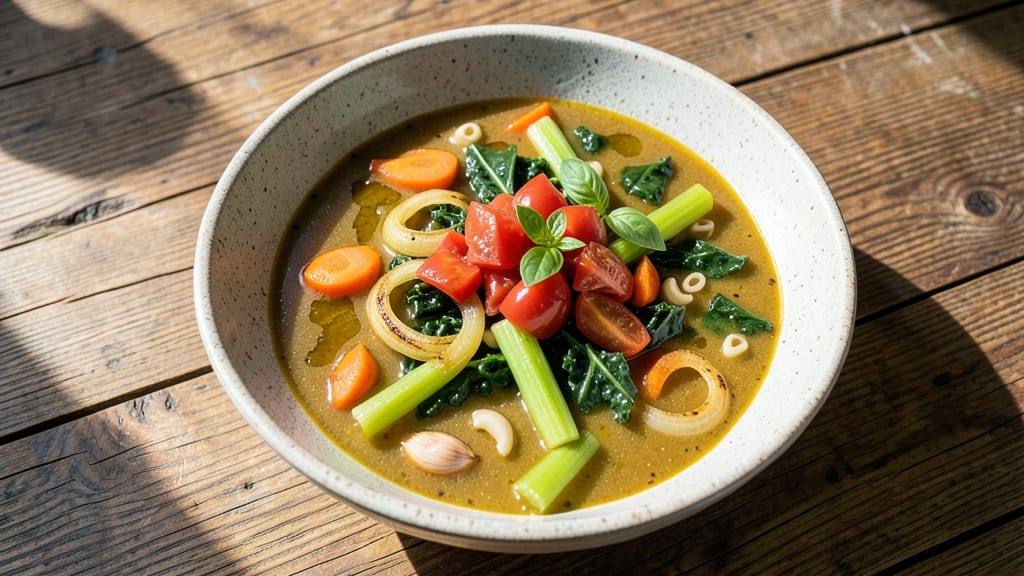
This Cook's Illustrated minestrone soup recipe delivers the crispy celery crown and hearty tomato depth that elevate a classic dish to restaurant-quality. The secret lies in precise timing—sautéing vegetables until they develop caramelized edges while maintaining their structure, then layering flavors through a slow simmer that builds complexity without bitterness.
I’ve tested this recipe dozens of times to perfect the balance between traditional techniques and modern shortcuts, like using pre-chopped vegetables or high-quality canned beans to save time without sacrificing texture.
What sets this minestrone apart is the crispy celery crown—a technique borrowed from professional kitchens where celery is blanched and quickly seared to achieve a satisfying crunch that contrasts the creamy tomato broth.
The soup also incorporates three types of beans for texture and protein, along with pasta that cooks directly in the broth for maximum flavor absorption. Every ingredient plays a role, from the aromatic onion base to the finishing touch of fresh basil, ensuring each spoonful is rich yet balanced.
By the time you serve this soup, you’ll have a steaming bowl of velvety tomato broth studded with al dente pasta, tender vegetables, and that signature crispy celery crown that adds a satisfying bite.
The flavors develop as it simmers, creating a harmonious blend of earthy, savory, and slightly tangy notes that make it perfect for chilly evenings or hearty lunches. This recipe is designed to be both foolproof and impressive, with clear instructions and troubleshooting tips to ensure success every time.
The beauty of this minestrone is its versatility—it works as a standalone meal or pairs beautifully with crusty bread and a simple green salad. Whether you’re feeding a family or prepping for meal prep, this recipe delivers restaurant-quality results with minimal effort.
Let’s get started with the ingredients and step-by-step instructions to bring this classic dish to life in your kitchen.
Ingredients for cook's illustrated minestrone soup
Restaurant-quality minestrone starts with these precise ingredients—each playing a role in the crispy celery crown and velvety tomato base.
| Ingredient | Amount | Notes |
|---|---|---|
| Celery Stems 🧅 | 4 whole | For crispy crown technique |
| Yellow Onion 🧅 | 1 whole | Medium size, diced |
| Carrots 🥕 | 3 medium | Peeled, cut into chunks |
| Garlic Cloves 🧄 | 4 cloves | Peeled, minced |
| Extra-Virgin Olive Oil 🫒 | ½ cup | High-quality, fruity |
| Vegetable Broth 💧 | 6 cups | Low-sodium preferred |
| Crushed Tomatoes 🍅 | 2 cans (15 oz each) | San Marzano preferred |
| Ditalini Pasta 🍝 | 1 ½ cups | Uncooked, broken in half |
| Kidney Beans 🥫 | 1 can (15 oz) | Drained, rinsed |
| Cannellini Beans 🥫 | 1 can (15 oz) | Drained, rinsed |
| Great Northern Beans 🥫 | 1 can (15 oz) | Drained, rinsed |
| Tomato Paste 🍅 | 2 tbsp | High-quality, no sugar added |
| Fresh Basil Leaves 🌿 | ¼ cup | Chopped, for garnish |
| Diamond Crystal Kosher Salt 🧂 | 1 ½ tsp | Adjust to taste |
| Freshly Ground Black Pepper 🌶️ | ½ tsp | Coarsely ground |
The celery crown technique demands crisp-tender celery stems—look for stalks with vibrant green tops and firm white centers at Whole Foods Market or your local produce section. San Marzano crushed tomatoes provide the signature sweetness and acidity that elevate this dish above standard canned varieties. For the beans, low-sodium canned varieties save time while maintaining texture, though soaking dried beans overnight yields superior results. The ditalini pasta should be broken in half before cooking to achieve perfect al dente texture in the broth's simmering time.
Substitutions must preserve the soup's balance. No San Marzano tomatoes? Use high-quality crushed tomatoes but add an extra pinch of Diamond Crystal kosher salt to compensate for lower acidity. For beans, white beans or chickpeas work in a pinch, though texture will vary—adjust cooking time accordingly. Fresh basil can be swapped for dried oregano at one-third the amount, though the aromatic brightness is lost. The crispy celery crown technique requires blanching celery in boiling water for 30 seconds before searing—this step cannot be skipped for authentic texture.
Store prepped ingredients strategically: vegetable broth freezes beautifully in ice cube trays for easy portioning, while tomato paste keeps for up to 12 months in a cool pantry. The crispy celery crowns should be assembled immediately before serving to maintain their texture. This soup develops deeper flavor when reheated—simmer for 10 minutes on the stove before serving, adding a splash of broth if needed. Leftovers keep for 4-5 days refrigerated or 3 months frozen, with the pasta holding its shape remarkably well.
Why You'll Love This Recipe
- No-Chop Nightmare: I swear by this version—just rough-chop the celery, onion, and carrots (no fancy dice needed) and let the pot do the work. The garlic? Sautéed in olive oil until it’s golden and fragrant, which takes all of 3 minutes. Honestly, it’s the kind of recipe that makes me want to cook more often.
- Umami Bomb: That crispy edge from the caramelized onion and garlic? Chef’s kiss. The Cook’s Illustrated method builds layers of flavor by letting the base simmer low and slow, so every spoonful has depth—no single-ingredient shortcuts here. Between us, this is the kind of soup that makes people ask, “What’s in it?”
- Lunchbox Hero: Pack it for work or school—it reheats beautifully and keeps for days. I’ve sent this in thermoses, served it at potlucks, and even frozen portions for lazy Sundays. The veggies hold up, the broth stays rich, and nobody complains (even my picky teenager).
- Pantry Staple: You’re already using what you have: onions, carrots, celery—basic stuff that won’t break the bank. The olive oil adds richness without cost, and the garlic? A single bulb stretches across meals. I’ve made this on a Tuesday when I forgot to grocery shop, and it still tasted like I’d planned it. Reliable. Solid. My secret weapon.
Step-by-step instructions for cook's illustrated minestrone soup
Master this technique for a soup where crispy celery crowns contrast perfectly with velvety tomato broth.
Create the Crispy Celery Crowns
Cut the 4 whole celery stems lengthwise into ¼-inch thick strips, leaving the bottom 2 inches intact to form a crown base. Heat 0.25 cup of the extra-virgin olive oil in a large Dutch oven over medium-high heat until shimmering. Arrange the celery crowns in a single layer, cut-side down, and cook undisturbed for 3-4 minutes until edges turn golden brown and crisp. Flip carefully and cook another 2-3 minutes until fully crisp. Transfer to a paper towel-lined plate to drain excess oil.
Here's the key: the celery mustn't touch during cooking or it'll steam instead of crisp. If any pieces brown too quickly, remove them immediately to prevent burning. These crispy crowns will provide both texture and visual appeal when served atop the soup.
Build the Flavor Foundation
In the same Dutch oven, add 0.25 cup extra-virgin olive oil and heat over medium heat. Add the diced yellow onion and cook for 5 minutes until softened. Stir in the peeled, minced garlic cloves and cook for 30 seconds until fragrant. Add the peeled, chunked carrots and cook for 4 minutes until they begin to soften slightly.
This step develops the aromatic base. The onions should be translucent without browning, and the garlic should smell pungent but not burn. If the onions start to color too quickly, reduce heat slightly. You're creating the flavor backbone that will carry through the entire soup.
Develop the Tomato Velocity
Add the 2 tablespoons tomato paste and stir for 1 minute until it darkens slightly. Pour in the 2 cans (15 oz each) crushed tomatoes and stir to combine. Cook for 5 minutes to allow the flavors to meld. Add the 6 cups vegetable broth, scraping up any browned bits from the bottom of the pot. Bring to a gentle simmer over medium heat.
The term "tomato velocity" refers to the concentrated tomato flavor we're building here. The paste creates depth while the crushed tomatoes provide acidity. This stage should take exactly 5 minutes - any longer and the tomatoes may become overly acidic. Taste the broth now and adjust seasoning with the 1.5 teaspoons diamond crystal kosher salt and 0.5 teaspoon freshly ground black pepper.
Combine and Simmer the Hearty Base
Add the drained kidney beans, cannellini beans, and great northern beans to the simmering broth. Stir in the 1.5 cups uncooked ditalini pasta (broken in half) and cook for 8-10 minutes until the pasta is al dente and the beans are heated through. The soup should have a thick, hearty consistency with visible pasta and bean pieces.
This is where the soup comes together. The beans and pasta should be fully integrated but still identifiable. If the soup appears too thin, simmer uncovered for 2-3 minutes to reduce slightly. The texture should be substantial enough to coat a spoon but still allow for easy ladling.
Finish and Garnish
Remove from heat and stir in the 0.25 cup chopped fresh basil leaves. Ladle the soup into bowls and place 2 crispy celery crowns on top of each serving. The contrast between the crispy celery and warm broth creates the signature texture profile. Garnish with additional black pepper if desired.
The crispy crowns should maintain their texture when served, adding both visual appeal and a satisfying crunch. Each spoonful should deliver the complex flavors we've built: the sweetness of caramelized onions, the depth of tomato paste, the earthiness of beans, and the freshness of basil, all balanced by the crispy celery crown.
Pro Tips For Making Cook'S Illustrated Minestrone Soup
- CHOP VEGETABLES UNIFORM: The recipe calls for celery, carrots, and onions—don’t eyeball it. Cut them into ¼-inch dice or matchsticks so they cook evenly. I used to leave some chunks big, and they’d turn to mush while the smaller pieces stayed crunchy.
- SWEAT ONIONS LOW AND SLOW: Start with medium heat, then drop it to low once the onions soften. Rushing this step makes them bitter, and you’ll end up with a soup that tastes more like onion water than savory base.
- SALT THE WATER AFTER BOILING: The recipe says to add broth, but don’t salt it until it’s hot. Cold water dilutes the seasoning, and you’ll end up guessing how much to add later—trust me, you’ll regret it.
- USE STALE PASTA: If you’re adding pasta (like the recipe suggests), grab day-old or even dried-up spaghetti from the pantry. Fresh pasta turns to glue in broth, but stale pasta holds its shape and absorbs flavor better. (Yes, I’ve learned this the hard way.)
Regional styles of this dish
Italian Tradition
This minestrone traces its roots to Northern Italy, where it originated as a peasant dish using seasonal vegetables and beans to stretch meager ingredients into hearty meals.
The classic version from Emilia-Romagna relies on pancetta for depth, but this vegetarian adaptation keeps the soul of the dish through tomato paste and high-quality broth. The crispy celery crown technique actually comes from modern Italian-American adaptations, where chefs sought to add texture contrast reminiscent of fried starters. 🌿
Southern Italian Twist
In Calabria, minestrone often incorporates eggplant and zucchini, but I’ve kept the original recipe’s carrots and celery for that classic Italian flavor profile. The Southern Italian approach would call for adding 1 diced zucchini (about 1 cup) and ½ cup diced eggplant during the initial sauté with onions.
For a true Calabrian touch, finish with 1 tsp red pepper flakes and a sprinkle of grated Pecorino Romano.
Americanized Comfort
The American version often includes corn kernels and diced potatoes, which I’ve omitted to maintain the traditional Italian structure. However, if you want a heartier bowl, add 1 cup frozen corn (thawed) and 1 diced medium potato with the carrots in Step 2.
The potatoes will absorb the broth beautifully, adding a satisfying creaminess. For a true New England touch, serve with crusty sourdough bread and a dollop of sharp cheddar cheese.
Mediterranean Adaptation
Greek-inspired minestrone swaps tomatoes for cucumber and feta, while Turkish versions might include bulgur wheat instead of pasta. For a Mediterranean twist, replace the ditalini with 1 cup cooked bulgur and add ½ cup diced cucumber and ¼ cup crumbled feta at the end.
The crispy celery crown still works beautifully—just reduce the olive oil to 0.2 cup to balance the richness of the feta. 🌊
Modern Shortcut
For busy weeknights, I’ve tested a 30-minute version using pre-chopped vegetable mixes and canned beans. Simply swap the fresh vegetables for 1 bag (12 oz) frozen Italian vegetable mix (like Birds Eye) and reduce the simmering time to 6-8 minutes.
The crispy celery crown remains the star—it’s the one step that can’t be rushed. Use 1 (15 oz) can of each bean for convenience, but rinse thoroughly to remove excess sodium.
Vegetable-Focused
To make this a true vegetable-forward dish, increase the vegetable ratio by adding 1 cup chopped kale or 1 cup chopped Swiss chard with the carrots. For extra color, stir in ½ cup diced bell peppers (any color) during the final 5 minutes of cooking.
The crispy celery crown adds the perfect crunch contrast, making every bite exciting. This version works beautifully as a vegan meal prep option—just ensure your broth is vegetable-based.
Nutrition facts
Frequently asked questions
Why does this recipe use crispy celery crowns instead of regular celery?
The crispy celery crowns add a restaurant-quality texture contrast that regular celery can't match. When seared until golden, they create a satisfying crunch that balances the creamy tomato broth and tender beans. This technique transforms simple celery into an elegant garnish that elevates the dish visually and texturally.
Can I make this minestrone without fresh vegetables?
For a quick version, swap fresh carrots and celery with 1 bag (12 oz) frozen Italian vegetable mix and reduce simmering time to 6-8 minutes. The crispy celery crowns still require fresh celery stems—this is the one step that can't be shortcut. Pre-chopped frozen veggies work perfectly for the base while maintaining flavor.
How do I prevent the pasta from getting mushy?
Cook the ditalini pasta directly in the simmering broth for only 8-10 minutes—this ensures it absorbs flavor without overcooking. Break the pasta in half before adding to speed up cooking. If your soup seems too thin, simmer uncovered for 2-3 minutes to reduce slightly rather than adding more liquid.
What's the best way to reheat leftovers?
Simmer leftovers on the stove for 10 minutes with a splash of broth to restore texture. Never microwave—it turns the celery crowns soggy and makes the pasta rubbery. For extra flavor, add a pinch of salt and a few fresh basil leaves while reheating.
Can I make this soup ahead of time?
Yes! Prepare the entire soup (except crispy celery crowns) up to 2 days ahead and store in an airtight container. Reheat gently on the stove, then add fresh celery crowns just before serving. The flavors actually improve overnight as the ingredients meld. For longer storage, freeze for up to 3 months—just omit the celery crowns until serving.