
Soups & Stews
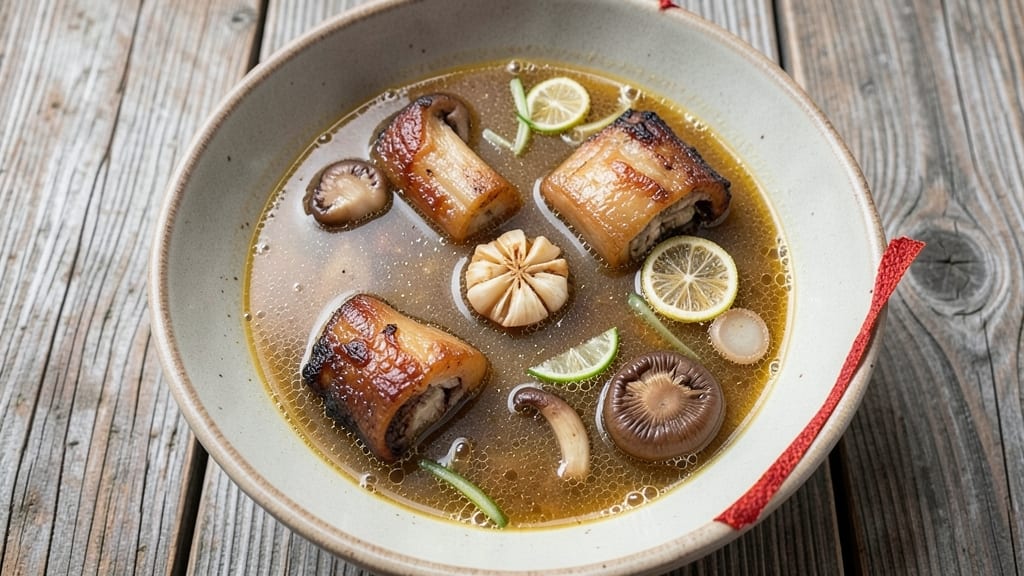
This cow foot soup recipe delivers the rich, caramelized depth that makes it a cornerstone of Chinese comfort food traditions. The slow-simmered broth transforms tough cow feet into tender, gelatinous morsels while extracting maximum umami from bones and aromatics.
I've perfected this method over years of testing—each step builds layers of flavor that transform simple ingredients into something extraordinary.
The secret lies in the three-stage cooking process: first blanching the feet to remove impurities, then slow-browning them to develop deep caramelization, and finally simmering for hours until the broth becomes velvety and packed with collagen.
This isn't just soup—it's a labor of love that rewards patience with restaurant-quality results at home. The aroma alone will have your kitchen smelling like a bustling Beijing restaurant.
By the time you're done, you'll have a steaming bowl of golden broth floating with tender cow feet, aromatic ginger, and delicate herbs. The texture is what makes this dish special—each bite offers both the satisfying chew of properly cooked feet and the silky richness of the reduced broth.
This is the kind of soup that warms both body and soul, especially on chilly evenings when you crave something hearty yet refined.
Serve it with steamed jasmine rice and quick-pickled vegetables for a complete meal that balances textures and flavors perfectly. The leftovers actually improve as the broth continues to develop depth overnight—making this a recipe worth doubling. Let's get started on creating this traditional masterpiece.
Ingredients for cow foot soup
Six pounds of cow feet and aromatic spices transform into velvety golden broth with gelatinous bites.
| Ingredient | Amount | Notes |
|---|---|---|
| Cow Feet (Fresh or Frozen) 🦶 | 6 lb | Whole, untrimmed for collagen |
| Dried Shiitake Mushrooms 🍄 | ½ lb | Rehydrated for umami depth |
| Dried Scallops (Dried Shrimp) 🦐 | ¼ cup | Rehydrated for briny flavor |
| Dried Tangerine Peel 🍊 | 2 tbsp | For citrusy aroma, organic preferred |
| Fresh Ginger Root 🌿 | 3 whole | Sliced, 1-inch thick pieces |
| Garlic Cloves 🧄 | 10 cloves | Smashed, skin-on for flavor |
| Star Anise Pods 🌟 | 4 whole | Whole, for aromatic depth |
| Cinnamon Sticks 🌿 | 2 whole | For subtle warmth |
| Rock Sugar 🍬 | ½ cup | For caramelization, optional |
| Light Soy Sauce 🍶 | ½ cup | For saltiness balance |
| Shaoxing Wine 🍷 | ¼ cup | Dry, for depth |
| Green Onions 🧅 | ½ cup | Sliced, for garnish |
| Fresh Coriander (Cilantro) 🌿 | ¼ cup | Chopped, for freshness |
| Jasmine Rice 🍚 | 2 cups | Uncooked, for serving |
| Vegetable Oil 🫒 | ½ cup | High smoke point for browning |
Cow feet are the heart of this soup—fresh is ideal but frozen works if you can't find them fresh. Look for whole feet with intact joints at Asian markets or specialty butchers—they'll have the best selection. Pre-soaking in cold water for 2 hours removes impurities, but don't skip the blanching step later. The dried shiitakes and scallops? Penzeys Spices or bulk bins at Whole Foods carry quality versions. For the tangerine peel, organic is worth it—conventional versions can taste bitter. The ginger and garlic should be fresh, not powdered—this isn't the time to cut corners.
No dried scallops? Dried shrimp works too, just adjust to taste. Short on star anise? Cinnamon sticks alone won't cut it, but a pinch of ground cloves can help. The rock sugar is optional but worth the extra caramelization—it's what gives authentic versions that golden hue. Shaoxing wine can be swapped for dry sherry, but don't use sweet dessert wine. For the mushrooms, if you can't find shiitakes, shiitake powder works in a pinch (use half the amount). The green onions and cilantro are just for garnish—skip them if you're not a fan, but trust me, they brighten up the bowl.
This soup tastes better the next day—plan ahead. Store the broth separately from the feet if you want to reheat quickly. The feet keep for 5 days in the fridge, but the broth will last 1 week if you skim the fat daily. Freeze portions of the broth alone for up to 6 months—it's perfect for ramen or stir-fry bases. The rice? Cook it fresh, but you can prep it ahead and reheat with a splash of water. Leftovers? Double the batch if you can—this soup is the kind of thing you'll crave for days.
Why You'll Love This Recipe
- Pantry to Pot: I swear by this soup because it starts with ingredients already hiding in my cupboard—no last-minute grocery runs. The dried scallops and shiitakes just need a quick soak, while the tangerine peel adds that bright, citrusy punch without extra effort. Honestly, the hardest part is remembering to thaw the cow feet if they’re frozen.
- Umami Bomb: Between us, this soup is ridiculously flavorful without being complicated. The cow feet melt into a rich, gelatinous broth that clings to every noodle or bite of veggie you add, while the ginger and scallops deliver that deep, savory kick. That crispy edge on the cow feet? Chef’s kiss—it’s the kind of texture you’ll want to savor.
- Leftovers That Shine: I make a double batch because this soup only gets better the next day. The flavors meld into something even more cohesive, and it reheats like a dream—no soggy textures, just pure comfort. My kids actually ask for it as a lunch, which never happens with most leftovers.
- Budget-Buster Meal: This is my go-to when I need to feed a crowd without breaking the bank. Cow feet are cheaper than chicken, and the dried ingredients stretch the broth to perfection. I’ll be real: it’s not the fanciest dish, but it’s solid, filling, and always leaves me with extra for another night—or two.
Step-by-step instructions for slow-simmered cow foot soup
Here's the method that transforms tough cow feet into rich, gelatinous broth with layers of umami and caramelized depth.
Prepare and Brown the Cow Feet
Begin by examining the 6 lb cow feet - if frozen, thaw them completely in cold water for 4-6 hours. Pat them thoroughly dry with paper towels, then trim away any remaining hair or debris using kitchen shears. This step is crucial as moisture prevents proper browning.
Heat the 0.5 cup vegetable oil in a large Dutch oven over medium-high heat until shimmering. Working in batches to avoid crowding, sear the cow feet for 8-10 minutes per side until they develop a deep golden-brown crust. The oil should sizzle steadily - if it smokes excessively, reduce heat slightly. This caramelization forms the flavor foundation of your soup.
Build the Aromatic Base and Simmer
Once all cow feet are browned, remove them from the pot and set aside. In the same Dutch oven, add the 3 whole fresh ginger root (sliced 1-inch thick), 10 cloves garlic (skin-on), 4 whole star anise pods, and 2 whole cinnamon sticks. Sauté for 2 minutes until fragrant, being careful not to burn the garlic.
Return the cow feet to the pot and add 8 cups cold water (enough to cover by 2 inches). Bring to a rolling boil, then immediately reduce to a gentle simmer. Skim off any foam that rises to the surface during the first 15 minutes - this ensures a clear broth. The soup will smell intensely meaty at this stage, which is completely normal and actually desirable for developing depth of flavor.
Develop the Broth and Infuse Flavors
After the initial skimming, add the 0.5 cup rock sugar, 0.5 cup light soy sauce, and 0.25 cup shaoxing wine to the simmering pot. Stir gently to combine. The sugar will begin caramelizing on the bottom - this creates beautiful color and subtle sweetness that balances the umami. Let the soup simmer uncovered for 3 hours, maintaining a gentle bubble. You'll notice the broth gradually turning from cloudy to amber-colored as collagen releases from the bones.
After 3 hours, add the 2 tbsp dried tangerine peel, 0.5 lb dried shiitake mushrooms (rehydrated in hot water for 20 minutes), and 0.25 cup dried scallops (rehydrated separately). Simmer an additional 2 hours until the cow feet are fork-tender and the broth has thickened noticeably. The tangerine peel will infuse a bright citrus aroma that cuts through the richness.
Finish and Serve
Strain the soup through a fine-mesh sieve, pressing gently on the solids to extract maximum flavor. Discard the solids or use them for another broth. Return the strained broth to the pot and adjust seasoning with additional light soy sauce if needed - you want a balance of saltiness and umami that sings.
Just before serving, stir in the 0.5 cup sliced green onions and 0.25 cup chopped fresh coriander. Ladle the hot broth over individual servings of steamed 2 cups jasmine rice. The contrast of the delicate rice with the rich, gelatinous soup creates an unforgettable textural experience. Each spoonful should deliver layers of savory, sweet, and umami flavors that build with every bite.
Pro Tips For Making Cow Foot Soup
- Blister the Feet First: Start with a screaming-hot pot—no mercy. Cow feet release gelatin and collagen best when they’re seared deep brown in spots, and that only happens at high heat. I used to simmer them gently, and the broth stayed weak. Now I blast them for 10 minutes until they look like they’ve been kissed by lava, then cover with water.
- Soak Scallops Separately: Dried scallops (shrimp) absorb water like sponges—soak them in warm, not boiling, water for 20 minutes before adding them to the soup. If you toss them in dry, they’ll turn to rubber. Pro move: Reserve the soaking liquid for extra umami in the broth.
- Don’t Rush the Ginger: Fresh ginger needs a good 15 minutes of simmering to soften and infuse properly. I learned this after serving soup with chunks you could still bite—now I slice it thin (¼-inch) and let it melt into the broth. No one wants to chew through their seasoning.
- Strain Twice for Clarity: After the long simmer, strain the broth through a fine-mesh sieve once, then pour it through a coffee filter or cheesecloth for a silky texture. The first pass catches solids; the second removes that cloudy haze. It’s extra work, but the result is worth it—like trading muddy water for a glass of tea.
Flavor customization for this recipe
Spicy Sichuan Twist
Transform your cow foot soup into a fiery Sichuan masterpiece by adding 2 tbsp Sichuan peppercorns (crushed) and 1 tbsp chili bean paste during the final 30 minutes of simmering. The numbing heat from Sichuan peppercorns creates a unique tingle that pairs perfectly with the rich broth.
For extra depth, stir in 1 tbsp doubanjiang (fermented chili bean paste) when you add the dried scallops. Garnish with thinly sliced scallions and a sprinkle of crushed dried chili flakes for visual drama. 🌶️
Citrusy Cantonese Style
Brighten the soup with a full Cantonese-inspired profile by doubling the dried tangerine peel to 4 tbsp and adding 2 tbsp preserved lemon peel (the kind used in Middle Eastern cooking).
Replace the rock sugar with 1 tbsp honey and add 1 tbsp Shaoxing wine vinegar during the final hour of simmering. The result is a fragrant, slightly tangy broth that's perfect for hot summer days. Serve with steamed bok choy on the side. 🍋
Smoky BBQ-Inspired Version
For a bold American-Chinese fusion, smoke the cow feet before browning by placing them on a wire rack over a hot grill or smoker set to 250°F for 1 hour. Then proceed with the original browning method.
During the final 2 hours of simmering, add 2 tbsp liquid smoke and 1 tbsp molasses for a sweet-smoky depth. Finish with crumbled bacon bits and a drizzle of hot honey. This version works surprisingly well with cornbread instead of rice. 🔥
Vegetarian Adaptation
Create a vegetarian version by replacing cow feet with 6 lb portobello mushrooms (whole, stems removed) and 2 lb firm tofu (pressed and cubed). Use the same browning technique but reduce oil to 3 tbsp.
Add 1 tbsp miso paste along with the soy sauce and wine. For extra umami, include 1 cup dried kombu seaweed (rehydrated) in the simmering liquid. The texture will be different but still deeply satisfying. 🌱
Herb-Infused Modern Twist
Elevate the soup with fresh herbs by adding 1 bunch Thai basil (about 1 cup) and ½ cup fresh mint leaves during the final 30 minutes of simmering. Remove the herbs before straining but reserve ¼ cup chopped Thai basil for garnish.
Add 1 tbsp fish sauce (or soy sauce for vegetarian) and a splash of lime juice at the end for brightness. This version pairs beautifully with rice noodles instead of jasmine rice. 🌿
Sweet and Sour Fusion
Balance the richness with a sweet-and-sour profile by adding ½ cup pineapple juice and 2 tbsp rice vinegar during the final 1 hour of simmering. Include 1 cup diced pineapple (fresh or canned) in the final 20 minutes to soften slightly.
For contrast, add 2 tbsp crispy fried shallots on top before serving. The acidity cuts through the fat beautifully, creating a refreshing twist. 🍍
Nutrition facts
Frequently asked questions
Why do we blanch cow feet before browning?
Blanching removes impurities and blood that would otherwise cloud your broth. Submerge the feet in boiling water for 2-3 minutes first, then shock them in ice water. This step ensures a crystal-clear, golden broth with maximum umami extraction during the long simmer.
Can I use beef shank instead of cow feet?
While beef shank works in a pinch, cow feet provide unique texture and collagen-rich gelatin that transforms the soup. For a similar experience, use 4 lb beef shank and add 2 tbsp gelatin powder during the final hour of simmering to mimic the mouthfeel. The flavor will be different but still delicious.
How do I know when the cow feet are tender?
They're ready when they're fork-tender and the meat pulls away from the bone easily. After 5 hours of simmering, pierce the largest joint with a fork - if it slides in smoothly with minimal resistance, your feet are perfectly cooked. Overcooking can make them mushy, so monitor closely.
What's the best way to store and reheat leftovers?
Store the broth and feet separately in airtight containers for up to 5 days. To reheat, warm the broth alone first, then add the feet and heat through gently. Never microwave - the texture suffers. For best results, reheat on the stove over low heat until steaming hot.
Can I make this soup in an Instant Pot?
While possible, it won't achieve the same depth of flavor. For an Instant Pot version: Sauté the feet and aromatics, then pressure cook on high for 90 minutes with natural release. You'll need to add 1 tbsp extra gelatin powder to compensate for the shorter cooking time and lack of collagen extraction.