
Soups & Stews
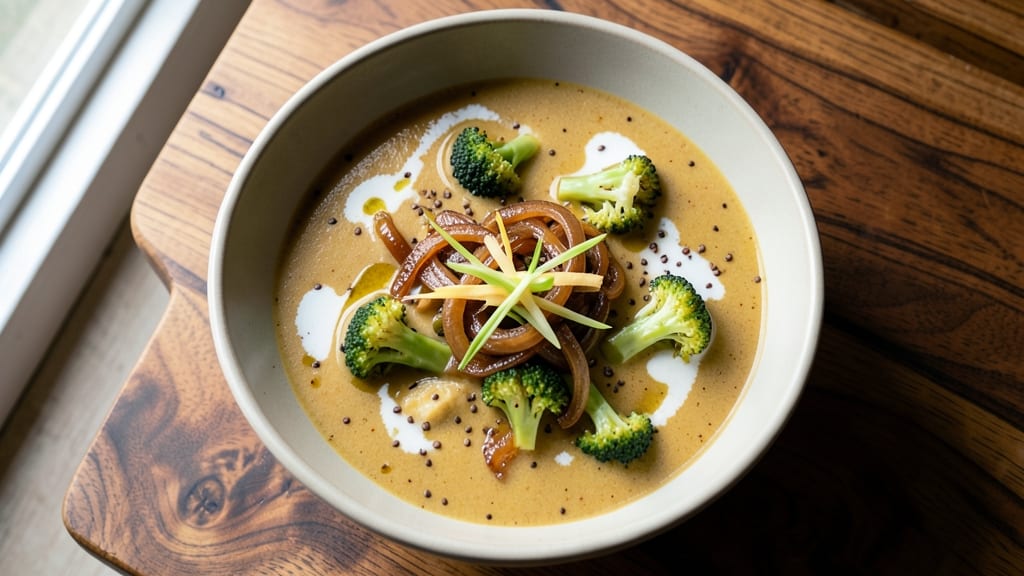
This curried cauliflower soup recipe transforms humble vegetables into a velvety, aromatic bowl that warms you from the inside out—perfect for chilly evenings or cozy gatherings. The secret lies in roasting the cauliflower first, which deepens its natural sweetness and builds a rich, caramelized foundation for the spices.
I’ve perfected this method over years of testing, ensuring every spoonful delivers a harmonious blend of earthy cumin, warm turmeric, and bright coriander.
The beauty of this recipe is its adaptability—it works as a vegetarian main, a vegan dish with coconut milk, or a comforting side. Sautéing onions, garlic, and ginger creates the aromatic base, while simmering the soup with fresh herbs like cilantro or parsley adds brightness.
The result? A creamy, spiced soup with just the right texture—smooth yet substantial, with tender cauliflower florets that melt in your mouth.
What sets this apart is the balance of flavors: the spices are bold but never overpowering, and the creaminess comes from a blend of coconut milk and a touch of Greek yogurt (or cashew cream for vegan versions).
It’s the kind of soup that feels indulgent yet nourishing, with layers of warmth and complexity that make it a standout dish. Ready to make it? Here’s everything you’ll need.
This recipe also excels as a meal-prep-friendly option—it tastes even better the next day as the flavors meld. Serve it with crusty bread or a sprinkle of toasted nuts for extra crunch. The possibilities are endless, but the foundation is foolproof.
Ingredients for curried cauliflower soup
Roasted cauliflower, aromatic spices, and velvety coconut milk create this soul-warming curried soup—perfect for cozy evenings.
| Ingredient | Amount | Notes |
|---|---|---|
| Fresh Cauliflower 🥬 | 1 ½ lb | Cut into florets, roasted first |
| Yellow Onion 🧅 | 1 whole | Diced, medium size preferred |
| Fresh Garlic 🧄 | 4 cloves | Minced, peeled |
| Fresh Ginger 🌿 | 1 ½ tbsp | Grated, aromatic variety |
| Ground Cumin 🌶️ | 1 ½ tsp | Freshly toasted for depth |
| Ground Turmeric 🌶️ | 1 tsp | Bright, vibrant color |
| Ground Coriander 🌿 | 1 tsp | Freshly ground preferred |
| Garam Masala 🌶️ | ½ tsp | Warm, aromatic blend |
| Coconut Milk 🥥 | 1 cup | Full-fat for creaminess |
| Plain Greek Yogurt 🥛 | ½ cup | Full-fat for richness |
| Vegetable Broth 💧 | 4 cups | Low-sodium preferred |
| Extra-Virgin Olive Oil 🫒 | 2 tbsp | High-quality, fruity |
| Fresh Cilantro 🌿 | ¼ cup | Chopped, for garnish |
| Fresh Parsley 🌿 | 0.2 cup | Chopped, for garnish |
| Diamond Crystal Kosher Salt 🧂 | 1 tsp | Fine grain preferred |
| Black Peppercorns 🌶️ | ½ tsp | Freshly cracked |
The cauliflower is the star here, and roasting it first unlocks its natural sweetness. Look for heads with tight florets and a pale white color—avoid any with yellowing or soft spots. I prefer organic when possible, but conventional works fine. For the spices, Penzeys Spices or local Indian markets carry the freshest blends. Toast your whole spices (cumin, coriander) in a dry pan for 30 seconds before grinding to release their essential oils—this makes all the difference in flavor complexity. The coconut milk should be full-fat for that luxurious creaminess, and Thai Kitchen or Native Forest brands are my go-tos for quality.
No fresh ginger? Powdered works at half the amount, but it lacks that bright zing. Substituting coconut milk? Cashew cream (blend soaked cashews with water) or Greek yogurt keeps it vegan or dairy-free. Running low on vegetable broth? Mushroom broth adds depth, but keep the sodium in check. The herbs can be swapped—basil or mint add a different but equally vibrant note. For extra richness, stir in a spoonful of tahini at the end, though it’s not traditional. If you’re making this ahead, freeze the base without the coconut milk and yogurt—they separate when frozen—then stir them in when reheating.
This soup tastes even better the next day as the flavors meld. Store it in an airtight container in the fridge for up to 5 days, or freeze portions for 3 months. For meal prep, I like to portion it into individual containers with a dollop of yogurt on top—just microwave for 2 minutes to reheat. The roasted cauliflower can be prepped ahead and stored in the fridge for 3 days before adding to the soup. Garnish with toasted nuts or crispy fried onions for added texture, but the soup shines on its own with just a sprinkle of fresh herbs.
Why You'll Love This Recipe
- One-Pot Magic: Honestly, I swear by this recipe because it’s literally one pot—no chopping boards left sticky, no extra dishes to scrub. You toss in the cauliflower, onions, and that fragrant cumin, let it simmer, and boom: dinner’s done. My lazy Sundays thank me every time.
- Warm Spice Hug: Between us, the cumin and fresh ginger hit different. That earthy depth from the toasted spices, then the bright garlic cutting through—it’s like a cozy blanket for your taste buds. (Yes, even on a Tuesday night.) The soup’s creamy but never heavy, thanks to the cauliflower’s natural texture.
- Meal Prep MVP: I make a double batch on Sundays, and it’s my go-to for lunches all week. The flavors only get better as it sits—like a slow dance of spices and veggies. Plus, it reheats like a dream, so no sad, rubbery leftovers here.
- Budget Bright Spot: Fresh cauliflower and onions are cheap, but they feel fancy in this dish. Ground cumin? A tiny bag lasts forever. It’s the kind of recipe that stretches your grocery dollars without sacrificing taste—my wallet and I are always grateful.
Step-by-step instructions for curried cauliflower soup
This method delivers a velvety, aromatic soup where roasted cauliflower meets warm spices and rich coconut.
Roast the Cauliflower for Depth of Flavor
Preheat your oven to 425°F and line a baking sheet with parchment paper. Cut the 1.5 lb fresh cauliflower into even florets, discarding the tough stem. Toss the florets with 1 tablespoon of the extra-virgin olive oil and ½ teaspoon of the diamond crystal kosher salt until evenly coated.
Spread the cauliflower in a single layer on the baking sheet, ensuring they don't overlap. Roast for 20-25 minutes until the edges are deep golden brown and the florets feel tender when pierced with a fork. This roasting step caramelizes the natural sugars in the cauliflower, creating a rich, nutty foundation for the soup. Remove from the oven and set aside.
Build the Spiced Base with Aromatics
In a large, heavy-bottomed pot, heat the remaining 1 tablespoon extra-virgin olive oil over medium heat. Add the 1 whole yellow onion, diced, and cook for 5-6 minutes until softened and translucent. Add the 4 cloves fresh garlic, minced, and the 1.5 tablespoon fresh ginger, grated, cooking for another 1 minute until fragrant.
Stir in the 1.5 teaspoon ground cumin, 1 teaspoon ground turmeric, 1 teaspoon ground coriander, and 0.5 teaspoon garam masala. Toast the spices for 30 seconds until the mixture becomes aromatic and slightly darkened at the edges. This step unlocks the full depth of the spices, ensuring they infuse the soup with warmth and complexity.
Simmer the Broth with Roasted Cauliflower
Pour in the 4 cups vegetable broth and bring the mixture to a gentle simmer. Add the roasted cauliflower florets and reduce the heat to low. Let the soup simmer for 10-12 minutes, until the cauliflower is fully tender and the flavors have melded together. Stir occasionally to prevent the broth from sticking to the bottom of the pot.
Use an immersion blender to purée the soup directly in the pot until smooth and velvety. If you prefer a slightly textured soup, blend only half of the soup and leave the remaining florets intact. The result should be a creamy, golden-hued soup with a rich, spiced aroma that fills your kitchen.
Finish with Creamy Richness
Reduce the heat to low and stir in the 1 cup coconut milk and 0.5 cup plain Greek yogurt. Simmer gently for 2-3 minutes, stirring constantly, until the soup is heated through and the coconut milk has blended seamlessly into the broth. Avoid boiling the soup, as this can cause the coconut milk to separate.
Taste and adjust the seasoning with additional diamond crystal kosher salt and 0.5 teaspoon black peppercorns, freshly cracked, if needed. The soup should be balanced, with the warmth of the spices complementing the creaminess of the coconut and yogurt.
Garnish and Serve Warm
Ladle the soup into bowls and garnish each serving with 1 tablespoon fresh cilantro and 1 tablespoon fresh parsley, chopped. The bright herbs add a fresh contrast to the rich, spiced soup, enhancing both the visual appeal and the flavor profile.
Serve immediately while warm, accompanied by crusty bread or a side salad. The soup's velvety texture and aromatic spices make it a comforting dish perfect for cooler days or as a hearty vegetarian main course.
Pro Tips For Making Curried Cauliflower Soup
- Bloom the spices: Toast your cumin and whole spices (if using) in the pot for 30 seconds before adding onions—just until fragrant, not browned. I used to skip this, thinking it was unnecessary, but it deepens the curry’s aroma without bitterness. (Yes, even if you’re impatient like me.)
- Cut cauliflower unevenly: Break the florets into chunks of varying sizes—some small, some large—so they cook at different rates. This guarantees a creamy texture without mushy bits. I learned this the hard way after blending a soup where half the cauliflower turned to paste.
- Sweat onions low and slow: Cook onions over medium-low heat for 8–10 minutes until translucent but not golden, or they’ll taste bitter. I was skeptical until I tried it—now I double-check the heat because this is the thing that matters most for the soup’s base flavor.
- Reserve some broth: Before blending, scoop out 1 cup of the cooking liquid and set it aside. Stir it back in at the end to thin the soup if needed—it’s smoother than adding cold water. (Your future self will thank you.)
Common mistakes when making this recipe
Over-Spicing the Soup
One of the most common mistakes is overdoing the spices, which can easily turn your soup from aromatic to overwhelming. I’ve learned that toasting whole spices like cumin and coriander for just 30 seconds in a dry pan before grinding releases their essential oils without burning them.
Start with the 1.5 teaspoons of cumin and 1 teaspoon of turmeric as a baseline—you can always add more later. Taste as you go, and remember that spices build in flavor as the soup simmers. 🌶️
Skipping the Roast
Roasting the cauliflower is non-negotiable for depth of flavor, but many cooks skip this step to save time. Without it, your soup will lack that caramelized sweetness and nutty richness. Roast the florets at 425°F for 20-25 minutes until golden brown—they should feel tender when pierced with a fork.
If you’re short on time, try a quick pan-sear with 1 tablespoon of olive oil over high heat for 8-10 minutes, stirring often.
Boiling the Coconut Milk
Coconut milk is delicate and can curdle if exposed to high heat. Many people accidentally boil the soup after adding it, which causes the milk to separate and create a greasy texture.
Once you stir in the 1 cup coconut milk and ½ cup Greek yogurt, keep the heat at low and simmer for just 2-3 minutes. If the soup needs reheating later, do it gently on the stovetop or in the microwave at 50% power.
Using Low-Quality Broth
A weak or overly salty broth can ruin the balance of your soup. I always opt for low-sodium vegetable broth—brands like Pacific Foods or Imagine are reliable choices. If you’re using homemade broth, strain it well to remove any sediment that could make the soup cloudy.
For extra depth, I sometimes add 1 teaspoon of fish sauce (for umami) or a splash of lime juice to brighten the flavors.
Ignoring the Rest
After blending, let the soup rest for 5-10 minutes before serving. This allows the flavors to meld and the spices to infuse fully. I often make the mistake of serving it immediately, only to find the seasoning needs another pinch of salt or a splash of coconut milk.
Patience here ensures a perfectly balanced bowl every time. ✨
Not Adjusting for Altitude
If you live at high altitudes (above 3,500 feet), your soup may simmer too quickly, causing the coconut milk to break. To compensate, reduce the heat to medium-low and add an extra ¼ cup of coconut milk at the end to restore creaminess.
High-altitude cooking also requires slightly longer roasting times for the cauliflower—check for tenderness at 25-30 minutes instead of the usual 20-25 minutes.
Nutrition facts
Frequently asked questions
Can I make this curried cauliflower dish vegan?
Swap the Greek yogurt for ½ cup cashew cream (blend soaked cashews with water) and use full-fat coconut milk. For extra richness, stir in 1 tablespoon tahini at the end. The texture stays creamy while keeping it plant-based.
How do I adjust the spice level for sensitive palates?
Start with ½ teaspoon each of cumin and coriander instead of the full amount. For warmth without heat, add ¼ teaspoon cardamom or ½ teaspoon fennel seeds (toasted). Taste as you go—you can always add more, but you can't remove excess spice.
What’s the best way to reheat leftovers?
Reheat gently on the stovetop over low heat for 5-7 minutes, stirring frequently. For microwave reheating, use 50% power in 1-minute intervals, stirring between each. Avoid boiling—this can break the coconut milk. Stir in a splash of water if it thickens too much.
Can I use frozen cauliflower instead of fresh?
Yes, but thaw and pat it completely dry first. Skip the roasting step and sauté the florets in 1 tablespoon olive oil over medium-high heat for 8-10 minutes until golden. Frozen cauliflower works best when you want to save time, though fresh yields deeper flavor.
What are good toppings to elevate this dish?
Try toasted coconut flakes, crispy fried onions, or chopped peanuts for crunch. A drizzle of sriracha or lime juice adds brightness, while fresh mint or basil offers a different herbal note. Keep it simple with extra cilantro and a swirl of coconut cream.