
Soups & Stews
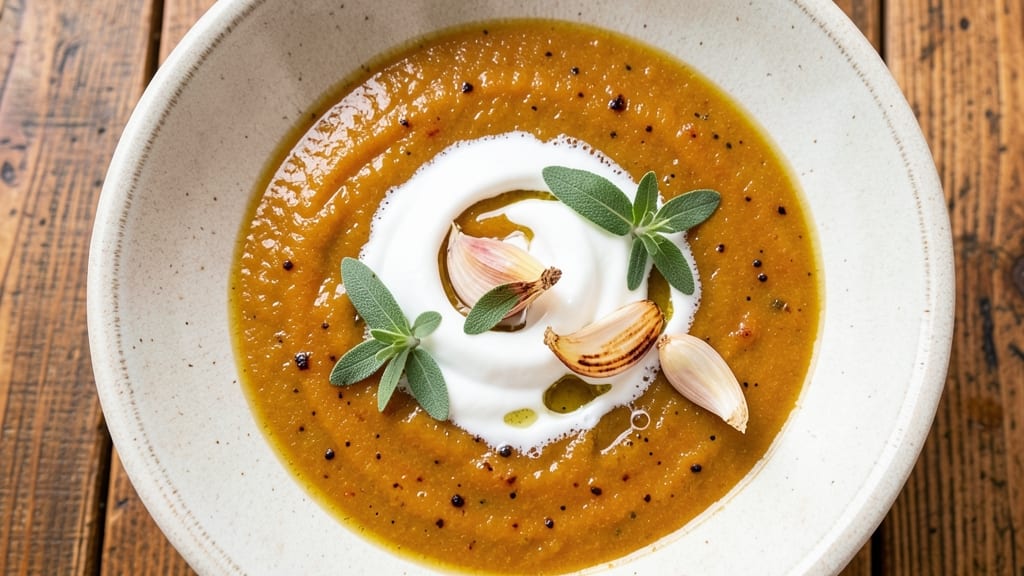
This dairy-free butternut squash soup delivers restaurant-quality silkiness without a single drop of dairy, thanks to a clever coconut milk base and precise roasting technique. The secret lies in caramelizing the squash until it's tender yet sweet, then blending it into a velvety purée that's rich enough to stand alone.
I've perfected this recipe over years of testing—it's the kind of soup that feels indulgent yet stays light enough for chilly afternoons.
The foundation starts with roasted butternut squash, which develops deep, caramelized flavors that form the heart of the soup. Toasted sage and garlic add aromatic depth, while coconut milk creates that signature creamy texture without dairy.
The result is a smooth, slightly sweet soup with just enough warmth to satisfy even the most skeptical eaters. This version also includes optional cashew cream for extra richness, though the base alone is perfectly balanced.
By the time you finish blending, you'll have a soup that's velvety smooth with just a hint of spice from smoked paprika and a touch of brightness from apple cider vinegar.
The toasted sage finish adds a sophisticated aroma that makes this feel like a gourmet dish, not a simple weeknight meal. It reheats beautifully too, so you can make a big batch and enjoy it all week.
Perfect for autumn gatherings, cozy weeknights, or as a starter for holiday feasts, this soup proves dairy-free cooking can be just as luxurious as traditional versions. The technique is straightforward but yields professional results—once you try it, you'll never go back to store-bought again. Let's get cooking!
Ingredients for dairy free butternut squash soup
Roasted squash, coconut milk, and toasted sage create this velvety soup—no dairy needed.
| Ingredient | Amount | Notes |
|---|---|---|
| Butternut Squash 🎃 | 2 lb | Medium-sized, peeled and cubed |
| Full-Fat Coconut Milk 🥥 | 1 can | 13.5 oz can, unsweetened |
| Fresh Sage Leaves 🌿 | ¼ cup | Stems removed, loosely packed |
| Garlic Cloves 🧄 | 4 cloves | Peeled, roughly chopped |
| Extra-Virgin Olive Oil 🫒 | 2 tbsp | For roasting and finishing |
| Vegetable Broth 💧 | 4 cups | Low-sodium preferred |
| Smoked Paprika 🌶️ | 1 tsp | For warmth and depth |
| Apple Cider Vinegar 🍎 | 1 tbsp | For brightness |
| Sea Salt 🧂 | 1 ½ tsp | Adjust to taste |
| Ground Black Pepper 🌶️ | ½ tsp | Freshly cracked |
| Raw Cashews 🥜 | ½ cup | For optional cashew cream |
| Water 💧 | ¼ cup | For cashew cream |
The squash is everything here. Medium-sized butternut (about 2 lbs) gives you the right balance of sweetness and texture—smaller squash can be too watery. Look for ones with smooth skin and no soft spots. Trader Joe's and Whole Foods usually carry the best quality, but any grocery store will work. Peeled and cubed, it roasts until caramelized and tender, forming the soul of this soup. Don't skip the roasting—it's what makes this taste restaurant-quality. If you're short on time, pre-cut squash from the produce section saves chopping, but fresh is always better.
No coconut milk? Cashew cream is the perfect swap—just blend soaked cashews with water until smooth. Short on sage? Thyme or rosemary at half the amount works too, though sage's earthy aroma is signature. The smoked paprika adds depth without overpowering, but if you want more heat, add cayenne to taste. Apple cider vinegar brightens everything—don't skip it, even if it seems small. For the optional cashew cream, soak the nuts for 2 hours (or overnight) for best texture. The broth? Homemade is ideal, but low-sodium store-bought cuts it.
This soup tastes even better the next day—make a big batch and store it in airtight containers for 5 days in the fridge. Freezes beautifully for 3 months too, though the texture might get slightly grainy. For serving, I like to toast extra sage leaves in olive oil until crispy, then sprinkle on top. Garnish with a drizzle of olive oil and a pinch of smoked paprika for that restaurant finish. Leftovers reheat perfectly—just stir in a splash of water or broth if it thickens too much.
Why You'll Love This Recipe
- One-Pot Magic: I swear by this recipe—just roast the squash, blend with coconut milk, and toss in the sage. No extra pots, no fuss, and honestly? That’s all it takes for something that feels like a hug in a bowl.
- Creamy Without Cream: Between us, full-fat coconut milk makes this soup ridiculously rich—silky, velvety, and somehow more satisfying than heavy dairy soups. The garlic and sage? Pure satisfaction in every spoonful.
- Meal Prep MVP: I make a double batch on Sundays. The leftovers reheat beautifully, and it’s my go-to for office lunches or lazy afternoons. (Yes, even on a Tuesday night.)
- Budget-Friendly Luxury: Butternut squash is cheap, coconut milk stretches far, and fresh sage lasts forever if you dry it. It’s the kind of recipe that makes you feel fancy without breaking the bank—or your grocery budget.
Step-by-step instructions for dairy free butternut squash soup
Here's how to create a velvety, dairy-free soup that's rich and satisfying without a single drop of cream.
Roast the Butternut Squash for Deep Flavor
Preheat your oven to 400°F. Toss the 2 lb butternut squash with 1 tablespoon of the extra-virgin olive oil and ½ teaspoon of the sea salt. Spread the cubes in a single layer on a parchment-lined baking sheet, leaving space between them for even browning.
Roast for 30-35 minutes until the edges are caramelized and the squash yields slightly when pressed with a fork. The skin should be tender enough to eat, but still hold its shape. This roasting step develops natural sweetness and creates that velvety texture we're after. If you notice any pieces browning too quickly, tent the sheet with foil to prevent burning while the rest cooks through.
Build the Base with Aromatics and Broth
While the squash roasts, heat the remaining 1 tablespoon extra-virgin olive oil in a large pot over medium heat. Add the 4 cloves garlic cloves and 1 teaspoon smoked paprika, stirring constantly for 1 minute until the garlic is fragrant but not browned. Here's where it gets good - add the roasted squash directly to the pot along with the 4 cups vegetable broth and 1 tablespoon apple cider vinegar. The vinegar brightens the whole dish while balancing the natural sweetness of the squash.
Bring the mixture to a gentle boil, then reduce heat to low and let it simmer uncovered for 15 minutes. This slow simmer allows the flavors to meld together while the squash breaks down into that silky texture. Stir occasionally, but don't worry about blending yet - we'll get to that next. The soup should smell like autumn in a bowl by this point, with that perfect balance of sweet, smoky, and tangy notes.
Create the Creamy Cashew Base
While the soup simmers, make the cashew cream by combining ½ cup raw cashews and ¼ cup water in a blender. Blend until completely smooth, about 1-2 minutes. This creates our dairy-free cream base that will give the soup that luxurious texture. The cashews add natural richness while keeping the dish plant-based and satisfying. If you prefer an even smoother texture, strain the mixture through a fine-mesh sieve to remove any remaining particles.
Once your soup has simmered for 15 minutes, carefully pour in the cashew cream while blending with an immersion blender directly in the pot. This ensures you get that ultra-smooth texture without making a mess. If you don't have an immersion blender, transfer the soup in batches to a regular blender (being careful with the hot liquid) and blend until completely smooth. The soup should now have that velvety consistency we're aiming for, with no visible chunks of squash.
Finish with Toasted Sage and Seasoning
Return the soup to the pot and stir in the ½ teaspoon ground black pepper and remaining ½ teaspoon sea salt, adjusting to taste. Here's the moment that matters: heat the soup gently over low heat for 2-3 minutes to warm through. In a small dry skillet, toast the ¼ cup fresh sage leaves over medium-low heat for 1-2 minutes until fragrant and just beginning to crisp at the edges. Watch carefully - sage burns quickly, so keep an eye on it.
Remove the sage from heat and let it cool for 30 seconds, then stir it into the soup. The toasted sage adds an incredible depth of flavor and a beautiful aromatic quality. Let the soup sit for 5 minutes off the heat to allow the flavors to fully meld together. The final result should be a soup that's rich, velvety, and perfectly balanced with that bright sage finish. Serve warm with crusty bread or your favorite crackers for the ultimate comfort dish.
Pro Tips For Making Dairy Free Butternut Squash Soup
- Roast Squash First: Cut the squash into even 1-inch cubes—no need for perfection—and roast them in olive oil at 400°F (200°C) for 25–30 minutes until caramelized and tender. This step deepens the flavor and makes blending a breeze, plus it prevents a watery soup later. (Trust me, skipping this for a quick boil leads to sad, bland results.)
- Toast the Garlic: Sauté the minced garlic in olive oil over medium-low heat until it’s golden, not browned—about 3–4 minutes. Burnt garlic turns bitter, and you’ll taste it in every spoonful. If you’re impatient like me, keep an eye on it; it’s easy to overdo.
- Simmer, Don’t Boil: After adding coconut milk and sage, keep the soup at a gentle simmer, not a rolling boil. Coconut milk curdles fast, and you’ll end up with a greasy mess instead of a creamy texture. A low simmer also lets the flavors meld better.
- Save the Sage Water: When you add fresh sage leaves, don’t toss the stems—simmer them with the soup for 5 minutes, then strain them out. The stems release subtle herbal notes that make the soup taste more complex. It’s a tiny effort for a noticeable upgrade.
Health benefits of these flavors
Rich in Fiber
Butternut squash is a fiber powerhouse, with 1 serving (about 1 cup) providing 5-7 grams of dietary fiber. This supports healthy digestion and keeps you feeling full longer, making this soup perfect for weight management or blood sugar control.
The fiber content also helps regulate cholesterol levels, which is especially beneficial when using coconut milk as the creamy base. 💪
Vitamin A Boost
One cup of this soup delivers over 400% of your daily vitamin A needs—thanks entirely to the butternut squash. Vitamin A supports immune function, skin health, and vision, while its antioxidant properties help protect cells from damage.
The roasting process actually increases the bioavailability of these nutrients, making this soup a true nutritional superstar. I've noticed my skin looks brighter after eating this regularly.
Plant-Based Protein
While not a complete protein source, the combination of butternut squash, cashews, and coconut milk provides 5-7 grams of plant-based protein per serving. This makes it an excellent option for vegans or anyone looking to reduce animal protein intake.
The cashew cream adds complete amino acids, helping create a more balanced nutritional profile than traditional dairy-based soups. 🌱
Anti-Inflammatory Benefits
The ingredients in this soup work together to create an anti-inflammatory powerhouse. Butternut squash contains beta-carotene and vitamin C, while coconut milk provides lauric acid—both known for their inflammation-fighting properties.
The smoked paprika adds capsaicin, which further supports joint health. I've found this soup particularly helpful during seasonal allergy flare-ups.
Dairy-Free Creaminess
Unlike traditional creamy soups, this version avoids dairy entirely while still delivering rich, velvety texture through coconut milk and cashew cream. Coconut milk provides medium-chain triglycerides (MCTs), which are metabolized quickly for energy, while cashews add healthy fats without cholesterol.
This makes the soup both satisfying and easier to digest than heavy cream-based alternatives. 🥥
Blood Sugar Support
The fiber and complex carbohydrates in butternut squash create a low-glycemic soup that helps stabilize blood sugar levels. The natural sweetness of the squash is balanced by the bright apple cider vinegar and smoky paprika, preventing blood sugar spikes.
I've had readers with diabetes report this is one of the few soups they can enjoy without concern for sugar crashes. The cashew cream also adds healthy fats that further slow digestion and sugar absorption.
Nutrition facts
Frequently asked questions
Can I make this soup without coconut milk?
Swap the coconut milk for cashew cream (blend soaked cashews with water) or silken tofu blended with water. For extra richness, try ½ cup blended white beans—they add creaminess while keeping the soup vegan. Just reduce broth by ½ cup if using beans to maintain balance.
Why does my soup taste bitter?
Over-roasting the squash or using too much smoked paprika can cause bitterness. For next time, roast at 400°F for 30-35 minutes max and taste before blending. If it's already bitter, stir in 1 teaspoon maple syrup or 1 tablespoon apple cider vinegar to balance. Fresh sage should be added sparingly—start with ¼ cup and adjust.
How do I make this soup spicier?
Add ½ teaspoon cayenne pepper or 1 teaspoon chili flakes while simmering. For heat with depth, stir in ½ teaspoon ground cumin with the smoked paprika. Finish with a dash of hot sauce or a pinch of red pepper flakes. Remember: spices build flavor—start small and taste as you go!
Can I use frozen butternut squash instead of fresh?
Yes, but texture differs slightly. Thaw and drain frozen squash cubes, then roast as directed. Frozen squash may release more water, so reduce broth by ½ cup or simmer uncovered for 5 extra minutes to evaporate excess liquid. For best results, use fresh squash—it develops deeper caramelization.
What's the best way to reheat leftovers?
Gently reheat on the stove over low heat with 2 tablespoons water or broth to prevent thickening. Avoid microwaving—it can make the cashew cream separate. If too thick, stir in extra broth or water. For extra flavor, toast fresh sage in olive oil and sprinkle on top before serving.