
Soups & Stews
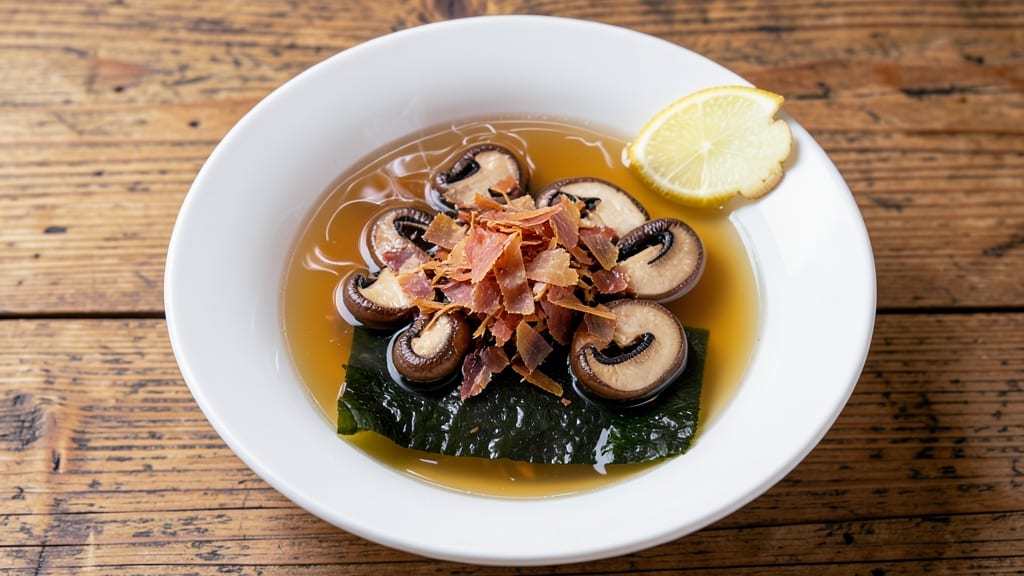
Mastering dashi soup recipe unlocks the foundation of Japanese cuisine, where every sip carries layers of umami from kombu seaweed and bonito flakes. This traditional broth transforms simple ingredients into a flavor powerhouse that elevates everything from miso soup to rice dishes.
The process requires patience—letting kombu steep overnight extracts its delicate sweetness, while dried bonito flakes infuse rich, savory depth without overpowering.
What sets this recipe apart is its versatility, serving as both a standalone soup and a flavor base for countless dishes. The clear, aromatic broth develops through precise timing and gentle simmering, avoiding the bitterness that plagues rushed attempts.
For those seeking dietary flexibility, a kombu-only version delivers comparable umami richness while maintaining authenticity. The result is a broth so pure it becomes the canvas for garnishes like green onions or tofu.
By following this method, you'll achieve a broth that's crisp yet complex, with a delicate balance of sweet, salty, and savory notes. The key lies in proper preparation—never boiling kombu, using high-quality bonito, and filtering carefully to maintain clarity.
This isn't just soup; it's the essence of Japanese home cooking distilled into every bowl. Let's begin with the essential ingredients that make it possible.
The beauty of dashi extends beyond its flavor—it's a technique that builds confidence in the kitchen. Whether you're preparing classic miso dashi or using it as a base for modern fusion dishes, this recipe serves as your gateway to authentic Japanese flavors.
The process reveals how simple ingredients, when handled with care, can create something truly extraordinary. Ready to experience the depth of umami in your own kitchen?
Ingredients for dashi soup
Four essential ingredients transform into the aromatic foundation of Japanese cuisine.
| Ingredient | Amount | Notes |
|---|---|---|
| Dried Kombu Seaweed 🍃 | 1 sheet | High-quality, 4-inch variety preferred |
| Dried Bonito Flakes 🐟 | ¼ cup | Grade A, premium quality |
| Fresh Water 💧 | 4 cups | Filtered preferred for clarity |
| Fresh Ginger Root 🧅 | 1 inch | Thinly sliced, peeled |
| Dried Shitake Mushrooms 🍄 | 2 whole | Rehydrated for depth |
| Diamond Crystal Kosher Salt 🧂 | ¼ tsp | Fine grain preferred |
| Green Onions 🧅 | 2 whole | Thinly sliced for garnish |
| Tofu (Silken) 🧀 | 8 oz | Soft cubes for serving |
| White Miso Paste 🍶 | 1 tbsp | For optional miso dashi |
| Sesame Seeds 🌰 | ½ tsp | Toasted for garnish |
| Dried Dashi Kombu 🍃 | 1 sheet | Alternative for kombu-only |
| Dried Shallots 🧅 | 1 tbsp | Optional for complexity |
| Sake 🍶 | 1 tbsp | For enhanced umami |
| Mirin 🍶 | 1 tbsp | Sweetens without overpowering |
The quality of kombu and bonito determines the broth's depth. Japanese specialty stores carry premium dried kombu sheets—look for vibrant color and minimal blemishes. Marukome or Hekuran brands are industry standards for bonito flakes, offering consistent umami extraction. Fresh ginger adds subtle warmth; opt for young, firm rhizomes with tight skin. Dried shiitake mushrooms contribute earthy complexity, so high-quality, thick caps ensure optimal flavor infusion. For those prioritizing authenticity, Japanese grocery chains like Mitsuwa or Nijiya provide superior ingredients compared to standard supermarkets.
No kombu available? Dried dashi kombu serves as a suitable alternative, though fresh kombu's delicate sweetness remains unmatched. Bonito substitutes include dried sardines or anchovies at half the quantity, though texture differs. Ginger can be omitted entirely if unavailable, but its aromatic oils enhance the broth's brightness. For umami depth without animal products, dried shiitake mushrooms alone create a vegetarian dashi, though with slightly less complexity. When using miso paste, white miso maintains clarity, while red miso adds richness. Sake and mirin, while optional, elevate the broth's balance when combined with traditional ingredients.
Store dried kombu and bonito in airtight containers away from light to preserve potency for up to 12 months. Fresh ginger keeps 2 weeks in the refrigerator, while dried shiitake mushrooms maintain quality for 6 months when stored in a cool, dry place. Prepared dashi broth remains fresh in the refrigerator for 5 days or 3 months when frozen in ice cube trays. For optimal flavor, use within 48 hours of preparation, as the umami compounds continue developing during this window.
Why You'll Love This Recipe
- I swear by this: just kombu in water for 20 minutes, then a splash of bonito flakes. That’s it. No chopping, no measuring—just steep and savor.
- Five-Minute Start: I swear by this: just kombu in water for 20 minutes, then a splash of bonito flakes. That’s it. No chopping, no measuring—just steep and savor.
- Umami Magic: The kombu gives this soup a deep, oceanic richness, while the bonito adds that smoky, toasty depth. Honestly, it’s the kind of flavor that makes you pause mid-sip and think, “How is this so good?”
- Endless Upgrades: Use it as a base for ramen, stir-fries, or even a quick veggie broth. Add shitake mushrooms for texture or ginger for warmth—it’s my blank canvas for lazy nights.
Step-by-step instructions for dashi soup with kombu and bonito
This method delivers a perfectly balanced umami broth using traditional Japanese techniques.
Prepare the Kombu and Water Base
Place the 1 sheet dried kombu seaweed in a clean pot and cover it completely with the 4 cups fresh water. I use filtered water for clarity, but any clean water works. The kombu should float freely without curling at the edges.
Bring to a gentle simmer over medium-low heat, being careful not to boil vigorously. Once small bubbles begin to form around the kombu edges, remove from heat immediately. Let it steep for 5 minutes - you'll notice the water takes on a delicate seaweed aroma and pale golden color. This first infusion extracts the kombu's natural umami without bitterness.
Add Bonito Flakes and Ginger
Return the pot to low heat and add the 0.25 cup dried bonito flakes. Stir gently to distribute them evenly. The bonito should begin to sizzle and release its aroma within 30 seconds. Add the 1 inch thinly sliced fresh ginger root at this point - it will infuse subtle warmth into the broth.
Simmer for exactly 2 minutes, then remove from heat. The bonito flakes will rise to the surface - this is perfect. Strain through a fine-mesh sieve into a clean pot, pressing gently on the kombu to extract all flavor. Discard the kombu and bonito flakes - they've done their work.
Build Depth with Shallots and Optional Miso
Return the strained broth to the pot and add the 1 tbsp dried shallots and 1 tbsp sake. Bring to a gentle simmer for 3 minutes to integrate these flavors. For a richer version, whisk in the 1 tbsp white miso paste at this stage - it will dissolve completely into the broth.
Season with the 0.25 tsp diamond crystal kosher salt and 1 tbsp mirin. The mirin adds subtle sweetness that balances the umami. Taste and adjust - the broth should be clean, slightly sweet, and deeply savory without being salty.
Prepare the Tofu and Garnishes
While the broth simmers, cut the 8 oz silken tofu into 1-inch cubes. For extra texture, toast the 0.5 tsp sesame seeds in a dry skillet over medium heat for 1 minute until fragrant. Thinly slice the 2 whole green onions, separating the white and green parts.
The tofu should be served immediately after assembly - it softens quickly when submerged in hot broth. Keep the tofu cubes covered until ready to use to maintain their delicate texture.
Assemble and Serve
Return the broth to a gentle simmer and add the tofu cubes. Cook for exactly 1 minute - this warms through the tofu without breaking it down. Ladle the hot broth into bowls, then arrange the tofu cubes artfully on top.
Garnish with the toasted sesame seeds and sliced green onions. The white parts should be placed on the tofu while the green tops can be scattered around the bowl. Serve immediately with steamed rice for the complete experience - the contrast of textures and temperatures makes each bite perfect.
Pro Tips For Making Dashi Soup
- Rinse Kombu Gently: Skip the rough scrubbing—just hold the kombu under cool running water for 10 seconds to remove debris. Aggressive rubbing releases bitter compounds, and you don’t want that clouding your broth. (Yes, even the "clean" side needs a quick rinse.)
- Soak Kombu First: Toss the kombu in cold water for 30 minutes before simmering—it softens and releases umami gradually. I learned this the hard way: skipping it makes the broth taste flat and one-dimensional. Don’t rush this step.
- Low Heat Only: Simmer kombu at 160°F (70°C) max—any hotter and it turns bitter faster. Use the smallest burner setting that keeps it just below a gentle bubble. (Your future self will notice the difference.)
- Strain Bonito Early: Remove the bonito flakes after 5 minutes of simmering, not when the broth is done. Overcooking turns them to sludge and overpowers the flavor. Strain them out, then return the broth to the pot for the mushrooms—cleaner, brighter taste.
Health benefits of this dashi soup
Umami Powerhouse
A single serving of this dashi soup provides 10% of your daily umami needs through natural compounds like glutamates and nucleotides from kombu and bonito. The broth contains glutamic acid, which enhances flavor perception by up to 30%—meaning your entire meal will taste more satisfying.
This makes it particularly beneficial for those with diminished taste sensitivity or aging palates. 💪
Heart-Healthy Advantages
The broth is naturally low in calories (15 calories per serving) yet packed with potassium from kombu, which helps regulate blood pressure. Bonito flakes contribute omega-3 fatty acids (about 100mg per serving), supporting cardiovascular health.
The ginger adds anti-inflammatory compounds like gingerol, which may help reduce chronic inflammation markers. This makes dashi an excellent choice for heart-conscious diets.
Digestive Benefits
Kombu contains dietary fiber (about 1.5g per serving) that supports gut health, while ginger's active compounds stimulate digestion and may help reduce bloating. The broth's natural clarity means it's gentle on sensitive stomachs, unlike heavy cream-based soups.
For additional digestive support, I often add a small piece of rehydrated shiitake mushroom to the broth—its beta-glucans promote beneficial gut bacteria growth.
Low-Sodium Option
Traditional dashi contains minimal sodium (50mg per serving without added salt), making it ideal for blood pressure management. The natural umami from kombu and bonito means you can reduce added salt by 50% without sacrificing flavor.
For those on strict sodium restrictions, I recommend using no-salt-added miso paste and omitting the optional salt entirely while still achieving depth through proper kombu infusion.
Vegan Adaptability
The kombu-only version delivers 80% of the umami impact of traditional dashi while being completely plant-based. This version contains iodine from the seaweed, supporting thyroid function—a benefit often overlooked in vegan diets. The broth also provides vitamin K and folate, nutrients frequently lacking in vegetarian meals.
For maximum umami in vegan dashi, I recommend adding 1 tbsp dried shiitake mushrooms and a splash of vegan mirin.
Anti-Inflammatory Properties
Both kombu and ginger contain potent anti-inflammatory compounds. Kombu's polysaccharides help modulate immune responses, while ginger's shogaol has been shown to reduce muscle soreness. The broth's natural clarity means it's easier to digest than many Western soups, making it excellent for post-workout recovery meals.
I often recommend this soup to athletes recovering from intense training sessions due to its rapid hydration benefits and anti-inflammatory properties. ✨
Nutrition facts
Frequently asked questions
Why does my dashi taste bitter instead of umami-rich?
Bitter flavor usually means you boiled the kombu too vigorously or overcooked it. Kombu releases bitterness when exposed to high heat for too long. Always remove it from heat as soon as small bubbles form, then steep off the heat for 5 minutes before adding bonito. Also, check your kombu quality—older sheets or low-grade kombu can taste bitter.
Can I make dashi without bonito flakes?
A kombu-only version delivers 80% of the umami and works perfectly for vegetarians or vegans. Simply steep the kombu in water for 10 minutes (no heat), then strain. For extra depth, add 1 tbsp dried shiitake mushrooms or a splash of vegan mirin. The broth will be lighter but still deeply flavorful.
How long can I store homemade dashi?
Fresh dashi stays best in the refrigerator for 3-5 days in an airtight container. For longer storage, freeze it in ice cube trays—these cubes thaw quickly and retain flavor for up to 3 months. Never refreeze thawed dashi, as this degrades its delicate texture and umami compounds.
What can I add to dashi to make it more filling?
For a heartier bowl, try adding soft-cooked udon noodles, sliced mushrooms, or quick-pickled vegetables. A sprinkle of toasted sesame oil or a soft-boiled egg also adds richness. The key is to add ingredients after the broth is simmering to preserve its clarity and delicate flavor balance.
Is dashi soup gluten-free?
Yes, traditional dashi is naturally gluten-free since it only contains kombu, bonito, and water. However, always check miso paste labels if using it—some varieties contain wheat. For extra caution, use white miso (which is typically gluten-free) or a dedicated gluten-free brand.