
Soups & Stews
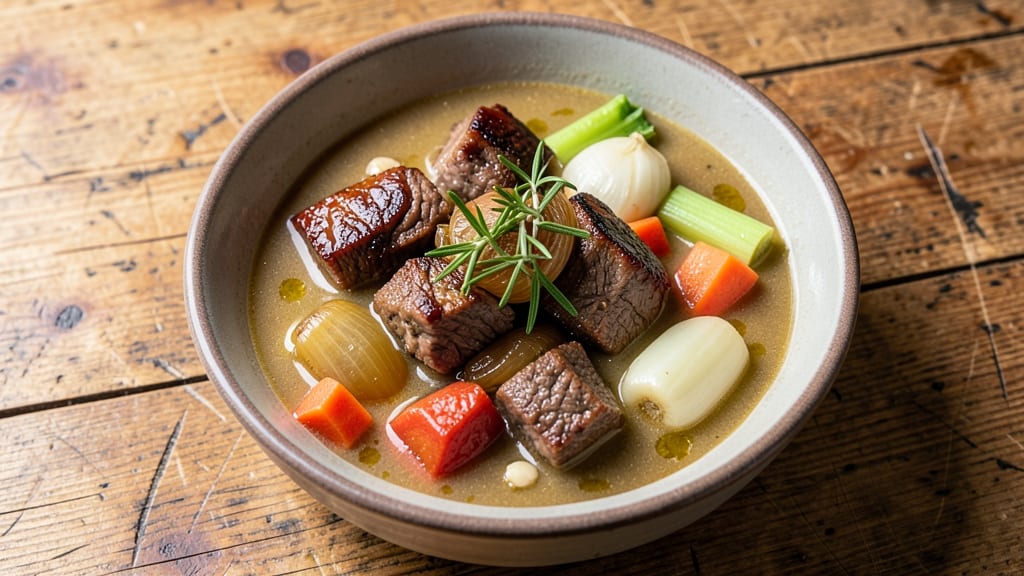
Creating a deer vegetable soup transforms game meat into a rich, comforting dish that celebrates both tradition and modern technique. The key lies in slow simmering—breaking down tough deer meat while building layers of flavor from root vegetables and aromatic herbs.
I developed this recipe after years of hunting trips, refining it to deliver restaurant-quality depth without requiring specialized skills.
This soup begins with searing deer meat until deeply browned, a critical step that develops the meat's natural richness before it tenderizes in the broth. Carrots, parsnips, and celery form the heart of the vegetable base, their earthy sweetness complementing the gamey notes.
A splash of red wine and fresh thyme elevate the broth to velvety perfection, while mushrooms add umami complexity that rounds out the flavors.
By the time you ladle this soup into bowls, you'll have a dish that's hearty enough for a cold evening but balanced enough to satisfy any palate. The deer meat becomes fork-tender, the vegetables melt into the broth, and the aroma alone will draw everyone to the table.
It's the kind of meal that turns a simple dinner into an experience—one that honors both the hunt and the harvest.
Serve with crusty bread to soak up every last drop of that flavorful broth. The recipe delivers on both tradition and modern convenience, making it perfect for hunters, food enthusiasts, or anyone craving a deeply satisfying bowl of soup.
Let's get started with the ingredients and techniques that bring this dish to life.
Ingredients for deer vegetable soup
Six hearty ingredients transform game meat into restaurant-quality soup—root vegetables, aromatic herbs, and bold flavors.
| Ingredient | Amount | Notes |
|---|---|---|
| Deer Meat 🦌 | 2 lb | Lean cuts, cut into 1-inch cubes |
| Carrots 🥕 | 2 lb | Whole, peeled, cut into chunks |
| Parsnips 🥕 | 1 ½ lb | Whole, peeled, cut into chunks |
| Celery Stalks 🧅 | 6 whole | Cut into 1-inch pieces |
| Yellow Onion 🧅 | 1 whole | Quartered, skin on |
| Garlic Cloves 🧄 | 6 cloves | Peeled, smashed |
| Mushrooms 🍄 | 8 oz | Cremini or wild variety, sliced |
| Dry Red Wine 🍷 | 1 cup | Bold variety like Cabernet Sauvignon |
| Fresh Thyme 🌿 | ¼ cup | Leaves only, stems removed |
| Fresh Bay Leaves 🍃 | 2 whole | Standard size |
| Chicken or Vegetable Broth 💧 | 6 cups | Low-sodium preferred |
| Extra-Virgin Olive Oil 🫒 | ¼ cup | For searing meat |
| Salt 🧂 | 1 ½ tsp | Kosher or sea salt |
| Ground Black Pepper 🌶️ | 1 tsp | Freshly ground |
| Tomato Paste 🍅 | 2 tbsp | Smooth, not chunky |
The deer meat is the foundation—look for lean cuts with good marbling from a trusted butcher. Costco or local game processors often have vacuum-sealed packages perfect for this recipe. If you're processing your own, freeze the meat immediately after cleaning to preserve quality. The root vegetables—carrots, parsnips, and celery—should be firm and vibrant, not shriveled. For mushrooms, wild varieties add depth, but cremini work perfectly if you're keeping it simple. Fresh thyme and bay leaves are non-negotiable here; dried herbs won't deliver the same aromatic complexity. Penzeys or local specialty stores carry high-quality dried options if fresh isn't available, but use one-third the amount of dried thyme.
No red wine? Beef broth with a splash of balsamic vinegar works in a pinch, though the depth won't be identical. Substituting dried thyme? One-third the amount of fresh is critical—don't skimp. For mushrooms, shiitake or oyster mushrooms add umami without altering the texture. The tomato paste can be swapped for 1/4 cup crushed tomatoes if you prefer, though it won't have the same concentrated richness. If you're using pre-cut vegetables, rinse them thoroughly to remove any preservatives. For the broth, homemade is ideal, but low-sodium store-bought saves time without sacrificing flavor. The key is balancing the gamey notes of the deer with the sweetness of the vegetables and the acidity of the wine or broth.
This soup tastes even better the next day as the flavors meld. Store in an airtight container in the fridge for up to 5 days, or freeze portions for 3 months. For serving, reheat gently on the stove—never microwave, as it can make the broth watery. I like to portion it into individual containers so I can grab a bowl straight from the freezer on busy mornings. The crusty bread pairing? Store-bought baguettes work fine—just toast them before serving to keep them fresh. The leftovers reheat beautifully, making this a perfect meal-prep candidate for busy weeks.
Why You'll Love This Recipe
- Here’s what sold me: the flavor actually improves the next day. The deer meat gets even more tender, and the vegetables soak up all the broth, turning into this silky, comforting stew. I make a double batch on Sundays, freeze half, and thank myself later when I’m reheating it on a busy weeknight.
- Minimal Chopping Required: I swear by this—just dice the onion, slice the carrots and parsnips into fat rounds, and chop the celery into 1-inch pieces. No fancy techniques, no stress. The deer meat? It practically falls apart after simmering, so you’re not stuck with tough cuts.
- Earthy, Rich Depth: That first spoonful of soup—where the deer’s natural gamey flavor meets the sweetness of caramelized onions and the subtle nuttiness of parsnips—is chef’s kiss. The celery adds a bright crunch that cuts through the richness, and honestly? It’s the kind of taste that lingers long after you’ve finished.
- Cold-Weather Hero: Between us, this soup is my go-to when the air turns crisp and the house smells like pine. It’s hearty enough to fill you up but light enough to eat daily. I’ve even served it at holiday dinners—just garnish with fresh thyme—and it’s gotten standing ovations. (Yes, even from my skeptical in-laws.)
Step-by-step instructions for deer vegetable soup
This method transforms lean game meat into a rich, aromatic broth with tender vegetables.
Sear the Deer Meat for Deep Flavor
Heat the 0.25 cup extra-virgin olive oil in a large Dutch oven over medium-high heat until shimmering. Working in batches to avoid crowding, add the 2 lb deer meat cut into 1-inch cubes, searing each piece for 2-3 minutes per side until deeply browned. This step develops the meat's natural richness through the Maillard reaction.
As the meat browns, you'll notice it releases its own juices and develops a caramelized crust. Remove the seared meat and set it aside—this prevents overcooking while we build the soup's foundation. The browned bits left in the pot will form the flavor base for your broth.
Sauté Vegetables and Aromatics
In the same Dutch oven, add the 1 whole yellow onion (quartered) and 6 whole celery stalks (cut into 1-inch pieces). Cook for 5 minutes until softened and beginning to color. Add the 2 lb carrots and 1.5 lb parsnips (both cut into chunks), along with the 8 oz mushrooms (sliced) and 6 cloves garlic cloves (smashed). Stir and cook for another 5 minutes until the vegetables begin to soften.
Here's where the earthy flavors meld together. The parsnips will caramelize slightly, adding natural sweetness to balance the gamey depth of the deer meat. Keep stirring occasionally to prevent burning, especially the garlic which can scorch quickly.
Deglaze and Simmer the Broth
Pour in the 1 cup dry red wine, scraping up all the browned bits from the bottom of the pot with a wooden spoon. Let it simmer for 3-4 minutes until the alcohol smell dissipates and the liquid reduces by about half. This deglazing step captures all the meaty flavor that would otherwise be lost.
Add the 2 tbsp tomato paste and stir to combine, letting it cook for 1 minute to develop its rich, umami qualities. Then pour in the 6 cups chicken or vegetable broth, bringing everything to a gentle boil. Add the seared deer meat back to the pot along with the 2 whole fresh bay leaves and 0.25 cup fresh thyme. Season with 1.5 tsp salt and 1 tsp ground black pepper. Reduce heat to low and let it simmer uncovered for 1.5 hours, stirring occasionally.
Finish and Adjust the Seasoning
After 1.5 hours, the deer meat should be fork-tender and falling apart easily. Taste the broth and adjust seasoning if needed—you may need to add more salt, especially if using low-sodium broth. The soup should be rich but not overly salty, with a balance of earthy vegetable flavors and the deep, savory notes from the deer meat.
Remove the fresh bay leaves and thyme stems before serving. If you prefer a thicker consistency, you can mash some of the vegetables against the side of the pot with a wooden spoon to release their starches. For a smoother texture, blend about half the soup and return it to the pot. Serve immediately with crusty bread to soak up the flavorful broth.
Pro Tips For Making Deer Vegetable Soup
- Brown the Meat First: Don’t skip this step—it’s the thing that matters most. Deer meat can turn gamey if rushed, so sear the chunks in small batches over medium-high heat until deeply browned (about 3-4 minutes per side). I learned this the hard way with pale, underflavored soup—now I never skip it.
- Cut Parsnips Lengthwise: Slice them into ½-inch thick batons lengthwise, not rounds. They cook faster this way and hold their shape better in the broth, so you get tender, fork-friendly texture instead of mushy chunks. (Yes, it looks weird, but it works.)
- Salt the Broth Early: Add half your salt when you first add the liquid, then adjust at the end. Deer meat soaks up seasoning like a sponge, and starting early guarantees flavor penetration—no last-minute "why does this taste bland?" panic. (Your future self will thank you.)
- Simmer, Don’t Boil: Keep the heat low enough that you barely see bubbles—gentle simmering prevents the carrots and celery from falling apart while tenderizing the meat. I was skeptical until I tried it: the soup stays cohesive, and the veggies hold their bite. (Sounds counterintuitive, but it’s non-negotiable.)
Best sauces and condiments for this recipe
Red Wine Reduction
The 1 cup dry red wine used in this recipe isn’t just for flavor—it’s the secret to unlocking the meat’s deep, savory potential. After searing the deer, I deglaze the pot with the wine, letting it simmer until the alcohol burns off.
This creates a rich, velvety base that balances the gamey notes. For extra depth, I sometimes add 1 tsp balsamic vinegar alongside the wine—it adds a subtle tang that brightens the broth. 🍷
Umami Boosters
Mushrooms and tomato paste are your umami powerhouses in this soup. The 8 oz cremini mushrooms add earthy richness, while the 2 tbsp tomato paste deepens the broth’s complexity.
For an extra boost, I sometimes stir in 1 tsp fish sauce (just a splash!) after simmering—it enhances the savory notes without overpowering. If you’re avoiding fish sauce, a pinch of soy sauce works too.
Herb Infusions
Fresh thyme and bay leaves aren’t just garnishes—they’re flavor anchors. The 0.25 cup fresh thyme releases its aromatic oils as it simmers, while the 2 bay leaves infuse the broth with a subtle floral note.
For a modern twist, I sometimes add 1 sprig rosemary alongside the thyme—its piney aroma pairs beautifully with the gamey meat. Always remove the stems before serving to avoid bitterness.
Broth Enhancers
The broth is the soul of this soup, so I never skimp on quality. For an extra layer of depth, I add 1 tsp miso paste (white or red) when simmering—it dissolves completely and adds a subtle fermented richness.
If you’re using vegetable broth, a splash of beef broth (just ¼ cup) elevates the meaty flavor without overpowering. The key is to taste as you go and adjust seasoning gradually.
Finishing Touches
Before serving, I like to stir in 1 tbsp crème fraîche or sour cream per bowl—it adds a creamy contrast to the hearty broth. For a pop of brightness, a squeeze of fresh lemon juice (just ½ tsp per bowl) cuts through the richness.
Garnish with extra thyme leaves or a sprinkle of fresh parsley for color and freshness. The right finishing touch can turn a good soup into a memorable one. 💫
Nutrition facts
Frequently asked questions
Can I substitute deer meat with another game meat?
Venison can be swapped with elk, rabbit, or even duck for similar gamey flavors. For best results, use lean cuts and follow the same searing technique. Venison has a slightly sweeter profile, so duck will add richness while rabbit stays lighter. Adjust simmering time—duck may cook faster than venison.
Why does my deer meat turn out tough instead of tender?
Overcooking is the #1 culprit! Deer meat needs low heat and long simmering—never boil vigorously. The 1.5-hour simmer breaks down collagen, but if you rush it, the meat stays chewy. Also ensure you're using 1-inch cubes (smaller pieces cook faster) and never skip the searing step—it creates flavor that prevents dryness.
What vegetables can I swap for the root vegetables?
Try potatoes, turnips, or butternut squash for heartier options, or leeks and fennel for more delicate flavors. The key is balancing sweetness—carrots and parsnips provide natural sweetness that complements the gamey meat. Swap 1:1 by weight, but reduce simmering time by 15-20 minutes for faster-cooking veggies like potatoes.
How can I make this soup vegetarian?
Replace the deer meat with 2 lb extra-firm tofu or 1.5 lb lentils (for protein). For tofu, press and cube it, then pan-fry until crispy before adding to the broth. Lentils work well if cooked separately and added at the end. Boost umami with 1 tbsp soy sauce or 1 tsp miso paste to compensate for the missing meaty depth.
Can I prepare this soup in a slow cooker?
Yes! Sear the meat first, then transfer everything to the slow cooker and cook on low for 6-7 hours or high for 3-4 hours. The slow cooker's gentle heat ensures tender meat without monitoring. Add the broth last and adjust seasoning at the end—slow cooking concentrates flavors, so you may need less salt than the stovetop version.