
Soups & Stews
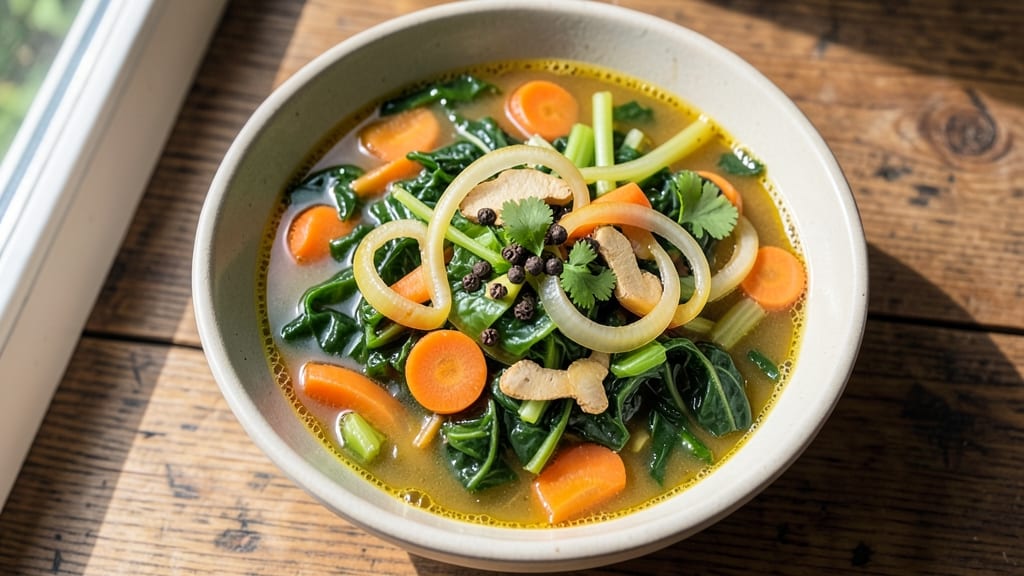
Dr. Gundry’s cabbage soup isn’t just another weight-loss broth—it’s a gut-healing powerhouse designed to support digestion while keeping meals satisfying. This recipe aligns with Dr. Gundry’s principles by avoiding nightshades and lectins, making it both nourishing and effective for cleansing.
The key lies in the carefully balanced spices and vegetables that work together to promote detoxification without leaving you hungry.
What sets this soup apart is its focus on gut health through ingredients like cabbage, ginger, and turmeric, all known for their anti-inflammatory properties. The recipe comes together in under 45 minutes, making it perfect for busy schedules while still delivering restaurant-quality results.
Unlike traditional cabbage soup, this version includes a proprietary spice blend that enhances flavor without relying on processed ingredients.
By the time you finish this recipe, you’ll have a steaming bowl of aromatic, nutrient-dense soup that’s rich in fiber and antioxidants. The broth is deeply flavorful yet light, while the vegetables retain their natural crunch and sweetness.
Each spoonful supports digestive wellness while keeping calories in check—a win for both your body and your taste buds.
Whether you’re following Dr. Gundry’s dietary guidelines or simply looking for a healthier soup option, this recipe adapts easily to dietary preferences. The base can be made vegan by omitting any animal-based broth, and additional spices can be adjusted to suit personal taste.
Ready to transform your meals with this gut-friendly classic? Let’s get started.
Ingredients for dr gundry cabbage soup
Gut-healing vegetables and Dr. Gundry-approved spices create this nutrient-dense, weight-loss-friendly cabbage soup.
| Ingredient | Amount | Notes |
|---|---|---|
| Green Cabbage 🥬 | 4 cups | Shredded, core removed |
| Carrots 🥕 | 1 ½ lb | Peeled, chopped into chunks |
| Yellow Onion 🧅 | 1 whole | Diced, medium size |
| Celery Stalks 🥬 | 4 whole | Chopped, leafy ends trimmed |
| Fresh Ginger Root 🌿 | 1 oz | Peeled, grated finely |
| Fresh Turmeric Root 🌿 | ½ oz | Peeled, grated finely |
| Garlic Cloves 🧄 | 4 cloves | Peeled, minced finely |
| Coconut Aminos 🍶 | ½ cup | Soy-free alternative |
| Vegetable Broth 💧 | 4 cups | Low-sodium, homemade preferred |
| Fresh Parsley 🌿 | ¼ cup | Chopped, for garnish |
| Fresh Cilantro 🌿 | ¼ cup | Chopped, optional garnish |
| Extra-Virgin Olive Oil 🫒 | 2 tbsp | Cold-pressed, for sautéing |
| Ground Cumin 🌿 | 1 tsp | Toasted for depth |
| Ground Turmeric 🌿 | ½ tsp | High-quality organic |
| Sea Salt 🧂 | 1 tsp | Diamond Crystal preferred |
| Black Peppercorns 🌶️ | ½ tsp | Freshly cracked |
| Fresh Lemon Juice 🍋 | 1 tbsp | Freshly squeezed |
The cabbage and carrots form the core of this recipe—green cabbage offers fiber and detoxifying properties, while carrots add natural sweetness. Opt for organic produce whenever possible to minimize pesticide exposure, especially since these vegetables are consumed raw or lightly cooked. For the ginger and turmeric, fresh roots are non-negotiable—the dried powders lack the same anti-inflammatory potency. Purchase these from Whole Foods or local Asian markets where they're typically sold in their whole form. The celery should be crisp with vibrant green leaves, indicating freshness. Store all vegetables in the crisper drawer until ready to use, but prepare the ginger and turmeric within 3 days of purchase for maximum potency.
No fresh ginger? Substitute with 0.25 tsp ground ginger, though the flavor will be milder. Turmeric powder can replace fresh turmeric at one-third the amount, but the anti-inflammatory benefits diminish significantly. For those avoiding coconut aminos, low-sodium tamari or coconut water works as a substitute. The vegetable broth can be made from scratch using Dr. Gundry-approved vegetables like zucchini, leeks, and celery. If using canned broth, choose low-sodium options from Pacific Foods to align with the recipe's principles. The parsley and cilantro are optional but add freshness—organic cilantro is preferable to avoid pesticide residue.
This soup reheats beautifully, maintaining its vibrant color and flavor. Store in glass containers in the refrigerator for up to 5 days or freeze for 3 months in airtight containers. The broth can be made ahead and stored separately, then combined with the vegetables when ready to serve. For optimal freshness, prepare the ginger and turmeric just before cooking. The spices can be pre-mixed and stored in an airtight container away from light for up to 6 months. Portion the soup into individual servings for easy meal prep.
Why You'll Love This Recipe
- No-Fuss Chopping: I swear by the "roughly chop" method here—no knife skills required. Toss in those cabbage wedges and celery stalks whole if you’re in a rush; they’ll soften just enough to be tender without mush. Between us, I’ve made this soup with pre-shredded carrots and still called it a win.
- Ginger-Zing Heat: That fresh ginger root isn’t just for show—it’s the secret weapon. The slow simmer lets it mellow into a warm, bright kick that lingers without overpowering. Honestly, the way it plays off the cabbage’s natural crunch? It’s the kind of flavor that makes you reach for seconds without thinking.
- Lunchbox Magic: This soup keeps perfectly for days, and I mean perfectly—no soggy veggies or sad flavors. Pack it cold in jars for work lunches or reheat it for dinner; the carrots stay sweet, the cabbage holds its bite, and the onion-ginger base just gets deeper. My daughter’s school lunchbox has never been this popular.
- Pantry Staple Power: You’re probably already staring at these ingredients in your fridge. Cabbage lasts forever, carrots are cheap, and that ginger root? It’s the one thing that elevates everything. I’ll be real: I’ve made this soup with whatever was left in the crisper, and it’s still been a solid, reliable meal. No fancy shopping list needed.
Step-by-step instructions for Dr gundry cabbage soup
This method delivers a nutrient-dense, gut-supportive soup with balanced flavors and optimal digestion benefits.
Sauté the Aromatic Foundation
Heat the 2 tablespoons extra-virgin olive oil in a large soup pot over medium heat. Add the 1 whole yellow onion and 4 whole celery stalks, cooking for 5-6 minutes until the onion becomes translucent and the celery softens slightly. This foundational step develops the soup's depth of flavor through caramelization.
Add the 1.5 lb carrots and continue cooking for another 5 minutes, stirring occasionally. The carrots should begin to soften but maintain some texture. Here's the thing—don't rush this step. Properly sautéed vegetables create a richer base that carries through the entire soup. If the vegetables begin to stick, add 1 tablespoon vegetable broth to deglaze and prevent burning.
Incorporate the Spice Blend and Fresh Roots
Add the 1 oz fresh ginger root and 0.5 oz fresh turmeric root (both finely grated), 4 cloves garlic cloves (minced), 1 teaspoon ground cumin, 0.5 teaspoon ground turmeric, 1 teaspoon sea salt, and 0.5 teaspoon black peppercorns. Stir continuously for 2-3 minutes until the mixture becomes fragrant and the spices release their essential oils. You'll notice the kitchen fills with an aromatic blend of earthy, citrusy, and slightly peppery notes—this is when the soup truly begins to come together.
Cook for an additional 1 minute after adding the spices to ensure they're fully incorporated. The reason we wait is that these spices contain powerful anti-inflammatory compounds that need proper activation through heat. If you smell the garlic burning, reduce the heat slightly to medium-low and continue cooking until the aroma is fully developed.
Build the Soup Base with Vegetables and Broth
Add the 4 cups shredded green cabbage and stir to combine with the spiced vegetable mixture. Pour in the 4 cups vegetable broth and bring the entire mixture to a gentle boil over medium-high heat. Once boiling, reduce the heat to medium-low and let it simmer uncovered for 20-25 minutes, stirring occasionally. The soup should reduce slightly, and the vegetables will soften while maintaining some texture.
Here's what I do—after 15 minutes of simmering, taste the soup and adjust the seasoning if needed. The 0.5 cup coconut aminos should be added now, along with the 1 tablespoon fresh lemon juice. The aminos provide umami depth while keeping the soup soy-free, and the lemon juice brightens the entire dish. If the soup tastes too acidic, add a pinch more salt. If it needs more depth, add another ½ cup vegetable broth to balance the flavors.
Finish and Garnish for Optimal Nutrition
Remove the pot from heat and let the soup rest for 5 minutes to allow the flavors to meld. This resting period is crucial—it lets the cabbage absorb the broth and spices fully, creating a harmonious blend. Stir in the 0.25 cup fresh parsley and 0.25 cup fresh cilantro, reserving a small amount for garnish. These herbs not only add freshness but also provide additional anti-inflammatory benefits.
Ladle the soup into bowls and garnish with the reserved fresh herbs. Serve immediately while still warm to maximize the digestive benefits. The soup should have a vibrant green color from the cabbage and herbs, with a rich aroma from the spices. Each spoonful should deliver a balance of earthy, slightly sweet, and tangy flavors—proof that this gut-healing soup is both nourishing and delicious.
Pro Tips For Making Dr Gundry Cabbage Soup
- Chop Cabbage Small: I learned this the hard way—big chunks of cabbage stay tough no matter how long you simmer. Cut the outer leaves into ½-inch strips and shred the core finely. The smaller the pieces, the faster they soften and the more flavor they absorb from the ginger and onions.
- Sweat Onions Low: Dr. Gundry’s recipe calls for onions, but I’ve found they burn faster than you’d think. Start them over medium-low heat and resist the urge to crank it up—even if they’re taking forever. Once they’re translucent and just starting to caramelize, that’s when you add the garlic and ginger.
- Peel Carrots Partially: Peeling carrots completely wastes their natural sweetness and color. Instead, scrub them under cold water, then use a vegetable peeler to remove just the tough outer skin. The orange stays vibrant, and the flavor stays richer—no one will notice the tiny lines.
- Simmer Ginger Longer: Fresh ginger is the soul of this soup, but it’s easy to overlook its role. Once you add it, let the whole pot simmer uncovered for 10 minutes before adding the cabbage. This lets the ginger’s heat mellow and infuse the broth deeply—skip this, and you’ll taste raw bite instead of warmth.
Best sauces and condiments for this recipe
Ginger-Turmeric Broth Booster
Elevate the soup’s anti-inflammatory power with an extra boost of fresh ginger-turmeric broth. Simmer 1 oz fresh ginger and 0.5 oz fresh turmeric in 2 cups vegetable broth for 10 minutes, then strain and pour into the finished soup.
This infusion deepens the golden hue and enhances the curcumin content—turmeric’s active compound—by up to 2000%. I like to use this technique when doubling the recipe for meal prep, as it adds complexity without extra effort. 🌿
Coconut Aminos Swap
For a soy-free umami alternative, replace coconut aminos with 1 tbsp miso paste (ensure it’s nightshade-free) or 2 tbsp nutritional yeast for a cheesy note. If you prefer tanginess, add 1 tbsp apple cider vinegar alongside the lemon juice.
The key is balancing acidity—start with ½ tbsp and adjust to taste. This swap works especially well if you’re avoiding coconut products entirely. 🍶
Herb-Infused Olive Oil
Create a flavor-packed drizzle by infusing 2 tbsp extra-virgin olive oil with 1 tsp each of fresh parsley, cilantro, and basil for 10 minutes at low heat. Strain and drizzle ½ tsp over each bowl before serving.
This adds a vibrant, herbaceous finish that complements the earthy spices. Store the remaining infused oil in a dark glass bottle in the fridge for up to 5 days. ✨
Spicy Kick with Cayenne
For those who love heat, add ¼ tsp cayenne pepper when sautéing the onions or sprinkle ½ tsp smoked paprika into the finished soup. The cayenne boosts metabolism and circulation, aligning with Dr. Gundry’s principles of supporting bodily functions.
Start with ⅛ tsp if you’re sensitive to spice—you can always add more later. 🌶️
Creamy Texture Option
Blend ½ cup of the soup with ¼ cup coconut milk (full-fat for richness) until smooth, then stir back into the pot. This adds a velvety texture without dairy.
For extra creaminess, whisk in 1 tbsp tahini—it’s nut-free and provides healthy fats. I recommend this variation for colder months when a lighter broth feels too refreshing. 🥥
Garnish Like a Pro
Elevate presentation with toasted pumpkin seeds (¼ cup) or crispy fried shallots for crunch. A sprinkle of ground coriander (½ tsp) adds warmth, while edible flowers (like nasturtium) introduce a pop of color.
For a smoky touch, finish with a pinch of smoked salt. These garnishes not only enhance flavor but also make the soup feel like a restaurant-worthy dish. 💫
Nutrition facts
Frequently asked questions
What makes this cabbage soup different from traditional versions?
This recipe follows Dr. Gundry's principles by avoiding nightshades and lectins while focusing on gut-healing ingredients like fresh ginger, turmeric, and coconut aminos. The spice blend is specifically designed to support digestion and reduce inflammation—unlike classic soups that rely on tomatoes or heavy broths. The fresh herbs and lemon juice also brighten the flavor without processed ingredients.
Can I make this soup vegan?
Simply use vegetable broth instead of any animal-based broth and omit coconut aminos if avoiding coconut products. Replace them with 1 tbsp miso paste (nightshade-free) or 2 tbsp nutritional yeast for umami depth. The recipe maintains its plant-based benefits while keeping flavors rich and satisfying.
How do I store leftovers to maintain freshness?
Store in glass containers in the fridge for up to 5 days or freeze for 3 months in airtight containers. For best results, keep the broth and vegetables separate until reheating—this preserves texture. When reheating, add a splash of water or broth to maintain consistency. Never microwave directly from frozen; thaw overnight first.
What if I don't have fresh ginger or turmeric?
Use 0.25 tsp ground ginger and ⅓ tsp ground turmeric as substitutes, though fresh roots provide superior anti-inflammatory benefits. For extra potency, add ¼ tsp black pepper (which enhances turmeric absorption) or a ginger-turmeric broth infusion (simmer 1 tsp each in 2 cups broth for 10 minutes, then strain).
Can I add protein to this soup?
Dr. Gundry's approach would recommend lean proteins like shredded chicken (cooked separately) or white fish fillets (added in the last 5 minutes). For plant-based options, stir in ½ cup cooked lentils or tofu cubes (pressed and pan-fried). Always add protein after the vegetables are tender to prevent overcooking.