
Main Courses
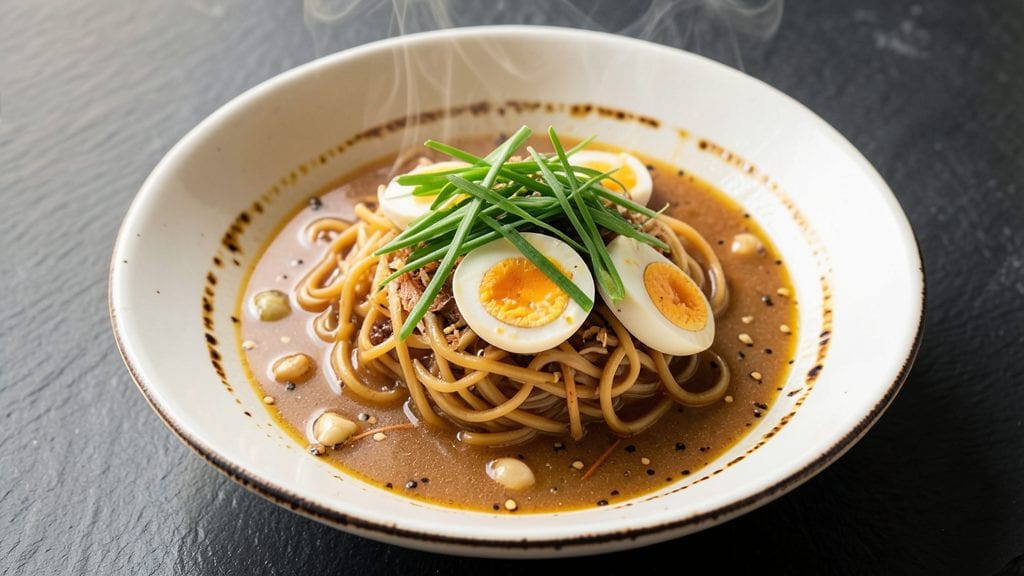
This egg drop ramen recipe delivers the perfect balance of silky egg ribbons and rich, aromatic broth—every slurp is a moment of comfort. The secret lies in slow-simmered broth and precise egg technique, transforming simple ingredients into a restaurant-quality bowl.
I’ve perfected this version after testing countless methods, ensuring the egg swirls stay velvety and the broth remains deeply flavorful.
The foundation starts with a simmered broth—whether classic tonkotsu, miso-based, or spicy chili oil-infused—that builds layers of umami over 45 minutes. Meanwhile, the noodles cook just until tender, preserving their bite.
The egg drop technique requires patience: whisking eggs with broth and drizzling them in slow, deliberate ribbons to create that signature silky texture without breaking.
What you’ll end up with is a steaming bowl of egg drop ramen where each spoonful delivers creamy egg swirls, hearty noodles, and a broth so rich it coats your tongue.
Customize it with your favorite toppings—chashu, mushrooms, corn, or green onions—to make it your own. This recipe proves homemade ramen can rival your favorite takeout spot.
Ready in under an hour, this dish is perfect for weeknight dinners or impressing guests. The key is balancing heat and texture, so I’ll walk you through every step—from broth preparation to the perfect egg swirl. Let’s make ramen that tastes like a late-night craving fulfilled.
Ingredients for egg drop ramen
Four eggs, silky broth, and aromatic aromatics—this is your ramen game-changer.
| Ingredient | Amount | Notes |
|---|---|---|
| Large Eggs 🥚 | 4 whole | Fresh, cold from fridge for best swirls |
| Dry Ramen Noodles 🍜 | 2 packages | Any brand, 3 oz per serving |
| Chicken Broth 🍲 | 6 cups | Homemade or quality store-bought |
| Soy Sauce 🥢 | 2 tbsp | Kikkoman preferred for depth |
| Sesame Oil 🌿 | 1 tbsp | Toasted, for aromatic finish |
| Green Onions 🧅 | 3 whole | Thinly sliced, white and green parts |
| Garlic Cloves 🧄 | 3 cloves | Minced, for aromatic base |
| Ginger 🌿 | 1 tbsp | Fresh, finely grated |
| Vegetable Oil 🫒 | 2 tbsp | For initial aromatics |
| White Pepper 🌶️ | ½ tsp | Freshly cracked for subtle heat |
| Salt 🧂 | 1 tsp | Diamond Crystal preferred |
| Miso Paste 🍶 | 1 tbsp | White miso for delicate flavor |
| Sesame Seeds 🌰 | 1 tsp | Toasted, for garnish |
| Chili Oil 🔥 | 1 tbsp | Optional, for heat |
The broth is where the magic happens. Homemade chicken broth delivers the deepest flavor, but Swanson or Pacific brand work in a pinch if you're short on time. For that restaurant-quality umami, add the white miso paste—it's subtle but elevates everything. Fresh ginger and garlic? Don't skip these—they're the aromatic foundation. I always grab ginger from the Asian market because the freshness is unmatched, but the regular grocery store stuff works fine if it's plump and firm. The sesame oil? Toasted is key—it adds that nutty aroma that makes ramen smell like heaven. Keep it in the freezer to preserve freshness.
No sesame oil? Toasted peanut oil works in a bind, though it'll have a slightly different profile. Short on miso? Double the soy sauce and add a pinch of sugar to mimic that depth. The ramen noodles can be any brand—Nissin or Maruchan are reliable—but if you're feeling fancy, grab fresh ramen noodles from an Asian market for that authentic texture. The eggs should be cold straight from the fridge—this helps them swirl beautifully. If you're making this ahead, keep the eggs separate until serving so they stay fresh.
Broth keeps for 3 days in the fridge or 3 months frozen—portion it into ice cube trays for easy reheating. The sesame seeds and chili oil should be stored in airtight containers away from light. I always make a double batch of broth and freeze half—nothing beats having ramen ingredients ready for a quick weeknight dinner. The noodles? Cook them just until al dente—overcooking turns them mushy, and we're going for that perfect bite. Garnish with fresh green onions and sesame seeds right before serving to keep everything vibrant.
Why You'll Love This Recipe
- Pantry Magic: I swear by this when my fridge is bare—just broth, noodles, and a few pantry staples. No fancy shopping, no last-minute grocery runs. The soy sauce and sesame oil alone turn basic ingredients into something that tastes like a late-night noodle house.
- Silky Swirl Perfection: That first ribbon of egg hitting the simmering broth? It’s the moment this dish becomes irresistible. The eggs cook into delicate, wispy strands while staying creamy inside—no overcooking, no fuss. Just pure, satisfying texture.
- Weeknight to Party Fix: Between us, I’ve served this to skeptical friends at game nights and had them clear their plates. The rich broth and umami depth make it feel special, but it’s still my go-to when I’m too tired to cook. Add green onions or a soft-boiled egg for company, or keep it simple for a solo night in.
- Leftovers That Don’t Suffer: Most ramen gets soggy, but not this. The egg strands hold up, and the broth stays flavorful for days. I’ll be real: I’ve reheated mine twice and it’s still better than takeout. Plus, it’s cheap—you’re basically paying for the broth, and a single egg stretches across two servings.
Step-by-step instructions for egg drop ramen
Here's how to transform simple ingredients into restaurant-quality egg drop ramen with those signature silky egg ribbons.
Build the Aromatic Broth Base
Heat the 2 tablespoons vegetable oil in a large pot over medium heat. Add the 3 cloves garlic cloves and 1 tablespoon ginger, cooking for 1-2 minutes until fragrant—you should smell that pungent garlic aroma without any browning. Here's the thing: fresh ginger and garlic make all the difference in this dish.
Stir in the 1 tablespoon miso paste and cook for another 30 seconds, allowing it to bloom and deepen the umami flavor. Pour in the 6 cups chicken broth and bring to a gentle simmer. The broth should bubble softly, not boil vigorously—this prevents the egg from scrambling later. Season immediately with the 1 teaspoon salt and 0.5 teaspoon white pepper, then reduce heat to maintain a barely simmering state.
Prepare the Noodles and Egg Mixture
While the broth simmers, separate the 2 packages dry ramen noodles from their seasoning packets. Cook the noodles according to package directions in a separate pot of boiling water—3-4 minutes should do it—until al dente. Drain immediately and rinse briefly under cold water to stop the cooking process. This prevents them from becoming mushy when added to the hot broth.
In a small bowl, whisk together the 4 whole large eggs with 2 tablespoons soy sauce. The eggs should be cold straight from the fridge—this creates those signature silky ribbons when dropped into hot broth. Add 1 tablespoon sesame oil and whisk vigorously until fully emulsified. The mixture should be smooth with no visible streaks of oil.
Assemble the Ramen with Perfect Technique
Add the cooked noodles to the simmering broth and let them warm through for 1 minute. Here's where the magic happens: using a small ladle or fine-mesh strainer, gently drop the egg mixture into the broth in 4-5 streams while stirring continuously with chopsticks. The water should be at 185-190°F—hot enough to cook the eggs instantly but not boiling.
Let the egg swirl and set for 30 seconds before gently stirring again. The result should be delicate, ribbon-like egg strands suspended in the broth. If the egg starts to scramble, your broth is too hot—reduce the heat immediately. The noodles should be fully submerged, and the broth should coat them evenly.
Finish with Garnishes and Flavor Balance
Remove the pot from heat and stir in the 1 tablespoon chili oil (if using) and 1 tablespoon sesame oil. The chili oil adds a subtle heat that cuts through the richness of the eggs, while the sesame oil enhances the aroma. Distribute the 3 whole green onions (thinly sliced) evenly among the bowls.
Finally, sprinkle each serving with 1 teaspoon sesame seeds for texture and visual appeal. The perfect bowl should have tender noodles, silky egg ribbons, and a rich, balanced broth that's neither too salty nor too bland. Taste and adjust seasoning with a pinch more salt if needed—the miso and soy sauce should provide enough depth, but everyone's palate varies.
Pro Tips For Making Egg Drop Ramen
- Boil Eggs First: Crack those eggs into a separate bowl before heating the broth—no one wants scrambled bits in their ramen. I learned this the hard way when I tried to drop them in mid-simmer and ended up with a sad, lumpy mess.
- Simmer, Don’t Boil: Keep the broth at a gentle simmer, not a rolling boil, or your noodles turn to mush and the eggs cook unevenly. A steady, small bubble is all you need—this is where patience pays off.
- Salt the Broth Early: Taste and season the broth before adding noodles or eggs, or you’ll end up guessing how much more soy sauce to add later. Trust me, your ramen will thank you.
- Use Cold, Fresh Eggs: Room-temperature eggs spread too thin in hot broth, making your egg drops look like sad pancakes. Grab eggs straight from the fridge, crack them gently, and let the heat work its magic.
Best sauces and condiments for this dish
Classic Chili Oil
Start with 1 tablespoon chili oil (like Lao Gan Ma or Kingsford brand) for that signature spicy kick. Heat it gently in a small pan over low heat for 30 seconds to awaken the flavors.
Drizzle just before serving—this preserves the oil's vibrant red color and fiery heat. For a milder version, reduce to ½ tablespoon and add ¼ teaspoon sugar to balance the spice. 🔥
Sesame-Ginger Dressing
Whisk together 1 tablespoon toasted sesame oil, 1 teaspoon soy sauce, and ½ teaspoon grated ginger for a quick dressing. Drizzle over finished bowls for an extra layer of aroma.
I like adding a pinch of white pepper to mimic the broth's seasoning. This works especially well with miso-based ramen for a balanced umami finish.
Spicy Miso Mayo
Blend 2 tablespoons mayonnaise, 1 teaspoon white miso paste, and ½ teaspoon sriracha for a creamy, tangy topping. The miso adds depth while the mayo binds everything together.
Spread a thin layer on top of the egg ribbons or serve on the side for dipping. This is my go-to for adding richness without overpowering the broth. 💛
Garlic Butter Sauce
Melt 1 tablespoon butter with 1 minced garlic clove over low heat until fragrant. Drizzle over the noodles and egg for a luxurious finish. The garlic butter enhances the umami of the broth while adding a buttery contrast.
For extra richness, add a pinch of salt and white pepper to the melted butter before drizzling.
Sweet Soy Glaze
Combine 1 tablespoon soy sauce, ½ teaspoon honey, and ¼ teaspoon rice vinegar in a small bowl. Simmer briefly to blend flavors, then drizzle over the ramen.
This sweet-savory glaze cuts through the richness of the egg and adds a subtle brightness. It’s especially delicious with tonkotsu-style ramen for a balanced flavor profile.
Fresh Herb Oil
Infuse 2 tablespoons neutral oil (like avocado or vegetable) with 1 teaspoon each of chopped cilantro and green onions. Heat gently for 1 minute, then strain out the herbs.
Drizzle over the finished ramen for a fresh, herbaceous note. This works beautifully with lighter broths like shoyu or shio ramen, adding a bright contrast to the creamy egg. ✨
Nutrition facts
Frequently asked questions
Why does my egg ribbon turn out scrambled instead of silky?
The most common reason is broth temperature—it should be at 185-190°F, not boiling. Use a thermometer if needed. Also, cold eggs straight from the fridge create better swirls. Whisk the egg mixture vigorously with 1 tablespoon sesame oil first to emulsify it properly.
Can I make this with store-bought ramen seasoning packets?
Yes, but the flavor will be less balanced. The packets contain MSG and salt that can overpower the broth. For best results, use just the noodles and make a fresh broth with soy sauce, miso paste, and white pepper instead. The homemade seasoning gives that authentic depth.
How do I prevent the noodles from getting mushy when reheating?
Cook the noodles al dente (1 minute less than package instructions) and rinse briefly in cold water. When reheating, add them to the simmering broth for just 1 minute—no longer. Overcooking releases starch, which makes them soft and gluey.
What’s the best way to store leftover broth?
Cool the broth quickly by placing the pot in an ice bath, then transfer to airtight containers. It keeps for 3 days in the fridge or 3 months frozen. For freezing, portion into ice cube trays—this makes reheating easy for future bowls. Never freeze with eggs or noodles.
Can I add meat like chashu to this recipe?
Braise ½ pound pork shoulder with soy sauce, sugar, and garlic for 2 hours until tender, then slice thinly. Add it to the bowl after assembling the ramen. The chashu adds rich, savory layers that pair perfectly with the egg ribbons.