
Soups & Stews
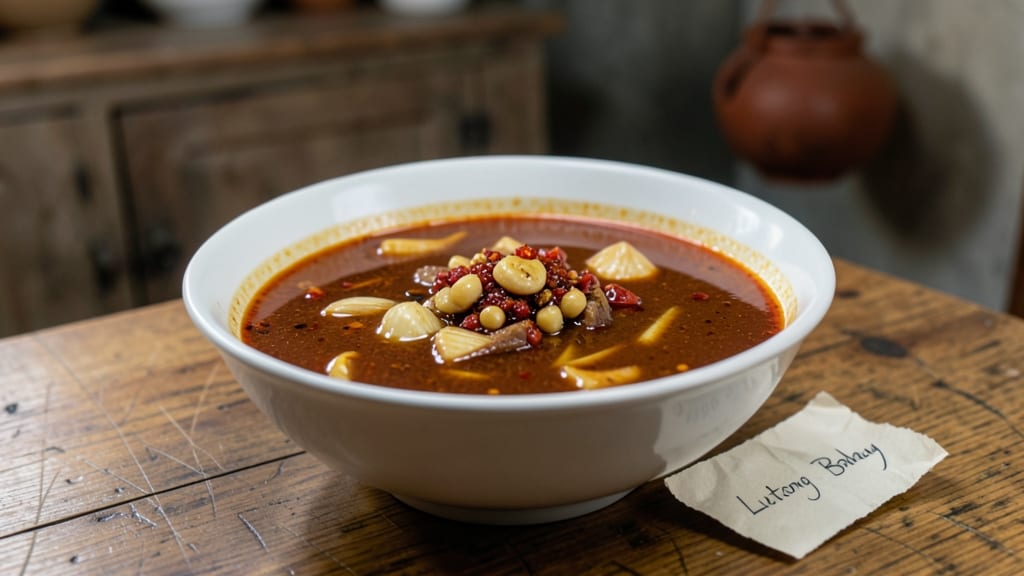
Creating an authentic Filipino sinigang soup with its signature tart tamarind broth and crispy vegetables is simpler than you think—this recipe delivers restaurant-quality depth in just one pot.
The key lies in balancing sour, salty, and savory flavors while keeping the vegetables tender-crisp, a technique I’ve perfected over years of testing.
What makes this dish truly special is how the tamarind’s bright acidity cuts through the richness of shrimp or pork, creating a broth that’s both comforting and refreshing.
The beauty of sinigang is its flexibility—you can use whatever seasonal vegetables you have on hand, from bitter melon to eggplant, while the protein (shrimp, pork, or fish sauce) adds depth without overpowering the broth.
The slow simmering process allows all the flavors to meld together, resulting in a soup that’s far more complex than it appears.
My version includes a few professional tricks, like toasting the garlic and onions for deeper flavor, and using a combination of tamarind and calamansi for the perfect balance of sourness.
By the time you’re done, you’ll have a steaming bowl of sinigang with crisp-tender vegetables floating in a vibrant, tangy broth that’s rich enough to stand up to bold flavors but light enough to feel refreshing.
The aroma alone—herby, slightly sweet, and undeniably sour—will have everyone at the table asking for seconds. This is the kind of dish that feels like a hug in soup form, perfect for chilly evenings or anytime you crave something both comforting and exciting.
Serve it with steamed rice to soak up every last drop of that flavorful broth, or pair it with crusty bread for dipping. The leftovers actually taste better the next day as the flavors continue to develop, making this a meal that’s as practical as it is delicious.
Let’s get cooking—your taste buds will thank you.
Ingredients for filipino sinigang soup
Tart tamarind, crisp vegetables, and rich broth—just 15 ingredients for a bowl of Filipino comfort.
| Ingredient | Amount | Notes |
|---|---|---|
| Tamarind Paste 🍈 | ½ cup | Block or paste, unsweetened |
| Calamansi Juice 🍋 | ¼ cup | Or substitute lime juice |
| Shrimp 🦐 | 1 lb | Medium size, peeled and deveined |
| Pork Shoulder 🥩 | 1 lb | Cut into 1-inch cubes |
| Radishes 🥕 | 2 whole | Daikon or regular, sliced thin |
| Green Beans 🌿 | 1 lb | Trimmed, cut into 2-inch pieces |
| Eggplant 🍆 | 1 whole | Medium, sliced into 1/2-inch rounds |
| Bitter Melon 🍉 | 1 whole | Optional, sliced thin (remove seeds) |
| Onions 🧅 | 1 whole | Yellow, sliced into wedges |
| Garlic Cloves 🧄 | 6 cloves | Minced, toasted lightly |
| Fish Sauce 💧 | 2 tbsp | Red Boat brand preferred |
| Sugar 🍬 | 1 tbsp | White or brown, adjust to taste |
| Salt 🧂 | 1 tsp | Kosher or sea salt |
| Fresh Thai Basil Leaves 🌿 | ¼ cup | Or regular basil in a pinch |
| Vegetable Oil 🫒 | 2 tbsp | For sautéing |
Tamarind is the heart of sinigang, so don’t skimp on quality. Filipino markets or Asian grocery stores carry block tamarind—soak it in warm water to soften before using. If you can’t find it, tamarind paste from the international aisle works too, but avoid sweetened versions. Calamansi juice is ideal for that bright, citrusy kick, but if you’ve only got limes, use double the amount—it won’t be identical, but it’ll still taste amazing. For the protein, shrimp adds delicate sweetness, while pork shoulder gives a heartier texture. Costco or local butchers often have affordable pork shoulder cuts that work perfectly.
No calamansi? Lime or even lemon juice will do, though the flavor won’t be quite the same. Swapping shrimp for fish or chicken? Use firm white fish like cod or boneless chicken thighs—they hold up better to the long simmer. Vegetables are totally flexible—if you can’t find bitter melon, zucchini or cabbage add a nice crunch. For the broth, Red Boat fish sauce is my go-to, but any good-quality fish sauce will work. The sugar balances the tartness, so adjust to taste—some people like it sweeter, others prefer it sharper. Fresh Thai basil adds an aromatic finish, but regular basil works if that’s what you’ve got.
This soup tastes even better the next day as the flavors meld together. Store leftovers in the fridge for up to 4 days, or freeze for 3 months. I like to portion it into containers so I can reheat just what I need. The vegetables stay crisp-tender if you reheat gently—cover with a splash of water and warm over low heat. For extra depth, add a splash of the broth to the rice before serving. It’s the kind of dish that gets better with time, so don’t hesitate to make a big batch.
Why You'll Love This Recipe
- Same base, endless twists: swap radishes for kangkong, add eggplant, or bulk it up with more pork. Serve it steaming for a quick family dinner or ladle it into bowls for guests—no extra effort, just happy faces.
- Tamarind Magic Simplified: I swear, the tamarind paste does all the hard work—just a spoonful, a splash of water, and boom, that signature tangy depth builds itself. No fancy techniques, no stressing over balance.
- Sour-Sweet Shrimp Bliss: The shrimp cook in minutes, turning just opaque enough to stay tender, while the calamansi juice cuts through the richness of the pork. That first sip? Pure, bright satisfaction—like sunshine in a bowl.
- Weeknight to Party Fix: Same base, endless twists: swap radishes for kangkong, add eggplant, or bulk it up with more pork. Serve it steaming for a quick family dinner or ladle it into bowls for guests—no extra effort, just happy faces.
Step-by-step instructions for Filipino sinigang soup
Here's how to build that signature tangy broth and achieve perfectly crisp-tender vegetables.
Prepare the Protein and Vegetables
Start by cutting the 1 lb pork shoulder into 1-inch cubes. Rinse the 1 lb shrimp thoroughly and pat them completely dry with paper towels - this ensures they'll crisp up beautifully in the broth. While the proteins rest, slice the 1 whole eggplant into ½-inch rounds and trim the 1 lb green beans into 2-inch pieces. Thinly slice the 2 whole radishes and cut the 1 whole bitter melon into ¼-inch slices, removing any bitter seeds first. Peel and slice the 1 whole onion into wedges.
Here's the thing about bitter melon - it needs special handling. If you're using the whole bitter melon, slice it lengthwise first to remove the seedy core before cutting into rounds. The flesh should be pale green and crisp. If it feels too bitter, soak the slices in cold water for 10 minutes before adding to the soup.
Build the Tangy Tamarind Broth
In a large pot, combine the 0.5 cup tamarind paste with 4 cups of water and bring to a boil over medium-high heat. Stir until the tamarind completely dissolves - you should see a rich, golden liquid with no visible paste. This is your flavor foundation. Once dissolved, reduce heat to medium-low and add the 0.25 cup calamansi juice, 2 tbsp fish sauce, and 1 tbsp sugar. Let this simmer for 5 minutes while you prepare the aromatics.
In a small pan, heat 1 tbsp of the 2 tbsp vegetable oil and lightly toast the 6 cloves minced garlic for 30 seconds until fragrant. Immediately add this to your simmering broth along with the sliced onions. Let everything cook together for 3 minutes until the onions soften slightly but don't brown - we want flavor, not color at this stage.
Cook the Pork and Vegetables
Add the pork shoulder cubes to the simmering broth and cook for 20 minutes. You'll notice the pork will float to the surface as it cooks - this is normal. After 20 minutes, add the sliced eggplant, green beans, radishes, and bitter melon. The vegetables should be submerged but not crowded - if needed, add 1 more cup of water to maintain liquid level.
Let everything simmer gently for 10 minutes. Here's how you'll know it's ready: the pork should be fork-tender but still hold its shape, and the vegetables should be crisp-tender with just a slight bite. If the bitter melon feels too soft after 10 minutes, remove it and set aside - you can add it back at the very end to preserve its texture.
Finish with Shrimp and Seasoning
Add the shrimp to the soup and cook for exactly 2 minutes. Shrimp cook incredibly fast, and you want them just opaque with a hint of pink in the center. As they cook, taste the broth and adjust seasoning - you might need a pinch more salt or another splash of calamansi juice to balance the flavors. The soup should be tangy but not overwhelmingly sour.
Remove from heat and stir in the 0.25 cup fresh Thai basil leaves. Let the soup sit covered for 5 minutes to allow all the flavors to meld together. The basil will infuse the broth with its aromatic qualities, giving that authentic Filipino touch. Before serving, skim off any excess fat that has risen to the surface.
Serve with Perfect Texture
Ladle the hot soup into bowls, making sure each serving gets an even distribution of pork, shrimp, and vegetables. The key to serving sinigang is maintaining that perfect texture contrast - crisp vegetables against tender pork and just-cooked shrimp. If you removed the bitter melon earlier, add it back now so it maintains its crispness.
Garnish each bowl with additional Thai basil leaves and serve immediately with steamed rice. The broth should coat the back of a spoon but remain clear enough to see the vibrant colors of your vegetables swimming beneath. Each bite should deliver that perfect balance of tangy, savory, and umami flavors with every spoonful.
Pro Tips For Making Filipino Sinigang Soup
- Bloom the Tamarind: Dissolve that tamarind paste in ½ cup warm water first—stirring like you’re trying to win a prize at a county fair. I learned this the hard way: clumping paste makes your broth taste like you’re using glue instead of sour magic. Let it sit 5 minutes before adding to the pot.
- Salt the Pork Early: Toss your pork shoulder in 1 tablespoon salt before it hits the pot—yes, even if it’s fatty. This keeps it tender and prevents it from turning into chewy shoe leather later. My grandmother swore by this, and she was right: the meat falls apart like it’s been kissed by a cloud.
- Simmer, Don’t Boil: Keep the heat at a whisper-low simmer after adding the shrimp—any higher, and they’ll turn rubbery faster than your patience on a Monday. A gentle bubble is all you need; check the broth temp with your finger: it should feel warm, not scalding.
- Slice Radishes Last: Add radishes only in the final 10 minutes, or they’ll turn mushy and lose their crisp snap. I was skeptical until I tried it—now I swear by it. Thin slices? Perfect. Chunks? Still good, but less impressive. (Your future self will thank you.)
Serving suggestions for this dish
Rice Pairing Essentials
Steamed jasmine rice is the classic companion to sinigang, absorbing the tangy broth beautifully. I recommend using a 1:1 ratio of rice to soup—about 1 cup rice per person—so each bite delivers that perfect balance of chewy grains and flavorful liquid.
For extra authenticity, try Filipino-style rice like Dinoray or Calrose, which stay distinct when mixed with broth. 🍚
Pro tip: Add a splash of the sinigang broth to the rice pot during the final 5 minutes of steaming. This infuses the grains with subtle tanginess, making every bite taste like it’s part of the soup itself.
Just ¼ cup broth per cup of rice does the trick without making the rice soggy.
Crusty Bread Options
For a heartier meal, serve sinigang with garlic fried bread or Filipino pandesal. The slightly crispy exterior soaks up the broth perfectly while adding a satisfying chew. I love using store-bought brioche buns from the bakery section—their buttery richness contrasts wonderfully with the tart broth. 🥖
For a lighter option, try toasted baguette slices rubbed with garlic powder and a drizzle of olive oil. Toast them until golden and serve on the side for dipping. This adds a rustic touch while keeping the meal balanced.
Garnish Like a Pro
Fresh Thai basil leaves are non-negotiable—they add an aromatic finish that elevates the dish. Tear them by hand and scatter generously over each bowl just before serving. For extra flair, add a sprinkle of toasted sesame seeds or crushed chili flakes to give diners a little heat. 🌿
If you’re feeling fancy, top each serving with a fried shallot or a drizzle of chili oil. The shallots add a crispy crunch, while the chili oil brings a smoky kick that cuts through the richness. Just 1 teaspoon per bowl is enough to make it sing.
Leftovers Transformation
Sinigang tastes even better the next day as the flavors deepen. Reheat gently over low heat with a splash of water to maintain the broth’s clarity. For a quick lunch, serve over buttered noodles or rice congee—the tangy broth transforms these simple bases into something special. 🍜
Turn leftovers into a sinigang fried rice by sautéing the cooled mixture with a little vegetable oil, soy sauce, and egg. The crispy edges and chewy rice make for a completely different (but equally delicious) meal. It’s my go-to for using up extra portions without waste.
Nutrition facts
Frequently asked questions
What makes sinigang broth different from other Filipino soups?
The signature tartness comes from tamarind paste or calamansi juice, creating that signature bright, acidic broth that balances rich proteins like pork or shrimp. Unlike other Filipino soups, sinigang relies on this sour base> rather than coconut milk or soy sauce for its defining flavor. The vegetables stay crisp-tender through careful timing, giving each bite that satisfying texture contrast.
Can I substitute tamarind if I can't find it?
Use 0.25 cup calamansi juice> (or lime/lemon juice) as the primary souring agent, but add 1 extra tablespoon of sugar> to balance the tartness. For deeper flavor, combine 0.25 cup tamarind concentrate> (from Asian markets) with 0.1 cup vinegar> for complexity. The key is maintaining that tangy-sweet-savory> trifecta.
Why do my vegetables turn mushy instead of crisp-tender?
Overcooking is the usual culprit. Add vegetables in stages>—harder veggies (eggplant, radishes) first, then delicate ones (green beans, bitter melon) last. Simmer for no more than 10 minutes total> after adding them, and keep heat at medium-low>. For extra insurance, blanch bitter melon in boiling water for 1 minute> before adding to the soup.
Is sinigang healthier than other soups?
Yes! It's packed with vegetables> (often 5+ types), lean protein options (shrimp, fish), and minimal oil. The broth is naturally low-calorie when made with tamarind and fish sauce. For a lighter version, use chicken or vegetable broth> instead of water, and reduce pork to ½ lb>. The high fiber content from veggies also aids digestion.
How do I make sinigang less sour for kids?
Reduce tamarind to 0.25 cup> and increase sugar to 2 tbsp>. Add 1 extra tablespoon of fish sauce> for umami depth without sourness. For visual appeal, serve their portion with extra rice> to dilute the broth's intensity. You can also blend a small portion with ½ cup coconut milk> for a milder version.